
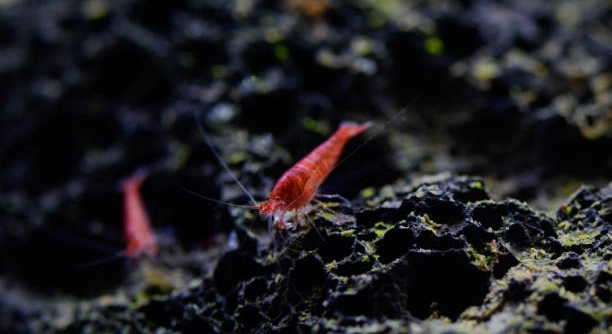
Are your cherry shrimp swimming calmly in their tanks, yet you notice sudden movements when the room is noisy or vibrating? Many shrimp owners pay attention to their tiny pets’ environment, including subtle disturbances that may affect their behavior.
Cherry shrimp are sensitive to air vibrations, as these can create ripples and slight pressure changes in the water. While minor vibrations may not cause harm, constant or strong vibrations can stress the shrimp and alter their normal activity patterns.
Understanding how air vibrations impact shrimp behavior can help maintain a stable, comfortable environment, ensuring your aquarium remains a healthy and peaceful habitat for them.
How Air Vibrations Affect Cherry Shrimp
Cherry shrimp are delicate creatures, and even minor changes in their environment can influence their behavior. Air vibrations, whether from footsteps, loud music, or household appliances, create subtle movements in the water. These vibrations may cause shrimp to dart suddenly, cling to surfaces, or hide more often than usual. While not all vibrations are harmful, repeated disturbances can increase stress levels and affect feeding habits. Shrimp rely on a calm and stable environment to maintain regular molting cycles and overall health. The intensity, frequency, and duration of vibrations play a key role in how they respond. Even small tremors from nearby machinery or slamming doors can lead to temporary panic, causing them to expend energy unnecessarily. Over time, constant stress may weaken their immune system and make them more susceptible to diseases. Keeping tanks on stable surfaces and away from high-traffic areas helps reduce these disturbances.
Stress from air vibrations can reduce shrimp activity and feeding efficiency, affecting growth and health.
Minimizing exposure to strong air vibrations is essential. Placing the tank in a quieter area and using vibration-absorbing pads can help. Even daily household vibrations can subtly impact shrimp behavior. By controlling these environmental factors, you ensure your shrimp remain active and healthy. Observing their reactions allows you to make adjustments that support their well-being. Maintaining consistent water conditions alongside reduced vibrations encourages natural behavior and healthier development.
Signs Your Shrimp Are Reacting to Vibrations
Cherry shrimp may display noticeable signs when disturbed. They can hide for extended periods, stop eating, or swim erratically. Even slight water ripples can trigger these responses, signaling that the environment is not as calm as they need. Watching these behaviors closely helps you identify and address stress factors.
Consistent exposure to air vibrations can disrupt shrimp routines and affect long-term health. If vibrations occur regularly, shrimp may develop chronic stress, impacting molting, reproduction, and lifespan. They may cling to surfaces more frequently, swim in sudden bursts, or avoid open areas of the tank. Stress can weaken their immune systems, making them more vulnerable to illness and slower to recover. Maintaining a stable environment is essential, as cherry shrimp thrive in predictable, quiet settings. Measures such as relocating the tank, cushioning it against vibration, or limiting nearby noise sources can significantly improve their comfort. Observing their behavior over time provides insight into which disturbances are most problematic and allows you to make adjustments that promote normal feeding, molting, and swimming patterns. Healthy shrimp display consistent activity, interact with decorations, and feed regularly, all signs of a well-managed, low-stress environment.
Preventing Stress from Air Vibrations
Positioning the tank on a sturdy surface helps reduce vibrations. Avoid placing it near doors, speakers, or high-traffic areas. Even small movements can startle shrimp and affect their daily activity.
Using vibration-absorbing mats or foam pads under the tank can significantly minimize disturbances. These simple tools reduce the transfer of energy from floors or furniture, keeping the water calmer. Consistent placement away from sudden noise sources also helps maintain a stable environment. Adjusting tank decorations to create hiding spaces gives shrimp a sense of security. Observing their behavior after implementing these changes allows you to gauge effectiveness. Over time, these measures can lead to calmer, healthier shrimp that maintain regular feeding and molting cycles without unnecessary stress.
Regular monitoring of shrimp behavior is essential for prevention. Watching for sudden hiding, erratic swimming, or reduced feeding helps identify problematic vibrations early. Consistency in environment and minimizing sudden disturbances creates a peaceful habitat, supporting their long-term health.
Maintaining a Calm Environment
Even minor daily vibrations can accumulate and stress shrimp over time. Reducing household disturbances near the tank makes a noticeable difference in shrimp activity.
Maintaining a calm environment involves more than limiting vibrations. Stable water conditions, regular feeding schedules, and clean tanks all contribute to shrimp well-being. Air vibrations are just one factor, but they interact with others, including temperature fluctuations or sudden lighting changes, to affect shrimp behavior. Ensuring decorations provide shelter, plants absorb movement, and substrate dampens minor tremors helps maintain stability. Observing how shrimp respond to changes provides guidance on adjustments needed for long-term comfort. Combining environmental control with attentive care results in shrimp that are active, healthy, and display natural behaviors consistently, creating a balanced and thriving tank ecosystem.
Common Sources of Air Vibrations
Household appliances, footsteps, and loud music often create vibrations that transfer through floors and furniture. These movements can subtly disturb the water, affecting shrimp behavior.
Even minor vibrations from nearby doors closing or washing machines running may startle shrimp. Identifying these sources helps reduce stress and maintain a calm environment.
Observing Shrimp Reactions
Shrimp often react to vibrations by hiding, darting, or clinging to surfaces. These behaviors indicate discomfort and stress within the tank environment. Careful observation allows you to adjust placement and reduce exposure to frequent disturbances, helping shrimp feel more secure.
Tank Placement Tips
Placing the tank on a solid, low-traffic surface minimizes vibrations. Avoiding areas near heavy appliances or doorways helps keep the environment stable.
Using Protective Materials
Cushioning the tank with foam or vibration-absorbing mats reduces the transfer of energy from the surrounding environment. These simple measures help maintain a calm habitat for shrimp.
FAQ
Can cherry shrimp survive small air vibrations?
Yes, cherry shrimp can survive minor air vibrations, such as light footsteps or occasional appliance noises. These small disturbances usually do not harm them, though repeated or strong vibrations can cause stress. Shrimp are naturally sensitive, so even subtle ripples in the water can make them react by hiding or swimming erratically. It is important to monitor their behavior to determine if minor vibrations are affecting their comfort. Maintaining a stable environment with minimal frequent disturbances ensures that shrimp can feed, molt, and reproduce normally without unnecessary stress.
How do I know if vibrations are stressing my shrimp?
Signs of stress include hiding for extended periods, refusing food, darting suddenly, or clinging to surfaces more than usual. Sudden bursts of movement without apparent cause often indicate that vibrations or other environmental changes are bothering them. Shrimp may also appear lethargic or avoid open areas of the tank. Watching their behavior consistently helps identify patterns. Tracking feeding habits and molting cycles can provide additional insight, as stress often interferes with these processes. Making small adjustments to tank placement or cushioning can help reduce stress over time.
Are certain tanks more prone to vibrations?
Yes, tanks on lightweight stands, glass cabinets, or near appliances and doors are more likely to transmit vibrations. Larger tanks on sturdy surfaces tend to be more stable, reducing the effect of minor air movements. Avoiding high-traffic areas and placing tanks on solid, vibration-absorbing surfaces helps maintain calm water conditions. Using foam pads or rubber mats under the tank can further reduce disturbances, especially in apartments or homes with hardwood floors. Observing shrimp reactions after moving the tank is key to confirming whether vibrations are being minimized effectively.
Do vibrations affect shrimp feeding or growth?
Constant or frequent vibrations can cause shrimp to eat less, as stress makes them retreat to hiding spots instead of exploring the tank for food. Reduced feeding can slow growth and affect molting cycles. By keeping vibrations minimal, shrimp can maintain normal feeding behavior, ensuring steady growth and healthier development. Monitoring feeding times and adjusting the tank environment to reduce sudden disturbances helps support long-term health. Providing hiding spots also encourages shrimp to feel secure and feed confidently without being startled.
Can I completely eliminate vibrations from my tank?
It is nearly impossible to eliminate all vibrations, especially from household activity. However, most shrimp thrive when strong, constant vibrations are minimized. Placing the tank on a heavy, stable surface and away from doors, speakers, or heavy foot traffic greatly reduces the impact. Foam or vibration-absorbing mats can further cushion the tank. The goal is not complete elimination but creating a stable environment where shrimp experience minimal stress and can carry out normal behaviors safely. Observing their activity over time helps gauge how effective these measures are.
Do all shrimp react the same to vibrations?
No, individual shrimp may respond differently based on age, size, and temperament. Younger or smaller shrimp tend to be more sensitive, while older shrimp may tolerate minor disturbances better. Even within a group, some may hide more quickly or feed less under stress. Understanding the behavior of your shrimp allows you to tailor the tank setup to meet the needs of the most sensitive individuals. Providing plenty of hiding spaces, plants, and decorations can help shrimp feel secure regardless of small environmental vibrations.
Are there other environmental factors that worsen vibration stress?
Yes, sudden temperature changes, fluctuating lighting, or poor water quality can amplify the stress caused by vibrations. A stable environment is critical for shrimp health. Combining vibration control with proper water conditions and consistent feeding schedules ensures shrimp remain calm and active. Creating a balanced, predictable habitat reduces stress triggers and promotes normal behavior.
Will shrimp eventually adapt to minor vibrations?
Some shrimp may adapt to consistent, low-level vibrations over time, but adaptation varies. They may become less reactive if the disturbances are gentle and predictable. However, strong or unpredictable vibrations will always cause stress. Maintaining consistency in tank placement, cushioning, and overall environment gives shrimp the best chance to adapt safely. Observing their behavior and adjusting as needed ensures that shrimp remain healthy and active despite minor unavoidable vibrations.
Can tank decorations help reduce vibration effects?
Yes, decorations, plants, and substrate can absorb minor vibrations and provide shelter. Dense plants or moss give shrimp places to hide when startled, reducing stress. Rocks or driftwood anchored in the tank can also stabilize the water slightly. Well-placed decorations create microenvironments where shrimp feel safe, allowing them to carry out natural behaviors even if small vibrations occur in the surrounding room.
How often should I monitor my shrimp for vibration stress?
Daily observation is ideal, especially after introducing new sources of vibration or moving the tank. Watching feeding, swimming patterns, and hiding behavior helps detect early signs of stress. Regular monitoring allows quick adjustments to placement, decorations, or cushioning, ensuring shrimp remain comfortable. Consistent observation builds a better understanding of their sensitivity to vibrations and supports long-term health.
Final Thoughts
Cherry shrimp are delicate creatures that rely on a stable and calm environment to thrive. Even small air vibrations, like footsteps, appliances, or music, can create subtle water movements that affect their behavior. While minor disturbances may not cause immediate harm, repeated or strong vibrations can stress shrimp, making them hide, swim erratically, or reduce their feeding. Stress can interfere with molting cycles and overall health, which is why understanding the role of vibrations in their habitat is important. Creating a stable environment does not require extreme measures, but simple adjustments like placing the tank on a sturdy surface or using vibration-absorbing mats can significantly reduce disturbances and promote healthier shrimp. Observing their behavior closely allows you to determine if vibrations are affecting them and take action accordingly.
Maintaining a calm environment goes beyond controlling vibrations. Regular water testing, stable temperatures, consistent feeding, and providing hiding spaces all contribute to shrimp well-being. Even if vibrations are minimized, fluctuations in water quality or temperature can add stress and worsen the effects of any movement in the tank. Decorations, plants, and moss can also help absorb minor ripples in the water, giving shrimp places to retreat and feel secure. By combining environmental stability with attentive care, you can ensure that shrimp remain active, healthy, and display natural behaviors. It is important to remember that each shrimp may react differently; younger or smaller shrimp are often more sensitive than older ones. Paying attention to these differences and adjusting the tank setup to support all individuals helps maintain a balanced and low-stress habitat.
In practice, small, everyday vibrations are unavoidable, but they can be managed. Placing the tank away from doors, heavy foot traffic, or loud appliances reduces stress significantly. Simple additions, like foam pads or rubber mats, cushion the tank and limit energy transfer from the surrounding environment. Regular observation helps identify any ongoing issues, and consistent care ensures shrimp adapt safely over time. While complete elimination of vibrations is unrealistic, creating a predictable, calm setting allows shrimp to maintain normal feeding, molting, and swimming routines. Paying attention to these details ensures that your cherry shrimp enjoy a comfortable habitat, supporting long-term health, growth, and activity in your aquarium. By taking these steps, you create a stable and supportive environment where shrimp can thrive without unnecessary stress.

Hello,
If you enjoy the content that we create, please consider saying a "Thank You!" by leaving a tip.
Every little bit helps us continue crafting quality advice that supports the health, happiness, and well-being of pets around the world, for pets of all shapes, sizes, and species.
We really appreciate the kindness and support that you show us!