
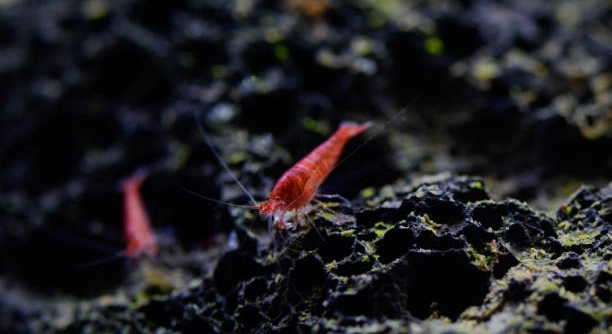
Do you ever notice how shrimp seem to move with sudden bursts or slow, careful steps across the tank? Observing their patterns can reveal a lot about their behavior and how they interact with their surroundings.
Shrimp display movement patterns that correspond to feeding, mating, hiding, and exploring behaviors. Recognizing these seven patterns allows aquarists to anticipate needs, monitor health, and create an environment that supports natural and stress-free activity.
Understanding these movements can improve the way you care for shrimp and enhance their overall well-being in your tank.
Quick Darts and Sudden Bursts
Shrimp often move in sudden, quick bursts across the tank, darting from one spot to another without warning. These movements are usually triggered by a sudden sound, movement in the water, or even light changes. Watching closely, you can see how they pause, gauge the surroundings, and then make a sharp dash. This pattern is common in both freshwater and saltwater shrimp, especially when they feel a potential threat. Quick bursts are often followed by short pauses, allowing them to recover and reassess the environment. In larger tanks, multiple shrimp may move this way simultaneously, creating an almost chaotic effect. Observing these bursts can help you understand the stress levels or alertness of your shrimp. Over time, you can recognize the conditions that cause these reactions and adjust the tank setup to reduce unnecessary stress. Even minor adjustments, like softening lighting or reducing sudden vibrations, can influence these behaviors positively.
This rapid movement is a natural behavior and often indicates alertness rather than distress.
Being aware of quick bursts can guide feeding placement, tank arrangement, and interaction timing. Monitoring how often these bursts occur can give insights into your shrimp’s comfort.
Grazing and Foraging Patterns
Shrimp spend a significant portion of their time grazing along surfaces, picking at algae, biofilm, or leftover food. This movement is slow and deliberate, with shrimp using their tiny claws to comb surfaces carefully. They move in small, circular patterns, covering sections methodically before moving to another area. Grazing is essential for nutrition and helps maintain a clean environment in the tank. Observing where and how often they forage can help identify preferences for certain areas or foods, allowing for better feeding strategies. Shrimp tend to forage in groups, yet each individual covers a slightly different path, reducing competition and ensuring all surfaces are cleaned. Tracking these patterns also provides insight into the shrimp’s health. A shrimp that suddenly stops grazing may be ill or stressed, signaling a need to check water quality or tank conditions. Grazing patterns are influenced by light, temperature, and availability of food sources, so adjustments can encourage more natural activity. Proper observation helps maintain both shrimp health and tank cleanliness.
Foraging is an essential, slow movement that supports shrimp health and environmental balance.
Monitoring grazing patterns ensures shrimp receive enough nutrition and allows for smarter placement of food or algae supplements in the tank.
Hiding and Retreating
Shrimp often retreat to crevices, plants, or decorations when they feel uneasy or need rest. These hiding spots provide safety and reduce stress. Observing these retreats helps in understanding their comfort and security within the tank.
Hiding is a vital behavior that keeps shrimp safe from potential threats and environmental stressors. When shrimp retreat, they usually remain still, blending with their surroundings. This stillness conserves energy and lowers exposure to disturbances. Tank conditions, such as strong currents, bright lights, or aggressive tank mates, can trigger more frequent hiding. Providing adequate hiding spaces, such as small caves, dense plants, or driftwood, encourages natural retreat behavior and promotes confidence in the shrimp’s movements. Over time, regular observation of hiding patterns can indicate changes in water quality or social dynamics within the tank. Shrimp that hide excessively may be stressed or unwell, signaling a need for adjustments.
Shrimp may retreat briefly or stay hidden for long periods depending on environmental comfort and stress levels.
Hiding behavior is influenced by tank layout, light levels, and interactions with other inhabitants, so careful observation helps maintain a healthy environment.
Climbing and Exploring
Shrimp frequently climb plants, rocks, and decorations, using their legs and claws to navigate vertical surfaces. This movement allows them to explore territory, search for food, or establish safe routes. Climbing activity varies among individuals and tank conditions, reflecting confidence and curiosity.
Exploration through climbing is a deliberate movement that balances curiosity with caution. Shrimp assess surfaces for stability and safety before fully committing to a climb. This behavior also contributes to cleaning surfaces, as they scrape off algae and biofilm while moving. Climbing frequency can indicate comfort with tank conditions, and changes in behavior may signal stress, illness, or lack of stimulation. Observing which surfaces are preferred can guide tank decoration placement, ensuring a safe and enriching environment. Shrimp that rarely climb may require additional hiding or climbing structures to encourage natural activity. Careful monitoring helps maintain both physical and mental health for your shrimp, supporting balanced movement patterns.
Climbing enhances shrimp activity and environmental interaction, making it essential for a dynamic and stimulating habitat.
Tail Flicks and Quick Turns
Tail flicks help shrimp navigate quickly, escape danger, or adjust their position in water. This sudden movement is often reactive and can be seen when shrimp encounter obstacles or feel threatened.
Quick turns using the tail allow shrimp to change direction rapidly, enhancing survival and agility in the tank.
Social Circling
Shrimp often move in circular patterns around each other, maintaining social balance and territory. This behavior supports group cohesion, reduces conflict, and helps establish a hierarchy. Observing these interactions reveals which shrimp are more dominant and which prefer quieter areas.
Resting and Minimal Movement
Shrimp will often remain still on surfaces, conserving energy and recovering between activities. This resting behavior is crucial for health, allowing them to process food and maintain stamina for foraging and climbing.
Grazing Trails
Shrimp create visible paths along surfaces while foraging, leaving trails of cleaned areas and disturbed algae. Following these trails can show feeding efficiency and preferred food locations, helping in planning tank maintenance and feeding routines.
FAQ
Why do my shrimp move so quickly sometimes?
Shrimp often dart suddenly as a natural response to perceived threats or changes in their environment. Quick movement can be triggered by vibrations, sudden light changes, or nearby tank activity. This behavior helps them avoid danger and maintain safety. Quick bursts are normal and usually indicate alertness rather than illness.
Why are some shrimp always hiding?
Shrimp retreat to hiding spots to feel secure and reduce stress. Excessive hiding may occur due to bright lights, strong currents, or aggressive tank mates. Providing caves, plants, and driftwood allows shrimp to regulate their comfort level. Observing hiding patterns helps identify stress triggers and improve tank conditions.
Why do shrimp climb plants and decorations?
Climbing is part of natural exploration and foraging. Shrimp use climbing to access food, inspect surfaces, and find safe routes. Vertical movement also helps them interact with the environment, scrape off algae, and maintain their natural behaviors. Adding secure surfaces encourages climbing and prevents stagnation.
Why do shrimp flick their tails?
Tail flicks are quick movements used for navigation, balance, and escape. When a shrimp senses a threat or obstacle, the tail propels it backward or sideways. This behavior enhances agility and allows them to avoid potential harm efficiently. Tail flicks are normal and indicate active, alert shrimp.
Why do shrimp move in circles around each other?
Social circling helps shrimp maintain group balance, establish hierarchy, and reduce conflict. By moving in small patterns around each other, shrimp signal territory boundaries and interact without direct aggression. Observing circling behavior shows which shrimp are dominant and which prefer quieter areas.
Why do shrimp sometimes remain completely still?
Resting and minimal movement are essential for energy conservation and health. Shrimp pause to process food, maintain stamina, and recover from foraging or climbing. Occasional stillness is natural, especially in a comfortable and stress-free environment. Prolonged inactivity may signal water quality or health issues.
Why do shrimp leave trails while grazing?
Shrimp create visible trails as they feed along surfaces. These grazing paths show preferred areas for food and algae removal. Monitoring these trails helps with feeding strategies and tank maintenance, ensuring all surfaces are accessible and clean. Trails also indicate healthy foraging activity.
Can observing shrimp movement help with tank management?
Yes, tracking patterns like hiding, grazing, climbing, and tail flicks offers insights into comfort, health, and environmental conditions. Adjusting light, decoration, and feeding based on movement helps maintain a stress-free tank and supports natural shrimp behavior.
How often should I monitor shrimp movement?
Daily observation is recommended to detect changes in behavior quickly. Patterns may shift due to water quality, tankmates, or food availability. Noting these behaviors helps prevent stress, illness, and aggression while allowing adjustments to tank setup for optimal shrimp well-being.
What does abnormal movement indicate?
Erratic swimming, lack of grazing, or constant hiding can signal poor water quality, stress, or disease. Observing deviations from typical patterns allows for early intervention. Adjusting tank parameters, checking for aggressive tankmates, or consulting health guidelines can help restore normal behavior.
Are shrimp more active at certain times?
Yes, many species exhibit peak activity during low light or nighttime. This natural rhythm supports feeding and reduces exposure to predators. Observing shrimp at different times of day helps understand their habits and optimize feeding schedules and tank lighting.
How can I encourage healthy movement?
Providing varied surfaces, hiding spots, and gentle water flow encourages natural behaviors like climbing, grazing, and exploration. Proper nutrition, stable water conditions, and compatible tankmates also support active, confident shrimp movement. Observing these behaviors ensures a dynamic and healthy environment.
Can multiple shrimp patterns overlap?
Yes, shrimp often combine behaviors like grazing while climbing or tail flicking while retreating. These overlapping patterns reflect adaptability and natural multitasking. Watching how shrimp switch or combine movements helps understand comfort, hierarchy, and activity levels within the tank.
Why is understanding shrimp movement important?
Recognizing movement patterns allows for better care, stress reduction, and health monitoring. It informs feeding, decoration placement, and tank management decisions, creating a supportive habitat. Observing shrimp closely helps anticipate needs and respond effectively to changes, ensuring long-term well-being.
Observing shrimp movement can teach a lot about their behavior and overall health. Each pattern, whether it’s quick bursts, grazing, climbing, or hiding, reflects a natural instinct that helps them survive and thrive in their environment. Quick bursts and tail flicks show alertness and responsiveness, while grazing and climbing demonstrate exploration and foraging habits. Even stillness or resting periods are important, as they allow shrimp to conserve energy and maintain their stamina for daily activities. Paying attention to these patterns can help ensure that shrimp are comfortable, healthy, and active in their tank.
Providing a tank environment that supports natural behaviors is crucial for shrimp well-being. Hiding spots, plants, driftwood, and decorations create a sense of security and reduce stress. Varied surfaces encourage climbing and foraging, while adequate food placement ensures grazing patterns are consistent and balanced. Monitoring interactions between shrimp can reveal social hierarchies and territorial behaviors, helping prevent unnecessary conflict or stress. Adjusting lighting, water flow, and tank layout based on observed movement patterns can significantly improve shrimp comfort. Over time, careful observation and minor adjustments contribute to a healthier, more stable environment that allows shrimp to express natural behaviors fully.
Understanding shrimp movement also has practical benefits for tank maintenance and management. Grazing trails and foraging behavior indicate which areas are cleaned and which may need additional attention. Watching hiding and climbing habits helps identify areas where decorations or plants may need rearranging for safety and accessibility. Sudden changes in movement or unusual behaviors often signal water quality issues or health concerns, allowing for timely interventions. By observing these patterns consistently, shrimp owners can make informed decisions that enhance both the habitat and the shrimp’s quality of life. Recognizing and supporting these natural behaviors ultimately leads to a thriving, balanced tank where shrimp can live actively and healthily.

Hello,
If you enjoy the content that we create, please consider saying a "Thank You!" by leaving a tip.
Every little bit helps us continue crafting quality advice that supports the health, happiness, and well-being of pets around the world, for pets of all shapes, sizes, and species.
We really appreciate the kindness and support that you show us!