
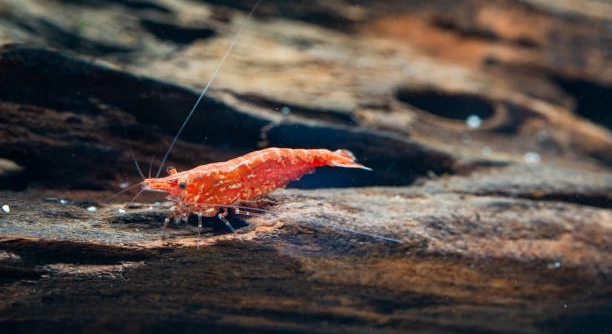
Cherry shrimp are small, colorful creatures that bring life to aquariums. Many shrimp owners notice them climbing decorations, plants, or tank walls, which can seem unusual at first. Their climbing habits are natural and often harmless.
Cherry shrimp climb decorations primarily to explore their surroundings, seek food, and find safe resting spots. Environmental factors such as water quality, current, and tank layout also influence their climbing behavior, making it a normal aspect of their daily activity.
Observing your shrimp’s climbing can help you understand their behavior and maintain a healthy aquarium environment. Small changes may enhance their comfort and safety.
Why Cherry Shrimp Climb Decorations
Cherry shrimp often climb decorations to find food, explore their surroundings, or escape strong currents. In my tank, I noticed them climbing driftwood and rocks, especially near the surface. This behavior is partly instinctual, as climbing allows them to inspect areas that are safer or more comfortable. Decorations also provide hiding spots and resting places, so shrimp naturally use them to feel secure. Climbing can also help them reach algae or biofilm, which makes up a large part of their diet. Tank layout matters a lot; a densely decorated aquarium gives more climbing opportunities, while a sparse tank limits movement. Observing their habits over a few days can reveal patterns in how and why they climb. It’s normal for them to scale walls or plant stems occasionally.
Climbing is a natural and adaptive behavior in cherry shrimp, triggered by food availability, environmental exploration, and the need for shelter. Decorations and tank structure strongly influence their activity levels and patterns.
Watching shrimp climb can teach you a lot about their preferences. Adjusting decor or feeding spots may improve their comfort.
Factors That Influence Climbing
Water quality and temperature play a key role in shrimp activity. Poor water conditions can make them climb more often or appear restless.
Temperature affects metabolism, which in turn impacts energy for climbing. Higher temperatures may increase activity, while cooler water can slow them down. Water flow is another factor; strong currents can push shrimp toward decorations for resting. Shrimp also respond to light levels. Bright light may encourage hiding in decorations, while dim light can make them more adventurous. Nutrition matters as well—well-fed shrimp climb less frequently in search of food. The type and arrangement of decorations influence behavior too. Vertical surfaces like tall plants, rocks, or driftwood provide climbing opportunities, while flat or low decorations limit it. Observing these elements can help identify why shrimp climb. Adjusting tank conditions, decor layout, or feeding practices can encourage natural climbing without stress or escape attempts. Consistent monitoring ensures shrimp remain healthy and active.
Common Climbing Spots
Cherry shrimp often climb driftwood, rocks, and tall plants. These areas provide both food and shelter, making them ideal for resting and exploring. Walls near the water surface are also common, especially if algae or biofilm has formed.
I’ve noticed that my shrimp prefer driftwood with rough surfaces. They use the tiny grooves to hold on and move around slowly. Rocks with crevices are another favorite because they offer protection and a sense of security. Plants with long stems allow climbing while staying close to safe hiding spots. Shrimp also tend to explore near the water surface where light reaches algae, giving them extra grazing options. Decorations placed too close to the tank walls sometimes encourage climbing higher than expected.
Climbing is often tied to searching for food or better resting spots. Vertical decorations, whether rocks, plants, or driftwood, encourage natural behavior. In my experience, shrimp will use almost any surface to move around, especially if there is biofilm or algae present. It’s normal for them to pause, clean themselves, or graze while on these surfaces, making climbing both practical and instinctive.
Safety Tips for Climbing
Place sturdy decorations to prevent tipping or injury. Avoid sharp edges that can harm delicate shrimp.
Decorations should be securely anchored so that when shrimp climb, they don’t fall and get hurt. Smooth surfaces are better than jagged ones, reducing the risk of cuts or broken limbs. I made sure all driftwood and rocks are stable and weighted down. Soft plants and moss are excellent climbing aids and provide additional grazing surfaces. Observing how shrimp interact with decorations helps identify areas that may need adjustment. Keeping decorations stable ensures climbing remains safe, encouraging natural movement without causing stress or injury.
Timing and Activity
Cherry shrimp are most active during early morning and late evening. These times are when they tend to climb decorations for grazing and exploring.
Activity can vary depending on tank conditions. Warmer water often encourages more movement, while cooler temperatures slow them down.
Food Influence
Shrimp climbing often increases when searching for algae or biofilm. I’ve noticed mine will explore every surface after feeding. Uneaten food can attract them to different areas, encouraging vertical movement. This behavior is part instinct, part necessity. Climbing helps them reach hidden or hard-to-access food sources naturally.
Plant Choices
Tall, soft plants are ideal for climbing. They provide both shelter and grazing areas.
Observation Tips
Monitor shrimp activity regularly. Noticing changes helps identify stress or environmental issues.
FAQ
Why do cherry shrimp climb decorations so often?
Cherry shrimp climb decorations mainly to explore their environment, find food, and rest in safe spots. In my tank, I’ve seen them climb rocks, driftwood, and plants repeatedly. Vertical surfaces give them access to algae and biofilm while offering a sense of security, which is why climbing is normal.
Is climbing dangerous for shrimp?
Climbing isn’t inherently dangerous if decorations are stable and smooth. I’ve had issues in the past with loose rocks tipping over, which caused stress. Make sure driftwood and rocks are secure and that decorations don’t have sharp edges. Soft plants or moss make safer climbing surfaces and help reduce injury risk.
Do shrimp climb more when stressed?
Yes, sometimes increased climbing indicates stress. In my experience, sudden water changes or high currents can make them climb more than usual. It’s a natural response to escape uncomfortable conditions, so observing behavior alongside water quality can help identify underlying problems.
Can climbing mean they are looking for food?
Absolutely. Shrimp often climb decorations to reach algae, biofilm, or leftover food. I feed mine once a day, and shortly after, they actively explore vertical surfaces to find small food particles. This behavior is instinctual and helps them maintain a balanced diet.
Do all decorations encourage climbing equally?
Not all decorations are equal. Smooth rocks or short ornaments aren’t as appealing as tall plants, driftwood, or rocks with crevices. I’ve noticed my shrimp avoid flat surfaces unless algae is present. Vertical structures encourage climbing while providing hiding spots and grazing areas.
Will climbing stop if I feed them more?
Feeding can reduce climbing slightly because shrimp have less need to search for food, but it won’t stop entirely. They also climb for exploration and rest. In my tank, even well-fed shrimp still climb vertical surfaces to graze on algae or biofilm.
Does tank size affect climbing behavior?
Yes, larger tanks with more vertical space tend to encourage more climbing. My shrimp explore decorations in taller tanks more often, while smaller or shallow tanks limit vertical movement. Providing ample space and decorations promotes natural activity and reduces boredom.
Can climbing damage the tank?
Climbing itself rarely damages the tank if decorations are secure. I had driftwood shift slightly when not anchored, but otherwise, they mostly move slowly and carefully. Ensuring stability prevents accidents and allows shrimp to climb safely without risk to themselves or the aquarium.
How do I know if climbing is excessive?
Excessive climbing usually accompanies other signs of stress, such as hiding, lethargy, or unusual coloration. I monitor my shrimp for patterns. A normal amount of climbing, combined with feeding and normal behavior, is healthy. Sudden spikes in climbing often indicate environmental or water quality issues.
Do shrimp climb differently in planted vs. bare tanks?
Yes, they climb more in planted tanks. Plants provide vertical surfaces, hiding spots, and grazing opportunities. In my experience, shrimp in bare tanks often stay near the bottom, while planted tanks encourage natural climbing and exploration, making them more active and healthier overall.
Can lighting affect climbing behavior?
Lighting influences activity. Bright light may encourage shrimp to hide in decorations, while dim or moderate light can make them more active and climb more. I adjust my tank lighting to balance visibility, plant growth, and shrimp comfort, which supports healthy climbing habits.
Is climbing a sign of maturity?
Climbing is not strictly linked to age but can increase as shrimp grow and gain confidence. I noticed younger shrimp mostly stayed near the substrate, while adults climb more frequently, exploring decorations and grazing higher surfaces. This behavior reflects both instinct and experience.
Do other shrimp species climb the same way?
Many dwarf shrimp species show similar climbing behavior, though patterns vary. Cherry shrimp are active climbers because of their size and curiosity. I’ve seen Amano and Crystal Red shrimp climb in similar ways, though each species may prefer slightly different surfaces or areas of the tank.
How can I encourage safe climbing?
Provide stable decorations, tall plants, moss, and driftwood. Avoid sharp edges. In my tank, shrimp use these surfaces to explore, graze, and rest. Observation helps identify preferred climbing spots, and small adjustments in decoration placement can improve safety and activity levels.
Does water flow change climbing habits?
Yes, strong currents can push shrimp toward decorations to rest. I noticed that in tanks with higher flow, my shrimp cling more often to plants and rocks to avoid being swept away. Moderate flow encourages movement while maintaining climbing for grazing and exploration.
Can climbing indicate breeding behavior?
Climbing is mostly linked to exploration and feeding, but females carrying eggs may move to sheltered vertical areas for safety. In my experience, pregnant shrimp often prefer moss or plant stems, which provide protection while still allowing access to food.
How often should I check climbing behavior?
Daily observation is best. Monitoring patterns helps spot stress, water quality issues, or diet needs. I watch my shrimp for 10–15 minutes each day, noting which decorations are popular and if any behavior seems unusual. Consistent checks keep them healthy and active.
Does tank temperature influence climbing?
Temperature affects activity. Warmer water increases metabolism, encouraging more climbing, while cooler water slows movement. I maintain a stable temperature to balance energy and comfort, ensuring shrimp climb naturally without stress. Changes in climbing often reflect temperature fluctuations or stress.
Can climbing damage shrimp?
In stable environments, climbing rarely causes harm. Injuries usually occur on sharp or unstable decorations. I carefully secure all surfaces and provide soft plants and moss, which keeps climbing safe while allowing natural behavior to continue uninterrupted.
Are climbing patterns predictable?
Patterns emerge over time. I noticed my shrimp prefer certain driftwood and plant stems at specific times of day. Observation helps anticipate behavior and allows me to adjust feeding, decor, or water flow to support healthy activity levels.
How long do shrimp usually climb at a time?
Sessions are typically short. They climb, graze, rest, then move on. In my experience, climbs rarely last more than a few minutes per session. Short, repeated climbs reflect normal exploration and feeding behavior, rather than stress or restlessness.
Can decorations reduce or increase climbing?
Yes. Taller and textured decorations increase climbing, while flat or low decorations limit it. I experimented with different layouts and found shrimp activity noticeably higher with vertical surfaces. Proper decoration choice encourages natural movement while keeping climbing safe and stress-free.
Does climbing indicate overall health?
Active climbing generally reflects good health. Shrimp that explore, graze, and use decorations regularly tend to be healthy. I monitor climbing along with color, feeding, and molting patterns to ensure shrimp remain strong and thriving in their environment.
Can overcrowding affect climbing?
Overcrowded tanks may limit climbing opportunities or cause competition for surfaces. I noticed that with too many shrimp, some wait for others to leave preferred spots. Adequate space reduces stress and allows natural climbing behavior for all shrimp.
How do I know if climbing is excessive due to illness?
Excessive climbing paired with lethargy, poor feeding, or discoloration may indicate illness. In my tank, I separate affected shrimp and test water quality. Monitoring behavior alongside environmental factors helps identify whether climbing is normal or a symptom of a problem.
Does molting affect climbing?
Shrimp often climb less during molting, seeking safe, sheltered spots. In my experience, they hide in moss or behind plants until their new exoskeleton hardens. After molting, climbing activity resumes, often with increased exploration and grazing.
Can I prevent climbing completely?
Climbing is natural and cannot be completely prevented without removing vertical surfaces. I prefer to provide safe climbing opportunities rather than restrict it, which supports instinctual behavior and overall health. Limiting hazards is more effective than stopping climbing altogether.
Do shrimp climb differently alone versus in groups?
Shrimp climbing is influenced by the presence of others. In groups, they often follow or share surfaces, while solitary shrimp explore more cautiously. I’ve noticed that social interaction encourages activity, grazing, and movement across decorations.
Are certain breeds more active climbers?
Cherry shrimp are moderately active climbers, but other dwarf shrimp breeds may climb more or less. I’ve observed Amano shrimp exploring taller plants extensively, while some Crystal Red shrimp stick closer to substrate. Breed differences affect climbing style and frequency.
What is the best way to observe climbing safely?
Use gentle lighting, minimal disturbances, and a stable environment. I watch my shrimp from the side of the tank to note patterns without stressing them. Observation supports healthy activity and lets me make adjustments to decorations, water flow, or feeding.
Does climbing change with tank age?
Yes. Newly established tanks often have less climbing due to limited biofilm or algae. Once surfaces develop natural food sources, shrimp become more active. In my experience, climbing increased after a few weeks when decorations and plants became covered with algae.
Can climbing behavior indicate tank issues?
Sudden increases in climbing can point to environmental problems, such as poor water quality, high currents, or overcrowding. I track climbing alongside water parameters and tank layout, adjusting conditions as needed to maintain healthy shrimp behavior.
Do shrimp prefer certain surfaces for climbing?
Textured, vertical, and natural surfaces like driftwood, rocks, or moss-covered plants are preferred. Smooth, flat surfaces are less attractive unless algae is present. In my tank, these preferences guide decoration placement to support safe and natural climbing habits.
Is climbing seasonal or constant?
Climbing is mostly constant but influenced by tank conditions like temperature, lighting, and food availability. I see regular activity year-round, with minor variations depending on feeding times and water temperature. Seasonal changes in indoor tanks are minimal, but shrimp respond to small environmental shifts.
Does climbing affect shrimp growth?
Climbing itself doesn’t directly affect growth but encourages exercise and grazing on natural food sources. Active shrimp often have better coloration and stronger exoskeletons. I’ve noticed that climbing supports both physical health and natural instincts, contributing to overall well-being.
Can climbing indicate reproduction readiness?
Climbing alone isn’t a clear sign, but active, healthy shrimp are more likely to breed. I combine observation of climbing with color, molting, and general behavior to monitor reproductive readiness in my tank.
How long does climbing behavior last in one session?
Sessions are brief, usually a few minutes at a time. Shrimp climb, graze, and rest, repeating this pattern throughout the day. I track this in my tank to ensure activity is normal and consistent.
Are climbing patterns affected by tank neighbors?
Other species in the tank can influence climbing. Fast-moving fish may cause shrimp to seek refuge on vertical surfaces. I place shrimp in calm community tanks or shrimp-only tanks to encourage safe climbing and exploration without stress.
Do shrimp return to the same spots repeatedly?
Yes, favorite spots often get revisited. I noticed my shrimp prefer the same driftwood or plant stems daily. These areas provide food, safety, and comfort, making them reliable climbing locations.
Can lighting schedules impact climbing frequency?
Lighting schedules influence activity peaks. I maintain a consistent light cycle, which helps regulate feeding and climbing behavior. Changes in lighting often alter when shrimp climb and explore decorations.
Are there any long-term effects of climbing?
No harmful long-term effects if the tank is safe. Climbing supports natural behaviors, exercise, and access to food. In my experience, shrimp remain healthy and active when given appropriate vertical spaces.
Does water hardness or pH affect climbing?
Indirectly, yes. Extreme pH or hardness can stress shrimp, changing activity levels. I keep stable water parameters to maintain normal climbing and overall health. Stressful conditions often result in unusual climbing or hiding behaviors.
Is climbing more common in younger or older shrimp?
Younger shrimp climb less and stay near the substrate. Adults climb more frequently as they explore, feed, and find safe resting spots. In my tank, this pattern is clear, reflecting both confidence and energy levels.
How do I differentiate normal climbing from problem behavior?
Normal climbing is exploratory, grazing-oriented, and brief. Problem climbing is excessive, frantic, or paired with hiding, poor color, or stress signs. I monitor behavior daily to ensure it reflects health rather than environmental issues.
Does tank height matter for climbing behavior?
Yes, taller tanks encourage vertical exploration. In my experience, shrimp use higher decorations more often in taller tanks, while shallow tanks limit climbing and natural grazing on vertical surfaces.
Can climbing be trained or encouraged?
Not trained, but it can be encouraged with vertical decorations, moss, and driftwood. I arranged mine to promote climbing while keeping surfaces safe. Encouraging natural behavior improves health and activity without forcing movement.
Do shrimp climb more after molting?
Often, yes. After molting, shrimp are more active and explore surfaces to graze and strengthen their exoskeleton. I noticed a clear increase in climbing the day after molts, reflecting recovery and renewed energy.
Can climbing indicate social hierarchy?
Not strongly, but some shrimp may dominate preferred surfaces. In my tank, dominant shrimp often occupy favorite driftwood or plant stems, while others wait or explore different areas. This behavior is minor and doesn’t usually cause conflict.
Does feeding frequency impact climbing?
Yes, feeding frequency can reduce or redirect climbing. Well-fed shrimp spend less time searching, while infrequent feeding encourages more exploration of vertical surfaces. I feed mine consistently to balance activity and grazing.
Can climbing damage plants?
Soft, hardy plants usually handle climbing well. I noticed that delicate plants sometimes bend or break if too many shrimp climb at once. Observing behavior helps place delicate plants in safer spots.
Do shrimp climb more in planted tanks than bare tanks?
Yes, plants provide vertical surfaces, grazing opportunities, and hiding spots. In my experience, planted tanks encourage more climbing, activity, and natural behavior compared with bare tanks with minimal decoration.
How can I make climbing safer for shrimp?
Secure decorations, provide soft surfaces, and avoid sharp edges. I anchor driftwood and rocks firmly, use moss, and monitor shrimp interactions to ensure climbing is safe and stress-free. Proper setup encourages natural exploration without risk of injury.
Does substrate type affect climbing behavior?
Indirectly. Gravel or sand doesn’t encourage climbing itself, but fine substrates allow easier movement to vertical surfaces. I use smooth sand with moss and plants, which supports climbing while remaining safe and comfortable.
Do shrimp prefer artificial or natural decorations for climbing?
Natural decorations like driftwood and live plants are preferred. I’ve seen mine rarely climb smooth plastic ornaments unless algae is present. Textured, natural surfaces support grazing and exploration while reducing stress.
Can climbing indicate water quality issues?
Sudden changes in climbing, paired with unusual behavior, can signal water quality problems. I test water regularly and adjust parameters to ensure climbing remains normal and healthy.
Are there any signs of dangerous climbing?
Signs include frantic movement, constant attempts to escape the tank, or injuries. I watch for these behaviors and check tank setup, ensuring all surfaces are safe, stable, and free of sharp edges.
How long should I observe shrimp climbing daily?
Short, consistent observation—about 10–15 minutes—helps track behavior. I note patterns, favorite surfaces, and any sudden changes. Regular checks maintain healthy climbing habits and allow adjustments as needed.
Does tank population density affect climbing?
Yes, overcrowding can limit access to preferred surfaces. In my experience, shrimp spread out in larger tanks, allowing everyone to climb safely. Adequate space reduces stress and encourages natural exploration.
Can climbing indicate disease?
Not usually, but excessive, frantic, or unusual climbing combined with color loss, lethargy, or poor feeding may indicate illness. Observing behavior alongside water quality and molting patterns helps distinguish normal from problematic climbing.
Do shrimp climb more in tanks with moss?
Yes, moss is a favorite climbing surface. It provides texture, food, and shelter. I’ve seen my shrimp climb moss-covered driftwood and plants repeatedly, making moss an essential part of a climbing-friendly tank.
Does decoration placement affect climbing frequency?
Absolutely. Vertical, accessible decorations encourage climbing. I arrange driftwood, rocks, and plants to create safe, appealing pathways, ensuring shrimp can explore without risking injury. Proper placement increases activity and natural grazing opportunities.
Can climbing be used to monitor shrimp health?
Yes, regular climbing activity indicates good health. I watch for changes in frequency or style, which can reveal stress, water issues, or illness, helping maintain a thriving shrimp population.
Does climbing interfere with breeding?
Climbing rarely interferes. Healthy shrimp can explore, graze, and reproduce simultaneously. I ensure decorations provide both climbing opportunities and sheltered breeding areas, supporting natural behavior without hindrance.
Are some shrimp more adventurous climbers than others?
Yes, personality varies. In my tank, some shrimp climb frequently, while others remain near the substrate. Individual tendencies affect climbing patterns but don’t indicate health issues.
Can climbing be harmful during molting?
Potentially, if surfaces are sharp or unstable. I ensure moss, plants, and driftwood provide soft, secure resting spots to protect shrimp during vulnerable molting stages. Safe climbing surfaces reduce risk.
Do shrimp prefer climbing during certain times of the day?
Yes, early morning and evening are peak activity times. I notice more climbing and grazing during these periods, while midday activity is lower. Timing aligns with natural instincts for feeding and exploration.
Does tank water flow influence climbing patterns?
Moderate flow encourages climbing, while strong currents push shrimp to cling for stability. I balance water movement to support natural behavior without stressing them, ensuring safe and regular climbing.
Can climbing be reduced without removing decorations?
Yes, adjusting feeding locations, water flow, and lighting can redirect climbing. I place food near the substrate and moderate currents to guide shrimp safely while maintaining natural activity levels.
Does climbing affect social behavior?
Minimal effect. Shrimp climb individually or in small groups without conflict. In my tank, vertical exploration coexists with normal social interactions, making climbing a natural part of their routine.
Can climbing surfaces get worn out?
Natural decorations may develop biofilm and algae, which is beneficial. I clean only when necessary, maintaining climbing surfaces while supporting grazing and healthy shrimp activity.
Is climbing affected by aquarium maintenance?
Yes, sudden cleaning or water changes can temporarily reduce climbing. I adjust routine to minimize stress, allowing shrimp to resume normal activity quickly after maintenance.
Does substrate color or texture influence climbing?
Indirectly. Smooth, fine substrates make it easier to approach vertical surfaces. I avoid sharp or coarse substrates that could hinder movement, ensuring shrimp access climbing areas safely.
Can climbing behavior indicate tank imbalance?
Sudden increases or frantic climbing may indicate issues like poor water quality or overcrowding. I monitor climbing alongside other behaviors and tank parameters to ensure environmental balance and shrimp health.
Do shrimp climb differently in community tanks?
Yes, slower or cautious movement may occur near active fish. I notice that shrimp in peaceful, shrimp-only
Cherry shrimp are naturally curious and active creatures, and their climbing behavior is one of the most visible ways this shows in an aquarium. Observing them scale plants, rocks, or driftwood can feel surprising at first, especially for someone new to shrimp care. Over time, it becomes clear that climbing is part of their instinct to explore, find food, and locate safe resting spots. In my tank, I’ve seen shrimp repeatedly climb the same driftwood branches or plant stems, seemingly inspecting every surface for algae or biofilm. This behavior is normal and generally healthy, reflecting their need to interact with their environment. It also allows them to move freely through vertical and horizontal spaces, which is important for exercise and maintaining their overall well-being. While climbing may seem unusual or even risky to the untrained eye, proper tank setup and observation can ensure it remains safe and natural.
Ensuring decorations are stable, smooth, and well-anchored is essential when keeping cherry shrimp. I learned early on that unsecured driftwood or rocks can tip, potentially harming the shrimp or damaging the tank. Using moss, soft plants, and vertical structures helps provide climbing opportunities without risk of injury. Over time, it becomes clear that the arrangement of decorations directly influences how often and where shrimp climb. In my experience, taller and textured surfaces encourage more frequent climbing, while short or smooth surfaces see less activity. Providing areas for grazing, hiding, and resting encourages shrimp to explore naturally. It is also helpful to pay attention to water flow, temperature, and light, as these environmental factors influence activity levels. Observing patterns allows adjustments that support safe climbing while maintaining healthy shrimp behavior.
Finally, understanding climbing as part of a shrimp’s natural behavior can improve tank management and care. Regular observation of climbing patterns, feeding habits, and interaction with decorations offers insights into shrimp health and comfort. In my tank, monitoring these behaviors has helped identify minor issues, such as needing to adjust water flow or reposition decorations to prevent overcrowding on favored surfaces. Climbing also reflects curiosity and energy, and a shrimp that climbs regularly is often thriving. By providing a stable, well-decorated environment, balanced feeding, and consistent monitoring, it is possible to enjoy the charm of cherry shrimp climbing safely while promoting their overall well-being. This behavior, once understood, becomes a fascinating part of shrimp care rather than a concern, allowing both the shrimp and the tank owner to benefit from a natural and enriching environment.

Hello,
If you enjoy the content that we create, please consider saying a "Thank You!" by leaving a tip.
Every little bit helps us continue crafting quality advice that supports the health, happiness, and well-being of pets around the world, for pets of all shapes, sizes, and species.
We really appreciate the kindness and support that you show us!