
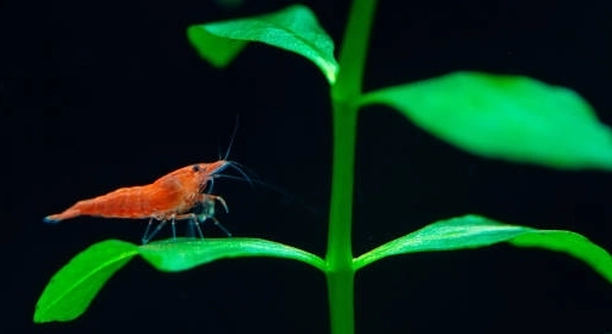
Have you ever watched cherry shrimp glide through their tank, showing soft flashes of color as they explore plants and decorations while responding to simple changes that shape their comfort and daily behavior in subtle.
Cherry shrimp show mild preferences for certain colors, primarily reacting to shades that offer safety and contrast within their environment. Their attraction often centers on darker tones that provide shelter, while brighter hues can influence activity levels and visibility slightly.
Understanding how color affects their movements helps you build a balanced setup that supports healthier behavior and keeps their habitat.
It seems like I can’t do more advanced data analysis right now. Please try again later.
Color Preferences in Cherry Shrimp
Cherry shrimp respond to colors in ways that shape their comfort and daily movements, making it important to choose tones that support calm behavior. Darker elements often help them feel protected, while brighter areas can increase activity and guide how they explore plants, decor, and open spaces in their habitat.
Selecting the right colors in a tank setup gives cherry shrimp a stable environment that influences how they rest, feed, and interact with their surroundings. Dark shades provide shelter that reduces stress, helping them stay visible without feeling exposed. Lighter tones tend to create gentle stimulation that encourages movement, making them more active throughout the day. Balanced color placement also keeps their environment simple, preventing overcrowding from decorations that distract or limit their natural behaviors. When each section of the tank offers subtle visual cues, shrimp respond with steady patterns that reflect comfort, confidence, and consistent activity in their space.
Color choices affect how cherry shrimp navigate their environment, guiding them toward areas that match their comfort levels. When darker spots are available, they often gather there to rest and graze because these areas feel safer and more stable. Brighter zones may increase alertness, encouraging them to move around and search for food. Using a mix of these tones helps you create a balanced layout that keeps them active without overwhelming their space. Simple arrangements allow them to explore naturally, showing behaviors that reflect ease and steady routines influenced by the colors around them each day in a calm setting.
How Tank Setup Influences Color Reactions
Tank design plays a strong role in how cherry shrimp respond to color, shaping their patterns of movement and comfort throughout the day. When you arrange plants and decorations in a simple way, the tones stand out more clearly, helping the shrimp choose areas that feel stable. Darker corners support resting, while light sections encourage exploration that keeps them active and steady as they move through their tank during each calm moment daily and consistently.
Creating a tank that supports healthy color responses begins with choosing tones that guide cherry shrimp without overwhelming them. Darker elements help them settle, offering spaces that feel secure and steady, while brighter decorations add gentle stimulation that encourages regular movement. Placing these tones in a balanced layout keeps their environment easy to navigate, allowing them to feed, rest, and explore without stress. Plants with deep greens, rocks with muted shades, and simple backgrounds all help maintain a stable setting that feels predictable. When the tank avoids clutter and sharp contrasts, the shrimp show natural behaviors that reflect calm routines. Thoughtful color placement shapes their comfort in direct ways that support healthier activity across the entire tank each day in a gentle steady manner daily.
Behavioral Responses to Specific Colors
Cherry shrimp show small behavioral shifts when exposed to certain colors, making it easier to notice patterns in how they move and settle. Dark tones often support calmer reactions, while brighter colors can stimulate light activity that keeps them exploring different sections of their tank without stress each single day.
Color placement influences how cherry shrimp choose resting spots that feel stable and predictable. When darker areas are available, they often gather there for comfort, while lighter zones encourage movement across small pathways. Balanced tones allow them to shift between these sections naturally without disrupting their calm routines each day.
How Color Affects Feeding Behavior
Color influences how cherry shrimp approach feeding spaces, shaping the way they search for food and settle into different areas of the tank. Darker tones often make feeding zones feel safer, allowing them to gather more confidently while avoiding sudden movements. Lighter colors can increase alertness, encouraging gentle exploration around plants and small surfaces where biofilm grows. When these tones are arranged in a simple balanced layout, shrimp adjust their feeding patterns with ease, moving steadily between shaded areas and brighter spots. This helps maintain calm routines that support consistent grazing without creating stress or disrupting their natural flow daily.
Color and Stress Reduction
Simple color choices can help reduce stress in cherry shrimp by giving them clear sections to rest and explore without confusion. Darker areas support calm behavior, while lighter tones offer mild stimulation that keeps their movements steady. Balanced layouts help them feel secure throughout their tank each day every time.
FAQ
Do cherry shrimp prefer darker colors in their tank?
Cherry shrimp respond well to darker colors because these tones create areas that feel safe and steady for them. Dark decorations, plants, or backgrounds help them settle without feeling exposed, which supports calm behavior. These areas give them a sense of shelter that keeps their movements relaxed and predictable. When they have shaded sections to explore, they usually graze more comfortably and show smooth, steady activity. Darker tones also reduce harsh visual contrast, making the tank feel easier for them to navigate. This simple setup helps them rest, feed, and explore without stress building up in small spaces.
Can brighter colors make cherry shrimp more active?
Brighter colors can gently increase activity in cherry shrimp, especially when used in small amounts across the tank. These tones can draw their attention and encourage light exploration as they search for food or move between plants. While the effect is not intense, the subtle stimulation can add variety to their daily movements. If the brighter colors are spread out, shrimp can shift between energetic areas and calmer sections without discomfort. This balance prevents overstimulation and helps them maintain steady behavior. Brighter colors work best when they complement darker tones instead of taking over the entire layout.
Do cherry shrimp avoid certain colors in their environment?
Cherry shrimp tend to avoid colors that create strong or overwhelming contrasts, especially in small tanks. Extremely bright decorations or sharply colored objects can make them feel exposed, which reduces their willingness to explore. They may also shy away from items that reflect too much light or create harsh reflections. When the tank includes softer colors or natural tones, shrimp move more confidently. They prefer environments that feel stable and predictable. Staying close to plants, rocks, and backgrounds with muted shades helps them maintain calm patterns. Their reactions are gentle rather than dramatic, but avoiding extremes is useful for stability.
Can color choices affect their feeding patterns?
Color choices can influence how cherry shrimp approach feeding areas. They usually feed more comfortably in shaded sections where they feel protected, especially when grazing on biofilm. Darker tones around feeding spots help them stay focused without sudden movements. Lighter colors nearby can make them more alert, encouraging slow exploration as they move from place to place. When these tones are arranged in a simple, balanced layout, shrimp transition between feeding areas easily. This helps maintain consistent grazing, which supports their overall health and keeps them active throughout the day.
Do background colors change how visible their natural red color appears?
Background color has a strong impact on how bright or muted a shrimp’s natural red tone looks. Dark backgrounds often make their color appear richer and more noticeable, while pale backgrounds can soften the intensity of their shade. This change does not affect their comfort directly, but it influences how you perceive them. Some keepers use darker tones to highlight their shrimp’s appearance while still offering a stable environment. When the background blends smoothly with the tank’s layout, the shrimp stand out in a way that feels natural.
Is it necessary to match color choices with tank size?
Matching color choices with tank size helps keep the environment simple and supportive. Smaller tanks benefit from softer tones and darker sections that prevent visual clutter. Larger tanks allow more room to use mixed tones without overwhelming the shrimp. Balanced color placement keeps the environment calm and easy to explore.
Should beginners worry too much about color selection?
Beginners do not need to overthink color choices, but being mindful helps create a stable space for shrimp. Choosing simple tones, avoiding overly bright objects, and adding shaded areas is enough to support calm behavior. Small adjustments can make the tank feel more comfortable and predictable for shrimp each day.
Final Thoughts
Color plays a gentle but meaningful role in shaping how cherry shrimp interact with their surroundings, and understanding these small influences helps you build a tank that supports calm, steady behavior. When you choose tones that create a balanced layout, the shrimp respond with movements that reflect comfort rather than stress. Darker sections often give them a sense of shelter that keeps their routines soft and predictable, while lighter areas encourage slow, purposeful exploration. Keeping the environment simple allows them to move from one section to another without feeling overwhelmed. This combination gives them the confidence to graze, rest, and explore at their own pace. As you watch their patterns develop, it becomes clear that thoughtful color placement helps maintain their comfort in ways that feel natural and consistent each day. These reactions may be subtle, but they play an important part in creating stability within their small habitat in a way that feels calm and manageable.
Choosing the right colors is only one part of maintaining a tank that works well for cherry shrimp, but it ties closely to their overall well-being. When the tank uses tones that do not distract or clash, the shrimp show smoother behavior that reflects ease in their surroundings. Soft greens, deep browns, muted blues, and darker backgrounds all help form a space that supports their movements without drawing too much focus to any single area. Bright accents can still be used, but they work best when placed lightly to avoid overstimulation. This creates a rhythm within the tank that feels organized and predictable for the shrimp. Their reactions to color are not drastic, yet the steady influence helps shape how they behave throughout the day. A quiet balance forms when each section of the tank gives them a clear visual cue, and this makes their routines easier to follow and understand. With the right colors, the environment becomes supportive instead of demanding, and this keeps the shrimp comfortable without complicating their space.
A tank that uses color wisely becomes a place where cherry shrimp can thrive in a calm, stable manner. The choices you make in decoration, plants, and backgrounds all work together to influence how they rest, feed, and explore. Watching them move through shaded areas before shifting into lighter zones helps you see how these tones guide their comfort. Maintaining this balance keeps their behavior soft and natural. Each section of the tank contributes to their sense of safety, giving them room to adjust their pace without interruption. When colors blend smoothly and decorations stay simple, the shrimp show steady routines that feel peaceful and predictable. This approach not only supports their health but also makes the tank easier to manage. By paying attention to color and how it shapes their reactions, you create an environment that respects their needs and keeps their behavior gentle, stable, and consistent in a way that benefits them each day.

Hello,
If you enjoy the content that we create, please consider saying a "Thank You!" by leaving a tip.
Every little bit helps us continue crafting quality advice that supports the health, happiness, and well-being of pets around the world, for pets of all shapes, sizes, and species.
We really appreciate the kindness and support that you show us!