
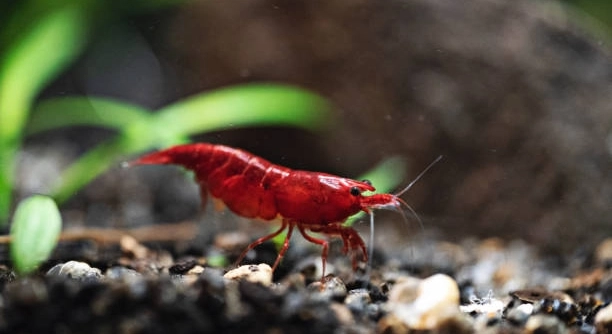
Do you ever find yourself rearranging your aquarium setup and wondering how your cherry shrimp might cope without light? These tiny freshwater creatures are known for their vibrant colors and active behavior in well-lit tanks. Adjusting their environment can feel tricky.
Cherry shrimp can survive in a no-light tank, but their behavior, coloration, and overall activity may be affected. Without light, algae growth is limited, and shrimp rely heavily on natural biofilm, hiding more often and showing less vibrant colors.
Observing how your shrimp adapt over time can reveal surprising insights into their resilience and natural instincts in low-light conditions.
How Cherry Shrimp Respond to Darkness
When I first switched my tank to a no-light setup, I noticed my cherry shrimp immediately changed their behavior. They became less active during the day, often hiding among plants and decorations. Their colors seemed duller, and it was clear that the lack of light affected their energy levels. Normally, bright lights encourage them to explore and feed on algae, but in darkness, they relied more on biofilm and leftover food. It took a few weeks for them to adjust, and I had to pay closer attention to water quality and feeding schedules. Moss and driftwood became important hiding spots, and I realized that even without light, the shrimp were surprisingly resilient. I also observed that their molting frequency slowed slightly, showing that low-light conditions impact more than just activity. Monitoring them closely ensured none became stressed or lethargic.
Without light, their behavior changes, but they can still survive and maintain basic health with proper care.
Over time, I noticed subtle adaptations. The shrimp started exploring at night when the tank was quiet. Their dependence on biofilm increased, and I even saw them grazing on small detritus more often. Plant growth slowed, but adding hardy moss and hiding spots kept the tank functional. Observing these changes helped me understand how environmental shifts affect small aquatic animals and reminded me that shrimp are more adaptable than they appear.
Adjusting Tank Conditions for No-Light Survival
Maintaining a no-light tank requires careful attention to food and water quality.
Since light is absent, algae production drops significantly, and cherry shrimp need alternative sources of nutrition. Feeding high-quality pellets or blanched vegetables ensures they get enough energy. Plants and moss provide shelter but must be monitored for decay, as decomposing matter can impact water parameters quickly. Filtration and water changes become even more crucial because natural cleaning by algae is reduced. Temperature stability helps reduce stress, while hiding spots encourage normal behavior. Observing shrimp frequently lets you catch signs of weakness or illness early. Choosing species that tolerate low-light conditions and minimizing sudden environmental changes further supports survival. Proper care balances their nutritional and environmental needs, ensuring shrimp remain healthy and active despite the lack of light. Maintaining a clean, stable tank creates an environment where shrimp can live and thrive even without illumination.
Feeding Strategies in a No-Light Tank
Cherry shrimp need consistent nutrition when light is absent. Without algae growth, they rely on biofilm, vegetables, and specialized shrimp food to stay healthy. Feeding small portions frequently helps maintain energy levels and prevents overfeeding, which can quickly affect water quality.
I started offering blanched spinach and zucchini along with high-quality pellets. The shrimp quickly discovered these new food sources and adjusted their grazing habits. I noticed they spent more time exploring decorations and moss for hidden food. Overfeeding was avoided by observing their consumption closely, making sure uneaten food was removed promptly. This approach maintained water quality and reduced stress. They also seemed more active during feeding, even without light, which showed me how adaptable they can be when their nutritional needs are met consistently.
Occasionally, I added thin slices of cucumber or dandelion leaves. The shrimp would graze steadily, focusing on biofilm and vegetable matter. Their growth remained steady, and I could see tiny improvements in coloration over time. Even in darkness, proper feeding encouraged natural behavior and minimized aggression, helping them coexist peacefully in the tank. Combining prepared food with occasional fresh vegetables maintained variety and nutrition, keeping them healthy. Observing their patterns allowed me to adjust quantities and types of food according to their needs, ensuring survival without light.
Monitoring Water Quality
Water stability is crucial for shrimp survival in low-light setups. Regular testing helps prevent spikes in ammonia, nitrites, or nitrates that could harm them.
I started testing water parameters weekly, paying close attention to pH, temperature, and hardness. Even small changes affected shrimp behavior and molting frequency. I also increased the frequency of partial water changes to keep the tank stable. Removing debris from moss and substrate became part of my routine. Using gentle filtration minimized stress while keeping water clean. Observing shrimp daily allowed me to notice subtle signs of stress, like reduced activity or hiding. By maintaining a stable environment, the shrimp remained active and healthy despite the lack of light.
Consistency in water care proved essential. I avoided sudden temperature swings and kept feeding controlled. The shrimp adapted better when the tank environment remained predictable. Biofilm and moss offered natural foraging surfaces, but I had to prevent buildup of decaying matter. Water changes were small but regular, maintaining chemical balance without shocking the inhabitants. Over time, I learned that the key was observation and patience. Watching their behavior indicated if any parameter needed adjustment. This approach ensured that the shrimp thrived, molted regularly, and stayed resilient even in a no-light setup. Maintaining proper circulation and gentle filtration also supported oxygenation, which became more important in the absence of light-driven photosynthesis.
Creating Hiding Spots
Hiding spots are essential in a no-light tank. Cherry shrimp feel safer among moss, driftwood, and dense plants, which reduce stress and encourage natural behavior. Even simple decorations can provide shelter and help them feel secure in darkness.
I added small caves and moss clusters. Shrimp quickly claimed these areas, often retreating there during the day. The hiding spots encouraged exploration and foraging while providing safety. Proper placement also kept shrimp visible enough to monitor health and activity without disturbing them.
Adjusting Feeding Frequency
Feeding smaller amounts more often works best in low-light conditions. Shrimp can graze continuously, so spacing meals prevents leftover food from polluting the tank. Observation helps determine the right schedule for each tank.
Observing Behavior Changes
Shrimp may become more reclusive and show duller colors without light. Monitoring activity levels helps gauge their adaptation and overall health.
FAQ
Can cherry shrimp survive long-term without light?
Yes, cherry shrimp can survive long-term in a no-light tank if conditions are stable. They rely heavily on biofilm, detritus, and supplemental food for nutrition. While their colors may fade and activity decrease, proper feeding, water quality, and hiding spots allow them to maintain health over extended periods.
Will their coloration return if light is reintroduced?
Colors often improve when light is added back, but it may take time. The intensity and duration of lighting influence pigment restoration. Shrimp that spent months in darkness may show subtle shades rather than the bright reds typically seen in well-lit tanks.
Do they need special food in a no-light environment?
Providing high-quality pellets, blanched vegetables, or algae wafers ensures they get enough nutrition. Biofilm alone is rarely sufficient for long-term health. Feeding small portions multiple times a day encourages grazing behavior and reduces waste buildup in the tank.
How often should water changes be done without light?
Frequent, small water changes are recommended. Without light, algae growth is minimal, which normally helps maintain water quality. Partial water changes of 10-20% weekly help control ammonia, nitrites, and nitrates while maintaining stable conditions, which is crucial for shrimp health.
Do cherry shrimp molt differently in darkness?
Molting may slow slightly in low-light conditions due to lower activity and reduced food variety. Shrimp may spend more time hiding during molting. Providing calcium-rich foods and a stable environment supports healthy exoskeleton development. Observation is key to ensure shrimp are not stressed during these periods.
Can other tank inhabitants affect shrimp in a no-light setup?
Yes, snails, small fish, and other invertebrates can impact shrimp behavior and food availability. In darkness, shrimp may hide more often, reducing interactions but also limiting competition for food. Careful selection of tank mates ensures safety and reduces stress.
Is temperature more important without light?
Temperature stability becomes slightly more critical. Without light, water temperature fluctuations can have a bigger impact since metabolism and activity levels are already lower. Keeping a consistent range helps shrimp maintain normal behavior, molting cycles, and feeding efficiency.
Will plants survive in a no-light tank?
Most live plants struggle without light. Hardy mosses and low-light plants can survive if supplemented with nutrients. However, decorations like driftwood or artificial plants can replace live plants for hiding spots without risking plant decay.
How can I tell if shrimp are stressed in darkness?
Signs include excessive hiding, lethargy, irregular molting, or fading color. Monitoring behavior, checking water parameters, and adjusting feeding help prevent stress. Providing ample hiding spots and consistent conditions minimizes these issues and supports natural behaviors.
Are there benefits to a no-light tank for cherry shrimp?
Some benefits include reduced algae management and calmer shrimp behavior during the day. Shrimp may forage more at night and rely on biofilm, encouraging natural grazing behavior. While colors may fade, overall health can remain strong with proper care.
Can breeding occur in low-light conditions?
Breeding is possible, though it may slow down. Females may carry eggs but tend to hide more during development. Ensuring good nutrition, stable water quality, and adequate hiding spaces encourages successful hatching and reduces stress on adults.
Do shrimp need a light cycle at all?
A light cycle is not essential for survival, but minimal lighting can support plant growth and enhance color. Some hobbyists prefer dim lighting for observation, but shrimp can live without it as long as feeding and water conditions are managed carefully.
How do I prevent mold or decay in a dark tank?
Removing uneaten food promptly and monitoring plant matter helps prevent mold and decay. Using moss or decorations that do not decompose quickly reduces the risk. Gentle filtration and regular water changes also maintain a clean environment, keeping shrimp healthy.
Are all cherry shrimp equally adaptable to darkness?
Adaptability varies slightly among strains. Some shrimp maintain better coloration and activity than others, but most common varieties adjust if care standards are maintained. Observing individual shrimp helps identify those that may need extra support or attention.
Is feeding frozen or live foods beneficial in a no-light tank?
Yes, frozen or live foods like daphnia or brine shrimp supplement nutrition and encourage natural foraging. Offering small amounts supports health and stimulates activity, helping compensate for the lack of algae and natural light sources.
How do I monitor shrimp activity without disturbing them?
Observation during quieter hours, using a flashlight or dim ambient light, helps monitor behavior. Avoid tapping on the tank or introducing sudden changes. Regular checks of water parameters and hiding spots provide indirect information about overall health.
What signs indicate that a no-light tank isn’t working for shrimp?
Signs include mass lethargy, fading colors, frequent molting issues, or mortality spikes. If these appear, adjustments in feeding, water quality, or minimal lighting may be necessary. Careful monitoring and gradual changes prevent shock to the shrimp.
Can shrimp live entirely off biofilm in a no-light tank?
While biofilm provides some nutrition, it is rarely sufficient alone. Supplementary feeding ensures proper growth, coloration, and molting. Observing grazing habits helps determine whether additional food is needed to maintain healthy populations.
Is it harder to maintain water parameters without light?
It can be slightly harder since algae growth that normally absorbs nutrients is absent. This makes water changes and debris removal more important. Regular testing ensures ammonia, nitrite, nitrate, and pH remain within safe ranges for shrimp health.
Will shrimp become more aggressive without light?
No-light conditions generally do not increase aggression. Hiding spots and adequate food reduce stress, keeping interactions calm. Overcrowding or insufficient shelter may cause disputes, but darkness alone does not trigger aggression.
Does no-light affect the lifespan of cherry shrimp?
A stable, well-maintained environment supports normal lifespan. Reduced activity may slightly slow metabolism, but proper feeding, water quality, and shelter allow shrimp to live comparable lifespans to those in lighted tanks.
How do I encourage shrimp to explore in darkness?
Providing varied hiding spots, introducing food in different areas, and maintaining stable conditions encourages movement. Shrimp naturally forage even in low-light conditions, and occasional observation helps ensure they remain active and healthy.
Are certain shrimp sizes more sensitive to darkness?
Juvenile shrimp are generally more sensitive to stress, including environmental changes. Providing ample hiding spots and consistent feeding helps them survive. Adults adapt more easily but still benefit from careful monitoring to prevent health issues.
Can shrimp reproduce without light cues?
Yes, reproduction can occur without light cues. While light can influence behavior and breeding cycles, adequate nutrition, hiding spaces, and water quality are sufficient for females to carry eggs and release fry successfully.
What is the biggest challenge in maintaining a no-light tank?
The main challenge is ensuring proper nutrition and water quality. Without natural algae growth, shrimp depend entirely on the caregiver for food. Regular water testing, feeding, and observation prevent stress and health issues.
How do I maintain tank aesthetics without plants or light?
Using moss, driftwood, and artificial decorations provides hiding spots and visual interest. Arranging materials in layers creates depth while allowing shrimp to explore safely. Decorations also help monitor behavior without disturbing the tank.
Are there any long-term effects of keeping shrimp in darkness?
Long-term effects mainly involve reduced coloration and slightly slower activity or molting. Health and survival remain stable if feeding, water quality, and shelter are maintained consistently. Most shrimp adapt well over time with proper care.
Can shrimp detect food in complete darkness?
Yes, cherry shrimp have sensitive antennae and use chemoreception to locate food. Even without light, they can find pellets, vegetables, and biofilm efficiently, provided food is introduced in accessible areas.
Is it necessary to aerate a no-light tank?
Aeration is helpful, especially since photosynthesis is limited. Gentle air stones or filters maintain oxygen levels, supporting respiration and overall health, particularly in heavily stocked tanks or warmer water conditions.
Can stress increase in a completely dark tank?
Stress can increase if hiding spots are limited, food is inconsistent, or water quality fluctuates. Proper management, including shelter, feeding schedules, and monitoring, keeps shrimp calm and reduces stress-related health issues.
Do cherry shrimp change their social behavior in darkness?
Shrimp may become more reclusive, hiding more than usual. Social interactions decrease, but aggression remains low. Providing adequate space and hiding spots ensures they continue normal foraging and coexisting without conflict.
How long does it take for shrimp to adapt to darkness?
Adaptation usually occurs over several weeks. Shrimp gradually adjust their activity patterns, feeding habits, and hiding behaviors. Patience and consistent care ensure a smooth transition and stable health during this period.
Can shrimp survive complete darkness with minimal human intervention?
Survival is possible but requires consistent monitoring initially. Once adapted, they can maintain themselves if biofilm is sufficient and water conditions are stable, but occasional feeding and checks improve long-term health and reproduction.
What is the best tank setup for no-light shrimp survival?
A stable, well-filtered tank with ample hiding spots, moderate water movement, and regular feeding works best. Using hardy moss or decorations in place of live plants ensures shrimp have shelter without relying on light-dependent vegetation.
How often should I check on the shrimp in darkness?
Daily visual checks are ideal. Observing behavior, feeding, and hiding patterns helps catch early signs of stress or illness. Regular parameter testing supplements these checks to maintain a safe and healthy environment.
Can low-light-tolerant plants help in a mostly dark tank?
Yes, mosses and low-light plants provide shelter and limited grazing surfaces. Even dim light encourages minimal growth, giving shrimp natural surfaces to explore and maintaining a balanced ecosystem.
Is there a risk of overfeeding in no-light tanks?
Yes, uneaten food can decompose quickly without algae to absorb nutrients. Feeding small amounts and removing leftovers prevents water quality issues and reduces stress on shrimp.
How do I know if the tank is too dark?
Shrimp that hide constantly, show very dull colors, or stop eating may indicate insufficient environmental cues. Adding minimal light or adjusting hiding spots can help maintain normal behavior.
Can shrimp become less active permanently in darkness?
Activity may decrease temporarily, but proper nutrition and stable conditions usually restore normal levels. Permanent inactivity is uncommon unless health issues or poor water quality occur.
Do they need supplements in a no-light environment?
Calcium and trace elements support molting and overall health. Providing vegetables or fortified pellets ensures they receive nutrients that might be limited without light-driven biofilm growth.
Are there any differences between male and female shrimp in darkness?
Females tend to hide more, especially during molting or carrying eggs. Males remain slightly more active but still depend on food availability and shelter. Observing both helps maintain a balanced, healthy population.
What are the signs of successful adaptation to a no-light tank?
Shrimp become consistent in feeding, molting, and exploring hiding spots. Activity may shift to nighttime, coloration stabilizes, and stress indicators like lethargy decrease. These behaviors show they have adjusted well to the environment.
Can I introduce light later without stressing the shrimp?
Yes, gradual introduction of low-intensity light helps shrimp acclimate. Sudden bright light may startle them, so slowly increasing intensity over days allows behavior and coloration to adjust safely.
Do shrimp prefer total darkness or dim light?
Many adapt to either, but dim light supports minimal plant growth and enhances visibility for observation. Providing gentle lighting balances shrimp needs and tank aesthetics without causing stress.
Are there any risks of keeping a no-light tank long-term?
Long-term risks include faded coloration, slower molting, and increased dependence on supplemental feeding. With careful management, these risks are minimal, and shrimp can live healthy, active lives.
Can I breed cherry shrimp successfully in a no-light tank?
Yes, breeding is possible with adequate nutrition, hiding spots, and stable water conditions. Females may hide during egg development, but fry survival is achievable with proper care.
Does darkness affect shrimp lifespan?
Lifespan remains similar if water quality, feeding, and shelter are maintained. Reduced activity may slightly influence metabolism, but proper care supports normal longevity.
How do I make a no-light tank safe for shrimp?
Provide hiding spots, maintain stable water conditions, offer supplemental food, and monitor behavior. Avoid sudden changes and overcrowding. Consistency ensures a healthy, safe environment even without light.
Can shrimp detect light changes?
Yes, they can sense light intensity, which affects activity patterns. Even subtle shifts influence feeding, molting, and hiding behavior.
Are there alternative ways to keep biofilm growing?
Adding driftwood, leaf litter, or slow-decaying organic matter encourages biofilm growth. This supplements natural food sources, especially in low-light environments.
Do shrimp prefer still water in darkness?
Moderate water flow is best. Too strong currents increase stress, while gentle filtration supports oxygenation and waste removal without disturbing natural foraging behavior.
Can low oxygen be a problem in no-light tanks?
Yes, photosynthesis is reduced without light, so ensuring adequate oxygen via filtration or aeration is important to prevent stress and maintain activity.
Is it harder to spot illness in a dark tank?
Yes, reduced activity and hiding behavior can mask symptoms. Regular checks and careful observation of feeding and molting patterns help detect early signs of illness.
Do shrimp eat differently without light?
They rely more on biofilm and hidden food sources, grazing steadily rather than exploring openly. Supplemental feeding encourages healthy foraging and maintains proper nutrition.
How do I maintain a balanced ecosystem without light?
Using moss, driftwood, and controlled feeding supports biofilm growth and provides shelter. Regular water changes and gentle filtration maintain balance without relying on light-driven plant growth.
Can shrimp survive sudden darkness?
Yes, but stress may increase temporarily. Gradual adaptation and monitoring help minimize negative effects, while stable conditions support survival and normal behavior.
Are some shrimp strains better suited for no-light tanks?
Common red cherry shrimp are generally adaptable. Some selectively bred strains may be more sensitive to environmental changes, so monitoring behavior is important when choosing shrimp for a dark tank.
Do shrimp need periodic light exposure?
Periodic light is optional. Minimal light helps observe shrimp and supports plant growth, but survival and reproduction are possible without any direct illumination.
What is the most important factor in a no-light tank?
Consistent water quality, stable feeding, and sufficient hiding spots are the key factors for shrimp health and adaptation in a completely dark environment.
Cherry shrimp are surprisingly resilient creatures. Even in a no-light tank, they can survive and maintain basic health if their environment is stable. While their colors may fade and they may become less active during the day, this does not necessarily mean they are unhealthy. They rely more heavily on biofilm, leftover food, and supplemental vegetables or pellets to meet their nutritional needs. Without light, algae growth is limited, so regular observation and careful feeding are important. Providing hiding spots with moss, driftwood, or small decorations helps them feel secure and reduces stress. Over time, they may develop new patterns of behavior, such as being more active at night and exploring different areas of the tank.
Maintaining water quality becomes even more crucial in a no-light tank. Normally, algae can help absorb nutrients and maintain balance, but in darkness, this natural support is absent. Regular partial water changes, careful monitoring of ammonia, nitrite, nitrate, and pH levels, and gentle filtration ensure the shrimp remain healthy. Temperature stability also plays a key role, as sudden fluctuations can affect metabolism and molting cycles. Observing shrimp daily allows you to notice changes in activity or molting patterns early. If shrimp hide excessively, stop eating, or show lethargy, adjustments in feeding or tank conditions may be necessary. Keeping conditions stable prevents stress and helps the shrimp continue normal growth and behavior despite the absence of light.
Even though keeping cherry shrimp in a no-light tank may seem challenging at first, it is entirely feasible with proper care. Supplementing their diet, providing secure hiding spots, and maintaining water quality are the main factors that support their survival. Shrimp may take a few weeks to fully adapt, but once they do, they can thrive in low-light or dark conditions. While they may not display the bright colors typically seen in a well-lit tank, their overall health and ability to breed can remain strong. Observing them and making small adjustments based on behavior and water conditions ensures they continue to live comfortably. Ultimately, a carefully managed no-light tank can provide a safe and sustainable environment for cherry shrimp, showing just how adaptable these small freshwater creatures really are.

Hello,
If you enjoy the content that we create, please consider saying a "Thank You!" by leaving a tip.
Every little bit helps us continue crafting quality advice that supports the health, happiness, and well-being of pets around the world, for pets of all shapes, sizes, and species.
We really appreciate the kindness and support that you show us!