
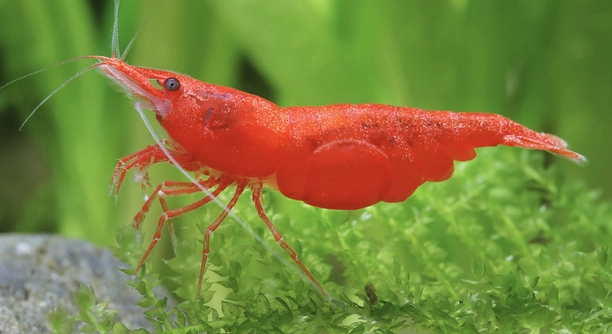
Have you ever watched your cherry shrimp and wondered if stepping back might help them feel more at ease? These gentle creatures often thrive with quiet space, letting them manage natural behaviors without excessive interference.
Cherry shrimp should be left alone during key moments because interference can disrupt essential biological processes. Allowing them space supports proper molting, reduces stress, stabilizes social dynamics, and encourages healthy adaptation to their environment, ensuring their overall well-being and health.
Learning when to give your shrimp space will help you support routines while building a better understanding of their behaviors.
When Your Shrimp Are Molting
When cherry shrimp start to molt, they need quiet time without sudden movement or changes in their space. I have learned that this period is delicate because their new shell is still soft and leaves them feeling exposed. Giving them steady water conditions and keeping feeding simple helps them manage the process without added stress. It is helpful to avoid moving decor or adjusting the filter during this time because any shift can cause them to hide longer than needed. I try to let them handle this stage naturally, watching from a distance so they can settle without pressure. Their colors may look muted and their activity may slow down, but this is normal as they recover strength. By stepping back, you give them the calm space needed to finish their molt safely and return to their usual routine in their own time. This helps them feel secure again daily.
Giving your shrimp peaceful space during a molt supports their ability to strengthen their new shell without unnecessary stress. Keeping the tank stable and avoiding disruptions lets them complete this stage smoothly while feeling safe. This simple approach encourages healthier behavior and more dependable activity patterns in your tank daily.
When the molt is over, their behavior shifts back to normal, and this makes it easier to observe their patterns with a relaxed mindset. I like giving them extra time before restarting any tank tasks so they do not feel unsettled. Stable lighting and consistent feeding help them regain energy at a natural pace. Soft movement in the room and gentle handling of their space keep them comfortable as they fully settle. Allowing them this smooth transition creates a calmer environment that supports long term health and keeps their routine running in a steady and predictable way each new day.
When New Shrimp Settle In
New shrimp often need quiet time to adjust to fresh surroundings, and giving them space helps lower their stress. Stable water, gentle lighting, and minimal changes encourage smoother adaptation. Keeping your distance supports their comfort and allows them to explore freely without pressure or sudden movement in their new home.
When new shrimp enter the tank, they rely on a sense of safety created by calm surroundings. I try to limit noise, bright light, and sudden adjustments because these small details can influence how confident they feel in the first few days. Their early behavior may seem shy, but this is a natural phase that allows them to understand the layout and locate hiding spots. Providing stable water conditions is one of the most effective ways to help them settle, and I avoid feeding heavily during this period so waste does not build up. A clean, predictable space encourages them to move out of hiding when they are ready. Removing distractions and keeping the room quiet helps them explore without feeling overwhelmed. Over time their movements become more open and steady, showing that they trust their surroundings. Allowing this slow adjustment supports healthy growth, better coloration, and smoother social patterns as they become part of the group. By giving them this peaceful start, you help create an environment that strengthens their long term wellbeing. This calm approach lets them develop stable habits, settle into their roles, and interact more comfortably with others while maintaining steady behavior throughout their daily routine.
When Shrimp Are Carrying Eggs
Carrying eggs makes shrimp more sensitive, so I avoid touching the tank or shifting decor during this phase. Gentle lighting and steady water conditions help them feel comfortable as they protect their developing eggs in their chosen hiding spots daily.
During this time, I keep feeding simple and avoid any sudden changes because it helps the shrimp stay calm. Their behavior may seem quieter, but this is normal as they focus on holding the eggs safely. Stable parameters support healthy development, and limiting noise near the tank keeps stress from rising. Allowing them to manage this stage without interference encourages a smoother hatch.
I also try not to move the filter or add new tank mates while eggs are present because it can unsettle them. Clean water and soft movement around the tank help them feel secure as they continue carrying their eggs. This peaceful environment supports steady development and gives the shrimp the confidence to remain active enough for healthy circulation around the eggs.
When the Tank Is Being Cleaned
Tank cleaning can unsettle shrimp, so I keep movements slow and minimize how much I touch the substrate. Gentle water changes help maintain balance without causing the shrimp to scatter. I remove only what is necessary to keep the tank healthy without stressing the group.
When cleaning, I avoid shifting their hiding areas because these spots give them a sense of safety. I use smaller water changes to keep conditions predictable, which seems to help them stay relaxed as I work. Shrimp respond better when the environment remains steady, and this simple approach reduces unnecessary stress. I also wait before feeding after a cleaning session, giving them time to settle back into their routine. Slow and careful motion around the tank encourages smoother behavior, making it easier for them to adjust once the cleaning is done. By staying patient and keeping disruptions to a minimum, I help maintain a calm space that supports ongoing comfort and stable activity patterns.
When Shrimp Are Grazing
Shrimp often focus on grazing for long periods, and I try not to interrupt them. This steady feeding helps them clean surfaces and gather small particles. Leaving them alone keeps their routine smooth and supports healthy activity throughout the day.
Their grazing patterns also help maintain natural balance in the tank, so I avoid tapping the glass or moving decorations. Allowing them to work at their own pace encourages better nutrition and calmer behavior without added stress.
When Shrimp Hide After a Sudden Change
Shrimp may hide for a while when something shifts in their environment, and letting them stay hidden helps them regain confidence. I keep the room quiet, avoid moving items, and give them time to return on their own without added pressure. This usually helps them settle at a steady pace.
When Shrimp Explore New Plants
New plants can draw a lot of attention from shrimp, so I try not to disturb them while they inspect each surface. This quiet time helps them understand their space and supports natural behavior.
FAQ
Why do cherry shrimp sometimes hide for long periods?
Cherry shrimp hide mainly to feel safe and reduce stress. I’ve noticed that when the tank experiences sudden changes—like water adjustments, new decorations, or added tank mates—they often retreat. Hiding is a natural response, helping them avoid perceived threats while allowing them to observe their environment from a secure spot. Providing plenty of hiding spaces and keeping tank conditions stable encourages them to feel more comfortable. Over time, they usually emerge once they sense safety and trust their surroundings, returning to normal activity patterns without interference.
How often should I feed cherry shrimp?
Feeding frequency depends on tank size and shrimp population. I typically feed a small amount once or twice a day. Overfeeding can pollute the water and cause stress, so it’s important to give just enough for them to finish within a few hours. Observing their grazing behavior also helps. If leftovers remain, it’s a sign the portion is too large. Variety is helpful—blanched vegetables, algae wafers, and occasional protein sources support growth and color. Monitoring their response ensures they get nutrients without upsetting the tank balance.
What is the best way to handle molting shrimp?
During molting, shrimp are extremely vulnerable. I avoid touching the tank, rearranging decorations, or changing water conditions abruptly. Soft lighting and steady water temperature create a calm environment. I have found that even small disturbances can cause stress or lead to incomplete molts. By giving them space, shrimp can shed their old shell and strengthen the new one safely. Hiding spots nearby allow them to feel secure while recovering. After molting, they gradually resume normal activity.
How can I tell if a shrimp is carrying eggs?
A shrimp carrying eggs will often tuck its abdomen downward and stay in hidden spots for longer periods. I noticed the eggs are visible under the tail, usually olive green or yellow, depending on the species. The female may move more slowly, focusing on keeping the eggs safe. Disturbing her during this time can lead to stress and, in some cases, egg loss. Maintaining calm surroundings, steady water, and minimal interference supports proper development until the eggs hatch.
Can shrimp get stressed from water changes?
Yes, sudden or large water changes can stress shrimp. I usually perform small, consistent water changes and ensure the new water matches temperature, pH, and hardness. Rapid fluctuations can cause hiding, slower movement, or even health issues. Gentle cleaning, slow additions, and observing their behavior after changes helps shrimp adjust without undue stress. Over time, they become accustomed to routine water maintenance and remain calmer when it’s performed carefully.
Is it okay to have multiple shrimp species together?
Mixed species setups are possible but require caution. I’ve learned that compatible species with similar water requirements tend to coexist peacefully. Aggressive or much larger species can stress smaller cherry shrimp. Observing social behavior and providing plenty of hiding spaces reduces conflict. Gradual introductions and monitoring interactions ensure a stable environment for all residents, keeping the tank balanced and stress-free.
How long do cherry shrimp usually live?
Cherry shrimp typically live around 1.5 to 2 years, depending on water quality, diet, and tank conditions. I have seen shrimp thrive longer in stable environments with clean water and minimal stress. Maintaining proper feeding and monitoring health helps extend lifespan and supports consistent breeding cycles. Watching for behavioral changes or sudden inactivity can alert me to possible health concerns early.
Do cherry shrimp need plants in their tank?
Yes, plants provide shelter, grazing surfaces, and improve water quality. I include mosses, floating plants, and small-leaf varieties to give them multiple hiding spots. Plants also encourage natural grazing and reduce stress. While not strictly required, they create a more comfortable and enriched environment, promoting better coloration, molting success, and social behavior.
What should I do if a shrimp seems sick?
If a shrimp shows lethargy, discoloration, or abnormal swimming, I first check water parameters. Poor water quality is the most common factor. I make small, careful corrections and isolate severely affected shrimp if needed. Observing behavior closely over a few days helps determine whether intervention is necessary. Maintaining cleanliness, stable water, and proper diet prevents many health issues before they start.
How can I encourage breeding without stressing the shrimp?
Providing stable water conditions, abundant hiding spots, and a balanced diet encourages breeding naturally. I avoid sudden changes in temperature or water chemistry, as this can cause stress and delay reproduction. Observing females carrying eggs and giving them space ensures the eggs develop safely. Patience and consistency usually result in steady hatching and a thriving colony.
Cherry shrimp are delicate creatures that respond best to calm and predictable environments. Over the years, I have learned that giving them space during critical moments—like molting, carrying eggs, or settling into a new tank—makes a big difference in their health and behavior. Trying to interact too much or moving things around during these times can cause stress, which slows growth, affects coloration, and can even lead to molting problems or egg loss. By observing them quietly and keeping the tank stable, you allow their natural routines to continue without disruption. This approach not only helps individual shrimp but also supports the overall balance in the tank. Their behavior becomes more consistent, their coloration improves, and their interactions with each other are calmer when they feel safe.
I have noticed that creating a supportive environment doesn’t require complicated equipment or constant attention. Simple steps, like maintaining stable water parameters, providing hiding spots, and keeping feeding schedules consistent, go a long way. Even small details, such as gentle lighting or limiting sudden movements near the tank, help shrimp feel secure. It is tempting to check on them constantly or rearrange decorations for aesthetics, but letting them manage their own space is often better for their well-being. Observing quietly from a distance lets you understand their natural behaviors and notice changes without causing unnecessary stress. Over time, you can see patterns in how they graze, molt, and interact, which helps in creating a healthier, more harmonious environment for them.
Supporting cherry shrimp in a stress-free environment also encourages successful breeding and long-term health. Females carrying eggs need consistent water conditions and quiet spaces to ensure proper development. Molting shrimp benefit from extra hiding spots and undisturbed water. Even shrimp exploring new plants or adjusting to minor changes thrive when they are not rushed or pressured. By giving them the space they need, you can enjoy observing their natural behaviors without interfering. This calm, patient approach builds a stable habitat where shrimp can grow, reproduce, and maintain healthy routines. Over time, you start to notice subtle differences in activity, coloration, and confidence, which are signs of a well-supported colony. Creating this steady, supportive environment does not require constant work but rather careful attention to their needs, patience, and respect for their natural behaviors. In doing so, you help your shrimp flourish, leading to a more enjoyable and balanced tank for everyone.

Hello,
If you enjoy the content that we create, please consider saying a "Thank You!" by leaving a tip.
Every little bit helps us continue crafting quality advice that supports the health, happiness, and well-being of pets around the world, for pets of all shapes, sizes, and species.
We really appreciate the kindness and support that you show us!