
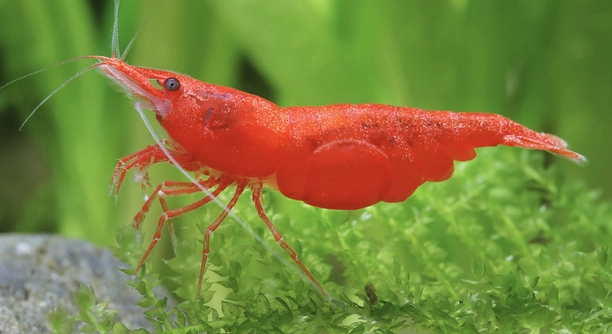
Cherry shrimp are small, colorful creatures that often catch the eye of aquarium owners. Many people notice that these shrimp tend to cluster in one area rather than spreading throughout the tank naturally. Their behavior can seem puzzling at first glance.
Cherry shrimp gather in the same spot primarily due to environmental preferences. Factors such as water temperature, hiding places, food availability, and current flow influence their location, causing them to congregate where conditions feel safest and most comfortable.
Observing this clustering can reveal much about tank conditions and shrimp behavior, offering insight into maintaining a balanced and healthy aquatic environment.
Understanding Cherry Shrimp Behavior
Cherry shrimp often cluster together because they feel safer in groups. In the wild, staying close to each other helps protect them from predators. In aquariums, they behave similarly, seeking out spaces that offer cover and comfort. Plants, rocks, or decorations create hiding spots that shrimp naturally gather around. When food is introduced, they move toward it, sometimes creating the illusion that they prefer one spot over another. Water conditions also play a role. Temperature, pH, and flow affect their comfort, and shrimp will stay in areas that match their preferred conditions. Lighting can influence their activity as well, with shrimp often avoiding bright open areas. Observing these patterns gives insight into their preferences and needs, helping improve tank setups. Paying attention to where they cluster can indicate whether your aquarium meets their basic requirements or if adjustments are needed to encourage more balanced movement.
Grouping provides safety and comfort, and a tank with plenty of hiding spaces encourages this natural behavior.
By placing decorations strategically and monitoring water conditions, you can support healthy clustering without overcrowding. Regular feeding in different areas and gentle water flow also help shrimp explore more of the tank. Over time, you may notice them distributing more evenly as confidence grows. Observing their interactions with the environment can reveal if stress or competition is affecting them. Careful monitoring ensures that clustering is due to preference rather than discomfort.
Environmental Factors Affecting Clustering
Water quality is crucial for cherry shrimp health. Poor conditions can make them gather in one area to escape unfavorable parts of the tank.
Maintaining proper temperature, pH, and oxygen levels is essential. Too strong a current or bright lighting can drive shrimp to safer zones, causing them to cluster. Food placement also influences their distribution, as shrimp often remain near reliable feeding spots. Providing a variety of hiding spaces and surfaces encourages natural movement. Observing behavior can indicate if conditions are balanced or if changes are needed. Monitoring water parameters and adjusting as necessary prevents stress and promotes even distribution. Proper maintenance, including regular water changes and substrate cleaning, ensures a healthy environment that reduces excessive clustering. By understanding and managing these factors, you create a tank where shrimp feel secure while still exploring their surroundings freely. Consistent attention to these details keeps the shrimp active and comfortable throughout the aquarium.
Feeding Habits
Cherry shrimp naturally gather where food is available. They are quick to detect even small amounts of food in the tank and will cluster around it, sometimes leaving other areas empty. Feeding routines and location heavily influence where they spend their time.
Consistent feeding in one spot encourages shrimp to form small groups there. They tend to linger near the food source until it is fully consumed, creating the appearance of a single busy area. Overfeeding can cause them to stay longer than usual, while irregular feeding might make them explore more cautiously. The type of food also matters—shrimp prefer biofilm, algae, and specially prepared pellets, which can draw them together more reliably than less appealing options.
Changing the feeding location occasionally helps distribute shrimp more evenly. It encourages movement across the tank and reduces stress from overcrowding in one spot. Observing their response to different foods can guide you in creating a balanced feeding routine. Rotating food types keeps them interested and supports overall health, making the tank environment more dynamic and interactive.
Tank Layout and Decorations
The arrangement of plants, rocks, and hiding spots strongly affects shrimp clustering. Dense areas offer security, while open spaces are less appealing, resulting in concentrated groups in safe zones.
Strategically placing moss, caves, and plants can help control where shrimp gather. They naturally gravitate toward structures that mimic their natural habitat. Avoid clustering too many decorations in one area, which can limit exploration and create overcrowding. Open areas should remain accessible, with moderate current and light levels, to encourage movement. Observing shrimp behavior in relation to tank layout helps identify preferred spots. Adjusting decorations gradually can redistribute them without causing stress. Proper layout planning ensures that shrimp have multiple comfortable zones.
By diversifying hiding spots and spreading them throughout the tank, you can promote balanced activity. Offering vertical surfaces, floating plants, and gentle currents encourages shrimp to move freely while feeling secure. This setup reduces competition for space and allows each shrimp to find its comfort zone. Monitoring their behavior over time helps identify areas that may need improvement. Small adjustments in decoration placement can make a significant difference, ensuring that clustering occurs naturally without limiting exploration or causing territorial disputes.
Water Flow and Circulation
Cherry shrimp often choose spots with gentle water flow. Strong currents can push them away, while calm areas allow them to feed and move comfortably without stress.
Uneven circulation causes shrimp to cluster where water movement feels safest. They avoid areas with turbulence, concentrating in zones with moderate flow.
Lighting Conditions
Bright lighting can make cherry shrimp feel exposed, so they tend to gather in shaded or dimmer areas. Adjusting light intensity helps balance their activity.
Social Behavior
Cherry shrimp are naturally social creatures. They cluster together for security, grooming, and interaction, mimicking behavior seen in their natural habitat. Observing these interactions can reveal the health and comfort of your shrimp.
Stress and Disturbances
Sudden changes in temperature, pH, or tank activity can cause shrimp to bunch up in one area. Minimizing disturbances helps maintain a stable environment.
FAQ
Why do my cherry shrimp stay in one corner of the tank?
Cherry shrimp often choose one area because it feels safe and comfortable. They may prefer the temperature, water flow, or coverage in that spot. Dense plants, rocks, or decorations give them security, reducing stress. Sometimes, the location also offers easy access to food or biofilm.
Is it normal for all my cherry shrimp to cluster together?
Yes, clustering is normal behavior. In nature, shrimp stay close for protection and social interaction. In an aquarium, this instinct continues. They feel safer together, especially in unfamiliar or brightly lit areas. Over time, they may spread out as they become more confident in their surroundings.
How can I encourage my shrimp to spread out more?
Providing multiple hiding spots throughout the tank can help. Rotating food locations and adjusting water flow encourages movement. Keeping a balanced light level and avoiding strong currents will make open areas more inviting. Gradually changing the tank layout can reduce overcrowding in one spot without causing stress.
Can water quality cause shrimp to stay in one area?
Absolutely. Poor water quality or uneven parameters may make certain areas uncomfortable. Shrimp will gather where oxygen, pH, and temperature feel ideal. Regular testing and maintenance, including water changes and filtration checks, help maintain a healthy, balanced environment for all areas of the tank.
Do cherry shrimp always need hiding spots?
Yes, hiding spots are essential for their comfort. Plants, moss, and decorations provide shelter from light and give a sense of security. Even confident shrimp use hiding areas to rest, molt, or escape disturbances. A tank without adequate cover can cause stress and excessive clustering.
Does food influence clustering behavior?
Food placement is a major factor. Shrimp quickly find and stay near food sources, sometimes ignoring other parts of the tank. Offering food in different locations and varying types of feed encourages exploration. Avoid overfeeding in one area, as this can lead to long-term clustering habits.
Can tankmates affect clustering?
Yes, shrimp may group together if they feel threatened by fish or other inhabitants. Peaceful, non-predatory species reduce stress and allow shrimp to move more freely. Observing interactions can help determine if shrimp are clustering out of fear rather than preference.
Will changing decorations disrupt shrimp behavior?
Sudden changes can temporarily stress shrimp, causing them to cluster even more. Gradually rearranging decorations allows them to adjust. Adding new hiding spots and distributing them evenly encourages balanced movement across the tank over time.
Do shrimp cluster more during molting?
Yes, during molting shrimp are vulnerable and seek safety. They may stay hidden or gather in secure areas until their new shell hardens. Providing extra cover and minimizing disturbances during this time supports healthy molting and reduces stress.
How long do shrimp usually stay clustered?
The duration varies depending on tank conditions, food availability, and social dynamics. Clustering can last hours or days. Observing patterns over time helps identify whether the behavior is normal or caused by environmental stress. Consistent care encourages more even distribution.
Can temperature differences cause shrimp to stay in one area?
Even slight temperature variations can influence shrimp behavior. They prefer stable, moderate temperatures and will move to areas that meet their comfort range. Consistent monitoring and using heaters or chillers as needed helps maintain uniform conditions throughout the tank.
Does lighting schedule affect where shrimp stay?
Yes, shrimp avoid bright, open areas during strong light periods. Using timers to maintain consistent lighting and providing shaded areas encourages movement and reduces clustering caused by light stress.
Can overcrowding make shrimp cluster?
Yes, too many shrimp in a small tank can force them into limited spaces. Providing ample hiding spots and managing population density reduces overcrowding stress, promoting more natural distribution and healthier interactions.
Is clustering a sign of illness?
Not necessarily. While clustering is often normal, sudden or extreme congregation, lethargy, or unusual behavior may indicate illness or poor water quality. Monitoring water parameters and shrimp appearance can help identify issues early.
Do baby shrimp cluster differently than adults?
Yes, juveniles often stay closer to safe areas and adults for protection. They may form tighter groups until they grow more confident. Providing shallow hiding spaces and gentle water flow helps them explore safely.
Can clustering be reduced naturally?
Yes, balanced tank layout, varied feeding, stable water quality, and moderate lighting encourage shrimp to spread out. Patience is key, as shrimp gradually explore once they feel safe. Observing and adjusting conditions over time promotes healthier activity.
Does current flow affect shrimp location?
Absolutely. Strong currents push shrimp into calmer zones, causing clustering. Gentle circulation encourages movement without stress. Adjusting filter output or repositioning decorations helps distribute flow evenly, allowing shrimp to explore the tank comfortably.
Do shrimp prefer certain substrates?
Yes, shrimp often favor areas with biofilm and algae growth, which they feed on. Rough or natural substrates attract them more than bare or smooth surfaces, influencing where they cluster. Offering varied surfaces encourages natural grazing behavior throughout the tank.
How can I tell if clustering is normal?
Observe patterns over time. Regular, brief gatherings around food, hiding spots, or calm areas are typical. Persistent, extreme clustering combined with stress signs may indicate environmental issues. Monitoring behavior alongside water conditions ensures shrimp are healthy and comfortable.
Can temperature swings at night affect clustering?
Yes, sudden drops or rises can make shrimp gather in warmer, calmer spots. Maintaining consistent nighttime temperature helps prevent excessive clustering and reduces stress, especially in tanks without heaters or insulated surroundings.
Do shrimp respond to human presence?
Cherry shrimp may freeze or cluster if startled by movement outside the tank. Over time, they adapt and may continue normal activities while humans observe. Minimizing sudden disturbances keeps them active and confident throughout the tank.
Is clustering affected by breeding cycles?
Yes, berried females may stay in safer, hidden areas to protect eggs. Males may gather nearby, increasing visible clustering. Providing secure spaces supports natural reproduction and reduces stress during these periods.
Can adding plants help reduce clustering?
Yes, spreading plants evenly creates multiple safe zones, encouraging movement. Shrimp explore and forage among vegetation rather than staying in one spot. Gradually increasing plant coverage can balance clustering naturally.
Does water hardness influence shrimp behavior?
Yes, shrimp prefer soft to moderately hard water. Hard water areas may be avoided, causing clustering in comfortable zones. Testing and adjusting water hardness supports more even distribution.
How long should I observe before changing tank conditions?
Give shrimp several days to adjust to changes. Gradual observation allows you to identify normal clustering patterns versus stress responses. Immediate changes may disrupt their behavior unnecessarily.
Can feeding live food reduce clustering?
Yes, live food encourages movement as shrimp chase small particles, promoting exploration. Rotating live or frozen options with regular feedings keeps shrimp active throughout the tank.
Do shrimp cluster differently in small tanks?
Yes, limited space naturally increases proximity. Even distribution may be difficult, but adequate hiding spots and moderate food placement still help reduce overcrowding stress.
Are clustering patterns different between red and other cherry shrimp colors?
Color variations do not significantly change clustering behavior. All cherry shrimp follow similar instincts for safety, food, and shelter. Observing individual shrimp preferences provides better insight than relying on color differences.
Can adjusting filter placement help?
Yes, moving filters or adjusting flow can reduce clustering caused by strong currents. Ensuring even circulation encourages shrimp to explore multiple areas without being forced into one safe zone.
Is seasonal behavior a factor?
Seasonal temperature and light changes can influence shrimp activity. Slight adjustments in tank conditions may be needed to maintain consistent behavior and prevent excessive clustering during different times of the year.
Does molting frequency affect clustering?
Yes, molting shrimp cluster in secure spots. Providing sufficient hiding places and minimal disturbances during these periods supports healthy growth and reduces stress for vulnerable shrimp.
Can clustering indicate aggression among shrimp?
Occasionally, dominant shrimp may force others into certain areas. Providing multiple shelters and distributing food evenly helps reduce territorial behavior and promotes peaceful clustering.
Is it okay to leave shrimp clustered for long periods?
Yes, as long as water quality, food, and space are adequate, clustering is normal. Persistent stress or avoidance behavior may require adjustments, but short-term gatherings are typical.
Do shrimp respond to temperature gradients?
Yes, they move toward preferred temperature zones, which can create visible clusters. Ensuring uniform warmth helps them explore the entire tank comfortably.
How do I know if clustering is caused by light?
Shrimp avoid bright areas, so clusters near shaded zones suggest light sensitivity. Adjusting intensity or adding floating plants can balance distribution without stress.
Can I use multiple feeding points to encourage movement?
Yes, spreading food encourages shrimp to explore the tank. Rotating locations and feeding types reduces prolonged clustering and promotes natural activity patterns.
Does tank size affect clustering frequency?
Smaller tanks naturally increase grouping. Larger tanks provide more space for even distribution, but environmental conditions and hiding spots remain major factors in where shrimp cluster.
Are there signs that clustering is unhealthy?
Lethargy, constant hiding, or unusual positions indicate stress or poor water quality. Normal clustering involves active shrimp occasionally leaving groups to feed or explore. Monitoring behavior alongside tank conditions helps identify problems early.
Can adding floating plants change clustering behavior?
Yes, floating plants create shade and additional cover, encouraging shrimp to spread and explore more evenly across the tank.
Does substrate type influence where they gather?
Rough or biofilm-covered substrates attract shrimp. Smooth or bare areas may be avoided, contributing to clusters around favorable surfaces. Offering variety promotes exploration.
Can clustering be seasonal in behavior?
Shrimp may adjust activity with light and temperature changes over the year. Ensuring stable tank conditions reduces excessive seasonal clustering.
Do shrimp react differently to human movement near the tank?
Yes, sudden motions may cause temporary clustering in safe zones. Over time, they often resume normal behavior as they acclimate to activity outside the tank.
How do I balance hiding spots to reduce clustering?
Distribute plants, moss, and decorations evenly. Multiple secure areas prevent overcrowding in one location while allowing natural social behavior.
Is clustering linked to feeding times?
Yes, shrimp gather where food is consistently offered. Varying timing and location encourages even tank distribution.
Do shrimp prefer vertical or horizontal surfaces?
Both are used for feeding and resting, but biofilm growth on vertical surfaces often attracts them. Providing a mix supports natural activity and reduces overcrowding.
Can clustering indicate stress from tankmates?
Yes, aggressive or predatory species can force shrimp into confined areas. Observing interactions helps identify if stress or natural behavior causes clustering.
Are juvenile shrimp more prone to clustering than adults?
Juveniles often stay closer to cover and adults for protection. Over time, they spread as confidence grows, making initial clustering normal.
Does tank temperature affect cluster location?
Yes, shrimp seek areas within their preferred temperature range. Consistent heat distribution encourages more even movement throughout the tank.
Can adding gentle current reduce excessive clustering?
Moderate water flow encourages exploration without causing stress. Adjusting filter output or adding small pumps helps balance movement across the tank.
Does clustering change during breeding?
Berried females may hide, increasing visible clustering. Males may follow, creating temporary dense groups. Secure hiding spots support natural reproductive behavior.
How long do shrimp usually stay in clusters during feeding?
Clusters often last until food is consumed, typically a few minutes to an hour. Varying feeding points and amounts promotes movement and reduces long-term gathering.
Can light spectrum influence clustering?
Shrimp prefer dim, shaded areas. Reducing harsh white or blue light encourages even distribution and reduces stress-related clustering.
Do shrimp ever form clusters for social reasons alone?
Yes, social interaction and grooming behavior contribute to clustering. Even without immediate threats, shrimp benefit from grouping for mutual security and interaction.
Can changing water flow redirect shrimp clusters?
Yes, areas with calmer water attract them. Adjusting filter placement or flow rate helps redistribute shrimp and reduces prolonged congregation.
Does tank depth influence clustering?
Shrimp may prefer shallower areas for feeding and exploration. Deep zones with less cover may be avoided, causing clusters near the substrate or mid-level plants.
Are there times when clustering is a sign of illness?
Yes, if accompanied by lethargy, discoloration, or abnormal behavior. Regular monitoring of water parameters and shrimp health helps distinguish normal clustering from stress or disease.
Do shrimp cluster more in planted tanks?
Yes, dense plant areas offer security and biofilm for feeding. Distributing plants evenly encourages natural movement and reduces overcrowding in one spot.
Can seasonal tank maintenance affect clustering?
Major changes like water replacement or cleaning may temporarily increase clustering as shrimp adjust. Gradual maintenance minimizes stress and supports normal behavior.
How does substrate depth affect clustering?
Deeper substrate can provide more biofilm and hiding areas, attracting shrimp. Shallow or bare areas may see less activity, concentrating shrimp in favorable zones.
Do shrimp cluster differently in community tanks?
Yes, interactions with other species affect distribution. Peaceful tanks allow natural clustering around food and cover, while aggressive tankmates can force tight groups.
Can temperature fluctuations at night increase clustering?
Yes, shrimp seek stable, warmer areas during sudden drops, which can temporarily increase groupings in specific spots. Consistent heating reduces this behavior.
How long does it take for shrimp to adjust after tank changes?
Adjustment varies but generally takes a few days. Gradual changes in decoration, water flow, or light reduce stress and support natural movement.
Does adding moss help reduce clustering?
Yes, moss provides extra hiding and grazing areas, encouraging shrimp to explore instead of staying in one location.
Can food type affect cluster size?
Yes, highly attractive foods may create large clusters, while varied or less concentrated feedings encourage even distribution.
Does tank size affect how long clusters last?
Smaller tanks increase proximity and longer cluster duration. Larger tanks allow more even spread, though other factors like hiding spots and food placement still matter.
Can shrimp sense changes in water chemistry?
Yes, sudden shifts in pH, ammonia, or nitrate levels cause them to gather in safe areas. Stable conditions prevent stress-induced clustering.
Do clustering patterns change as shrimp mature?
Yes, juveniles cluster more tightly near adults or cover. Adults explore more freely once they feel secure.
Can lighting duration influence clustering?
Long periods of bright light may force shrimp into shaded areas. Adjusting light cycles encourages movement while maintaining comfort.
Do shrimp respond differently to human interaction over time?
Yes, they may become accustomed to gentle observation, resuming normal movement and reducing temporary clustering caused by sudden presence.
Can substrate type influence how shrimp cluster?
Yes, biofilm-rich or rough substrates attract shrimp, while smooth or bare areas may be avoided, influencing clustering patterns.
Does clustering increase during feeding times?
Yes, shrimp naturally gather where food is available. Varying feeding locations helps encourage exploration and reduce prolonged clustering.
Can tank temperature gradients cause persistent clustering?
Yes, shrimp move toward preferred temperature zones. Ensuring even temperature distribution helps maintain healthy movement and reduces stress-related clustering.
Do shrimp ever cluster near water surface?
Yes, if conditions are favorable, such as gentle flow or floating biofilm. Most prefer mid to lower levels for safety, but surface areas may be used occasionally.
Can adding vertical surfaces influence clustering?
Yes, vertical surfaces with biofilm or moss encourage climbing and grazing, promoting movement and reducing overcrowding in a single area.
Are there signs that clustering is caused by poor water flow?
Shrimp will avoid turbulent areas and stay in calm zones. Adjusting flow or filter output encourages more even exploration across the tank.
Does feeding schedule affect clustering frequency?
Yes, predictable feeding times create temporary clusters. Varying timing and locations encourages shrimp to explore, reducing long-term congregation in one spot.
Can temperature fluctuations during cleaning cause clustering?
Yes, sudden changes make shrimp gather in comfortable zones. Gradual water replacement and monitoring minimize stress and prevent abnormal clustering behavior.
Do shrimp cluster differently based on tank height?
Yes, they may prefer mid to lower levels for protection and feeding. Shallow or exposed areas may be avoided, causing temporary clustering in safer zones.
Is clustering affected by water hardness?
Yes, shrimp avoid areas outside their preferred hardness range. Maintaining consistent soft to moderately hard water supports even distribution.
Can adding floating plants encourage movement?
Yes, floating plants provide shade and cover, enticing shrimp to explore and reducing prolonged clustering in single areas.
Do juvenile and adult shrimp cluster differently?
Juveniles tend to stay closer to cover and adults for protection, forming tighter groups. Adults explore more freely once confident.
Can clustering indicate stress from tankmates?
Yes, aggressive or predatory species can force shrimp into confined areas. Observing interactions helps determine the cause of clustering.
Are certain shrimp more prone to clustering?
Behavioral differences are minor. All cherry shrimp exhibit clustering instincts for safety, food access, and social interaction.
Can substrate type affect clustering locations?
Yes, rough, biofilm-rich surfaces attract shrimp more than smooth or bare areas, influencing where they gather.
Does clustering increase during molting?
Yes, shrimp seek secure areas when vulnerable. Extra hiding spots reduce stress and support healthy molting behavior.
Can adjusting light intensity redistribute shrimp?
Yes, reducing bright areas and creating shaded zones encourages movement and reduces clustering caused by light stress.
Does clustering change with tank maintenance?
Yes, shrimp may temporarily group together after water changes or cleaning. Gradual maintenance minimizes stress and supports normal activity.
Can water flow adjustments reduce excessive clustering?
Yes, moderate currents encourage exploration without forcing shrimp into safe zones, promoting even tank distribution.
Do shrimp cluster more around certain plants?
Yes, moss and biofilm-rich plants attract grazing and resting shrimp, influencing where they gather. Evenly spreading plants encourages natural movement.
Is clustering affected by food type or size?
Yes, highly attractive food creates larger clusters. Using varied food types and sizes encourages more distributed activity.
Do shrimp cluster differently in small vs large tanks?
Smaller tanks naturally increase clustering due to limited space. Larger tanks allow more even distribution but still depend on hiding spots and food placement.
Can adding vertical surfaces reduce clustering?
Yes, climbing and grazing surfaces encourage movement, helping shrimp spread more evenly throughout the tank.
Does temperature stability influence clustering behavior?
Yes, consistent temperatures reduce stress-related clustering. Fluctuations often push shrimp into safer zones, creating temporary gatherings.
Are shrimp more active at certain times?
Yes, they tend to explore more during low light or feeding periods. Clustering often occurs during bright or stressful conditions.
Do shrimp react differently to new tankmates?
Yes, unfamiliar or aggressive tank
Cherry shrimp are small but fascinating creatures, and observing their behavior can tell you a lot about the environment you provide in your tank. One of the most noticeable behaviors is how often they gather in one spot. While this can seem puzzling at first, it is usually a natural response to comfort, safety, and food availability. They are instinctively drawn to areas where conditions feel secure. Plants, moss, rocks, and decorations give them shelter and make them feel less exposed. Water flow, temperature, and lighting also play important roles in where they choose to stay. Areas with gentle current, moderate light, and stable temperature are usually the preferred gathering spots for these tiny animals. Understanding this behavior is helpful, as it allows you to observe whether your shrimp are simply following their instincts or if there might be issues in the tank that need attention.
Feeding routines also influence clustering. Cherry shrimp are quick to locate food and will often linger near feeding areas until the food is fully consumed. This can make it appear that all the shrimp are concentrated in one location for no reason. By varying the location of feeding or offering multiple feeding points, you can encourage them to move more around the tank. Over time, this not only helps distribute the shrimp more evenly but also encourages exploration and activity. Additionally, the type of food matters. Biofilm, algae, and specialized shrimp pellets tend to attract them more reliably than less appealing options. Observing their response to different foods can help you create a feeding plan that promotes both healthy eating and a more balanced distribution of shrimp throughout the tank.
Tank layout, water conditions, and social behavior all contribute to where cherry shrimp cluster. They naturally group together for security, social interaction, and comfort, and they will seek out areas that match their needs. By providing multiple hiding spots, stable water parameters, and gentle lighting, you allow shrimp to spread out while still maintaining their instinctual need for safety. Adjustments should be gradual to avoid stress, and consistent monitoring of water quality and tank conditions ensures that clustering is due to preference rather than discomfort or illness. With careful observation and thoughtful tank management, you can maintain an environment where your shrimp feel safe, active, and comfortable. Over time, their behavior will reflect a balanced and healthy habitat, making it easier to enjoy watching their natural patterns and interactions.

Hello,
If you enjoy the content that we create, please consider saying a "Thank You!" by leaving a tip.
Every little bit helps us continue crafting quality advice that supports the health, happiness, and well-being of pets around the world, for pets of all shapes, sizes, and species.
We really appreciate the kindness and support that you show us!