
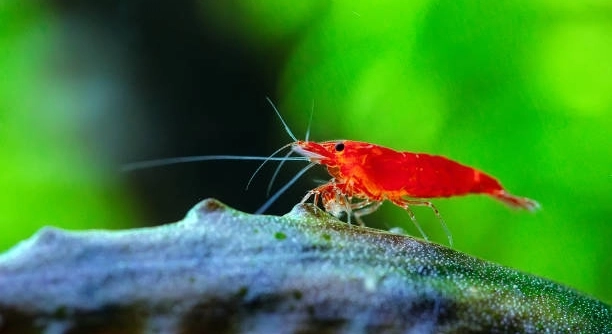
Cherry shrimp are popular among aquarium enthusiasts because of their bright colors and small size. Many people enjoy watching them swim gracefully and interact with their environment in a peaceful tank setting. Their charm makes them easy to love.
Cherry shrimp can adapt to moderately hard water, but they thrive best in soft to slightly hard water conditions. Sudden or extreme changes in water hardness can stress them, affecting molting, reproduction, and overall health.
Understanding how water hardness affects these shrimp is important for maintaining a healthy and vibrant tank environment for long-term care.
Understanding Hard Water and Its Impact
Hard water contains higher levels of minerals, mainly calcium and magnesium, which can influence the health of aquatic life. For cherry shrimp, mineral content affects their ability to molt properly. Molting is critical because shrimp need to shed their old exoskeleton to grow. In harder water, calcium can be beneficial for shell strength, but too much can lead to stress and molting issues. Hard water also changes the pH level, which can affect the shrimp’s metabolism and reproductive success. Some cherry shrimp strains, like Neocaridina, show more tolerance to moderately hard water, but extreme hardness can result in slower growth or reduced lifespan. Monitoring water hardness regularly allows you to maintain a stable environment that balances mineral content and pH. Adjusting water gradually rather than suddenly helps shrimp adapt more easily. Testing kits for GH (general hardness) and KH (carbonate hardness) are useful tools for managing tank conditions effectively, keeping shrimp healthy and active.
Cherry shrimp may tolerate moderate hardness but thrive best in stable, soft water with gradual adjustments.
Keeping hardness in check ensures shrimp molt safely, reproduce successfully, and live in a stress-free environment.
Signs of Stress in Cherry Shrimp
Stress in cherry shrimp often shows through changes in behavior and appearance. Shrimp may hide more than usual, stop eating, or lose color. Stress can also lead to higher mortality and reduce breeding activity, signaling the need for adjustments.
Monitoring your shrimp daily helps identify stress signs early. Rapid changes in water hardness, temperature fluctuations, or overcrowding are common factors. Softening water slightly or adding minerals gradually can alleviate some issues. Keeping plants and hiding spots available provides comfort and reduces tension. Regular water changes maintain cleanliness and stability, which is essential for their health. Adjusting feeding routines and ensuring balanced nutrition also strengthens shrimp resilience. By paying attention to these subtle indicators, it’s easier to prevent serious health problems. Shrimp react quickly to environmental shifts, so consistency is key. Making small, careful adjustments rather than abrupt changes ensures shrimp remain active, colorful, and ready to reproduce, contributing to a thriving aquarium. Monitoring water parameters alongside their behavior gives a clearer picture of their well-being over time.
Adjusting Hard Water for Cherry Shrimp
Using RO (reverse osmosis) water or distilled water is a common method to reduce hardness. Mixing it with tap water allows for gradual adjustment of GH and KH levels, creating a more suitable environment for cherry shrimp.
Testing water before making changes is essential. Slowly mixing softer water with hard tap water prevents shocking the shrimp. Small weekly adjustments help shrimp adapt without stress. Using additives like calcium buffers can fine-tune hardness while maintaining stability. Tracking GH and KH values ensures water stays within a safe range. Observation of shrimp behavior alongside these tests gives insight into how well they are coping. Gradual adjustments are safer than sudden changes. Softening too quickly may cause molting issues or color fading. Creating a predictable routine with stable water parameters encourages shrimp to thrive. Maintaining tank plants and hiding spaces complements these changes by providing comfort and security.
Shrimp react best when changes to hardness are slow, predictable, and consistent, avoiding sudden swings in water chemistry.
Choosing the Right Shrimp Strain
Some cherry shrimp strains handle hard water better than others, which makes selecting the right type important. Red Cherry Shrimp are generally more tolerant than more delicate varieties.
Hardiness varies among color morphs and strains. Popular strains like Fire Red or Sakura can adapt to slightly higher mineral content, while more exotic or selectively bred shrimp prefer softer water. Observing shrimp over several weeks after introduction helps determine their adaptability. Pairing hardy strains with plants that tolerate similar water conditions reduces stress. Plants like Java moss and Anubias provide cover while stabilizing water chemistry. Over time, monitoring reproductive success and growth rates reveals which shrimp handle harder water without issues. Adjusting feeding, tank maintenance, and water parameters according to strain needs ensures longevity. Selecting compatible strains simplifies tank care and improves overall health.
Choosing the right strain reduces stress, encourages successful molting, and supports consistent breeding in tanks with varying water hardness.
Maintaining Stable Water Parameters
Consistency is key for cherry shrimp. Avoid sudden spikes in hardness, pH, or temperature, as these can stress shrimp and affect molting and reproduction. Small, gradual changes are safer and help shrimp adjust naturally.
Regular testing of GH, KH, and pH ensures water stays within safe limits. Observation of shrimp behavior complements these measurements, showing if conditions are suitable. Stability promotes active shrimp, healthy growth, and successful breeding.
Feeding in Hard Water Conditions
Shrimp in harder water may require slightly different care with minerals. Providing a balanced diet that includes calcium-rich foods supports exoskeleton development. Avoid overfeeding to prevent water quality issues.
Feeding routines should remain consistent to minimize stress. High-quality shrimp pellets, blanched vegetables, and occasional protein supplements help maintain health. Hard water can slow nutrient absorption slightly, so monitoring growth and color intensity is important. Removing uneaten food promptly prevents ammonia spikes and keeps water parameters stable. Supplements like cuttlebone or mineral blocks can provide extra calcium, aiding molting and shell strength without altering water chemistry drastically. A thoughtful feeding plan ensures shrimp remain active, colorful, and reproduce successfully even in moderately hard water.
Observation and Behavior
Watching shrimp daily helps detect problems early. Changes in activity, color, or feeding patterns often indicate water or health issues.
FAQ
Can cherry shrimp survive in hard water long-term?
Cherry shrimp can survive in moderately hard water, but long-term exposure to very hard water may affect their health. Hard water can make molting difficult, slow growth, and reduce reproduction rates. Gradual adaptation and careful monitoring are essential to ensure shrimp remain healthy over time. Some strains tolerate harder water better, while delicate or selectively bred varieties may struggle. Regular observation and water testing help identify stress early, allowing adjustments to GH and KH levels before serious problems occur. Providing hiding spots and plants also helps reduce stress in harder water conditions.
How do I know if my cherry shrimp are stressed by hard water?
Stress signs include hiding more than usual, loss of color, reduced feeding, or slowed molting. Mortality rates may increase if stress persists. Shrimp may also stop breeding, and young shrimp may fail to survive. Observing daily behavior helps detect subtle changes. Stress can often be alleviated by gradually adjusting water hardness, ensuring stable pH, and maintaining clean water. Providing calcium-rich foods and adding plants or moss for cover also supports stress reduction. Paying attention to molting success is a key indicator of how well shrimp tolerate their environment.
What is the ideal GH and KH for cherry shrimp?
General hardness (GH) should ideally be around 4-8 dGH, and carbonate hardness (KH) around 3-6 dKH. These levels allow for proper molting, reproduction, and overall health. Maintaining consistency is more important than reaching exact numbers. Sudden changes, even within these ranges, can stress shrimp. Using RO water or mixing tap water gradually helps maintain these levels. For strains that are more tolerant, slightly higher GH or KH may be acceptable, but extreme hardness should be avoided. Regular testing ensures stability and supports healthy growth, coloration, and breeding activity.
Can I soften hard water without harming shrimp?
Yes, but changes must be gradual. Mixing RO or distilled water with tap water slowly lowers hardness. Avoid sudden shifts, as rapid changes can cause molting problems or color fading. Adding mineral supplements carefully allows for precise control over GH and KH. Keeping records of water changes and testing results helps maintain a safe environment. Shrimp respond better to predictable routines, so gradual adjustment is key. Using plants and hiding spots reduces stress during transitions. Monitoring shrimp behavior during this process is essential, as it shows how well they are adapting to the new conditions.
Do cherry shrimp need extra minerals in hard water?
Even in hard water, providing calcium-rich foods can be beneficial. Molting and shell strength depend on available minerals. Foods like blanched vegetables, shrimp pellets, or mineral blocks supplement their diet. This ensures consistent growth and vibrant color, especially in harder water where nutrient absorption may be slower. Calcium supplements also support reproduction and help prevent deformities. Observing shrimp during molting cycles shows if they are receiving adequate minerals. Balancing diet with water conditions helps maintain overall health, encouraging regular breeding and reducing stress.
Will cherry shrimp reproduce in hard water?
Reproduction is possible in moderately hard water, but extremely hard conditions may reduce fertility or slow growth of offspring. Stable water parameters, proper nutrition, and a safe environment are key. Monitoring young shrimp survival rates helps determine if conditions are suitable. Gradual adjustment of hardness supports reproductive success. Certain hardy strains may reproduce more reliably than delicate varieties in harder water. Providing plants and hiding spaces encourages breeding by giving juveniles protection and reducing stress. Maintaining consistent feeding routines and clean water further promotes successful reproduction and healthy population growth.
How often should I test water hardness for cherry shrimp?
Testing water at least once a week is recommended, especially when adjusting hardness. Frequent checks allow for early detection of changes in GH and KH. Testing before and after water changes ensures stability. Using reliable kits gives accurate readings. Observing shrimp behavior alongside test results provides a complete picture of their well-being. Maintaining logs of test results helps identify trends or recurring issues. Sudden spikes or drops can be addressed quickly, preventing stress, molting problems, or reproductive issues. Consistent monitoring is key to long-term success.
Can cherry shrimp adapt to tap water with high hardness?
Yes, but adaptation should be gradual. Mixing tap water with RO or distilled water helps lower extreme hardness. Slowly increasing the ratio over several weeks reduces stress. Monitoring GH, KH, pH, and shrimp behavior ensures the adjustment is safe. Providing proper nutrition and plants further supports adaptation. Some strains tolerate harder tap water better than others. Observing molting and coloration indicates how well shrimp are coping. Patience is necessary, as rapid changes can cause health problems. Gradual adjustment combined with stable care encourages long-term survival and activity.
What role do plants play in hard water shrimp tanks?
Plants help stabilize water chemistry by absorbing minerals and providing shelter. Mosses and hardy plants offer hiding spaces, reducing stress during molting. They also improve water quality by lowering nitrates and contributing to oxygenation. Healthy plants can buffer minor fluctuations in hardness, making the environment more stable for shrimp. Dense planting encourages natural behavior, supports juvenile survival, and enhances overall tank aesthetics. Observation of shrimp using plants for shelter shows how comfortable they are. Plants act as both a physical and chemical support system, contributing to long-term health in harder water conditions.
Are there signs that cherry shrimp are thriving in hard water?
Active swimming, bright coloration, regular molting, and consistent reproduction indicate shrimp are coping well. Juveniles should grow steadily, and adults maintain vibrant colors. Eating well and showing minimal hiding behavior also signal good health. Tracking these indicators alongside stable GH and KH confirms that shrimp are adjusting successfully to harder water. Regular observation ensures any minor issues are addressed quickly. Healthy shrimp will interact naturally with the environment, use plants for shelter, and maintain normal behavior patterns. This balance demonstrates successful adaptation without compromising long-term vitality or breeding potential.
How can I prevent problems when keeping shrimp in hard water?
Consistency, gradual changes, and careful observation prevent most issues. Maintaining stable GH and KH, providing balanced nutrition, and offering plenty of hiding spots reduce stress. Regular water testing and small, controlled water changes keep the environment safe. Selecting hardy strains suited to slightly harder water simplifies care. Removing uneaten food promptly and keeping plants healthy also contributes to stability. Patience and attentive care help shrimp thrive despite challenging conditions. Gradual adaptation, thoughtful feeding, and stable tank maintenance minimize health risks and support reproduction. Observation is the best way to catch potential problems before they become serious.
Cherry shrimp are small, colorful, and delicate creatures that can bring life and movement to an aquarium. Their adaptability depends largely on water conditions, especially hardness. While many people assume that shrimp can tolerate any water, the reality is more nuanced. Hard water contains minerals like calcium and magnesium, which are essential for proper molting and exoskeleton formation, but too much can create stress. Gradual changes in hardness are far better than sudden shifts. Sudden spikes can cause molting difficulties, slower growth, and reduced reproduction rates. By monitoring water parameters carefully, you give your shrimp the chance to thrive and live comfortably in a stable environment. Observing their behavior, activity, and coloration regularly provides clear indicators of how well they are adjusting to the water conditions.
Choosing the right strain of cherry shrimp can make a big difference when dealing with hard water. Some strains are naturally more tolerant to higher mineral content, while others prefer softer water. Red Cherry Shrimp, Fire Red, and Sakura strains often handle moderate hardness better than more delicate or selectively bred varieties. Even with hardy strains, maintaining consistent water parameters is essential. Feeding routines, hiding spaces, and the presence of plants all support healthy adaptation. Balanced nutrition, including calcium-rich foods, is particularly important for shrimp living in harder water. Proper diet ensures strong shells, successful molting, and healthy reproduction. Plants like Java moss and Anubias provide cover and comfort, reducing stress and helping shrimp feel secure. Small adjustments to water chemistry and habitat conditions can make a significant difference in their well-being.
Long-term success with cherry shrimp in hard water requires attention, patience, and observation. Gradual adjustments to hardness, careful monitoring of GH and KH, and consistent maintenance routines all contribute to a stable tank environment. Observing shrimp behavior closely helps detect stress early, allowing for timely interventions. Regular water testing ensures conditions remain safe, while slow changes allow shrimp to adapt naturally. Providing proper nutrition and maintaining plants adds additional support, helping shrimp thrive despite moderately hard water conditions. By combining careful water management, thoughtful strain selection, and attentive care, cherry shrimp can remain active, colorful, and healthy in your tank. A well-planned approach makes it possible to enjoy a thriving shrimp population while minimizing stress and health risks, even in less-than-ideal water conditions.

Hello,
If you enjoy the content that we create, please consider saying a "Thank You!" by leaving a tip.
Every little bit helps us continue crafting quality advice that supports the health, happiness, and well-being of pets around the world, for pets of all shapes, sizes, and species.
We really appreciate the kindness and support that you show us!