
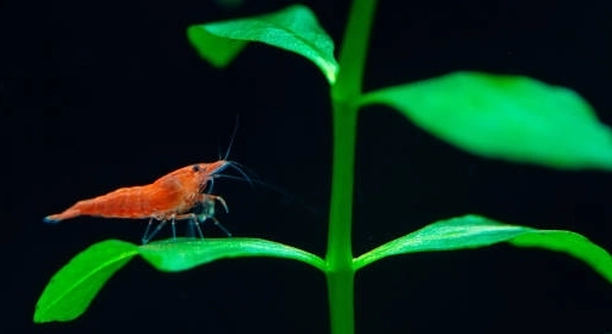
Are your shrimp acting jittery or hiding more than usual in their tank? Sudden movements or unusual behavior can be worrying for any aquarist. Understanding what triggers their stress is key to maintaining a calm, healthy environment for them.
Certain sounds in the household, including vibrations from appliances, sudden bangs, or even loud music, can disturb shrimp. Their sensitive exoskeletons detect these noises, causing stress responses such as hiding, reduced feeding, or frantic swimming, which may affect overall health.
Knowing which noises might be unsettling helps create a peaceful tank. Controlling these sounds ensures your shrimp remain relaxed and thrive in their aquatic home.
Household Appliances
Many common household appliances can create vibrations and noises that shrimp notice immediately. Washing machines, vacuum cleaners, and dishwashers generate low-frequency sounds that travel through the floor and tank stand. Even if the noise seems minimal to you, shrimp can sense these vibrations, which may cause them to retreat to hiding spots or cling to decorations. Continuous exposure can lead to long-term stress, affecting molting cycles and feeding habits. It is especially noticeable in smaller tanks where vibrations are more concentrated. Placing the tank on a solid, vibration-absorbing surface can help reduce this effect. Turning appliances off during sensitive periods or moving the tank to a quieter location can improve shrimp behavior. Small adjustments, like using rubber pads under tank stands, can make a noticeable difference in reducing these stress-inducing sounds, keeping shrimp more comfortable and active.
Reducing these vibrations can significantly improve shrimp health and create a calmer environment overall.
Observing shrimp behavior alongside appliance use can help identify which machines are most disturbing. By carefully timing appliance use or isolating the tank from vibrations, shrimp activity returns to normal, and they exhibit natural feeding and social behaviors. This small intervention strengthens their overall well-being and encourages more visible, relaxed movements within the tank.
Loud Music and TV
Shrimp respond strongly to sudden loud sounds such as music or television.
High-volume noises generate vibrations through walls and floors, which shrimp perceive as threats. Repeated exposure may cause hiding, erratic swimming, or reduced interaction with their environment. Even subtle bass frequencies are easily detected due to their sensitive exoskeletons and can disrupt normal routines. Limiting exposure by lowering volume or placing the tank in a quieter part of the home helps maintain a stable environment. Continuous observation ensures shrimp remain comfortable and stress-free.
Music and television vibrations can cause subtle stress, impacting molting, feeding, and reproduction. Tanks located near living rooms or entertainment areas are particularly vulnerable. Moving the tank to a quieter area or using soundproofing materials around the tank reduces these effects. Maintaining a calm environment allows shrimp to interact naturally with plants, substrate, and tank mates. Regular monitoring of shrimp activity reveals how sensitive they are to ambient sounds. Even if you enjoy music or media, adjusting the volume and placement around the tank can prevent prolonged stress. Over time, consistent care creates a balanced environment, ensuring shrimp remain active, healthy, and less prone to disease or behavioral issues caused by chronic noise exposure.
Construction and Remodeling Noise
Construction sounds, including hammering, drilling, and sawing, create vibrations shrimp can detect. These sudden, repetitive noises often cause them to hide or freeze in place. Stress from ongoing construction can affect feeding and molting, making them less active and more vulnerable to health issues.
Shrimp are highly sensitive to vibrations transmitted through walls, floors, and even ceilings. Noise from nearby construction can be particularly disruptive in apartments or homes with thin walls. Continuous hammering or drilling can create stress responses such as frantic swimming, clinging to tank decorations, or avoiding open areas entirely. Their exoskeletons detect these subtle vibrations long before humans notice them, which makes it essential to limit exposure. During renovation periods, moving the tank away from the construction site or temporarily covering it with a sound-dampening blanket can reduce stress. Even short breaks in activity, like limiting the duration of hammering, can help maintain a calmer tank environment and support normal feeding and social behavior.
Stress from construction can linger, affecting shrimp behavior for hours or even days. Regular observation is key to spotting signs like hiding, erratic swimming, or decreased feeding. Creating temporary barriers or moving the tank can prevent prolonged stress. Consistency in the environment helps shrimp regain comfort, making them more active and less prone to molting problems. Adjusting placement and monitoring behavior ensures they stay healthy despite external noise disruptions.
Household Conversations
Shrimp respond to constant talking, laughter, or shouting near their tanks. Even moderate speech can create vibrations that unsettle them, leading to hiding or reduced activity.
The vibrations caused by regular conversations travel through walls, floors, and the water, triggering stress in shrimp. Continuous exposure may reduce feeding frequency and disrupt normal behaviors. They might retreat to dense plants, decorations, or corners, avoiding open areas. In shared living spaces, keeping conversation at a reasonable volume or positioning the tank in a quieter area can minimize these disturbances. Over time, managing ambient noise helps shrimp stay relaxed and maintain regular activity patterns, supporting molting, feeding, and social interaction.
In households with frequent conversations or gatherings, shrimp may take longer to feel secure. Their sensitive exoskeletons detect vibrations that humans rarely notice. Positioning the tank away from high-traffic areas or using noise-dampening measures like mats or wall insulation can improve conditions. Observing how shrimp react to ambient speech helps identify the safest tank placement. Maintaining a calm environment supports consistent feeding, normal molting, and active behavior. Even small adjustments, such as moving the tank to a quieter corner or reducing noise levels during meals or events, can have a noticeable impact on shrimp well-being and stress reduction.
Footsteps and Movement Around the Tank
Heavy footsteps or constant movement near the tank can make shrimp uneasy. Their sensitive bodies pick up vibrations, which may lead them to hide or stop exploring open areas in the tank. Regular disturbances can affect feeding and activity patterns.
Even subtle, repetitive movements like walking close to the tank or tapping on the tank glass can stress shrimp. They may cling to plants or decorations, avoiding normal swimming areas. Minimizing sudden activity nearby helps shrimp feel secure and maintain natural behavior, ensuring they remain healthy and active over time.
Door Slams and Sudden Closures
A loud door slam produces a sudden vibration that shrimp detect immediately. This abrupt noise can startle them, causing rapid retreat or hiding.
Water Pumps and Filters
Continuous noise from pumps and filters can sometimes be stressful, especially if they are unusually loud or create strong vibrations. Proper placement and adjustment can help maintain a stable environment.
Foot Traffic in Shared Spaces
High foot traffic near the tank causes constant vibrations that shrimp feel. Moving the tank to a quieter spot reduces stress and supports normal behavior.
FAQ
Why do my shrimp hide when there is noise?
Shrimp have highly sensitive exoskeletons that detect vibrations in the water and surrounding surfaces. When they sense sudden or continuous noise, they interpret it as a potential threat. Hiding is a natural stress response, helping them feel safer until the disturbance passes.
Can loud music harm my shrimp?
Loud music, especially with strong bass or low-frequency sounds, produces vibrations that travel through walls, floors, and the tank water. These vibrations can disrupt normal feeding, molting, and swimming patterns. Over time, chronic exposure may affect their overall health. Keeping music at a moderate volume or moving the tank away from sound sources reduces stress.
Do appliances really affect shrimp behavior?
Yes, common household appliances like washing machines, dishwashers, and vacuum cleaners generate vibrations that shrimp can detect. Even when the noise seems minor to humans, shrimp feel these vibrations and may hide, reduce activity, or avoid feeding during operation. Using vibration-dampening mats or placing the tank on a solid surface can help.
How can I tell if my shrimp are stressed from noise?
Signs include hiding frequently, clinging to tank decorations, erratic swimming, and reduced feeding. Molting may also be delayed or irregular. Observing daily behavior and noting changes during or after noisy periods can help identify stress sources. Consistent patterns indicate that environmental adjustments are needed.
Will moving my tank help with noise sensitivity?
Relocating the tank to a quieter area can significantly reduce stress. Shrimp respond better when vibrations from appliances, footsteps, or loud conversations are minimized. Ensure the new location has stable temperature, proper lighting, and easy access for maintenance while avoiding high-traffic zones.
Are water pumps and filters stressful for shrimp?
Shrimp generally adapt to water pumps and filters if they run quietly and create gentle flow. However, unusually loud pumps or those creating strong vibrations can cause stress. Adjusting flow rate, securing equipment, or using noise-dampening materials can help maintain a calm environment.
Does construction or remodeling affect shrimp?
Yes, hammering, drilling, and sawing produce low-frequency vibrations that travel through walls and floors into the tank. Shrimp perceive these as threats, leading to hiding, erratic swimming, or decreased activity. Temporarily moving the tank or covering it with sound-dampening materials can reduce stress.
Can conversations or human activity disturb shrimp?
Yes, continuous talking, laughter, or shouting near the tank produces vibrations they detect. Even moderate noise can make them hide or reduce normal activity. Placing the tank in a quieter area or managing ambient noise helps maintain stable behavior.
How can I reduce stress from everyday household noises?
Placing the tank on vibration-absorbing mats, moving it to quieter rooms, and managing appliance use are effective methods. Limiting loud music, conversations, and foot traffic nearby supports a calm environment. Regularly observing shrimp reactions helps fine-tune these adjustments.
Do all shrimp react the same way to noise?
No, individual shrimp may respond differently depending on species, age, and personality. Some may tolerate low-level noise, while others hide immediately. Paying attention to specific behavior patterns allows targeted interventions to reduce stress and support well-being.
Is temporary noise less harmful than constant noise?
Yes, short-term noise is generally less stressful. Shrimp quickly resume normal behavior after brief disturbances. Persistent noise causes chronic stress, which can impact feeding, molting, and overall health. Managing duration and intensity of exposure is key to minimizing long-term effects.
Can I train shrimp to ignore household sounds?
Shrimp cannot be trained like pets, but gradual acclimation to consistent, low-level vibrations may reduce extreme reactions. Avoid sudden loud noises, and maintain predictable routines for feeding and tank maintenance to create a stable environment.
How important is observation in managing noise stress?
Observation is essential. Daily monitoring allows you to notice subtle changes in swimming, feeding, and hiding. Recognizing stress patterns helps identify specific noise sources and informs adjustments to the tank’s placement, equipment, or household activity.
Will adding more plants or decorations help with noise stress?
Yes, dense plants and decorations provide hiding spots, allowing shrimp to feel secure during vibrations. Creating multiple areas to retreat reduces stress and encourages natural behavior, even if external noise cannot be fully eliminated.
Are smaller tanks more sensitive to noise?
Smaller tanks often transmit vibrations more directly to shrimp, making them more sensitive than larger setups. Extra care with placement, noise management, and vibration damping is especially important in compact aquariums.
Can I prevent stress from all noises completely?
It is difficult to eliminate every sound, but minimizing loud or repetitive noises and providing a stable environment greatly reduces stress. Strategic tank placement, soundproofing, and careful observation help shrimp remain relaxed and healthy in their habitat.
Keeping shrimp in a calm and stable environment is crucial for their overall well-being. These small creatures are highly sensitive to vibrations and sounds that humans often overlook. Even minor disturbances, like footsteps near the tank or low-level household noises, can trigger stress responses. When stressed, shrimp may hide for long periods, swim erratically, or reduce feeding. Chronic stress can impact their molting cycles, overall activity, and even reproduction. Taking simple steps to reduce these stressors helps maintain a healthy environment where shrimp can thrive. Observing behavior closely is the first step in understanding how your tank setup and surrounding environment influence your shrimp’s comfort and activity.
Practical adjustments can make a noticeable difference in shrimp behavior. Placing the tank on a vibration-absorbing surface, positioning it away from high-traffic areas, and moderating noise from appliances or entertainment devices all contribute to a calmer habitat. Providing dense plants and decorations offers secure hiding spots, which help shrimp feel protected when vibrations occur. Continuous observation allows you to identify patterns, such as how specific sounds or movements affect their activity. By making these small, consistent changes, you reduce stress and encourage natural behaviors like regular feeding, swimming, and molting. Even seemingly minor environmental tweaks, such as covering the tank during periods of loud noise or lowering the volume of music or television, can lead to a calmer, healthier aquarium.
Maintaining a peaceful environment is not only about avoiding loud disturbances but also about creating predictability and consistency in the tank. Shrimp respond positively to stable water conditions, routine feeding, and minimal sudden interruptions. Regularly checking equipment, such as pumps and filters, ensures they operate quietly and do not add unnecessary stress. Noise and vibrations cannot always be eliminated entirely, but understanding how shrimp react allows you to mitigate their effects. Over time, a thoughtful approach to noise management and habitat stability results in active, healthy shrimp that display natural behavior. Consistently applying these practices ensures that your shrimp remain comfortable, safe, and well-adapted to their environment, which benefits both their health and your enjoyment as an aquarist.

Hello,
If you enjoy the content that we create, please consider saying a "Thank You!" by leaving a tip.
Every little bit helps us continue crafting quality advice that supports the health, happiness, and well-being of pets around the world, for pets of all shapes, sizes, and species.
We really appreciate the kindness and support that you show us!