
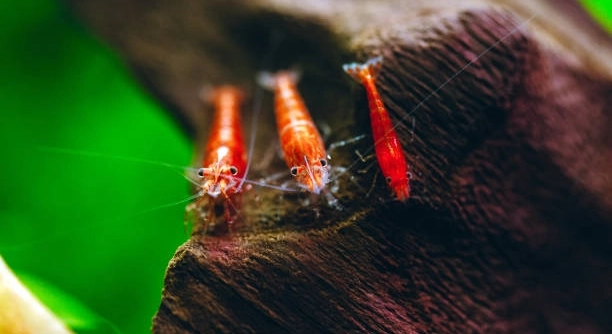
Cherry shrimp are small, delicate creatures that brighten aquariums with their vivid colors. Many aquarium enthusiasts find themselves observing these tiny animals and noticing their subtle movements and behaviors throughout the day.
Cherry shrimp may display behaviors that appear curious, such as approaching the glass or following movement near the tank. These actions are primarily responses to environmental stimuli, light changes, or food presence rather than conscious observation of humans.
Observing their habits can provide insights into their health and needs, offering a more engaging and attentive aquarium experience.
Understanding Cherry Shrimp Behavior
Cherry shrimp often move slowly along plants and decorations, pausing frequently as they graze on biofilm or algae. Their movements may seem deliberate, giving the impression they are inspecting their surroundings. In reality, these behaviors are part of their feeding and maintenance routines. They respond to vibrations, light changes, and the presence of food more than human interaction. Some may approach the glass, appearing attentive, but this is usually a reaction to movement or reflections. Over time, shrimp can become accustomed to human presence, reducing stress when someone is near the tank. Observing them regularly helps recognize normal behavior and detect signs of illness or stress, such as unusual hiding, lack of movement, or faded color. Adjusting water parameters, maintaining clean tanks, and providing adequate hiding spots ensures they remain active and healthy. Their subtle behaviors can be fascinating when studied patiently.
Their movements are guided mainly by instincts and environmental cues rather than conscious interest in people.
By understanding the triggers for their behavior, it is easier to create a stable environment. Feeding schedules, water temperature, and gentle handling all contribute to their comfort. Cherry shrimp communicate with subtle signals such as antennal flicking or body posture, which can indicate readiness to molt or stress levels. Observing these cues improves care and enhances the tank’s overall ecosystem. Providing plants and moss encourages natural foraging, and hiding spots reduce stress. Transparent or lightly colored tanks allow easy observation without causing alarm. Over time, consistent care results in more confident shrimp that move freely, displaying natural colors and patterns. Learning to interpret these small gestures helps maintain a balanced environment. By paying attention to their daily routines, you can better support their health and foster a more dynamic tank.
Signs of Shrimp Curiosity
Some shrimp hover near glass or slowly follow movements outside the tank, giving an impression of attentiveness.
These behaviors are responses to stimuli such as light changes, shadows, or potential food. Over time, shrimp may appear more interactive when they associate movement with feeding, yet their actions remain instinctual rather than consciously investigative. Observing these responses can be rewarding, helping understand their subtle communication and routine.
Interactions with cherry shrimp are subtle and often overlooked. They use antennae to explore surfaces and detect chemical changes in the water. Movement near the tank can trigger their approach, but it is primarily a search for food or environmental assessment. Shrimp molt regularly, and during these times, their behavior may change, becoming more reclusive or cautious. Proper nutrition, water quality, and tank layout influence activity levels and apparent attentiveness. While they may seem to watch, their behavior is mostly adaptive, not intentional observation. Over months of careful monitoring, patterns emerge, revealing how shrimp react to light, motion, and feeding. Observing these small signals enhances understanding of their needs, encourages healthier shrimp, and creates a more engaging tank environment.
How Shrimp React to Movement
Cherry shrimp often move toward sudden motions near the tank, mostly to investigate potential food. Their approach is cautious and slow, reflecting a balance between curiosity and self-protection instincts. Not all shrimp respond the same way; some remain hidden while others explore.
They use antennae to sense vibrations and chemical cues in the water. When a hand approaches the tank or objects are moved, shrimp may drift closer or retreat depending on previous experiences. Repeated exposure to gentle motion can make them more comfortable, reducing stress and encouraging natural foraging behavior. Over time, shrimp may associate human presence with feeding, gradually showing less hesitation and more active movement around the tank.
Shrimp responses are also influenced by tank setup and environmental consistency. Plants, hiding spots, and clean water make them more confident and willing to explore. A well-balanced diet encourages activity, and maintaining steady water parameters prevents erratic or defensive behavior. Observing their reactions closely allows adjustments that improve both their comfort and overall activity levels in the aquarium.
Interpreting Shrimp Signals
Antennae movement and slight body shifts indicate shrimp awareness of their surroundings. These subtle signs show how they gather information from their environment.
Shrimp communicate and react through small movements. Antennae flicking, tail adjustments, and gentle swimming changes reflect responses to stimuli such as water changes, light, and nearby motion. These behaviors help them locate food, detect other shrimp, and navigate safely. Understanding these signals provides insight into their comfort level and health, guiding proper tank management.
Noticing patterns in these movements can reveal preferences and stress triggers. Shrimp may change positions frequently to find ideal hiding spots or adjust for water current. They use tactile and chemical senses to explore surfaces, plants, and decorations. A sudden lack of activity or repetitive motion may signal stress, water imbalance, or molting. Tracking these signals allows proactive care adjustments, enhancing shrimp well-being. Observing their subtle communications over time improves understanding of behavior, helps anticipate needs, and promotes a stable, comfortable habitat for them to thrive.
Responses to Feeding
Cherry shrimp become noticeably more active when food is introduced. They quickly move toward the source, using antennae to locate tiny particles. This behavior is consistent across healthy shrimp, showing instinctual awareness rather than conscious observation of humans.
Feeding also encourages social interactions among shrimp. They may gather in clusters, competing gently for food. Observing these moments helps assess both activity levels and overall health, as lethargic shrimp may indicate stress or water issues.
Environmental Factors Affecting Behavior
Water temperature, pH levels, and tank decorations significantly influence shrimp activity. Stable conditions reduce stress and allow shrimp to explore confidently. Plants and moss provide natural hiding spots, which enhance comfort and encourage natural behaviors. Sudden changes in light or movement can trigger cautious retreat.
Shrimp Molting and Sensitivity
During molting, cherry shrimp are highly sensitive. They hide more frequently and move slower, focusing on safely shedding their exoskeleton. Monitoring this period ensures proper care and minimal disturbance.
FAQ
Do cherry shrimp really notice humans?
Cherry shrimp do not consciously observe humans, but they react to movements outside their tank. Vibrations, shadows, and changes in light trigger their responses. When they approach the glass or seem attentive, it is usually a reaction to potential food, reflections, or environmental stimuli rather than curiosity about people.
Why do some shrimp follow my hand near the tank?
Shrimp may move toward your hand because they associate movement with feeding. Over time, they learn to recognize gentle motion as a sign of food. This behavior is instinctive and based on their need to find nourishment, not an intentional attempt to interact with humans.
How can I tell if shrimp are stressed by my presence?
Signs of stress include hiding constantly, rapid swimming, fading colors, or refusing to eat. Sudden water changes, poor water quality, or excessive movement outside the tank can increase stress. Maintaining stable conditions and observing their reactions carefully helps reduce unnecessary stress.
Do cherry shrimp show different behaviors at night?
Yes, many shrimp are more active during low light conditions. They forage quietly on plants and decorations, relying on their antennae to sense food and surroundings. Nighttime activity is natural and allows them to explore with less risk of disturbance.
Can shrimp recognize regular feeding patterns?
They can learn to associate certain times or actions with food. Repeated exposure to consistent feeding schedules allows shrimp to respond more actively when food is presented. While they do not understand time in a human sense, they adapt to environmental cues and routine events.
Why do shrimp sometimes approach the glass for no reason?
Approaching the glass often occurs because of reflections, movement, or light changes. Shrimp are sensitive to their environment and investigate anything unusual. This behavior is a normal part of their survival instincts and does not indicate awareness of humans in the same way pets like cats or dogs perceive people.
How do tank setup and decorations affect shrimp behavior?
Providing plants, moss, and hiding spots encourages natural behavior, reduces stress, and increases exploration. Open spaces near the glass allow observation but should be balanced with cover to make shrimp feel safe. A well-arranged tank improves confidence and encourages healthy movement patterns.
Do shrimp interact with each other in noticeable ways?
Yes, they communicate through small gestures like antennal flicks, gentle nudges, and positioning. These interactions indicate dominance, mating readiness, or cooperative foraging. Observing these subtle behaviors can help identify social dynamics, health issues, or changes in comfort levels within the tank.
Are there signs that indicate shrimp are curious about their surroundings?
Curiosity in shrimp manifests as slow, deliberate exploration using antennae and legs. They inspect surfaces, plants, and decorations, often lingering over areas with biofilm or algae. This behavior is motivated by survival instincts and feeding needs rather than conscious thought about humans.
How can I encourage natural shrimp behavior?
Maintaining consistent water parameters, providing live plants, and offering varied foods promote activity and exploration. Minimizing sudden movements, loud noises, or drastic lighting changes allows shrimp to act naturally and reduces stress. Careful observation helps identify behaviors and maintain a healthy, balanced environment for all inhabitants.
What should I avoid doing around my shrimp?
Rapid movements, tapping on the glass, or frequent disturbances can cause stress. Avoid overfeeding and sudden water changes, which disrupt their routine. Respecting their environment and maintaining stability ensures shrimp remain active, healthy, and able to express natural behaviors consistently.
Can shrimp differentiate between humans and other animals?
Shrimp do not have the capacity to recognize humans as distinct beings. They respond primarily to visual and vibrational cues. Larger fish or pets outside the tank may trigger similar alert or avoidance behaviors. Their reactions are instinctive and survival-driven rather than based on recognition or curiosity about specific animals.
Why do shrimp sometimes ignore me completely?
Individual shrimp have varying temperaments. Some are naturally shy or more cautious, choosing to stay hidden even during feeding. Environmental factors like light, temperature, and tank layout influence visibility and movement. Patience and consistent care are key to observing more active shrimp behaviors.
Do shrimp enjoy interaction with humans?
Shrimp do not experience enjoyment from human interaction. Positive responses, such as approaching the glass, are driven by instincts for food or environmental exploration. Interaction is limited to their natural behaviors, and observing these actions should be done without forcing contact or handling.
How often should I monitor shrimp behavior?
Daily observation is recommended to track health, activity, and environmental comfort. Noting changes in movement, coloration, or social interaction helps prevent issues before they become serious. Consistent monitoring ensures shrimp thrive while maintaining a balanced tank ecosystem.
Are shrimp more active in groups?
Yes, shrimp activity often increases in groups. Social behavior includes cooperative foraging and synchronized movement. Isolated shrimp may be less active and more cautious. Group dynamics contribute to natural behaviors and encourage exploration of their habitat while maintaining a sense of safety.
What are common misconceptions about shrimp curiosity?
Many assume shrimp actively watch humans out of interest, but most actions are reactions to stimuli. Movement near the tank or reflections often triggers responses. Understanding the difference between instinctive behavior and conscious awareness clarifies their actions and helps manage expectations for observing shrimp.
Can shrimp become accustomed to regular human presence?
Yes, repeated exposure to calm, gentle observation can reduce stress. They may move more freely and forage openly when humans are nearby. This habituation does not indicate recognition but reflects adaptation to predictable environmental stimuli and routine behaviors.
What is the best way to encourage safe observation?
Minimize sudden movements, maintain stable water conditions, and provide plants for cover. Approach the tank slowly and consistently to allow shrimp to act naturally. Observing their subtle behaviors provides insight into health and comfort without causing unnecessary stress or disruption.
How do environmental changes affect shrimp curiosity-like behaviors?
Changes in temperature, pH, or light can alter activity levels, making shrimp either more cautious or temporarily inactive. Gradual adjustments and careful monitoring support natural behavior. Providing consistent conditions encourages exploration while minimizing stress, ensuring shrimp remain comfortable and active in their habitat.
Are all shrimp equally responsive to stimuli?
No, responsiveness varies by age, temperament, and health. Younger or more active shrimp may investigate movement frequently, while older or shy individuals prefer to hide. Understanding these differences allows better tank management and improves observation of their natural behavior patterns.
How can I tell if shrimp are healthy while observing these behaviors?
Active exploration, vibrant coloration, regular feeding, and social interaction indicate good health. Signs of lethargy, faded colors, or unusual hiding suggest water issues, disease, or stress. Monitoring these behaviors alongside tank conditions ensures shrimp remain in optimal health.
Can feeding frequency influence shrimp approach behaviors?
Yes, shrimp quickly learn to associate certain times or actions with food. Regular feeding schedules increase responsiveness and activity near the tank. Inconsistent feeding may result in cautious or erratic behavior. Predictable routines help shrimp feel secure and encourage natural exploration.
Do shrimp ever exhibit playful behavior?
Shrimp do not play in the human sense. Some movements may appear playful, like chasing each other or exploring new surfaces, but these are instinctive behaviors for feeding, navigation, or social interaction rather than entertainment.
Is it possible to overstimulate shrimp?
Yes, excessive tapping on the glass, frequent movement near the tank, or sudden environmental changes can cause stress. Overstimulation may lead to hiding, reduced feeding, or molting issues. Maintaining a calm, consistent environment supports healthy behavior and natural activity.
How do molting periods affect observation opportunities?
During molting, shrimp retreat to safe areas and move less. Observing them during this period should be minimal to prevent stress. Post-molt, shrimp gradually return to normal activity, providing an opportunity to observe natural behaviors in a low-stress environment.
What role does lighting play in shrimp behavior?
Lighting influences activity levels and exploration. Bright or sudden lights can cause hiding, while gradual changes or low light encourage natural movement. Proper lighting supports feeding patterns, plant growth, and stress reduction, improving overall shrimp well-being.
Can shrimp behavior indicate water quality problems?
Yes, reduced activity, faded colors, and excessive hiding often signal poor water conditions. Observing changes in behavior helps identify issues early, prompting testing and adjustments to parameters like temperature, pH, and ammonia levels to maintain a healthy tank environment.
Do shrimp remember previous stimuli or experiences?
Shrimp do not have memory in the human sense but can adapt to repeated patterns. Consistent feeding, gentle movement near the tank, and environmental stability help them respond predictably, reducing stress and encouraging natural behaviors.
How do I track shrimp behaviors effectively?
Keep a log of activity, feeding response, social interaction, and reactions to environmental changes. Recording observations over time helps identify trends, detect potential health issues, and improve tank management for optimal shrimp welfare.
Are there differences in behavior between species of shrimp?
Yes, different shrimp species have varying activity levels, social tendencies, and sensitivity to stimuli. Cherry shrimp are generally more active and social, while other species may be shy or territorial. Understanding species-specific behavior helps provide appropriate care and observation strategies.
How can I create a balanced environment for shrimp?
Stable water conditions, proper filtration, live plants, hiding spots, and regular feeding encourage natural behaviors. Reducing sudden movements, loud noises, and drastic lighting changes allows shrimp to explore confidently, remain active, and maintain overall health.
What is the best approach to interacting with shrimp safely?
Observation without touching, maintaining a calm presence, and ensuring stable tank conditions allow shrimp to act naturally. Gentle, consistent routines foster comfort, encourage exploration, and prevent unnecessary stress while providing insight into their behaviors.
How do shrimp communicate subtle needs?
Through antennal flicks, tail movements, and positioning, shrimp signal stress, readiness to molt, or social interactions. Recognizing these cues helps adjust care, monitor health, and maintain a balanced tank environment.
Can shrimp behavior predict molting times?
Yes, changes in activity, hiding, and antennal movement often precede molting. Observing these signs allows preparation, such as providing safe spaces, ensuring optimal water parameters, and minimizing disturbance during this vulnerable period.
Do shrimp ever display territorial behavior?
Cherry shrimp are generally non-aggressive but may show mild dominance during feeding. Clustering, gentle nudges, and positioning indicate competition for resources rather than true territoriality. Awareness of these interactions helps maintain a balanced tank dynamic.
How important is consistency in tank maintenance for behavior?
Consistency in water quality, temperature, lighting, and feeding ensures predictable behavior patterns, reduces stress, and encourages natural exploration. Irregular maintenance can lead to hiding, lethargy, or erratic movement, negatively affecting shrimp health and observation opportunities.
Can shrimp behavior change with age?
Yes, younger shrimp are more active and exploratory, while older shrimp may move slower and hide more. Monitoring behavior across life stages ensures proper care and adjusts expectations for activity, feeding, and social interaction.
How do shrimp respond to sudden vibrations or taps?
They typically retreat or freeze in place, reflecting natural survival instincts. Repeated disturbances can increase stress, reduce activity, and affect feeding. Minimizing sudden environmental changes supports healthy, predictable behaviors.
Are there ways to enrich shrimp tanks for activity?
Providing live plants, moss, and textured surfaces encourages exploration and natural grazing. Adding gentle water flow and hiding spots increases confidence, activity, and natural behavior expression, promoting a dynamic yet safe environment.
Do shrimp show preferences for certain areas of the tank?
Yes, they often favor areas with food sources, cover, and comfortable water flow. Observing these preferences helps arrange plants and decorations to support natural behaviors and reduce stress.
How can I differentiate between normal and abnormal shrimp behavior?
Normal behaviors include grazing, exploring, gentle social interactions, and movement toward light or food. Abnormal behaviors include excessive hiding, color fading, lethargy, or erratic swimming. Monitoring patterns over time allows identification of health or environmental issues.
Can shrimp adapt to human presence over time?
Repeated, gentle exposure helps shrimp tolerate nearby movement without stress. This adaptation increases visibility and activity, but responses remain instinctive rather than conscious recognition. Patience and consistency are key to fostering this adjustment.
What is the best way to encourage natural foraging behavior?
Providing live plants, moss, algae, and varied foods supports instinctive grazing. Minimal disturbance, consistent feeding, and maintaining water quality allow shrimp to explore naturally while fulfilling dietary needs.
Do shrimp ever interact with objects in the tank outside feeding?
Yes, they explore surfaces, decorations, and plant leaves to locate algae and biofilm. This behavior is driven by instinct and survival, allowing them to assess safe areas and resources within the tank.
Are there seasonal changes that affect shrimp behavior?
Water temperature fluctuations and lighting changes can alter activity. Gradual adjustments maintain comfort, prevent stress, and support natural routines regardless of external seasonal influences.
Can shrimp behavior indicate social hierarchy?
Subtle interactions like positioning during feeding or nudging can indicate mild dominance. Observing these behaviors helps understand group dynamics and ensures balanced care without overcrowding or competition stress.
Do shrimp react differently to various types of food?
Yes, shrimp respond more quickly to preferred foods like algae wafers, blanched vegetables, or biofilm-rich surfaces. Offering variety encourages activity, healthy grazing, and natural foraging behaviors.
How do I minimize stress while observing shrimp?
Approach slowly, avoid tapping or sudden movements, and maintain stable tank conditions. Observing quietly ensures shrimp act naturally, supporting healthy behavior patterns and overall well-being.
Can shrimp behavior help identify water parameter issues?
Yes, changes in movement, hiding, and feeding often indicate stress from pH, ammonia, or temperature fluctuations. Monitoring behavior alongside regular water testing allows timely adjustments to maintain a healthy environment.
Do shrimp respond to tank mates differently than to humans?
Yes, interactions with other shrimp or tank mates are instinctive, driven by competition, mating, or social dynamics. Responses to humans are limited to movement or reflections, primarily linked to food or environmental stimuli.
How important is observation for long-term shrimp health?
Regular observation allows early detection of stress, illness, or environmental problems. Tracking patterns and behaviors ensures timely interventions, promoting longevity and natural activity in a safe, well-maintained tank.
Can shrimp learn to ignore repetitive stimuli?
Yes, repeated, non-threatening exposure, like gentle hand movements near the tank, can lead to habituation. Shrimp respond less strongly over time, allowing more natural behavior while reducing stress responses.
What is the best approach to monitoring social interactions?
Observe feeding, clustering, and antennal communication without interference. Document patterns and responses to changes in the environment to maintain balance, prevent stress, and ensure healthy group dynamics.
Do shrimp have preferred hiding spots?
Yes, they often retreat to plants, moss, and tank decorations during stress or molting. Recognizing preferred locations helps arrange the tank for safety and encourages exploration while reducing tension.
How does water current affect shrimp behavior?
Moderate water flow promotes foraging and movement, while strong currents may stress shrimp, causing hiding or fatigue. Adjusting flow carefully ensures a comfortable environment for natural activity.
Can observing shrimp help improve tank management?
Yes, behavioral observation reveals health, stress, feeding habits, and social dynamics. Using this information supports adjustments in water quality, decoration placement, feeding schedules, and overall care practices.
How do I know when shrimp are comfortable with their environment?
Active exploration, regular grazing, bright coloration, and natural social interactions indicate comfort. Shy or hiding shrimp may need adjustments to tank layout, water parameters, or feeding routines.
Do shrimp ever ignore food if stressed?
Yes, stress from poor water conditions, overcrowding, or frequent disturbances can reduce feeding. Ensuring a stable, safe environment encourages normal foraging and proper nutrition.
How can I encourage confident movement?
Provide hiding spots, maintain clean water, offer varied foods, and minimize sudden disturbances. Gradual habituation to nearby presence allows shrimp to explore naturally without stress.
Are shrimp more active in planted or bare tanks?
Planted tanks encourage natural behaviors like grazing, hiding, and exploration. Bare tanks may reduce activity due to lack of cover and environmental enrichment, leading to stress or lethargy.
Can shrimp show signs of learning?
While shrimp do not learn in a human sense, they can adapt to routine patterns, such as regular feeding or repeated safe stimuli. This adaptation reduces stress and encourages more consistent natural behavior.
Do shrimp interact with tank mates during feeding?
Yes, gentle nudging, clustering, and competition for food are common. These interactions are natural, instinct-driven behaviors that help maintain group dynamics and ensure all shrimp access resources.
How does tank size influence behavior?
Larger tanks allow more exploration, reduced competition, and safer hiding spots, promoting natural behavior. Smaller tanks may limit movement, increase stress, and amplify social competition.
Can shrimp behavior indicate illness?
Yes, sudden inactivity, fading colors, erratic swimming, or refusal to eat often signals illness or poor water conditions. Early detection through observation supports timely intervention and recovery.
Do shrimp respond differently to reflections versus actual movement?
Reflections can trigger approach or investigation similar to real objects. They respond primarily to visual cues and vibrations, so mirrored movements may appear like curiosity but are instinctual reactions.
Are shrimp more active with certain substrates?
Fine gravel, sand, or mossy surfaces encourage natural grazing and exploration. Rough or bare substrates may limit activity or cause stress. Matching substrate to natural foraging behavior supports healthier, more active shrimp.
Do shrimp remember specific locations in the tank?
They adapt to layout over time, returning to favored feeding or hiding spots. This behavior reflects environmental familiarity rather than conscious memory, helping them navigate safely and find resources efficiently.
How do shrimp respond to new additions in the tank?
Shrimp often investigate new decorations, plants, or tank mates cautiously. They use antennae and slow movements to assess safety. Gradual introductions reduce stress and encourage exploration while maintaining natural behavior patterns.
Can shrimp behavior indicate molting readiness?
Yes, increased hiding, slower movement, and frequent antennal flicking often precede molting. Observing these signs ensures safe conditions and reduces disturbance during this vulnerable period.
Do shrimp interact with algae differently than with prepared foods?
Algae foraging is instinctive and allows natural grazing behaviors. Prepared foods stimulate activity but may not satisfy natural instincts fully. Offering a mix ensures balanced nutrition and encourages natural behaviors.
Are some shrimp more responsive than others?
Individual temperament varies. Some shrimp are bold and explore frequently, while others are shy and cautious. Recognizing these differences helps provide appropriate care and observation for each shrimp.
Do shrimp ever signal discomfort?
Subtle movements like flicking antennae, curling, or retreating indicate stress or irritation. Observing these signals allows adjustments to water quality, tank layout, or feeding practices to improve comfort.
How important is gentle observation for long-term health?
Careful, consistent observation allows early detection of stress
Cherry shrimp are small, delicate creatures that offer a unique glimpse into underwater life. Their behaviors are subtle, often going unnoticed unless observed carefully over time. These shrimp respond primarily to environmental cues such as light, vibrations, water movement, and food. Approaching the glass or drifting closer to movement may appear like curiosity, but these actions are instinctual, designed to ensure safety and locate resources. Over time, repeated exposure to gentle, predictable stimuli can lead to shrimp that are less stressed and more active, allowing for easier observation of their natural behavior. Understanding the distinction between instinctive responses and conscious attention helps manage expectations while caring for them. Their small size and careful movements make them fascinating to watch, but they rely entirely on the tank environment for comfort, nourishment, and protection.
Proper care is essential for maintaining healthy and active shrimp. Stable water parameters, consistent feeding routines, and the inclusion of plants, moss, and hiding spots all contribute to their well-being. Shrimp are sensitive to sudden changes in temperature, pH, or lighting, and these can cause stress, hiding, or unusual behavior. Observing shrimp behavior regularly allows early detection of health concerns such as molting problems, lethargy, or color fading. Social dynamics within the tank also affect activity levels, as some shrimp are naturally shy while others are bolder and more exploratory. By maintaining a consistent environment and observing daily patterns, it is possible to provide conditions where shrimp can express natural behaviors. Encouraging grazing, exploration, and interaction within the tank supports their physical health while also offering an engaging experience for observers.
Spending time watching cherry shrimp can be rewarding and informative. Their small, deliberate movements, antennal flicking, and grazing provide insight into their needs and habits. While they do not consciously recognize humans, they adapt to regular, calm presence near the tank and may appear more confident over time. Recognizing the signs of stress or comfort allows adjustments to water conditions, feeding, and tank setup, promoting a safer and more comfortable habitat. Careful observation also highlights differences among individual shrimp, revealing variations in activity, temperament, and responses to environmental stimuli. Providing a balanced environment encourages shrimp to remain active, explore freely, and maintain healthy social interactions. Overall, understanding their behaviors, needs, and subtle signals ensures that shrimp thrive, while also offering a window into the quiet, intricate life within a well-maintained aquarium.

Hello,
If you enjoy the content that we create, please consider saying a "Thank You!" by leaving a tip.
Every little bit helps us continue crafting quality advice that supports the health, happiness, and well-being of pets around the world, for pets of all shapes, sizes, and species.
We really appreciate the kindness and support that you show us!