
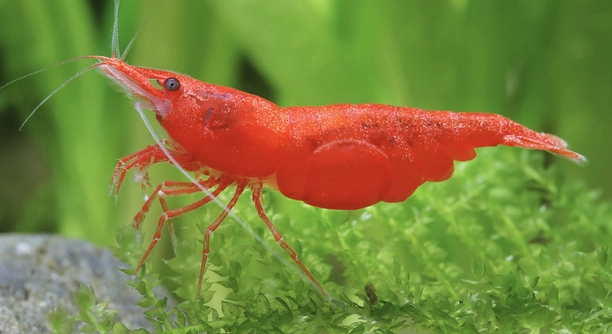
Is your cherry shrimp constantly clinging to bubbles in your aquarium? This unusual behavior can be surprising for shrimp keepers. Observing them can reveal subtle signs of their health, environment, and natural instincts in their tank.
Cherry shrimp often cling to bubbles due to low oxygen levels, water surface tension, or exposure to stressors in their environment. They may use bubbles as temporary refuges to access oxygen or stabilize themselves while molting.
Understanding why your shrimp seek bubbles can improve their care and tank conditions. We will explore the main causes and solutions to help your shrimp thrive.
Why Cherry Shrimp Cling to Bubbles
Cherry shrimp often cling to bubbles as a response to environmental conditions. Low oxygen in the water can make them seek bubbles at the surface, which provide easier access to oxygen. Water chemistry also plays a role, as high ammonia or nitrite levels can stress shrimp and trigger unusual behavior. Stress from sudden changes in temperature or water parameters may cause them to cling to floating objects, including bubbles. Young or molting shrimp are particularly vulnerable and may use bubbles for stability. Overcrowding can increase stress, forcing shrimp to find temporary refuge wherever they can. Even mild infections or irritants on the shrimp’s body can lead them to stick to bubbles, as it gives them a sense of security. Observing this behavior regularly can indicate that adjustments are needed to improve water quality and overall shrimp health.
Monitoring water and tank conditions is key to preventing repeated bubble-clinging. Regular checks ensure shrimp comfort.
Adjusting oxygen levels, performing frequent water changes, and reducing sudden environmental stressors can drastically improve shrimp behavior. Providing plants and hiding spots allows shrimp to feel secure without relying on bubbles. Balancing population density also helps minimize stress. Regular testing for ammonia, nitrites, and nitrates keeps water safe. Maintaining a stable temperature reduces shock and promotes natural behavior. Observing shrimp during molting ensures they are not struggling and can access proper shelter. Gentle aeration can help maintain oxygen without overwhelming the shrimp. Gradual changes in water chemistry prevent sudden stress responses. Over time, these small adjustments lead to calmer, healthier shrimp, reducing their need to cling to bubbles. Consistency in tank care ensures they thrive and display natural activity patterns.
Bubble Formation and Water Quality
Bubbles form naturally in aquariums due to surface agitation and aeration. They are harmless but can attract shrimp seeking oxygen or stability.
Water quality directly affects bubble-related behavior. Low oxygen, high waste, or sudden chemical changes stress shrimp. Tanks with inadequate filtration or limited water circulation often produce more surface bubbles, which shrimp may cling to for comfort. Frequent water testing for ammonia, nitrites, nitrates, and pH is essential. Overfeeding can also increase organic waste, reducing oxygen levels and encouraging bubble clinging. Live plants can improve oxygenation but need balanced light and nutrients. Even minor temperature fluctuations can reduce dissolved oxygen, making shrimp more likely to cling to bubbles. Ensuring proper tank maintenance, including partial water changes and gentle aeration, minimizes these risks. Providing hiding spots and a stable environment supports natural shrimp behavior and reduces their reliance on bubbles as temporary refuges. Consistent observation allows timely corrections and maintains a healthy, calm tank environment.
Molting and Bubble Clinging
During molting, cherry shrimp are especially vulnerable. They may cling to bubbles to stabilize themselves while shedding their exoskeleton. This behavior is natural and helps them avoid falling or getting trapped during this sensitive process.
Molting is a critical phase for shrimp. When a cherry shrimp prepares to molt, it becomes softer and slower, making it more susceptible to stress or injury. Clinging to bubbles can provide temporary support and safety, allowing them to complete the process without struggling. Providing hiding spots and ensuring water quality is stable reduces stress and encourages successful molting. Poor water conditions or overcrowding can disrupt molting, so monitoring these factors is essential.
After molting, shrimp may continue to interact with bubbles briefly. This behavior often diminishes as they regain strength and mobility. Observing shrimp during this time helps ensure they recover fully, maintain normal activity, and avoid unnecessary stress. Proper nutrition also supports a healthy exoskeleton, reducing repeated bubble-clinging.
Stress and Environmental Factors
Shrimp often cling to bubbles when stressed by sudden environmental changes, such as temperature shifts or chemical imbalances.
Stress can arise from numerous sources, including overcrowding, aggressive tankmates, or sudden fluctuations in pH, ammonia, or nitrite levels. Cherry shrimp are sensitive to these changes and may seek bubbles to access oxygen or maintain balance. Low oxygen levels, often caused by insufficient aeration or overfeeding, can increase this behavior. Even small disturbances, like adding new plants or rearranging decorations, can trigger bubble-clinging temporarily. Consistent water maintenance, gentle handling, and stable tank conditions help minimize stress, encouraging shrimp to display natural swimming and foraging behaviors rather than relying on surface bubbles for safety.
Oxygen Levels and Tank Circulation
Low oxygen levels can cause shrimp to cling to bubbles as they try to reach areas with more airflow. Poor circulation makes it harder for oxygen to spread evenly, increasing surface activity and stressing the shrimp over time.
Improving circulation with gentle aeration and proper filtration helps distribute oxygen more effectively. Stable water movement also prevents stagnant areas that make shrimp uncomfortable. Keeping the tank clean and avoiding excess waste supports better oxygen levels and reduces bubble-related behavior.
Water Parameters and Stability
Unstable water parameters often push shrimp to unusual behaviors, including clinging to bubbles. Ammonia or nitrite spikes can irritate their bodies, while sudden pH shifts add unnecessary stress. Keeping water conditions steady through regular testing and moderate water changes promotes calm shrimp behavior and reduces reliance on surface bubbles for comfort.
Food, Waste, and Overfeeding
Excess food breaks down quickly and impacts water quality, making shrimp uncomfortable. Reducing feeding amounts and removing leftover food helps maintain cleaner water and minimizes bubble-clinging caused by poor conditions.
FAQ
Why does my cherry shrimp stay near the surface?
Cherry shrimp often move toward the surface when oxygen levels are low or when circulation is weak. The surface provides easier access to oxygen, so they may stay there until conditions improve. This behavior can also appear after sudden changes in water temperature or chemistry. If shrimp gather near the top frequently, it usually signals that the tank needs better aeration, reduced waste, or more stable parameters. Observing this behavior closely helps determine whether it is temporary or a sign of deeper issues within the aquarium environment.
Is clinging to bubbles always a bad sign?
Clinging to bubbles is not always harmful, but it often indicates that something in the tank needs attention. Shrimp may cling to bubbles during molting or when adjusting to new surroundings, which can be normal for short periods. However, if the behavior becomes frequent, it may signal stress from poor water quality, low oxygen levels, overcrowding, or sudden parameter changes. Paying attention to patterns helps identify when simple adjustments are enough or when more thorough care is needed to restore balance.
Can poor aeration affect shrimp behavior?
Poor aeration affects shrimp quickly because it reduces dissolved oxygen. Shrimp are sensitive to oxygen levels, and low amounts can push them toward the surface or make them cling to bubbles. Improving aeration with an airstone, sponge filter, or gentle circulation device helps distribute oxygen evenly. Balanced aeration also prevents stagnant areas that make shrimp uncomfortable. Maintaining good airflow supports steady behavior and reduces stress in the tank.
How do water parameters influence bubble-clinging?
Water parameters play a major role in how shrimp behave. Ammonia, nitrites, and sudden pH shifts can irritate their bodies and cause them to seek stability wherever they can, including bubbles. Shrimp react strongly to even small parameter changes, so consistency matters. Testing water regularly helps catch issues early. Performing moderate water changes, avoiding overfeeding, and removing waste strengthen overall stability. When the water remains steady, shrimp feel more comfortable and show natural activity instead of clinging to surfaces.
Does overfeeding cause shrimp to cling to bubbles?
Overfeeding contributes to bubble-clinging by lowering water quality. Excess food breaks down into waste that consumes oxygen and increases ammonia. As conditions worsen, shrimp may search for areas with more oxygen, including the surface. Keeping feeding amounts small and removing leftovers helps maintain clearer water. Clean water keeps shrimp relaxed and reduces their need to cling to bubbles for comfort.
Why do shrimp cling to bubbles during molting?
Shrimp cling to bubbles during molting because they are fragile and need extra support while shedding their exoskeleton. The bubbles offer a light resting point where they can stay balanced. This behavior is generally temporary and fades once the shrimp finishes molting. Ensuring good water conditions and providing hiding spots supports successful molts.
Can temperature changes make shrimp cling to bubbles?
Temperature shifts can reduce oxygen levels and stress shrimp, causing them to cling to bubbles. Warm water holds less oxygen, so shrimp may struggle more during sudden increases. Keeping the tank at a stable temperature helps maintain consistent oxygen levels. Gradual adjustments and monitoring prevent stress responses that lead to bubble-clinging.
How can I reduce bubble-related behavior in my tank?
Reducing bubble-clinging involves improving oxygen levels, maintaining stable parameters, and minimizing stress. Gentle aeration, regular water changes, and careful feeding all play important roles. Adding live plants, maintaining good filtration, and avoiding sudden changes help shrimp feel safe. Consistency keeps them active and reduces their reliance on bubbles.
Final Thoughts
Caring for cherry shrimp becomes much easier once you understand the signals they show through their behavior. When they cling to bubbles or stay near the surface, they are responding to something in their environment that feels uncomfortable or unstable. This simple behavior can tell you a great deal about oxygen levels, water quality, or changes happening in the tank. Paying attention to these signs helps you respond early, which keeps your shrimp healthier and prevents small issues from turning into larger problems. With steady care and a calm environment, cherry shrimp settle into natural routines that highlight their active and delicate nature. They rely on consistency, gentle adjustments, and clean surroundings to stay steady and comfortable.
Creating a stable setup is one of the most effective ways to keep your shrimp from showing repeated signs of stress. Small steps like maintaining gentle aeration, removing leftover food, and keeping the water free of sudden shifts can make a noticeable difference. These adjustments help reduce the conditions that push shrimp to cling to bubbles or gather at the surface. Over time, you begin to notice how much their confidence changes when the tank feels balanced. They explore more, graze on surfaces, and move around with ease. A stable environment also supports healthy molting, which is a sensitive part of their lives. When they feel secure, they complete this process without needing to rely on bubbles or other surfaces for extra support. Simple habits, done consistently, keep their environment safe and predictable.
Observing your shrimp with a calm and steady mindset helps you learn their patterns and notice small shifts in behavior. This awareness makes it easier to offer the care they need right when they need it. Cherry shrimp are small, but their signals are clear when you take the time to watch them closely. When the tank is clean, the water is stable, and the oxygen is steady, they thrive and show the peaceful behavior many keepers enjoy. Their comfort comes from the balance you build for them. With patience and consistent care, they reward you with active movement, bright coloration, and natural routines that reflect a well-maintained tank. Focusing on their environment, rather than only their behavior, allows them to grow and live comfortably without relying on bubbles for support or safety.

Hello,
If you enjoy the content that we create, please consider saying a "Thank You!" by leaving a tip.
Every little bit helps us continue crafting quality advice that supports the health, happiness, and well-being of pets around the world, for pets of all shapes, sizes, and species.
We really appreciate the kindness and support that you show us!