
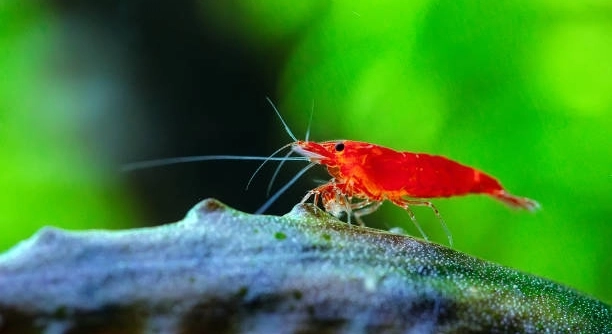
Have you ever watched your cherry shrimp move through the tank and noticed how they explore every corner with quiet determination? Their small, delicate bodies navigate plants, rocks, and hiding spots with surprising attentiveness and care.
Cherry shrimp display naturally inquisitive behavior. They actively explore their surroundings, investigate objects, and respond to changes in their environment. This consistent engagement indicates a basic level of curiosity essential for survival and environmental awareness.
Observing their movements more closely can reveal patterns of interest and interaction within their tiny aquatic world.
How Cherry Shrimp Explore Their Environment
Cherry shrimp are constantly on the move, scanning their surroundings for food and safe spaces. They use their tiny antennae to feel surfaces and detect changes in the water. Rocks, plants, and tank decorations are investigated carefully, sometimes repeatedly, as if they are learning the layout. Even small disturbances, like a sudden movement outside the tank, can catch their attention. They may pause, retract slightly, then resume exploration, showing a cautious yet persistent approach. Observing them over days reveals patterns in their behavior: they often return to preferred hiding spots or feeding areas but still check unfamiliar spaces. This constant examination helps them adapt to changes, find food efficiently, and avoid potential threats. It also shows that even small aquatic creatures engage actively with their surroundings rather than simply reacting to them. Watching these behaviors can be surprisingly engaging, giving insight into their adaptive strategies and individual personalities within the tank.
Their exploration is deliberate, showing a mix of caution and curiosity. They rarely act randomly and often revisit areas multiple times.
Repeated observations indicate that cherry shrimp learn from their environment, remember safe areas, and adjust behavior when conditions change. This learning is slow but consistent, demonstrating a form of memory and spatial awareness. They interact with both natural and artificial tank elements, inspecting each carefully. Their careful approach reduces risk from sudden movements or potential threats while maximizing access to food sources. Group behavior can also influence individual actions; shrimp may follow others to new locations, especially when sensing safety or abundant food. Over time, this behavior helps maintain a balanced ecosystem within the tank, as shrimp avoid dangerous areas while exploring productive spaces. Understanding these patterns can improve tank design and feeding practices, creating an environment that encourages natural activity while minimizing stress. Simple adjustments, such as adding varied hiding spots or placing food in multiple locations, can enrich their environment and stimulate their curiosity effectively.
Interaction with Tank Mates
Cherry shrimp observe and respond to other inhabitants carefully. They approach cautiously, often retreating if larger species come near.
Interaction with tank mates shapes their exploration and social behavior. In peaceful communities, shrimp become bolder, exploring open areas more freely and interacting with other shrimp more frequently. Stressful or aggressive neighbors, however, cause them to hide more often, limiting movement and exploration. Social hierarchy among shrimp can also be subtle but noticeable; dominant individuals may have priority over prime hiding spots or food, while subordinate shrimp wait or explore less contested areas. Observing these interactions helps in predicting their activity levels and comfort within the tank. Adjusting population density, providing adequate shelters, and ensuring compatible species all contribute to healthier shrimp behavior. Their interactions not only reflect curiosity but also practical survival instincts, balancing exploration with safety. By paying attention to these dynamics, aquarists can create a more stable and engaging habitat, encouraging shrimp to display natural behaviors more consistently.
Feeding Habits and Curiosity
Cherry shrimp approach food cautiously, using their antennae to sense it before eating. They may nibble small portions at a time, returning repeatedly to the same spot, showing careful and deliberate feeding behavior.
Feeding stimulates their natural curiosity. When food is added, shrimp investigate each new piece individually, often testing it before committing to eating. They may explore surrounding areas, checking for other food particles or opportunities. Even familiar foods get inspected carefully, suggesting that they are constantly evaluating their environment. This behavior ensures they consume safe and suitable items while avoiding potentially harmful substances. Over time, shrimp may learn which areas are most productive and return there consistently, showing memory and environmental awareness in action.
Observing feeding habits can reveal individual differences. Some shrimp are bolder and quickly approach new foods, while others are slower and more cautious. These differences affect how they interact with tank mates during feeding and how efficiently they find and consume food. Adjusting feeding routines and offering a variety of foods can help accommodate these individual tendencies. It also provides a way to monitor shrimp health, as changes in appetite or hesitation may indicate stress or illness. Their methodical approach reflects both curiosity and survival instincts, combining careful observation with practical decision-making.
Environmental Enrichment
Providing varied surfaces and hiding spots encourages active exploration. Shrimp inspect plants, rocks, and decorations, often repeatedly returning to favored areas.
Environmental enrichment increases shrimp activity and stimulates natural behaviors. Adding moss, driftwood, and small caves allows shrimp to explore and interact with their surroundings more fully. Shrimp use these features to hide, forage, and navigate, which keeps them engaged and reduces stress. Varying textures and arrangements can prompt shrimp to investigate continuously, enhancing both mental and physical stimulation. Careful placement of these elements can also prevent territorial conflicts and create safe zones, giving each shrimp a chance to explore without pressure. Over time, enriched environments promote healthier shrimp that display more consistent and observable behaviors, reflecting their natural curiosity and adaptability.
Response to Light and Movement
Cherry shrimp react to changes in light and movement quickly. They often pause or retreat when sudden shadows appear, showing caution while remaining aware of their environment.
Gradual changes in lighting encourage exploration. Shrimp adjust their activity patterns according to brightness, moving more freely under stable conditions and hiding when light shifts abruptly.
Molting and Behavioral Shifts
Molting affects shrimp behavior noticeably. Before shedding, they often hide more, reduce movement, and stay close to secure spots to avoid stress or potential threats.
Signs of Curiosity in Daily Activity
Cherry shrimp interact with objects in the tank, tapping surfaces and investigating crevices. These behaviors indicate a consistent engagement with their environment.
FAQ
Do cherry shrimp recognize their owners?
Cherry shrimp do not recognize humans the way pets like dogs or cats do. However, they can become accustomed to regular activity near the tank. They may respond to movement or feeding routines by coming closer to investigate, showing a form of recognition based on patterns rather than faces. This behavior is more about curiosity and learned associations than attachment. Over time, shrimp may anticipate feeding times or respond to gentle movements, which can make it feel as though they know you, but it is largely a response to environmental cues.
How can I encourage my shrimp to explore more?
Providing a variety of hiding spots and textured surfaces encourages exploration. Adding moss, driftwood, and small decorations creates new areas for shrimp to inspect. Frequent minor rearrangements of the tank layout stimulate natural curiosity, prompting shrimp to investigate changes. Offering small amounts of food in different areas also encourages movement and observation. Environmental enrichment reduces stress and encourages natural behaviors like foraging and interaction with tank mates. Monitoring their responses can help identify which changes are most engaging, ensuring they remain active and healthy. Consistency in water parameters supports safe exploration.
Are cherry shrimp social creatures?
Yes, they display social behaviors, especially among their own species. They often follow one another to food sources and share hiding spaces. Social interactions help them learn which areas are safe and which contain food. Shrimp use body language and antennae contact to communicate subtly with one another. Crowded tanks or aggressive neighbors can inhibit exploration, while peaceful companions encourage activity and curiosity. Observing group dynamics can reveal dominant and subordinate behaviors and may affect feeding order and territory usage. Ensuring an adequate number of shelters and space supports healthy social interaction.
Do cherry shrimp explore differently in planted versus bare tanks?
Shrimp explore planted tanks more actively than bare ones. Plants provide both food sources and shelter, giving them reasons to investigate constantly. Bare tanks reduce opportunities for hiding and enrichment, making shrimp more cautious or less active. Moss, floating plants, and small leaves offer cover while allowing shrimp to forage. Varied textures, heights, and surfaces promote curiosity and natural behaviors. Even small decorations in a bare tank can simulate this effect. A well-planted environment helps shrimp develop consistent exploration patterns, reduces stress, and allows observation of natural foraging and investigative behaviors.
Can cherry shrimp learn from experience?
Yes, shrimp demonstrate learning and memory in subtle ways. They remember safe hiding spots, feeding areas, and potential threats. Repeated exposure to the same stimuli results in faster and more confident exploration. Shrimp may also adjust behavior based on previous encounters, such as avoiding areas where they experienced stress or returning to locations where food was consistently found. Their learning is gradual but evident when observing repeated patterns of movement and cautious experimentation. Providing opportunities for safe exploration reinforces these natural tendencies and supports mental stimulation.
Why do some shrimp appear more curious than others?
Individual differences affect shrimp behavior. Some are naturally bolder, approaching new objects and areas quickly, while others are cautious and investigate slowly. Factors influencing curiosity include age, health, molting cycles, and tank conditions. Observing individual tendencies can help manage feeding and tank enrichment, ensuring all shrimp have opportunities to explore safely. Group dynamics and interactions with tank mates also influence individual behavior, with some shrimp following bolder companions while others wait and watch. Adjusting the environment to balance safety and stimulation supports healthy curiosity for all shrimp.
How does feeding influence curiosity?
Feeding directly stimulates investigative behavior. Shrimp approach new food cautiously, using antennae to sense it before consuming. Spreading food in different areas encourages exploration and movement, reinforcing curiosity. Changes in food type or placement promote natural foraging patterns. Feeding routines create predictable cues, helping shrimp anticipate food while still engaging in active investigation. Observing feeding behaviors offers insights into health and environmental comfort. Active shrimp during feeding generally indicate a well-maintained tank with balanced conditions. Feeding is both a practical necessity and an opportunity to observe and encourage natural inquisitive behaviors.
Do cherry shrimp react to changes in water conditions?
Yes, they are sensitive to temperature, pH, and chemical changes. Sudden shifts can cause hiding, reduced movement, or avoidance of certain areas. Maintaining stable water conditions supports natural exploration and curiosity. Gradual adjustments may allow shrimp to acclimate without stress. Observing reactions to environmental changes can provide early signs of discomfort or potential health issues, allowing proactive management to maintain both curiosity and well-being.
Is it safe to add new decorations to encourage exploration?
Yes, adding decorations can boost curiosity if introduced carefully. Smooth, non-toxic materials prevent injury, and gradual placement reduces stress. Rearranging existing elements or adding small features keeps shrimp engaged, encouraging inspection and exploration. Observing reactions after changes ensures safety and helps gauge interest. Avoid sharp edges or unstable structures to maintain a secure environment. Regularly rotating decorations or introducing new textures and shapes stimulates ongoing investigation, supporting mental and physical activity in a safe and controlled manner.
How can I tell if a shrimp’s curiosity is healthy?
Healthy curiosity is marked by consistent exploration, regular feeding behavior, and interactions with tank mates. Shrimp that actively inspect their environment, approach food, and navigate hiding spots are displaying normal, healthy behaviors. Reduced movement, prolonged hiding, or avoidance of previously visited areas may indicate stress, illness, or poor water conditions. Monitoring these behaviors helps ensure that curiosity remains balanced and safe, allowing shrimp to thrive while displaying natural investigative tendencies.
Final Thoughts
Cherry shrimp are small but surprisingly active and inquisitive creatures. Their constant movement, careful inspection of objects, and interaction with their surroundings show a natural curiosity that is easy to observe. This behavior is not random; it reflects both survival instincts and the shrimp’s ability to adapt to changes in their environment. Watching them explore rocks, plants, and decorations demonstrates that even tiny aquatic animals are capable of thoughtful investigation. They use their antennae to sense surfaces, tap on objects to check for safety, and return to preferred hiding spots or feeding areas. These repeated behaviors show that shrimp are learning about their environment and adjusting their actions to optimize safety and food access. Observing this level of interaction can be both calming and fascinating, offering a closer look at the life of these small, delicate creatures.
Their curiosity also plays an important role in their overall health. Active shrimp that explore their tank regularly tend to have better access to food, experience less stress, and display stronger immune responses. Environmental enrichment, such as plants, moss, and hiding spots, encourages this behavior while keeping them mentally stimulated. Without such enrichment, shrimp may become more cautious or inactive, which can affect feeding and growth. Even small changes, like adding a new decoration or adjusting the placement of existing objects, can encourage more exploration and activity. Monitoring their behavior provides valuable insight into their well-being, helping identify if conditions in the tank are favorable. Consistent observation of shrimp behaviors, especially in response to feeding, tank mates, and environmental changes, allows for proactive care, ensuring they remain healthy, active, and engaged.
Finally, understanding and appreciating the natural curiosity of cherry shrimp makes maintaining a tank more rewarding. Their investigative habits reveal individual personalities, as some shrimp are bolder while others are more cautious, and these differences can influence how they interact with the tank environment and each other. Recognizing these behaviors allows for adjustments in feeding, enrichment, and tank layout to suit their needs better. By paying attention to the small details in their daily activity, caretakers can create a balanced environment that encourages exploration, reduces stress, and supports natural behaviors. Cherry shrimp may be tiny, but their curiosity, careful movements, and adaptive learning make them fascinating to observe. Ensuring they have a safe, enriched environment allows them to thrive and display their natural inquisitiveness in ways that are both predictable and surprising. Observing these creatures over time builds a greater understanding of their needs and behaviors, making tank management both practical and engaging.

Hello,
If you enjoy the content that we create, please consider saying a "Thank You!" by leaving a tip.
Every little bit helps us continue crafting quality advice that supports the health, happiness, and well-being of pets around the world, for pets of all shapes, sizes, and species.
We really appreciate the kindness and support that you show us!