
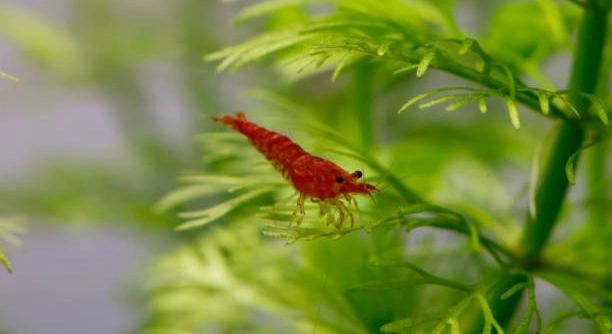
Do you ever notice your shrimp acting sluggish or hiding, making you think they might be sick? Many shrimp display unusual behaviors that can look like illness but are actually normal responses to their environment.
Shrimp often exhibit behaviors that mimic sickness, such as hiding, flicking, or reduced movement, yet these actions can be natural reactions to stress, molting, or water changes. Recognizing these patterns helps differentiate between real health issues and harmless behavior.
Understanding these subtle signs will help you care for your shrimp more confidently and maintain a healthy aquarium environment.
Hiding in Corners
Shrimp often retreat to the corners of the tank or hide under decorations. This behavior is especially common after water changes or when new tank mates are introduced. While it can look like illness, it is usually a response to stress. Shy shrimp may spend hours in a secluded spot, conserving energy and avoiding potential threats. Molting can also cause hiding, as shrimp are vulnerable during this time. Observing their patterns over several days can help determine if the behavior is normal. Changes in lighting or sudden loud noises can also trigger this response. Tank conditions play a significant role; even small shifts in temperature or pH can make shrimp more cautious. Some species are naturally more reserved, and their hiding habits are a normal part of their behavior. Providing adequate shelters helps them feel secure and reduces unnecessary stress. Over time, these shrimp will gradually return to more visible areas.
This hiding is usually temporary and harmless, indicating a natural need for security rather than illness.
Giving your shrimp places to retreat allows them to molt safely and reduces stress-related behaviors, improving overall tank harmony.
Flicking or Sudden Movements
Shrimp sometimes flick their tails or move abruptly across the tank.
These quick movements are often a reaction to environmental stimuli such as water currents, light changes, or sudden vibrations. Flicking may appear like distress, but it is typically a defensive or exploratory response. Stress from new tank mates can also trigger this behavior. Even feeding times can cause sudden bursts of motion, as shrimp compete or react to the movement of food. Observing frequency and context helps distinguish normal flicking from signs of genuine health issues. Some shrimp species are naturally more skittish and show these movements regularly. Maintaining stable tank conditions reduces excessive flicking and ensures a calmer environment.
Over time, consistent observation allows owners to recognize patterns. Regular monitoring of water parameters and tank activity can prevent misinterpretation of these behaviors. Knowing that flicking is often harmless improves confidence in shrimp care. Adjusting the tank layout, adding gentle water flow, and limiting sudden disturbances minimizes unnecessary stress. By understanding these movements, you can focus on true signs of health concerns, such as discoloration or lethargy. This awareness ensures shrimp remain active, safe, and comfortable, allowing you to enjoy watching them without constant worry.
Loss of Appetite
Shrimp may stop eating for short periods, especially during molting or stress. A brief loss of appetite is not necessarily a sign of illness and often resolves naturally.
During molting, shrimp are vulnerable and may avoid food to focus on growing a new shell. Stress from sudden water changes, new tank mates, or temperature shifts can also reduce feeding temporarily. Observing shrimp over several days helps determine whether the behavior is normal. If they resume eating after a short period, there is usually no cause for concern. Maintaining stable water conditions and providing a consistent feeding schedule encourages healthy eating habits.
Some shrimp naturally have slower metabolisms or prefer grazing at different times. Offering a variety of foods, including algae wafers or blanched vegetables, can encourage eating. Avoid overfeeding, as uneaten food can pollute the tank, adding stress. Tracking behavior and water parameters ensures shrimp remain healthy during periods of reduced appetite. Patience is key, as most shrimp return to normal feeding routines without intervention.
Color Changes
Shrimp sometimes display temporary color changes due to stress, diet, or lighting conditions. These shifts do not always indicate illness and can be normal adjustments.
Lighting intensity and duration can affect how shrimp colors appear. A sudden change in tank lighting or exposure to direct sunlight can make colors appear dull or darker. Diet also influences pigmentation; shrimp fed a variety of foods with carotenoids often display more vibrant colors. Stress from handling or tank disturbances can cause temporary fading. Observing whether color returns to normal over a few days helps distinguish harmless changes from health issues. Consistent water parameters, gentle handling, and a balanced diet support stable coloration.
Stress-related color changes are usually temporary and reversible once the environment stabilizes. Excessive fading may indicate poor water quality or insufficient nutrition. Monitoring these factors ensures shrimp retain their natural hues. Some species naturally vary in coloration depending on mood, age, or breeding cycles. Adjusting diet with high-quality foods and maintaining stable tank conditions encourages vibrant, healthy shrimp colors over time. Color changes often serve as signals of environmental adaptation rather than illness.
Molting Behavior
Shrimp may hide or appear sluggish when preparing to molt. This behavior is normal and necessary for growth.
During molting, shrimp are vulnerable and need quiet, safe spaces. Avoid disturbing them and maintain stable tank conditions to ensure a smooth molting process.
Climbing and Clinging
Shrimp sometimes climb plants or cling to decorations, which can look unusual. This behavior often occurs when they are exploring or cleaning themselves. Regular observation helps determine if it is harmless activity or related to environmental stress.
Erratic Swimming
Shrimp occasionally swim in short bursts or in unusual patterns. This can be caused by minor changes in water flow, temperature, or lighting. These movements are often normal and not a sign of illness.
Resting Periods
Shrimp may remain still for extended periods, appearing inactive. This resting is natural and allows them to conserve energy, especially after feeding or molting.
FAQ
Why is my shrimp hiding all the time?
Hiding is one of the most common behaviors in shrimp and usually isn’t a sign of illness. Shrimp often retreat to corners or under decorations when they feel stressed, after water changes, or during molting. Some species are naturally more reserved and spend most of their time out of sight. Ensuring there are plenty of hiding spots in the tank helps shrimp feel secure. Observing them over several days usually shows that they return to more visible areas once they feel safe.
Is it normal for shrimp to stop eating?
A temporary loss of appetite is common, particularly during molting or after stress, such as sudden changes in water parameters or new tank mates. Shrimp will often resume eating on their own after a few days. Providing a variety of foods and maintaining stable water conditions supports healthy feeding habits. Avoid overfeeding, as uneaten food can degrade water quality and create unnecessary stress. Slow or picky eaters may simply prefer grazing on algae or biofilm instead of commercial food.
Why does my shrimp change color?
Shrimp can change color temporarily due to lighting, diet, or stress. Sudden changes in tank lighting or exposure to bright light may make their colors appear dull. Diet plays a big role; foods rich in carotenoids enhance pigmentation. Stress from handling or tank disturbances can also cause temporary fading. Usually, shrimp regain their normal coloration once the environment stabilizes. Observing them closely over several days helps determine if color changes are harmless or require attention. Consistent feeding and stable water parameters support vibrant, healthy shrimp colors.
What causes shrimp to flick or move suddenly?
Quick movements and flicking tails are often normal reactions to water currents, vibrations, or changes in light. These sudden movements may appear concerning but are typically defensive or exploratory responses. Stress from new tank mates or disturbances can also trigger flicking. Monitoring the context and frequency of these movements helps distinguish normal behavior from real health problems. Adjusting water flow, providing hiding spots, and maintaining a calm environment can reduce excessive flicking. Some species are naturally skittish and will show this behavior regularly without being ill.
Are long resting periods a problem?
Shrimp often remain still for extended periods, especially after feeding or during molting. Resting allows them to conserve energy and recover from stress. In most cases, inactivity is completely normal. It becomes a concern only when it is accompanied by discoloration, damaged limbs, or lack of response to stimuli. Observing shrimp over time ensures that long rest periods are natural and not a sign of illness. Providing safe areas for resting, along with stable water conditions, helps shrimp maintain regular energy levels.
Why do shrimp climb plants or decorations?
Climbing or clinging is common, particularly when shrimp are exploring, grazing, or cleaning themselves. These movements can look unusual but are normal. Shrimp may also climb to escape water currents or reach higher surfaces for safety. Consistent observation helps distinguish harmless activity from behaviors caused by stress or poor water quality. Maintaining stable conditions and offering plants or smooth decorations allows shrimp to explore safely and reduces unnecessary stress.
How can I tell if my shrimp is really sick?
True illness often presents with multiple signs, such as lethargy combined with discoloration, missing limbs, unusual spots, or rapid gill movement. Behavioral changes alone, like hiding, flicking, or resting, are not always indicators of disease. Regularly testing water parameters, monitoring behavior patterns, and observing for physical abnormalities are the best ways to detect health problems. Providing a clean, stable environment and proper nutrition keeps shrimp healthy and reduces the risk of real illness.
Do environmental changes affect shrimp behavior?
Yes, even minor changes in temperature, pH, or water hardness can affect shrimp activity. They may hide, stop eating, or change color temporarily. Observing shrimp behavior alongside water parameters helps differentiate normal adaptation from potential health issues. Gradual adjustments minimize stress and maintain a stable, healthy aquarium environment.
How often should I check on my shrimp?
Daily observation is ideal to notice subtle changes in behavior or appearance. Regular checks help identify normal patterns like hiding or resting, as well as any signs of illness. Consistent monitoring ensures shrimp remain healthy and that environmental adjustments can be made promptly.
Can diet impact shrimp behavior?
Yes, a varied diet encourages normal activity and vibrant coloration. Shrimp grazing on algae, biofilm, or high-quality commercial foods maintain energy levels and proper health. Poor nutrition can cause lethargy, fading colors, and reduced feeding activity. Offering different foods ensures shrimp remain active and healthy.
Shrimp are fascinating little creatures, and their behavior can sometimes be confusing for anyone keeping an aquarium. Many of the actions that look like illness are actually perfectly normal ways shrimp respond to their environment. Hiding in corners, flicking their tails, or resting for long periods are behaviors that serve important purposes, such as conserving energy, protecting themselves during vulnerable times, or adjusting to changes in their tank. Understanding that these behaviors are often natural helps remove unnecessary worry and allows you to focus on providing a stable, healthy environment for them. Observing your shrimp regularly and learning their individual patterns can make it much easier to tell the difference between harmless behaviors and actual health issues.
A lot of behaviors in shrimp are influenced by their environment. Changes in lighting, temperature, water flow, or the introduction of new tank mates can all cause shrimp to act in ways that appear abnormal. Even small dietary changes can affect their color, activity, or feeding habits. Molting is another major factor in shrimp behavior. During this time, they may hide, eat less, or become less active. While this might seem alarming at first, it is a natural and necessary process for their growth and development. Ensuring that the tank is stable, with clean water and enough hiding spots, helps shrimp feel secure and reduces stress-related behaviors. Over time, most shrimp will return to their normal routines once they feel safe and comfortable in their surroundings.
Recognizing normal shrimp behavior takes patience and observation. Temporary color changes, flicking movements, or periods of inactivity are usually nothing to worry about, but they are worth noting to understand your shrimp better. Maintaining consistent water parameters, providing a balanced diet, and offering plenty of spaces to hide are the best ways to support their overall well-being. Learning these subtle signs not only keeps your shrimp healthy but also makes caring for them more rewarding. When shrimp are thriving, active, and displaying their natural colors, it reflects that the environment you’ve created meets their needs. With a little attention and patience, you can enjoy watching your shrimp behave naturally without unnecessary concern, appreciating their unique habits as part of their normal, healthy lifestyle.

Hello,
If you enjoy the content that we create, please consider saying a "Thank You!" by leaving a tip.
Every little bit helps us continue crafting quality advice that supports the health, happiness, and well-being of pets around the world, for pets of all shapes, sizes, and species.
We really appreciate the kindness and support that you show us!