
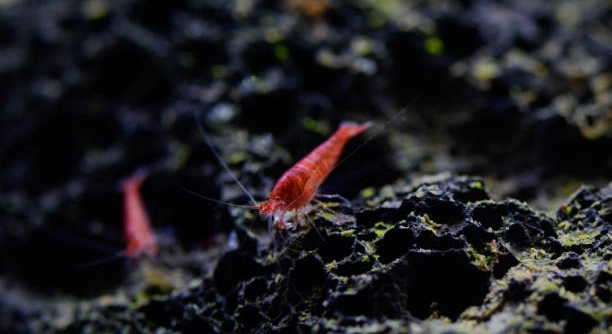
Are your cherry shrimp hiding in the corners of the tank and showing signs of stress? Nervous shrimp can make it hard to enjoy watching your aquarium. Their behavior often signals that something in their environment needs adjustment.
The main causes of nervous behavior in cherry shrimp include sudden water parameter changes, inadequate hiding spaces, poor tank maintenance, and overly bright lighting. Addressing these issues with consistent care and a structured environment helps stabilize their behavior and reduces stress effectively.
By making small, deliberate changes, you can help your shrimp feel secure and more active in their home. Simple adjustments often lead to noticeable improvements quickly.
Provide Plenty of Hiding Spots
Cherry shrimp feel safer when they have places to retreat. Moss, plants, and small decorations create areas where they can hide and explore at their own pace. Adding hiding spots reduces stress, especially after water changes or when new tank mates are introduced. Shrimp often dart back and forth or freeze when they feel exposed, which can be unsettling to watch. By offering multiple options for cover, you give them a sense of security and control over their environment. Rocks, driftwood, and artificial caves work well alongside live plants. Even small shrimp caves or PVC tubes can be used to create hiding zones. Overcrowding hiding spots can also be counterproductive, so it’s important to strike a balance. Observing how your shrimp interact with their spaces can help you decide if more or fewer spots are needed. Comfortable shrimp are more active, healthier, and easier to care for.
Adding more hiding areas makes your shrimp less skittish and more likely to explore the tank.
Consistent observation helps determine which hiding spots are favored and which remain unused. Plants like java moss or anubias allow shrimp to graze and feel safe at the same time. Using varying heights and textures encourages natural behavior. Some shrimp prefer flat surfaces while others like enclosed spaces. Rotating decorations or changing the tank layout slightly can keep their environment stimulating without overwhelming them. Over time, a well-structured tank with accessible hiding spots reduces stress and promotes overall well-being.
Maintain Stable Water Conditions
Cherry shrimp are sensitive to rapid changes in temperature, pH, and ammonia levels. Even minor fluctuations can cause skittish behavior, making them hide more than usual. Regular monitoring helps prevent stress and keeps shrimp active.
Testing water weekly and performing consistent partial water changes ensures stability and safety. Using dechlorinated water that matches tank parameters supports their comfort.
Sudden changes in water chemistry can trigger stress responses, including hiding, erratic swimming, and reduced feeding. Maintaining consistent temperature between 72–78°F and pH around 6.5–7.5 is ideal. Avoid large water changes at once; instead, gradually replace 10–20% weekly to reduce shock. Shrimp are sensitive to ammonia and nitrite spikes, so testing kits and proper filtration are essential. Keeping the tank free from accumulated waste and uneaten food further stabilizes conditions. When moving shrimp between tanks, acclimate them slowly to prevent sudden parameter shifts. Stability in water conditions allows shrimp to establish routines, feed comfortably, and exhibit natural behavior. The less they are exposed to sudden changes, the calmer and healthier they remain, making the tank a more enjoyable space to watch and maintain.
Adjust Lighting
Bright lights can make cherry shrimp nervous and hide frequently. Dimming the light or providing shaded areas reduces stress. Gradually acclimating shrimp to stronger lighting helps them adapt without sudden fear.
Some shrimp prefer low or diffused lighting, especially in heavily planted tanks. Using floating plants or moss can soften harsh overhead lights. LED lighting on a timer allows for consistent light cycles, mimicking natural conditions. Avoid turning lights on and off abruptly, as this startles shrimp. Consistent lighting promotes regular activity, encourages feeding, and reduces hiding behavior. Watching shrimp interact under proper lighting helps determine if adjustments are needed. Balanced lighting ensures they remain visible, active, and healthy, without overwhelming their senses.
Over time, properly adjusted lighting improves shrimp confidence. They become more comfortable exploring the tank and interacting with their environment. Regular observation allows you to maintain the right light balance for long-term comfort.
Keep Tankmates Peaceful
Aggressive or fast-moving fish can scare cherry shrimp and cause constant hiding. Choosing calm, non-predatory tankmates ensures shrimp feel safe and can feed without fear.
Peaceful species like small tetras, rasboras, or snails coexist well with shrimp. Avoid large or territorial fish that nip at fins or chase shrimp.
Even with calm tankmates, crowded conditions can still cause stress. Maintaining adequate space, hiding spots, and stable water conditions reduces tension. Observing interactions daily helps identify if any tankmates are causing anxiety. Shrimp are more active and healthier in a calm community, and their natural behaviors are easier to notice. A well-planned tank with compatible species minimizes fear, increases visibility, and supports breeding if desired. Adjusting stocking levels and monitoring fish behavior are simple ways to create a peaceful environment for your shrimp.
Avoid Overfeeding
Overfeeding can cause water quality issues that stress cherry shrimp. Excess food decomposes, raising ammonia and nitrite levels, which makes shrimp hide and reduces activity. Feeding small amounts once or twice a day keeps the tank cleaner and shrimp healthier.
Shrimp often graze continuously, so only provide what they can consume within a few hours. Uneaten food should be removed promptly to prevent water contamination and maintain stability. Proper feeding encourages natural behavior and keeps the shrimp calm.
Introduce Driftwood and Plants
Adding driftwood and live plants creates natural hiding spots and surfaces for grazing. Moss, ferns, and anubias offer both cover and food sources. Shrimp feel safer and display more natural behavior when they have structured areas to explore.
Keep Noise and Vibrations Low
Loud noises or vibrations can startle shrimp, causing them to dart or hide. Placing the tank in a stable, quiet location reduces stress and helps them remain active and calm.
FAQ
Why are my cherry shrimp always hiding?
Shrimp hide when they feel unsafe or stressed. Common reasons include sudden changes in water parameters, bright lighting, aggressive tankmates, or lack of hiding spaces. Overcrowded tanks and poor water quality also contribute. By addressing these factors, you can create a calm environment that encourages them to explore more.
How do I know if my shrimp are stressed?
Signs of stress include constant hiding, erratic swimming, reduced feeding, and faded colors. Stress may also cause molting problems or lethargy. Observing behavior and tank conditions regularly helps you identify stress early and make adjustments before it affects their health.
What is the ideal water condition for cherry shrimp?
Cherry shrimp thrive in water temperatures between 72–78°F, pH 6.5–7.5, and low levels of ammonia and nitrites. Consistent water parameters prevent stress and encourage active behavior. Using a reliable test kit and performing regular partial water changes ensures stability.
Can tankmates cause nervous behavior?
Yes. Fast-moving or aggressive fish scare shrimp, making them hide constantly. Peaceful species like small tetras, rasboras, or snails are better suited for shrimp tanks. Ensuring adequate space and hiding spots further reduces fear. Observing interactions helps identify any problematic tankmates.
How do hiding spots affect shrimp behavior?
Hiding spots provide security and reduce stress. Moss, plants, driftwood, and small caves give shrimp places to retreat. Shrimp feel safer and are more likely to explore when they have multiple options for cover. Rotating or rearranging decorations can also stimulate activity without overwhelming them.
Does lighting impact shrimp nervousness?
Bright or sudden lighting can make shrimp skittish. Using dim or diffused lighting, floating plants, or a light timer helps maintain a natural day-night cycle. Gradual changes allow shrimp to acclimate without stress, making them more active and comfortable.
How often should I feed cherry shrimp?
Feed small amounts once or twice a day. Shrimp graze continuously, so they do not need large portions. Remove uneaten food after a few hours to prevent water quality issues. Balanced feeding encourages healthy growth and reduces stress.
Can water changes stress shrimp?
Sudden or large water changes can cause shock. Gradual partial changes of 10–20% weekly maintain stability. Matching water temperature and parameters to the tank helps shrimp adapt smoothly. Consistent maintenance prevents nervous behavior caused by rapid environmental shifts.
Why do shrimp hide after molting?
Molting makes shrimp vulnerable. They hide to avoid potential threats while their new exoskeleton hardens. Providing secure hiding spots ensures they complete molting safely and recover without stress. Observing this behavior is normal and indicates healthy growth.
Are there ways to make shrimp more confident?
Yes. Stabilize water conditions, provide hiding spots, adjust lighting, keep peaceful tankmates, and feed appropriately. Small, deliberate changes over time help shrimp feel secure. Observing their behavior allows you to refine their environment for long-term comfort and activity.
How can I reduce vibrations and sudden disturbances?
Place the tank on a stable surface away from high-traffic areas. Avoid tapping on the glass or sudden movements nearby. Reducing external vibrations helps shrimp feel safe and encourages natural exploration. Consistency in their surroundings supports calm behavior and reduces stress.
Do plants help reduce shrimp stress?
Live plants offer both shelter and grazing surfaces, which make shrimp feel secure. Moss, anubias, ferns, and floating plants create varied environments, helping shrimp remain active and relaxed. Healthy plants also improve water quality, supporting overall well-being.
Can I mix different shrimp species safely?
Some species coexist well, while others may compete for food or territory. Research compatibility and observe interactions. Providing enough space and resources reduces stress and prevents aggressive behavior. Mixing species carefully allows a peaceful, diverse tank.
How long does it take for nervous shrimp to settle?
Shrimp adjust at different rates, often depending on tank conditions and individual temperament. With proper hiding spots, stable water, gentle lighting, and calm tankmates, most shrimp become noticeably calmer within a few days to weeks. Patience and observation are key.
Are there signs that my tank setup needs changes?
Frequent hiding, erratic swimming, reduced feeding, faded colors, or molting issues indicate environmental stress. Adjusting hiding spots, water parameters, lighting, and tankmate selection helps shrimp regain confidence and promotes healthy behavior. Regular monitoring ensures long-term stability.
Does temperature affect shrimp nervousness?
Yes. Sudden drops or spikes can stress shrimp. Keeping water between 72–78°F with minimal fluctuations maintains activity and comfort. Gradual acclimation is important when introducing new water or moving shrimp to prevent shock. Stable temperature encourages normal behavior and reduces hiding.
How can I tell if my shrimp are eating enough?
Active grazing, vibrant color, and occasional feeding at the surface indicate proper nutrition. If shrimp hide constantly and food remains untouched, adjust feeding amounts, frequency, or location. Balanced diet and access to biofilm or algae support health and confidence.
Are decorations important for shrimp comfort?
Decorations provide hiding spaces and help establish territory. Driftwood, rocks, and caves create secure zones and reduce stress. Proper layout encourages exploration while keeping shrimp confident. Observing how shrimp interact with decorations helps optimize the tank for activity and well-being.
What steps prevent sudden stress in shrimp?
Maintain stable water, provide hiding spots, keep calm tankmates, adjust lighting gradually, and feed appropriately. Minimizing external disturbances, vibrations, or sudden changes ensures shrimp feel secure. Regular observation allows for timely adjustments, keeping shrimp active and relaxed.
Can water additives affect shrimp behavior?
Yes. Harsh chemicals, unconditioned water, or sudden parameter shifts can stress shrimp. Use dechlorinated, balanced water and avoid unnecessary additives. Proper care supports natural behavior and reduces nervousness.
How do I know if my shrimp tank is thriving?
Shrimp explore, graze, molt successfully, display bright colors, and interact with their environment. Calm, active shrimp indicate a well-balanced tank. Stable water conditions, adequate hiding spots, and peaceful tankmates create an environment that supports long-term health and natural behavior.
What is the most effective way to calm nervous shrimp?
A combination of stable water, proper hiding spots, peaceful tankmates, controlled lighting, gentle feeding, and minimal disturbances ensures shrimp feel secure. Small, consistent improvements over time help them become active and confident, creating a stress-free and enjoyable tank environment.
Cherry shrimp are small, delicate creatures that respond quickly to changes in their environment. Their nervous behavior often reflects stress from water quality, lighting, tankmates, or lack of hiding spaces. By observing their daily behavior and noting patterns, you can identify which factors are affecting them. Stress may appear as constant hiding, erratic swimming, or reduced feeding, but these behaviors can be mitigated with thoughtful care. Simple adjustments, like adding more plants, providing driftwood, or ensuring a stable water environment, often have immediate effects. Shrimp need a sense of safety and control to feel comfortable, and a carefully structured tank helps them thrive. Watching how they interact with their surroundings can provide insight into their comfort levels and reveal areas where improvements are needed. Small changes can lead to big differences in their activity, coloration, and overall health.
Maintaining stable water conditions is one of the most important aspects of keeping cherry shrimp calm. Temperature, pH, and levels of ammonia, nitrite, and nitrate must be closely monitored. Sudden changes in these parameters can quickly cause stress and hide-and-seek behavior. Regular partial water changes, careful acclimation of new water, and the use of dechlorinated water help maintain consistency. Feeding should be controlled, offering only what shrimp can consume within a few hours to prevent water contamination. Overfeeding leads to waste buildup, which affects water quality and increases stress. Calm tankmates, along with quiet placement of the tank away from vibrations and sudden disturbances, further enhance their sense of security. Proper lighting is also crucial; shrimp prefer dim or diffused lighting, and sudden bright lights can trigger hiding behavior. Gradual adjustments and consistent routines make the tank a predictable and safe space for them.
Creating an environment that supports calm and active behavior requires attention to detail and patience. Hiding spots, such as moss, plants, driftwood, and small caves, give shrimp places to retreat when they feel threatened. Observing how they interact with these spots can help determine if the tank layout is suitable or needs modification. Over time, stable water conditions, appropriate lighting, gentle feeding, and peaceful tankmates all work together to reduce nervous behavior. A well-planned tank allows shrimp to explore naturally, molt safely, and feed without fear. By implementing these measures, you create a balanced environment that encourages healthy behavior, promotes confidence, and supports long-term well-being. Consistent care and observation not only improve shrimp activity but also make the tank a more enjoyable and visually engaging space to maintain. This attention to their needs ensures that your cherry shrimp remain comfortable, active, and thriving in their aquatic home.

Hello,
If you enjoy the content that we create, please consider saying a "Thank You!" by leaving a tip.
Every little bit helps us continue crafting quality advice that supports the health, happiness, and well-being of pets around the world, for pets of all shapes, sizes, and species.
We really appreciate the kindness and support that you show us!