
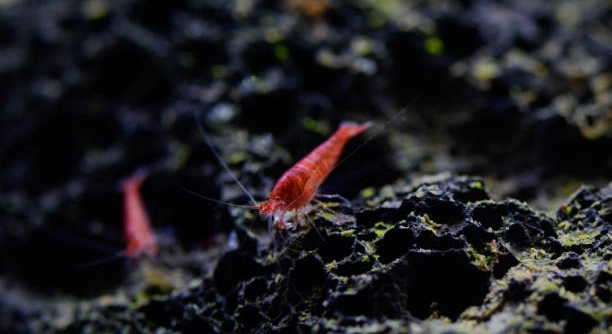
Do you ever notice your cherry shrimp moving slowly around the tank and wonder if they are completely at ease? Observing them can be relaxing, and their calm behavior often makes the aquarium feel peaceful and inviting.
Cherry shrimp can indeed become too comfortable in a tank. Excessive comfort may reduce their activity, limit natural foraging behaviors, and cause an imbalance in tank dynamics, potentially affecting both their health and the overall ecosystem stability.
Understanding how comfort affects shrimp behavior can help you maintain a healthier, more active aquarium and support your shrimp’s long-term wellbeing.
Signs Your Cherry Shrimp Are Too Comfortable
When cherry shrimp feel overly secure in a tank, their behavior can shift in subtle ways. They may spend long periods hiding or resting instead of exploring, grazing, or interacting with their environment. Overly calm shrimp can stop foraging as actively, which can affect their diet and growth. You might notice that shrimp linger in the same area of the tank for hours or ignore newly introduced algae or plant surfaces. Some shrimp may also become less responsive to changes in the tank, such as feeding times or minor water adjustments. While they are not stressed, their inactivity can reduce the natural balance in the aquarium. Over time, this comfort can slow population growth, as they may reproduce less often. Observing these signs early helps you adjust tank conditions to encourage natural activity, keeping both shrimp and plants healthier.
Even if your shrimp appear relaxed, inactivity could mean they are too comfortable. Subtle changes can improve engagement.
Adjusting the environment slightly can reintroduce stimulation. Adding new plants, rearranging decorations, or introducing gentle currents encourages exploration and natural behavior, promoting a healthier, more active tank.
Adjusting Tank Conditions
Small adjustments in the tank can make a significant difference in shrimp activity. Even minor changes to layout, such as moving rocks or adding driftwood, can spark curiosity. Live plants not only provide hiding spots but also encourage grazing and movement. Varying water flow gently through filters or air stones can help mimic natural currents, motivating shrimp to swim and explore. Lighting adjustments can also influence behavior, with gradual changes simulating day and night cycles. Providing a mix of algae types and occasional blanched vegetables can keep foraging behaviors active. Overcrowding should be avoided, as too many shrimp can reduce movement and increase competition. Maintaining clean water and consistent parameters ensures shrimp stay healthy while still engaging in natural behaviors. These changes do not need to be dramatic—small, thoughtful adjustments are often enough to prevent stagnation and support a lively, balanced aquarium.
By observing your shrimp closely, you can see how each modification affects behavior. Active shrimp indicate a well-balanced tank, whereas persistent inactivity signals the need for further adjustments. Creating variation in the environment encourages natural instincts like foraging, swimming, and exploring. Over time, these small changes improve both shrimp health and the overall dynamic of the aquarium. Your observations become valuable tools for maintaining proper activity levels. Each shrimp reacts differently, so experimenting carefully allows you to find the right balance. Encouraging movement also reduces algae buildup and keeps plants healthier, creating a more sustainable ecosystem. With attention and subtle environmental tweaks, even the most comfortable shrimp can remain active, ensuring a thriving, engaging aquarium.
Feeding and Activity Patterns
Overly comfortable cherry shrimp may graze less or ignore some food sources entirely. They tend to stick to familiar areas and routines, which can limit their natural foraging instincts and affect overall nutrition in the tank.
Shrimp that become too comfortable often show a decrease in exploratory behavior during feeding times. They may linger in the same spot or move only minimally, missing out on algae or supplemental foods placed elsewhere. This behavior can lead to uneven grazing, leaving some areas overgrown while other parts of the tank go untouched. Regular observation helps identify these patterns and allows for small adjustments, such as spreading food across the tank or introducing new feeding items. These minor changes encourage shrimp to move, explore, and feed naturally, which improves their health and activity levels over time.
To maintain balanced activity, it is helpful to vary both the type and location of food. Blanched vegetables, algae wafers, and occasional protein supplements can all motivate shrimp to leave their comfort zones. Rotating food placements encourages movement and interaction with different tank zones. By keeping feeding routines dynamic, shrimp remain engaged, healthier, and more active. This approach also benefits the tank ecosystem, preventing algae from accumulating in neglected areas. Active shrimp contribute to a lively, well-maintained aquarium where every corner gets attention, supporting both plant growth and water quality.
Environmental Enrichment
Adding structures and hiding spots can prevent shrimp from becoming too stationary. Rocks, plants, and driftwood create areas to explore and graze around, stimulating natural behaviors.
Environmental enrichment encourages shrimp to move more, explore varied surfaces, and interact with their surroundings. Different textures and heights provide physical challenges that mimic natural habitats, preventing stagnation. Gradual changes, like rearranging decorations or adding moss, prompt curiosity without causing stress. Shrimp use these features to hide, forage, and establish micro-territories, supporting both activity and population balance. Ensuring variety in lighting and water flow complements these additions, keeping shrimp engaged in multiple ways. Active exploration strengthens overall health, encourages natural feeding patterns, and contributes to a balanced tank environment.
Water Parameters and Comfort
Stable water conditions can make cherry shrimp feel very secure, sometimes reducing their movement. Consistent temperature, pH, and hardness create an environment where shrimp have little reason to explore or adjust.
Even small fluctuations in water quality can stimulate activity. Gentle changes encourage shrimp to move, forage, and interact more naturally, preventing excessive inactivity and promoting overall health.
Tank Size and Space
Shrimp in smaller tanks may feel cramped, while those in larger tanks with plenty of hiding spots can become overly comfortable. Adequate space allows them to move freely, but too much comfort may reduce natural exploration. Observing behavior helps determine if space adjustments are needed.
Lighting Effects
Lighting impacts shrimp activity. Bright, consistent light encourages grazing, while dim areas may lead to prolonged hiding. Adjusting light intensity and duration can balance comfort with healthy activity.
Population Density
Overcrowded tanks increase stress, but very low density can lead to shrimp being too relaxed. Maintaining moderate population levels ensures social interaction, movement, and healthier behaviors.
FAQ
Can cherry shrimp really be too comfortable in a tank?
Yes, cherry shrimp can become overly comfortable. When they are in a stable, familiar environment with plenty of hiding spots, food, and consistent water conditions, their natural foraging and exploratory behaviors may decrease. They may spend long periods in one area, move slowly, or ignore new food or algae surfaces. While they are not stressed, this behavior can affect their activity levels, reproduction, and even the overall balance of the tank.
How can I tell if my shrimp are too comfortable?
Signs include prolonged inactivity, ignoring food placed in new areas, spending most of the time hiding in one spot, or showing minimal interest in plants and decorations. Overly relaxed shrimp may also reduce reproduction rates. Monitoring how they respond to feeding times, water changes, or new additions can help determine if they are too comfortable.
Does tank size affect shrimp comfort?
Yes, tank size plays a role. In small tanks, shrimp may feel confined and stressed, which can increase activity or aggression. In larger tanks with many hiding spots, they may feel overly secure, reducing movement. Balancing space and decorations ensures they are comfortable but still motivated to explore.
What role does water quality play in shrimp activity?
Stable water conditions provide comfort. Consistent temperature, pH, and hardness allow shrimp to feel secure, but too much stability can reduce natural behaviors. Slight variations, gentle water flow, and careful environmental adjustments can encourage exploration and foraging without causing stress.
How does lighting influence shrimp behavior?
Lighting affects activity levels. Bright, consistent light encourages grazing and movement, while shaded or dim areas may lead to hiding and inactivity. Adjusting light intensity, duration, or introducing areas with moderate light can create a balance between comfort and engagement.
Can population density affect shrimp comfort?
Yes. Very low population density can make shrimp too relaxed, as they feel secure with minimal interaction. Overcrowding increases competition and stress. Maintaining moderate numbers promotes social behaviors, movement, and natural activity, keeping shrimp healthy and engaged.
Should I rearrange tank decorations to stimulate activity?
Rearranging decorations, adding new plants, or introducing moss encourages shrimp to explore different areas. These changes simulate natural conditions, prompting movement, grazing, and interaction. Small adjustments are enough to prevent stagnation while keeping the tank environment stable.
Do feeding habits change when shrimp are too comfortable?
Yes, overly comfortable shrimp may graze less or ignore certain food sources. Placing food in different tank areas or offering varied types, like blanched vegetables, algae wafers, and occasional protein, encourages movement and maintains natural foraging behavior.
Can overly comfortable shrimp affect tank health?
Indirectly, yes. Reduced movement can lead to uneven grazing, algae buildup, and less interaction with tank surfaces. Active shrimp help maintain plant health, clean surfaces, and contribute to a balanced ecosystem. Encouraging activity keeps both shrimp and the tank environment healthier overall.
How can I encourage more natural behavior without stressing shrimp?
Small, gradual changes work best. Adjusting decorations, varying feeding locations, introducing gentle water flow, and changing light intensity slightly stimulates movement. These modifications mimic natural conditions, encouraging shrimp to explore, forage, and interact while maintaining comfort and health.
Are certain shrimp more prone to being too comfortable?
Shrimp in very stable, well-planted tanks with minimal disturbances are more likely to become overly comfortable. Individual personality differences also play a role. Observing each shrimp’s behavior and responding with subtle environmental changes helps maintain a healthy level of activity.
How often should I monitor their activity?
Daily observation is ideal. Tracking behavior during feeding, interaction with decorations, and movement across the tank helps identify signs of overstimulation or inactivity. Consistent monitoring allows for timely adjustments to keep shrimp active and healthy.
Can seasonal changes impact shrimp comfort?
Yes, even slight temperature fluctuations or changes in daylight can influence activity. Adjusting light schedules and maintaining stable water parameters while providing stimulating environments helps shrimp adapt without reducing natural behaviors.
Is it necessary to rotate tank plants or decorations?
Rotating plants or decorations encourages exploration. It prevents shrimp from becoming too familiar with their environment, maintaining natural grazing and activity. Simple rotations or adding small elements like moss or rocks provide enough novelty to keep shrimp engaged.
What are some signs of healthy activity in cherry shrimp?
Active foraging, swimming around different tank areas, grazing on plants and algae, responding to new food, and interacting with other shrimp all indicate a balanced level of comfort. These behaviors show shrimp are neither stressed nor overly relaxed.
How long does it take to see changes after adjusting the tank?
Behavioral changes can appear within a few days to a week. Shrimp gradually explore new areas, adjust to rearranged decorations, and respond to varied feeding. Consistent observation helps determine if further tweaks are needed.
Can adding different algae types help?
Yes, providing multiple algae types encourages movement and grazing. It prevents shrimp from sticking to one area and stimulates natural foraging behavior. Varying food sources keeps shrimp active, engaged, and healthier over time.
Do shrimp become too comfortable if left alone too much?
Prolonged periods without environmental changes or minimal interaction with the tank may lead to reduced movement. Even passive changes like slight water flow adjustments or food relocation help maintain activity without causing stress.
Is it better to make many small changes or one big change?
Small, gradual changes are more effective. Sudden, large alterations can stress shrimp, while incremental adjustments stimulate exploration, grazing, and interaction safely. Consistent observation ensures shrimp remain comfortable while staying active.
Can overly comfortable shrimp affect breeding?
Yes, low activity levels can reduce mating behaviors and reproduction. Encouraging movement, interaction, and natural behaviors supports healthier reproduction and maintains population balance in the tank.
What simple steps keep shrimp active long-term?
Regular monitoring, varied food placement, subtle decoration rearrangement, moderate water flow, and lighting adjustments help maintain activity. Providing diverse grazing surfaces and hiding spots supports exploration, natural behaviors, and long-term health for your shrimp.
Cherry shrimp are fascinating little creatures that bring life and color to any aquarium. Watching them move around, graze on algae, and interact with their environment can be very satisfying. Over time, however, it becomes clear that their behavior is influenced by how comfortable they feel in their tank. A shrimp that is too comfortable may stop exploring, graze less actively, and spend long periods in one place. While this is not necessarily a sign of illness or stress, it does show that their natural behaviors can diminish when conditions are too stable. Observing these patterns closely is key to maintaining a healthy and active tank. Noticing how shrimp react to feeding, water changes, or new decorations can provide insight into whether they are overly comfortable. Making small, careful adjustments helps restore their natural activity without causing unnecessary stress. It’s important to remember that each shrimp is unique, and what works for one may not be exactly right for another. Paying attention to these differences allows you to support the health and happiness of every individual in your tank.
Keeping cherry shrimp engaged requires a balance between comfort and stimulation. Providing stable water parameters, consistent feeding, and secure hiding spots ensures they feel safe. At the same time, introducing small environmental changes encourages natural movement and exploration. Simple adjustments, such as rearranging plants, adding moss, or slightly varying water flow, can make a big difference in shrimp activity. Even subtle variations in lighting or the placement of food can encourage them to move and interact with different areas of the tank. These small steps help maintain a lively, dynamic environment where shrimp remain active and healthy. In addition, varied food sources, including algae, blanched vegetables, and occasional protein supplements, stimulate natural foraging behavior. Active shrimp contribute to the overall health of the tank, preventing algae buildup, supporting plant growth, and ensuring a balanced ecosystem. The goal is not to make the tank unpredictable or stressful, but to create an environment that encourages natural behaviors while maintaining comfort.
Understanding how comfort affects cherry shrimp behavior helps improve both their wellbeing and the condition of your aquarium. Too much comfort can lead to inactivity, but thoughtful, gradual changes restore balance and encourage natural instincts. Monitoring shrimp daily and making minor adjustments fosters a healthy, active population that thrives in its environment. Creating a stimulating, yet secure tank benefits the shrimp and the plants they interact with, supporting a dynamic, balanced ecosystem. Over time, this approach ensures that shrimp remain curious, engaged, and active, which contributes to their long-term health and the enjoyment of maintaining the tank. By observing patterns, adjusting the environment thoughtfully, and offering varied food and enrichment, you can keep your cherry shrimp comfortable, active, and thriving.

Hello,
If you enjoy the content that we create, please consider saying a "Thank You!" by leaving a tip.
Every little bit helps us continue crafting quality advice that supports the health, happiness, and well-being of pets around the world, for pets of all shapes, sizes, and species.
We really appreciate the kindness and support that you show us!