
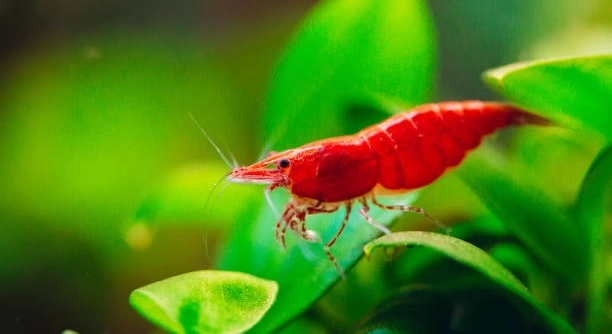
Are your shrimp tank and its inhabitants unusually still, with little to no movement or activity throughout the day? Observing your aquatic pets over time can reveal subtle signs that something may be affecting their natural behavior.
A tank that is too quiet for shrimp often indicates inadequate environmental stimulation or improper water parameters. Lack of activity can result from insufficient hiding spots, poor water circulation, or limited food availability, all of which affect shrimp health and behavior.
Monitoring your tank closely allows you to identify small changes that can greatly improve your shrimp’s well-being and overall tank dynamics.
Lack of Hiding Spots
Shrimp feel safest when they have plenty of places to hide. Without adequate cover, they may remain in one spot, hesitant to explore or forage. Plants, moss, and small decorations create security zones, allowing shrimp to feel comfortable moving around the tank. Over time, a barren tank can lead to stress and reduced activity. Providing a variety of hiding spots encourages natural behaviors like grazing, molting in privacy, and social interaction. Shrimp also use hiding spots during nighttime or when water conditions shift slightly. Even simple structures like small caves or dense moss mats can make a noticeable difference. When arranging decorations, ensure water flow is not blocked, and there are no sharp edges that could harm the shrimp. Observing shrimp after adding more cover often reveals increased movement and feeding behavior. A well-structured tank promotes both mental stimulation and physical safety.
Shrimp thrive in environments with layers of cover and consistent water conditions. Lack of hiding places restricts activity and increases stress.
Adding plants, moss, or small structures creates a balanced habitat, encouraging exploration and natural behavior while protecting delicate shrimp during vulnerable periods.
Poor Water Flow
Insufficient water movement can make the tank feel stagnant. Shrimp need gentle circulation to distribute oxygen and nutrients, as well as to carry food particles around the tank. Stagnant areas may result in algae buildup or low oxygen pockets, which can cause shrimp to stay in one spot. Proper flow also helps maintain temperature stability and prevents debris from settling excessively. Filters, air stones, or small pumps can improve circulation without stressing shrimp. It’s important to balance flow strength; too strong can sweep shrimp away, while too weak may leave zones with poor water quality. Observing how shrimp interact with current can help adjust flow. They will explore actively in areas with comfortable circulation while avoiding areas that feel turbulent. Maintaining consistent flow throughout the tank supports both physical health and natural movement.
Water movement supports oxygen distribution, nutrient circulation, and overall tank hygiene for healthy shrimp.
Balanced flow ensures shrimp can feed, move freely, and avoid stagnant zones, reducing stress and promoting long-term activity and growth.
Overfeeding
Overfeeding can make a tank appear quiet because shrimp may become lethargic or hide due to poor water quality. Excess food decays, lowering oxygen levels and creating harmful conditions that discourage movement and natural behavior.
When shrimp are overfed, uneaten food sinks and decomposes, producing ammonia and other toxins that stress them. Stressed shrimp often remain hidden or stationary to conserve energy, and some may even stop eating altogether. Maintaining a controlled feeding schedule with small portions ensures food is consumed before it deteriorates, preserving water quality. Observing shrimp after adjusting feeding habits usually shows increased activity and more natural grazing behavior, as they feel safer and the water stays clean.
Careful monitoring of feeding patterns and water parameters prevents the negative effects of overfeeding. By reducing leftovers and avoiding excessive meals, shrimp can maintain regular movement, interact socially, and explore their environment more actively, improving both their health and overall tank dynamics.
Lack of Light
Shrimp rely on a regular light cycle to regulate behavior and activity levels. Without sufficient light, they may stay hidden or move very little, especially during daytime periods.
Lighting affects shrimp’s circadian rhythm and encourages grazing and social interaction. Low or inconsistent light can make algae growth insufficient, limiting food sources and natural stimulation. Observing shrimp under proper lighting shows them exploring, feeding, and using hiding spots efficiently. Adjusting light duration and intensity carefully supports both plant growth and shrimp activity, making the tank feel lively and balanced.
Providing a stable light cycle with moderate intensity enhances shrimp health, encourages natural behaviors, and promotes active movement throughout the day. A well-lit tank allows plants to thrive, which in turn improves water quality and creates a more stimulating environment for all shrimp.
High Water Temperature
Elevated water temperatures can make shrimp less active, causing them to stay hidden or move slowly. Warmer water reduces oxygen levels, which directly affects their energy and willingness to explore.
Keeping water temperature stable within the recommended range prevents stress and maintains regular shrimp behavior. Even small fluctuations can lead to noticeable inactivity, so monitoring with a reliable thermometer is essential.
Poor Water Quality
Contaminants like ammonia, nitrites, and nitrates create an unsafe environment for shrimp. Poor water quality can suppress their activity and reduce feeding behavior, making the tank appear unusually quiet. Regular testing and water changes help maintain a safe habitat.
Tank Overcrowding
Too many shrimp or other tank mates can create stress and reduce movement. Overcrowded tanks leave less space for exploration and increase competition for food and hiding spots, resulting in quieter behavior. Monitoring population density ensures a balanced, active environment.
How do I know if my shrimp are stressed?
Shrimp show stress in subtle ways. They may hide for long periods, stop eating, or move very little compared to usual activity. Colors can fade, and molting may slow down. Watching your shrimp closely over time helps you spot these changes early. Stress can result from poor water quality, improper temperature, lack of hiding spots, or overcrowding. Noticing reduced activity and increased hiding are the most common signs that something in the tank is affecting their comfort. Consistent observation and quick adjustments can restore their natural behavior.
Can too much light harm my shrimp?
Yes, excessive light can disturb shrimp behavior. Shrimp need a balanced day-night cycle to feel secure and active. Too bright or prolonged lighting can encourage algae overgrowth or create periods where shrimp feel exposed, prompting them to hide more. Maintaining moderate lighting for 8 to 10 hours daily supports both plant growth and shrimp activity. Monitoring their behavior under different lighting conditions allows you to adjust intensity and duration to match their natural rhythm. Proper lighting helps shrimp remain active and feed consistently.
How often should I test my water?
Testing water frequently is essential to maintain a healthy tank. Ammonia, nitrites, and nitrates should be checked at least once a week, while pH, hardness, and temperature should be monitored regularly. Consistent testing helps detect early problems before shrimp show signs of stress. Keeping a log of water parameters allows you to notice trends and respond quickly to changes. Regular water changes and filter maintenance complement testing, ensuring the tank remains a stable environment. Preventing fluctuations is key to keeping shrimp active and healthy.
What is the best way to feed shrimp?
Shrimp thrive on small, controlled meals. Feed them once or twice daily with amounts they can consume within a few hours. Overfeeding can lead to decaying food, poor water quality, and lethargy. Use sinking pellets or blanched vegetables and remove leftovers promptly. Observing their feeding patterns helps you adjust portions to match tank population and shrimp size. Consistent feeding routines encourage activity and prevent stress from overcrowding around food. Clean water and balanced nutrition together support their energy and movement.
Can tank decorations affect shrimp behavior?
Absolutely, the layout and type of decorations influence activity. Shrimp need hiding spots, such as plants, moss, or small caves, to feel secure. A tank with few covers can make them stay in one area, appearing quiet. Decorations also help establish territories and reduce stress during molting. Balancing open swimming space with hiding areas encourages exploration and social interaction. Observing how shrimp use the decorations allows you to rearrange or add elements for better engagement. Proper decoration promotes both mental stimulation and physical activity.
What water temperature is ideal for shrimp?
Most freshwater shrimp prefer temperatures between 72 and 78°F (22–26°C). Temperatures outside this range can slow metabolism, reduce activity, and increase stress. Maintaining stable temperature with a reliable heater or monitoring during seasonal changes is crucial. Even small fluctuations can affect feeding, molting, and overall movement. Consistency in temperature ensures shrimp remain active and healthy while supporting proper water chemistry.
How can I reduce stress from tank mates?
Aggressive or fast-moving tank mates can make shrimp hide more often. Choose peaceful species that coexist without disturbing shrimp. Avoid overcrowding to prevent competition for food and hiding spaces. Observing interactions can help you identify stress triggers. Separating shrimp in breeding tanks or adding more hiding spots minimizes stress. Stress reduction encourages natural grazing and swimming behavior, keeping the tank lively and balanced.
Is it normal for shrimp to be inactive at times?
Yes, shrimp have periods of low activity, often during nighttime or molting. However, prolonged inactivity during normal active hours signals potential issues. Consistent hiding, reduced feeding, or fading colors indicate that water quality, temperature, or tank structure may need adjustment. Tracking activity patterns helps distinguish normal rest from stress-induced quietness.
How do I encourage more activity in my tank?
Providing hiding spots, proper lighting, stable water conditions, and controlled feeding encourages shrimp to move more. Maintaining clean water with regular testing and avoiding overcrowding also promotes natural behavior. Observing shrimp behavior and making incremental adjustments to the tank environment can restore active exploration and social interaction. Even small changes, like adding moss mats or gentle water flow, can make a noticeable difference in their activity levels.
Shrimp are small, delicate creatures, and their activity levels can tell us a lot about how well they are doing in a tank. A quiet tank does not always mean something is wrong, but when shrimp remain hidden or show little movement consistently, it often indicates that changes are needed in their environment. Factors like water quality, temperature, tank decorations, lighting, and population density all play a role in shaping their behavior. Observing shrimp closely and understanding their natural patterns allows you to spot issues early. By providing the right conditions, shrimp are more likely to move freely, feed regularly, and display normal social interactions. Creating an environment where shrimp feel safe and comfortable is key to encouraging natural activity, which in turn reflects a healthy and balanced tank overall.
Maintaining proper water conditions is one of the most important ways to ensure your shrimp stay active. Regular testing for ammonia, nitrites, nitrates, pH, and temperature helps prevent problems before they affect the shrimp. Overfeeding or leaving uneaten food in the tank can quickly degrade water quality, causing lethargy and stress. Providing sufficient hiding spots such as moss, plants, or small decorations gives shrimp areas to feel secure while molting or resting. Adequate water flow is also necessary to distribute oxygen and nutrients, helping shrimp feel comfortable moving throughout the tank. Light cycles should mimic natural patterns, supporting their circadian rhythm and encouraging daytime activity. All of these elements together create a stable environment where shrimp can thrive and behave naturally.
Even when all environmental factors are addressed, observing shrimp behavior is an ongoing process. Changes in activity, feeding habits, or coloration can indicate a need for further adjustments. Overcrowding, inappropriate tank mates, or small temperature fluctuations can still affect movement, so monitoring the tank carefully is essential. Encouraging natural activity requires attention to detail, patience, and consistency in care. A lively, balanced shrimp tank is a result of combining proper nutrition, stable water conditions, suitable decorations, and careful observation. Taking these steps not only promotes shrimp health but also creates a tank that is visually engaging and rewarding to maintain. With the right care, quiet moments are natural rest periods, and active periods reflect a thriving, healthy shrimp population.

Hello,
If you enjoy the content that we create, please consider saying a "Thank You!" by leaving a tip.
Every little bit helps us continue crafting quality advice that supports the health, happiness, and well-being of pets around the world, for pets of all shapes, sizes, and species.
We really appreciate the kindness and support that you show us!