
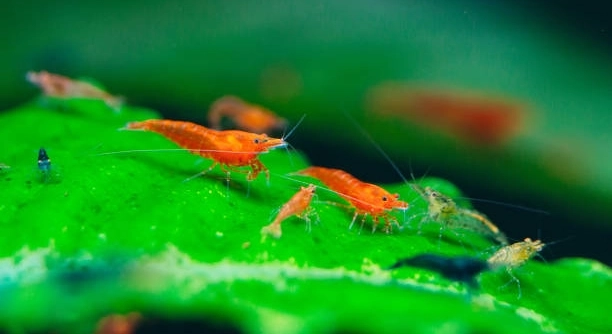
Do your cherry shrimp sometimes seem to avoid each other even in a shared tank? Observing them can be puzzling, as these small creatures often appear social yet may swim past each other without interaction at all.
Cherry shrimp may ignore each other due to factors such as stress, inadequate space, water quality issues, lack of food, dominance hierarchies, molting cycles, or the presence of other tank mates that disrupt normal behavior patterns and social interaction.
Understanding these behaviors will help you create a more harmonious environment and ensure your shrimp thrive in their aquatic home.
Stress and Overcrowding
Cherry shrimp are sensitive to their surroundings, and stress can make them avoid each other. Loud noises, sudden movements, or frequent handling may trigger this behavior. Overcrowding is another common issue. When there are too many shrimp in one tank, they may become territorial or seek personal space. Stress affects feeding, molting, and overall health. Providing hiding spots, plants, and decorations helps reduce tension. A comfortable environment allows shrimp to move freely without feeling threatened.
Stress reduction is key to improving social interaction. Adjusting tank conditions can make a noticeable difference.
To prevent stress-related avoidance, maintain proper water parameters and avoid sudden changes. Adding moss, plants, or small caves gives shrimp places to hide when needed. Overcrowding can lead to aggression or inactivity, so monitor population size carefully. Observing shrimp behavior daily helps detect stress early. Shrimp under stress may hide more, eat less, or molt irregularly. Proper filtration, gentle lighting, and regular water changes create a calm habitat. By controlling these factors, shrimp become more active and social, reducing instances of ignoring each other while promoting a healthier environment overall.
Water Quality Issues
Poor water quality can make shrimp inactive or distant from each other.
Ammonia, nitrite, and nitrate spikes affect shrimp health. Unstable pH or temperature fluctuations can also impact behavior. Regular water testing is necessary to keep conditions stable.
Maintaining optimal water quality is essential for shrimp interaction. Ammonia and nitrite are toxic, even at low levels, so consistent monitoring is required. Nitrate buildup, though less immediately harmful, can cause long-term stress. Sudden pH swings disrupt metabolism and behavior, sometimes causing shrimp to hide or isolate themselves. Temperature is equally important; too cold or too warm water slows activity and reduces social behavior. Using a reliable filter and performing partial water changes helps maintain balance. Conditioning new water and avoiding chemicals that harm shrimp supports long-term health. Shrimp respond to stable, clean environments with increased activity, proper feeding, and more frequent social interaction. Prioritizing water quality creates a healthy, calm tank where cherry shrimp naturally engage with one another, reducing instances of avoidance.
Lack of Food
Insufficient food can make cherry shrimp less active and avoid each other. When they are hungry or unsure about feeding, shrimp may compete or isolate themselves to protect available resources.
Shrimp need a balanced diet that includes algae, biofilm, and supplemental foods. If food is scarce, dominant shrimp may monopolize feeding areas while others retreat. Over time, this can cause weaker shrimp to hide and limit social interactions. Offering small amounts multiple times a day ensures all shrimp get adequate nutrition. It also reduces stress and aggression that may arise from competition. Feeding routines should be consistent, and leftover food should be removed to prevent water quality issues.
Providing a variety of foods encourages shrimp to be more active and social. Vegetables like blanched zucchini or spinach, along with specialized shrimp pellets, help maintain health. Observing shrimp during feeding times can reveal shy or isolated individuals, allowing adjustments in portion sizes or placement of food. Ensuring even access promotes social activity, reduces avoidance, and supports proper growth and molting cycles.
Molting and Growth
Molting periods often make shrimp reclusive, causing them to ignore others. During this vulnerable time, they seek safety in hiding spots.
Molting is a natural process where shrimp shed their exoskeleton to grow. While soft, they are highly susceptible to injury or predation, prompting them to isolate. Proper water parameters, adequate calcium, and sufficient hiding spaces encourage safe molting. Shrimp may remain hidden for hours or even days, appearing disconnected from tank mates.
Frequent observation helps determine molting patterns and ensures all shrimp have access to safe spaces. Placing moss, plants, and decorations throughout the tank allows multiple shrimp to molt simultaneously without stress. Avoid disturbing shrimp during this time, as sudden movements can trigger retreat or prolonged hiding. Understanding molting behavior clarifies why social interaction temporarily decreases, helping maintain a harmonious environment. Healthy growth and consistent molting cycles also improve overall activity and visibility once shrimp return to normal behavior.
Dominance Hierarchies
Cherry shrimp sometimes ignore each other due to social hierarchies. Dominant shrimp may claim prime spaces or resources, while others stay back to avoid conflict.
Subtle displays like chasing or posturing establish rank. Lower-ranking shrimp often retreat or hide until dominance disputes settle.
Presence of Other Tank Mates
Other species in the tank can influence shrimp behavior. Fish or larger invertebrates may intimidate shrimp, causing them to stay hidden or avoid each other.
Shrimp adjust their activity patterns around tank mates to stay safe. They may cluster in corners, cling to plants, or reduce movement, which can be mistaken for ignoring each other. Observing interactions helps determine if external species are impacting social behavior, allowing adjustments in tank setup or hiding places to reduce stress.
Inadequate Hiding Spots
A lack of hiding places can make shrimp feel exposed. Without plants or decorations, they may avoid each other to minimize stress and vulnerability.
Why do cherry shrimp ignore each other sometimes?
Cherry shrimp may ignore each other for several reasons, including stress, overcrowding, water quality issues, and lack of food. When their environment feels unsafe or resources are limited, shrimp prioritize survival over social interaction. Molting cycles also make them hide temporarily, reducing visible interaction with tank mates.
Can stress in the tank affect shrimp behavior?
Yes, stress directly impacts shrimp behavior. Loud noises, sudden movements, or frequent disturbances make them cautious. Overcrowding can also trigger avoidance, as shrimp need personal space to feel secure. Adding plants, moss, and decorations gives them places to hide and helps reduce tension.
How does water quality play a role in social behavior?
Water quality is critical for cherry shrimp. High ammonia, nitrite, or nitrate levels can cause stress and illness, leading to isolation. Sudden pH swings or temperature fluctuations can also reduce activity. Regular testing, partial water changes, and stable parameters promote healthier, more social shrimp.
Does feeding affect how shrimp interact?
Insufficient or uneven feeding can make shrimp compete or withdraw from each other. Dominant shrimp may monopolize food, while others hide. Offering small portions multiple times a day ensures all shrimp get nourishment, reducing stress and encouraging more consistent social behavior in the tank.
Why do shrimp hide during molting?
Molting is a vulnerable stage when shrimp shed their exoskeleton to grow. Soft shells make them susceptible to injury, prompting them to seek shelter. Hiding during molting is natural and temporary. Providing moss, plants, or small caves ensures safety and reduces the need for shrimp to completely avoid each other.
Do tank mates influence shrimp interactions?
Yes, larger or more aggressive tank mates can intimidate shrimp. Fish or crabs may chase or disrupt them, causing shrimp to stay hidden or avoid other shrimp. Observing shrimp behavior and providing ample hiding spaces helps maintain social activity while minimizing stress from other species.
How does overcrowding affect cherry shrimp?
Too many shrimp in a tank can create competition for space, food, and hiding spots. Overcrowding increases stress and can lead to aggressive or reclusive behavior. Maintaining a proper population density ensures each shrimp has room to move, feed, and interact without constant competition or avoidance.
Can lack of hiding spots cause isolation?
Yes, shrimp feel exposed without sufficient plants, moss, or decorations. They may stay apart from each other to reduce perceived threats. Adding multiple hiding spaces allows shrimp to feel secure, which encourages more natural interaction, feeding, and movement throughout the tank.
Do dominance hierarchies influence social behavior?
Dominance hierarchies are common in shrimp. Higher-ranking individuals may claim prime feeding areas or favorite spots, while lower-ranking shrimp keep distance. These subtle interactions can make it seem like shrimp are ignoring each other, though it is a normal part of their social structure.
How long will shrimp avoid each other?
Avoidance is usually temporary. Stressful events, molting, or environmental changes cause short-term isolation. Once water conditions stabilize, food is plentiful, and hiding spaces are available, shrimp typically resume normal social behavior and interaction with each other.
Can changes in temperature or pH cause shrimp to hide?
Yes, sudden changes in temperature or pH can make shrimp less active and more prone to hiding. Even small fluctuations affect metabolism and behavior. Consistent conditions help shrimp feel secure and more likely to interact with tank mates regularly.
How can I encourage shrimp to interact more?
Providing clean water, adequate food, hiding spots, and a stable environment encourages activity and social behavior. Avoid sudden disturbances, overcrowding, and aggressive tank mates. Observation and small adjustments to habitat setup can make a significant difference in shrimp comfort and willingness to interact.
What is the best way to reduce stress in the tank?
Reduce stress by maintaining optimal water conditions, avoiding overcrowding, and providing hiding places. Gentle lighting and minimal disturbances help shrimp feel secure. Regular monitoring ensures any environmental changes are addressed quickly, promoting a calmer, more social tank environment.
How often should I feed cherry shrimp to prevent isolation?
Feeding small portions two to three times daily ensures all shrimp have access to food. This reduces competition and prevents shy shrimp from hiding. Balanced diets, including algae, biofilm, and supplemental foods, support health and encourage normal social behavior.
Do shrimp ever completely ignore each other permanently?
Permanent avoidance is rare. Temporary isolation occurs due to stress, molting, or environmental changes. With stable water conditions, proper food, and adequate hiding spots, shrimp usually return to normal interaction patterns, demonstrating that most avoidance behaviors are situational and temporary.
Cherry shrimp are fascinating little creatures that often surprise us with their behavior. Observing them in a tank can sometimes feel puzzling, especially when they seem to ignore each other. However, many of the reasons behind this behavior are natural and easily understood. Factors like stress, overcrowding, and water quality play a significant role in how shrimp interact. When a tank environment is calm, clean, and stable, shrimp are more likely to be active and engage with one another. Understanding their basic needs can help create a setting where all shrimp feel safe and secure, reducing the instances of avoidance. Providing plenty of hiding spaces, plants, and decorations is a simple yet effective way to make shrimp feel comfortable. These additions not only give them spots to retreat during vulnerable moments, like molting, but also allow each shrimp to claim a personal space within the tank. Over time, this reduces tension and supports more natural, visible interaction.
Feeding routines also have a strong influence on shrimp behavior. When food is unevenly distributed or scarce, some shrimp may isolate themselves while others compete for resources. Small, consistent feedings throughout the day ensure that all shrimp get enough nutrition without unnecessary stress. Including a mix of foods such as algae, biofilm, and specialized pellets provides a balanced diet that keeps shrimp healthy and active. Healthy shrimp are more likely to explore the tank, interact with other shrimp, and maintain normal social behaviors. Monitoring shrimp during feeding times can reveal shy or less active individuals who may need extra attention. Adjusting feeding habits and ensuring everyone has access to food can help reduce isolation and encourage group activity. Proper feeding, along with stable water conditions, creates a foundation where cherry shrimp can thrive and display their natural, social behaviors.
It is also important to consider natural life cycles like molting, which temporarily make shrimp more reclusive. During this time, they shed their exoskeleton and remain vulnerable until their new shell hardens. Providing secure hiding spots ensures they can molt safely without disruption, which helps maintain overall harmony in the tank. Over time, as shrimp complete their molting cycles, they gradually return to normal social patterns. Other environmental factors, including the presence of larger tank mates, can also influence behavior. Shrimp may stay hidden or avoid interaction when they feel threatened, but proper tank setup, hiding areas, and careful observation help minimize this. Paying attention to water parameters, population density, feeding practices, and safe spaces allows shrimp to feel secure, active, and comfortable. By addressing these factors, you create a balanced and healthy environment where cherry shrimp can live naturally, interact appropriately, and display their unique behaviors without unnecessary stress.

Hello,
If you enjoy the content that we create, please consider saying a "Thank You!" by leaving a tip.
Every little bit helps us continue crafting quality advice that supports the health, happiness, and well-being of pets around the world, for pets of all shapes, sizes, and species.
We really appreciate the kindness and support that you show us!