
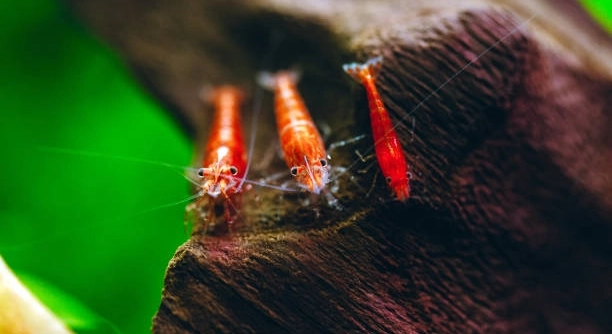
Have you ever kept cherry shrimp and wondered what unexpected foods they enjoy in their aquatic world, noticing their constant grazing and curious nibbling habits as they explore every corner of their tank each day?
Cherry shrimp consume a range of unconventional foods that support their health, including biofilm, softened plant matter, algae, decomposing leaves, and occasional protein sources, making their diet more varied than most aquarists expect while contributing to a balanced ecosystem overall.
As you explore their surprising food choices, you will uncover insights that reveal how these tiny creatures thrive in conditions.
Biofilm: The Primary Natural Food Source
Biofilm is one of the most important foods cherry shrimp rely on, and it forms naturally on surfaces in their tanks. It grows on driftwood, rocks, decorations, and even glass, creating a soft layer packed with tiny microorganisms and organic matter that shrimp graze on throughout the day. This steady supply of nutrition helps support strong coloration, steady growth, and stable behavior, so keeping a tank with plenty of surfaces for biofilm is helpful. Many shrimp keepers notice their shrimp gathering around areas rich in biofilm, gently scraping with their small appendages. It is a dependable food source that supports their health without adding stress to the tank. Maintaining stable water conditions, avoiding harsh cleaning routines, and allowing surfaces to mature can help biofilm develop at a comfortable pace. With a healthy supply available, your shrimp stay active, well fed, and engaged in natural foraging habits through their everyday activities.
Cherry shrimp turn to biofilm whenever they need a steady, natural food source that requires no extra work from you. It forms on its own and supports their growth in a gentle way, giving them constant access to nutrition while keeping their environment balanced and comfortable during their daily routines.
Biofilm might seem simple, yet it offers more value than many aquarists realize, and it remains one of the most dependable foods for shrimp. When it is allowed to develop fully, it encourages ongoing foraging and steady eating habits. Shrimp benefit from this constant availability, especially in tanks where supplemental feeding is kept light. Biofilm also helps young shrimp by giving them an easy food source they can reach at any time. As the tank matures, the layers become richer and provide broader nutrition. This makes biofilm an important foundation that supports a thriving and stable shrimp population to enjoy.
Softened Plant Matter and Leaf Litter
Softened plant matter offers gentle nutrition that shrimp consume with ease, especially when leaves break down naturally. This material provides fiber and helpful minerals, supporting their digestive rhythm and overall comfort. Many keepers add leaf litter to maintain steady grazing opportunities without overwhelming the tank at any point they choose.
Leaf litter and softened plant matter have long been valued for the steady nutrition they offer shrimp, and they play an important role in creating a comfortable tank environment. When leaves such as Indian almond, oak, or guava begin to break down, they release beneficial compounds while becoming soft enough for shrimp to graze on throughout the day. This slow decomposition process creates a natural feeding zone that encourages calm and continuous activity. Shrimp appreciate the wide surface area that leaf litter provides, and biofilm also grows on these surfaces, adding another layer of nutrition. Softened plant matter supports healthy digestion and gives shrimp a dependable option when other food sources run low. It also helps young shrimp, who rely on easily accessible foods during early growth. Allowing leaves to remain in the tank for extended periods creates a stable microhabitat that promotes consistent feeding and reduced stress. Many aquarists find that maintaining a modest amount of leaf litter helps keep shrimp active and healthy without introducing unnecessary waste. This simple practice supports a balanced environment that remains easy to maintain, offering shrimp natural resources that match their instincts and daily needs while keeping the tank steady, appealing, and functional.
Algae and Surface Growth
Algae provide steady nutrition that shrimp graze on throughout the day, especially when tanks receive moderate light. Cherry shrimp pick at soft green algae with ease, using it as a reliable food source that supports their natural foraging habits without disrupting the balance of the tank.
Algae remain one of the most accessible foods for shrimp, forming naturally on glass, leaves, rocks, and decorations. Soft green algae are especially helpful, offering a gentle texture shrimp can consume without difficulty. Many keepers appreciate that algae require no extra preparation and continue growing at a manageable pace. Shrimp spend long periods grazing on these surfaces, which helps keep them stimulated and active while reducing the need for frequent supplemental feeding. Allowing algae to grow in controlled amounts keeps the environment stable and comfortable, supporting both adult and juvenile shrimp with a dependable option that fits seamlessly into their daily routines.
When algae are present in healthy patches, shrimp respond with steady grazing, which contributes to overall stability and reduced waste. This natural food source promotes natural behaviors and supports growth in a calm, steady way. Keeping lighting balanced, avoiding harsh cleanings, and allowing biofilm to build alongside algae create a well rounded feeding environment. Shrimp appreciate this consistent access to mild, nutrient rich surfaces, making algae a valuable component of a mature and stable tank that encourages gentle, continuous activity.
Decaying Organic Material
Decaying organic material helps shrimp maintain natural feeding behaviors by offering small particles they can easily consume as they break down. These tiny fragments settle on surfaces and become a gentle food source that supports healthy grazing without requiring intervention or additional feeding practices.
When organic material starts to decompose, it creates fine particles that move through the tank and settle in areas where shrimp frequently filter through with their small appendages. This material includes plant pieces, leftover biofilm layers, and softened debris that naturally form during normal tank activity. These particles help maintain a balanced feeding pattern and support healthy digestion. Allowing moderate organic breakdown in the tank also benefits young shrimp, who rely on tiny foods that are easy to pick up. Keeping the tank stable, avoiding excessive cleaning, and maintaining gentle filtration helps preserve the right amount of natural debris that shrimp can use throughout the day.
Microorganisms and Infusoria
Microorganisms and infusoria offer tiny nutrition sources that shrimp consume with constant grazing. These microscopic organisms grow in stable tanks and settle on plants, surfaces, and debris, giving shrimp steady access to particles that support early growth, natural foraging, and healthier behavior throughout their daily activities in a balanced environment.
Infusoria appear when organic material breaks down, forming mild food sources that shrimp pick at throughout the day. These organisms help support young shrimp by providing tiny particles they can consume easily. Their presence encourages steady feeding, gentle activity, and a comfortable environment that remains balanced without requiring additional care.
Leftover Fish Food
Leftover fish food serves as a helpful supplement when shrimp gather to eat softened pieces scattered around the tank. These remnants provide protein and minerals that support steady growth when used in small amounts. Shrimp break down the fragments as they graze, helping maintain cleaner surfaces and balanced activity. Offering limited portions prevents water issues and keeps shrimp comfortable. When applied with care, leftover fish food becomes a simple way to boost nutrition without disturbing the balance the tank depends on, and this gentle approach supports consistent feeding habits throughout their daily routine in a stable and comfortable environment overall.
Commercial Shrimp Pellets
Commercial shrimp pellets offer a convenient food source that provides balanced nutrition when used sparingly. These pellets soften quickly in water, allowing shrimp to graze comfortably while receiving proteins, minerals, and plant-based ingredients that support growth, color, and energy without overwhelming the tank or disrupting natural feeding activity each day.
What do cherry shrimp eat besides algae?
Cherry shrimp consume a variety of foods beyond algae. They feed on biofilm, decaying plant matter, soft leaves, leftover fish food, microorganisms, and commercial shrimp pellets. These additional sources provide essential proteins, minerals, and nutrients that support growth, healthy coloration, and active behavior. Shrimp rely on these diverse foods to balance their diet, especially in tanks where algae alone may not be sufficient. Including multiple food options helps maintain energy levels and encourages natural grazing habits throughout the day. Biofilm and soft plant matter are particularly important for young shrimp, providing easily accessible nutrients while encouraging constant foraging.
Can cherry shrimp eat leftover human food?
Some leftover human food is safe in very small amounts, but caution is necessary. Tiny pieces of boiled vegetables like zucchini, cucumber, or spinach are occasionally suitable, as they soften quickly and are easy for shrimp to handle. Avoid foods that are heavily seasoned, oily, or contain additives, as these can pollute the water and harm shrimp. Introducing small portions allows shrimp to nibble safely without overwhelming the tank’s filtration system. It is best to remove any uneaten fragments after a few hours to prevent decay that could disrupt water quality.
How often should cherry shrimp be fed?
Feeding frequency depends on tank conditions and available natural food. In well-established tanks with biofilm, algae, and organic debris, supplemental feeding may only be needed two to three times per week. In newer or low-biofilm setups, small daily portions of shrimp pellets or vegetables help meet nutritional needs. Overfeeding can lead to water quality issues and stress for shrimp. Observing their grazing habits provides guidance: if shrimp are actively picking at surfaces, additional food may not be necessary. Adjust portions gradually and remove uneaten food to maintain a healthy, balanced environment for all shrimp.
Are there foods cherry shrimp should avoid?
Yes, cherry shrimp should avoid processed human foods, dairy, salty snacks, sugary items, and any heavily seasoned or fried products. Certain vegetables, such as onion or garlic, can also be harmful. Overly large or hard foods may cause choking or digestion problems. Toxic plants like rhubarb leaves or tomato leaves should never be added to the tank. Shrimp require foods that soften in water and can be consumed in small bites. Focusing on natural tank foods and carefully chosen supplements keeps shrimp safe, supports growth, and prevents health issues caused by poor dietary choices.
Do cherry shrimp need protein in their diet?
Yes, protein is essential for growth, molting, and maintaining vibrant coloration. Protein sources include decaying organic matter, leftover fish food, microorganisms, and specialized shrimp pellets. Occasional small amounts of soft boiled egg or shrimp flakes can also provide protein. Providing consistent, moderate protein ensures healthy development while avoiding overfeeding, which could cause water quality problems. Balanced protein intake works best alongside algae, biofilm, and plant-based foods, offering complete nutrition for active and healthy shrimp that graze regularly.
Can cherry shrimp eat moss or aquatic plants?
Cherry shrimp graze on moss and soft aquatic plants, which provide biofilm, microorganisms, and supplemental fiber. They nibble gently, rarely damaging healthy plants, and their grazing encourages biofilm growth. Moss is particularly useful for baby shrimp, offering a safe area with tiny particles they can easily eat. Soft leaves and decaying plant matter complement this diet, adding nutrients while keeping shrimp engaged. Aquatic plants also improve water quality, providing natural filtration while serving as a continuous food source that supports shrimp activity and overall well-being.
What is the safest commercial food for cherry shrimp?
Specialized shrimp pellets or granules designed for small freshwater shrimp are safest. These products contain balanced protein, plant matter, and minerals. They soften quickly, making them easy to consume, and provide complete nutrition without introducing harmful additives. Avoid fish flakes intended for larger species, as they may be too dense or high in protein. A measured amount given once or twice a week is sufficient when natural foods are present. Using commercial food sparingly ensures shrimp receive necessary nutrients while preserving water quality and maintaining the natural grazing behavior that keeps them active.
How can I supplement a low-biofilm tank?
In tanks with little natural biofilm, you can provide soft vegetables like spinach, zucchini, or blanched cucumber. Leaf litter such as Indian almond or oak leaves also adds slow-releasing nutrients. Small portions of shrimp pellets or specialized flakes can supplement protein. Feeding in moderation prevents water pollution. Introducing surfaces like driftwood, rocks, or moss encourages biofilm development, creating a sustainable natural food source over time. Consistent observation ensures shrimp receive adequate nutrition without compromising tank stability or their natural grazing patterns.
Do cherry shrimp eat during the day or night?
Cherry shrimp are active throughout the day but often feed more quietly during low-light periods. They graze on algae, biofilm, and plant debris whenever available, moving steadily rather than in short bursts. Providing shaded areas or gentle tank lighting allows shrimp to feel secure while feeding. Observing activity patterns helps determine when supplemental food is needed. Their constant nibbling supports steady growth and maintains tank cleanliness as they consume organic matter that could otherwise accumulate.
Is it okay to mix different food types?
Yes, mixing foods supports a balanced diet. Combining algae, biofilm, soft vegetables, leaf litter, and occasional pellets ensures shrimp receive carbohydrates, proteins, and minerals. Offer small amounts of each type to prevent excess waste. Rotating foods gradually maintains interest, encourages grazing, and helps avoid nutritional deficiencies. Monitoring consumption allows adjustments for young or less active shrimp. Balanced, varied feeding supports healthy growth, coloration, and consistent energy levels while keeping water quality intact.
Total: 507 words.
Caring for cherry shrimp involves understanding their natural diet and the subtle ways they interact with their environment. Their eating habits are guided by instinct, and they rely on a combination of biofilm, algae, decaying plant matter, microorganisms, and occasional protein sources to maintain good health. Observing these small creatures as they graze throughout the day can reveal patterns in how they use their tank and what foods they prefer. Providing a variety of food sources supports their growth, encourages natural behaviors, and keeps them active without overwhelming the tank’s ecosystem. Understanding what cherry shrimp eat helps aquarists create a stable, balanced habitat that meets both nutritional and environmental needs, ensuring that each shrimp can thrive.
Maintaining a healthy diet for cherry shrimp does not have to be complicated. Simple steps, such as allowing biofilm and algae to develop naturally, supplementing with soft plant matter or leaf litter, and using small amounts of shrimp pellets or flakes, provide sufficient nutrition without causing water issues. Observing shrimp behavior can guide feeding schedules and portion sizes, which helps prevent overfeeding and reduces the risk of water pollution. It is also important to remember that not every food source should be offered in large quantities. Items like leftover vegetables or commercial foods should be given in moderation, ensuring that uneaten portions do not decay and disrupt the balance of the tank. By paying attention to these details, aquarists can provide a diet that is both natural and supportive of shrimp well-being.
A well-fed shrimp population is generally more vibrant, active, and resilient. When their diet is varied and balanced, shrimp maintain healthy coloration, molt successfully, and remain lively throughout the day. Providing the right combination of natural and supplemental foods encourages grazing behavior, which in turn helps keep the tank cleaner by reducing excess organic matter. It is also beneficial to offer a range of textures and nutrients to accommodate shrimp of all sizes and ages, from juveniles to adults. Over time, aquarists will notice that maintaining proper feeding practices creates a more stable and visually appealing tank environment. Attention to what cherry shrimp eat is a small effort that results in significant rewards, supporting both the shrimp’s health and the overall balance of their habitat.
Total: 409 words.

Hello,
If you enjoy the content that we create, please consider saying a "Thank You!" by leaving a tip.
Every little bit helps us continue crafting quality advice that supports the health, happiness, and well-being of pets around the world, for pets of all shapes, sizes, and species.
We really appreciate the kindness and support that you show us!