
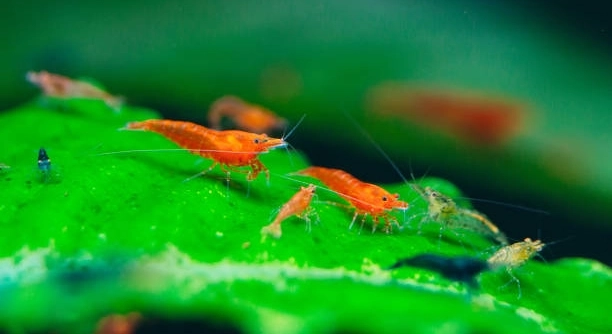
Have you noticed your cherry shrimp behaving differently in the tank? Sometimes, only one shrimp molts while the others seem perfectly still. This can leave owners puzzled and wondering if something is wrong.
The most common reason only one cherry shrimp molts is due to differences in age, size, or stress levels. Shrimp grow at varying rates, and environmental factors, such as water quality or tank crowding, can influence individual molting patterns.
Observing your shrimp closely can reveal patterns that explain their behavior and help maintain a healthier tank environment.
Factors Affecting Cherry Shrimp Molting
Molting in cherry shrimp is a natural process that allows them to grow and maintain their exoskeleton. Not every shrimp molts at the same time because individual differences play a major role. Younger shrimp often molt more frequently than older ones. The water temperature, pH level, and hardness can affect the rate of molting, as shrimp are very sensitive to their environment. Stress from overcrowding, sudden changes in water chemistry, or aggressive tank mates can also delay molting in some shrimp. Nutrition is another key factor. Shrimp with access to calcium and other essential minerals tend to molt more successfully. Even subtle differences in diet can influence how often a shrimp molts. Observing patterns in behavior and molting cycles can help identify if a shrimp is simply slower or if there is an underlying environmental concern. Keeping the tank stable supports healthy, consistent molting across the group.
Water quality and diet are usually the biggest influences on molting frequency in shrimp.
Maintaining optimal conditions for your shrimp involves consistent water testing and feeding a balanced diet. Regular water changes help remove toxins and maintain stable parameters. Providing a varied diet with algae, blanched vegetables, and specialized shrimp foods ensures they get enough nutrients to support healthy exoskeleton growth. Observing molting patterns over time allows you to see which shrimp might need more attention. Some shrimp naturally molt less often, and this can be normal as long as they appear healthy. Tank decorations, hiding spaces, and plants also give shrimp a safe place to molt without stress from tank mates. By carefully managing these factors, you can encourage regular molting and reduce the risk of incomplete molts or other complications that may arise when a shrimp struggles to shed its old exoskeleton.
Signs of Stress and Its Impact
Stress in cherry shrimp can slow down or halt molting entirely.
Shrimp show stress through hiding, reduced movement, or a faded color. Environmental changes, poor water quality, or aggressive tank mates increase stress levels. Stress directly affects their ability to molt because it disrupts normal physiological processes. A stressed shrimp may hold onto its old exoskeleton longer or even fail to molt completely. Overcrowding limits safe spaces to molt, leading to incomplete molts or injuries. Stress can also reduce feeding, which further impacts nutrient intake necessary for molting. Monitoring shrimp behavior and providing a calm, stable environment helps minimize stress and supports consistent growth and health. Addressing these issues promptly ensures shrimp can molt safely and continue their normal development. Regular observation and careful tank management are essential for maintaining a low-stress environment that encourages regular molting cycles.
Tank Environment and Its Role
Water parameters need to stay stable for shrimp to molt properly. Temperature swings, sudden pH changes, or fluctuating hardness can delay molting. A balanced environment allows shrimp to grow and shed their exoskeletons safely.
Proper filtration and gentle water flow help maintain clean water without stressing shrimp. Hiding places such as plants, rocks, or moss give them safe spots to molt, which reduces the chance of injuries. Even small shifts in the tank, like moving decorations or introducing new shrimp suddenly, can disrupt molting schedules. Monitoring ammonia, nitrite, and nitrate levels regularly prevents harmful buildups that could harm shrimp or interfere with growth.
Lighting and tank maintenance also affect molting. Consistent lighting supports normal behavior patterns, while frequent water changes and careful feeding reduce stress. Overcrowding should be avoided because limited space makes molting risky. Observing shrimp daily helps detect early signs of trouble, ensuring each shrimp can molt safely.
Diet and Nutrition for Molting
A balanced diet is essential for healthy molting. Shrimp need calcium, minerals, and proteins for strong exoskeletons and successful molts.
Supplementing with calcium-rich foods like blanched vegetables, specialized shrimp pellets, and mineral supplements ensures shrimp have the nutrients needed for growth. A varied diet prevents deficiencies that could lead to incomplete molts or deformities. Feeding small amounts regularly rather than one large portion encourages consistent nutrient intake. Overfeeding should be avoided, as leftover food can pollute the tank and stress the shrimp, slowing molting further. Observing how shrimp respond to different foods helps adjust the diet for optimal health.
Hydration from the tank water also contributes to molting success. Soft, clean water allows shrimp to absorb minerals efficiently, supporting their exoskeletons. Shrimp that are well-fed and have access to quality water tend to molt more regularly, with fewer issues like stuck shells or delayed growth. Consistent care and monitoring ensure shrimp remain healthy and active during each molting cycle.
Individual Shrimp Differences
Shrimp grow at different rates, so not all will molt together. Age, size, and genetics influence how often each shrimp sheds its exoskeleton.
Some shrimp are naturally slower or faster in their molting cycles. Observing individual patterns helps identify if behavior is normal or requires attention.
Monitoring Molting Progress
Keeping track of molting helps ensure shrimp stay healthy. Note the frequency of molts and any incomplete sheds. Regular observation allows quick intervention if problems arise. Providing hiding spots and stable water conditions supports smoother molts and reduces the risk of injuries or stress-related delays.
Common Molting Issues
Shrimp sometimes face problems like stuck exoskeletons or delayed molts. Causes usually include poor water quality, stress, or nutritional deficiencies. Regular care and observation can prevent most issues and support consistent, healthy molting.
FAQ
Why is only one cherry shrimp molting while the others are not?
It is common for shrimp to molt at different times. Age, size, genetics, and stress levels all influence how often a shrimp molts. Younger shrimp or smaller ones often molt more frequently, while older shrimp may take longer. Environmental factors like water temperature, pH, and hardness can also affect individual molting schedules.
How can I tell if my shrimp is stressed?
Shrimp under stress often hide, move less, or show faded colors. They may also stop eating or stay in one corner of the tank. Stress from overcrowding, aggressive tank mates, or sudden changes in water quality can delay or prevent molting. Providing hiding spots and maintaining stable water conditions reduces stress.
What should I feed my shrimp to support molting?
A balanced diet is key. Provide blanched vegetables like spinach or zucchini, specialized shrimp pellets, and occasional protein-rich treats. Calcium and minerals are especially important for healthy exoskeleton formation. Feeding small, consistent portions prevents overfeeding and keeps water quality stable, which also supports molting.
Can water quality affect molting?
Yes, water quality directly impacts molting. Ammonia, nitrite, or nitrate spikes can stress shrimp and delay molts. Stable pH, temperature, and hardness help shrimp shed safely. Regular water changes and testing ensure the tank environment supports healthy growth and consistent molting cycles.
How often should cherry shrimp molt?
Molting frequency depends on age and size. Younger shrimp may molt every few days, while adults might molt once a month or less. Individual differences and environmental conditions also play a role. Observing your shrimp over time helps you understand their normal molting rhythm.
What if my shrimp gets stuck during molting?
A shrimp stuck in its old exoskeleton is at risk of injury or death. Ensure water parameters are stable and provide plenty of hiding spots for safety. Avoid disturbing them during molting. If it occurs frequently, check diet and tank conditions to support stronger, more manageable molts.
Does overcrowding affect molting?
Yes, overcrowding increases stress and reduces safe spaces to molt. Shrimp may delay or avoid shedding if they feel threatened. Keeping the population balanced and providing enough plants or decorations allows each shrimp to molt safely without interference from others.
Are there signs of incomplete molting?
Incomplete molting appears as leftover pieces of the exoskeleton stuck to the shrimp. The shrimp may look weak or move awkwardly. Poor nutrition, stress, or unsuitable water conditions often cause this. Intervening carefully by improving diet and tank stability can prevent repeated issues.
Should I separate a molting shrimp?
Usually, it is not necessary if the tank is calm and has hiding spots. Separation might be needed only if tank mates are aggressive or if the shrimp struggles to molt safely. Providing plants, moss, or caves gives molting shrimp privacy and reduces risk.
How long does a molting session last?
Molting itself takes minutes to a few hours, but recovery may take a day or two. Shrimp are vulnerable during this time, so minimizing disturbances and ensuring stable conditions helps them harden their new exoskeleton efficiently.
Can diet alone fix molting problems?
Diet helps but is not always enough. Water quality, stress levels, and hiding spots are equally important. A well-fed shrimp in poor water conditions may still have molting difficulties, so a holistic approach is necessary for consistent, healthy molts.
Why do some shrimp molt more frequently than others?
Differences in growth rate, age, genetics, and health cause variations. Some shrimp naturally develop faster or more actively, while others molt less often. Tracking individual shrimp behavior allows you to see if these differences are normal or need intervention.
Does lighting affect molting?
Indirectly, yes. Stable lighting helps maintain normal behavior and feeding patterns. Sudden changes or irregular lighting may increase stress, which can slow molting. Consistency supports a natural rhythm for growth and exoskeleton shedding.
Can stress from tank cleaning affect molting?
Yes, heavy disturbances or sudden changes during cleaning can stress shrimp. It is best to clean gradually, avoid sudden water parameter shifts, and provide hiding spaces to ensure shrimp continue to molt safely.
What role does calcium play in molting?
Calcium strengthens the new exoskeleton. A deficiency can cause weak or incomplete molts. Supplementing with calcium-rich foods or minerals helps shrimp molt successfully and maintain healthy growth over time.
How can I encourage regular molting in all shrimp?
Maintain stable water parameters, a balanced diet, hiding spaces, and minimal stress. Avoid overcrowding and monitor shrimp behavior. With consistent care, shrimp are more likely to molt at healthy intervals, reducing the risk of incomplete or delayed molts.
Can temperature changes speed up molting?
Slightly higher, stable temperatures can increase metabolism and molting frequency, but sudden spikes or drops stress shrimp. Consistency is more important than speed to ensure safe, healthy molts.
How long should I observe before worrying about molting issues?
A few days without molting can be normal, especially for adults. If a shrimp shows stress, fails to eat, or gets stuck in its exoskeleton, intervention may be needed. Regular observation helps identify patterns and catch problems early.
Are juvenile shrimp more likely to molt alone?
Yes, younger shrimp often molt independently and more frequently. They are smaller, faster-growing, and more vulnerable, so individual molting is normal. Older or larger shrimp molt less often and may appear more synchronized.
Do tank mates interfere with molting?
Aggressive or fast-moving tank mates can stress shrimp during molts. Providing plants, moss, or caves ensures shrimp have safe spaces to shed their exoskeleton without disturbance. A peaceful tank environment supports smoother molting cycles for all shrimp.
Final Thoughts
Molting is a natural and essential process for cherry shrimp. It allows them to grow and maintain a healthy exoskeleton. Observing one shrimp molting while others stay still is usually normal. Shrimp do not molt at the same pace because of differences in age, size, genetics, and health. Younger or smaller shrimp often molt more frequently, while older shrimp may take longer. Even subtle changes in the tank, like water temperature, pH, or hardness, can influence molting cycles. Paying attention to these differences helps shrimp owners understand what is normal and what might need adjustment in the tank environment. By recognizing these patterns, it becomes easier to care for each shrimp properly and provide the right conditions for safe, successful molts.
Creating a stable and supportive environment is key to healthy molting. Water quality plays a significant role, as poor conditions can stress shrimp and delay shedding. Regular testing of ammonia, nitrite, nitrate, pH, and temperature ensures the tank remains safe. Adding hiding spots such as plants, moss, or decorations gives shrimp a place to molt without stress from tank mates. Nutrition also affects molting success. A diet rich in calcium, minerals, and proteins supports exoskeleton formation and helps shrimp shed safely. Overfeeding or inconsistent feeding can cause water issues or nutrient deficiencies, so small, consistent portions are best. Observing shrimp behavior closely allows owners to spot problems early and make adjustments to diet, water, or tank setup. Combining stable water, proper nutrition, and hiding spaces creates an environment where shrimp can molt regularly and grow naturally.
Understanding shrimp behavior and individual differences is equally important. Stress, tank crowding, and aggressive tank mates can affect molting schedules, causing some shrimp to molt less often or struggle during the process. Observing how each shrimp reacts to its environment helps determine whether a delay in molting is normal or requires attention. Even when only one shrimp molts at a time, it can indicate healthy variation rather than a problem. Taking a careful, patient approach to tank maintenance, feeding, and monitoring ensures shrimp remain healthy and stress-free. Supporting these factors consistently helps all shrimp in the tank achieve regular, safe molts and encourages long-term growth and vitality. By combining observation with good tank practices, shrimp owners can maintain a thriving, balanced aquarium where molting occurs naturally and safely for every individual.

Hello,
If you enjoy the content that we create, please consider saying a "Thank You!" by leaving a tip.
Every little bit helps us continue crafting quality advice that supports the health, happiness, and well-being of pets around the world, for pets of all shapes, sizes, and species.
We really appreciate the kindness and support that you show us!