
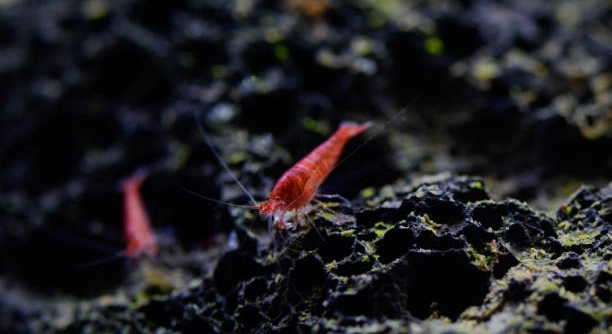
Cherry shrimp are usually shy creatures, hiding among plants and decorations in their tanks. Lately, many owners notice their shrimp staying out in the open, moving around more than usual during the day.
Cherry shrimp may leave their hideouts due to environmental changes, stress factors, or water quality issues. Shifts in temperature, lighting, or chemical levels can alter their behavior, prompting them to explore open spaces rather than remain concealed in shelters.
Observing these changes can help you create a safer, more comfortable environment for your shrimp to thrive.
Changes in Water Parameters
Even small changes in water quality can make cherry shrimp behave differently. I noticed that when the pH drifted slightly or ammonia levels rose, my shrimp left their usual hideouts. Temperature fluctuations also play a role; shrimp prefer stable, moderate temperatures, and sudden heat or cold can make them feel unsafe. Excessive lighting or rapid changes in light cycles may stress them too. Overfeeding can cloud the water, while underfeeding makes them more active, searching for food. Observing these signs early helps prevent health issues and keeps shrimp more comfortable. Adding moss, plants, or small hiding spots can make them feel secure, even if the environment is slightly imperfect. Keeping a consistent schedule for feeding and maintenance has improved my shrimp’s behavior, allowing them to explore safely without feeling threatened. Small adjustments often make a noticeable difference in activity and hiding patterns.
Monitoring water regularly ensures shrimp remain in a balanced and stress-free environment. Simple changes can restore normal hiding behavior.
When water quality issues persist, the shrimp may become less active or show signs of illness. It’s important to test for nitrates, nitrites, ammonia, and pH weekly. Regular partial water changes help maintain a healthy balance. I use gentle filtration and avoid harsh chemicals, which reduces stress. Adding plants, driftwood, or rocks creates hiding spots and reduces anxiety. Even adjusting the light cycle gradually helps them adapt. Observing shrimp behavior daily gives clues about their health and comfort. Noticing subtle changes, like slower movement or constant grazing, allows me to address problems quickly. Over time, maintaining stable water parameters has made my shrimp more confident in exploring and interacting with their tank environment.
Stress and Social Behavior
Stress can cause shrimp to leave shelters and act differently. Aggressive tank mates or sudden disturbances often push them into open areas.
Cherry shrimp are social creatures that rely on calm surroundings. High fish activity or constant tapping on the glass can make them uneasy. When the tank is overcrowded, they may compete for food and hiding spots, which increases stress. Even the addition of new shrimp can temporarily disrupt their social hierarchy. I noticed that gently rearranging decorations or adding extra plants can reduce tension and restore natural hiding habits. Providing plenty of space, separating aggressive species, and observing interactions carefully ensures they feel safe. Their color and activity levels improve when they are less stressed. Simple steps like minimizing sudden changes and keeping the tank quiet make a big difference. Over time, creating a calm, structured environment allows shrimp to feel confident in using their hideouts while still exploring freely, balancing safety and curiosity.
Feeding Habits
Shrimp often leave hideouts when they sense food nearby. Frequent grazing or sudden feeding times can make them more active and less likely to stay hidden.
I noticed that when I feed small portions several times a day, my shrimp come out more often. They seem to prefer exploring and picking at tiny bits rather than staying tucked away. Overfeeding makes water cloudy and can stress them, but controlled portions encourage movement without compromising water quality. It’s also interesting how they develop routines, quickly recognizing when food is added, which can explain sudden bursts of activity. Watching them eat has made me more aware of their personalities and habits, and adjusting feeding schedules has improved both their health and their comfort in the tank.
Shrimp also react to the type of food offered. Leaf litter, algae wafers, and protein-rich foods influence their behavior differently. Some varieties encourage hiding while others promote active grazing. I noticed that adding new food types gradually keeps them curious but reduces stress. Changing feeding locations occasionally encourages exploration without making them feel unsafe.
Tank Environment
Shrimp leave their shelters if the tank setup feels unsafe or too exposed. Poor plant coverage or limited hiding spots increases movement into open areas.
Adding moss, small caves, and dense plants has improved hiding options while letting shrimp explore comfortably. I found that rearranging decorations or increasing cover reduces stress and encourages natural behavior. Substrate type also affects their comfort; fine sand or smooth gravel seems preferable. Proper filtration without strong currents keeps them safe and allows normal swimming and grazing. I’ve learned that layering plants and rocks creates microhabitats, making shrimp feel secure while still visible. Balanced lighting and gentle water flow are essential for maintaining their confidence. Small, consistent changes make a noticeable difference in how often they retreat or emerge.
Molting Behavior
Molting makes shrimp leave hideouts more often. They feel vulnerable but sometimes need open space to shed their exoskeleton safely.
I noticed my shrimp become more active before molting. They explore gently and often choose areas with soft substrate or plant cover, reducing the risk of injury while shedding.
Tank Mates
Shrimp activity changes depending on who shares the tank. Peaceful fish allow normal hiding behavior, while aggressive species push shrimp into open areas.
I observed that introducing calm snails or small, non-aggressive fish keeps shrimp comfortable. Stress from fast or large fish causes constant movement and fewer retreats. Properly selecting tank mates ensures shrimp maintain natural hiding routines while exploring safely, preventing unnecessary stress and supporting overall health.
Light Exposure
Bright lights can encourage shrimp to leave shelters, especially when gradually introduced.
They often adjust their activity based on light intensity, emerging more in dim or filtered lighting to forage while feeling safer.
Why are my cherry shrimp out in the open all the time?
Cherry shrimp often leave their hideouts when environmental or social conditions change. I’ve seen this happen after small shifts in water parameters like pH, temperature, or ammonia levels. Even subtle stressors, such as sudden light changes or tank rearrangements, can make them more active. Providing enough hiding spots and stable water conditions helps them feel secure.
Is it normal for shrimp to explore during the day?
Yes, it can be normal. While cherry shrimp are naturally shy, they will explore when they feel safe and food is available. In my experience, regular feeding schedules and gentle water flow encourage them to move around more, even during daylight hours. Over time, they balance activity with hiding naturally.
Could water quality be causing my shrimp to leave shelters?
Absolutely. Poor water quality is one of the main reasons shrimp change behavior. I check ammonia, nitrite, nitrate, and pH weekly. Sudden spikes or imbalances make them feel unsafe. Regular partial water changes and careful monitoring can quickly restore their comfort and hiding patterns.
Do stress and tank mates affect their behavior?
Yes, stress has a big impact. I’ve noticed that fast-moving or aggressive fish push shrimp into open areas or keep them constantly moving. Providing calm, compatible tank mates and plenty of plants or hiding spots reduces stress and allows shrimp to retreat when needed.
Can feeding habits influence hiding behavior?
Feeding habits definitely play a role. In my tank, small frequent meals encourage shrimp to come out and forage instead of staying hidden. Overfeeding clouds water and creates stress, but controlled feeding keeps them active while maintaining water quality. Rotating food types also keeps them curious without causing anxiety.
Does molting change how they use hideouts?
Molting makes shrimp more cautious, yet they may leave shelters to find safe spots. I noticed that before molting, shrimp explore areas with soft substrate or dense plant coverage. These spaces reduce the risk of injury while shedding their exoskeleton. After molting, they often retreat briefly until their new exoskeleton hardens.
How does lighting affect their activity?
Lighting influences when shrimp leave hiding places. I observed that bright, sudden lights can stress them, while dim or filtered lighting encourages exploration. Gradually introducing light changes and using plant cover allows them to feel safe while still foraging. Consistent light cycles help maintain normal behavior over time.
Will adding more plants or decorations help?
Yes. Adding moss, caves, and dense plants creates microhabitats. I found that shrimp feel safer with multiple hiding options and are more willing to explore. Rearranging decorations occasionally keeps their environment stimulating without causing stress, which supports both hiding and foraging behavior.
Is it normal for shrimp to change behavior suddenly?
Sudden behavior changes are usually a response to environmental shifts or stress. I’ve seen shrimp act differently after adding new tank mates, changing water parameters, or introducing new food types. Observing subtle cues and maintaining stable conditions usually helps restore normal hiding and activity patterns.
Can temperature fluctuations make shrimp leave their hideouts?
Yes. I noticed even small temperature swings can make shrimp feel unsafe. They prefer stable, moderate temperatures. Consistent heating, avoiding sudden changes, and monitoring seasonal shifts keep them comfortable and maintain normal hiding habits.
Are cherry shrimp more active when alone?
Not necessarily. Social dynamics influence activity. In my experience, shrimp are more confident and explore freely when they have calm tank mates. Overcrowding or aggressive companions increases movement and reduces hiding behavior. Providing a balanced, peaceful community encourages natural routines.
How can I encourage them to use their hideouts more?
Providing ample hiding spaces, stable water parameters, compatible tank mates, and a gentle light cycle encourages retreating behavior. I also noticed that regular, small feedings and soft substrate reduce stress. Creating a predictable and safe environment makes shrimp more likely to use their shelters naturally.
Does substrate type matter for hiding behavior?
Yes. Soft sand or smooth gravel encourages shrimp to explore and feel safe while hiding. In my tank, shrimp avoid sharp or rough surfaces, which can stress them. Choosing the right substrate combined with plants and decorations improves both comfort and activity patterns.
Can I tell if a shrimp is stressed by its hiding habits?
Stress often shows through excessive movement, avoiding plants, or hiding constantly. I’ve learned to watch for changes in color, activity, or grazing patterns. Addressing water quality, tank mates, and environmental factors usually restores normal hiding and behavior quickly.
Will shrimp adapt to changes over time?
They do adapt, but gradually. I’ve observed that maintaining stable conditions, providing hiding spots, and introducing changes slowly allows shrimp to regain comfort. Over time, they balance exploring and hiding, showing normal activity patterns without constant stress.
Cherry shrimp are small, delicate creatures that can seem unpredictable at times, especially when it comes to leaving their hideouts. Observing them over the years has taught me that their behavior is closely tied to their environment. Water quality, temperature, lighting, and tank mates all influence whether they feel safe or exposed. Even tiny changes, like adjusting the light schedule or adding a new plant, can affect how often they come out of hiding. I have learned that paying attention to these details is important for maintaining a healthy tank. When shrimp feel secure, they balance their time between exploring and staying concealed, which is a good sign of comfort and well-being.
Providing proper hiding spaces is essential for their sense of safety. I have seen that moss, small caves, and dense plant arrangements make a big difference in how comfortable shrimp feel. These areas allow them to retreat when stressed or molting, and they still leave enough space to move around and forage. Over time, I noticed that the more varied the hiding spots, the more natural their behavior becomes. Even small adjustments, like layering plants or adding smooth rocks, create microhabitats where shrimp feel secure but not trapped. The key is to combine shelter with open areas so they can explore safely and maintain a normal routine.
Understanding the reasons behind their behavior helps improve overall care. Regular monitoring of water parameters, thoughtful selection of tank mates, and consistent feeding schedules all support their comfort and reduce stress. I have found that cherry shrimp respond well to stable, predictable environments, and small changes can have a noticeable effect on their activity levels. Observing their movements and patterns helps identify issues before they become serious problems. By maintaining a calm, well-structured tank with proper hiding spaces and balanced conditions, shrimp thrive and display their natural behaviors, leaving hideouts when they feel safe and returning when needed. Over time, the combination of observation, careful adjustments, and attention to their needs has made caring for cherry shrimp more rewarding and straightforward.

Hello,
If you enjoy the content that we create, please consider saying a "Thank You!" by leaving a tip.
Every little bit helps us continue crafting quality advice that supports the health, happiness, and well-being of pets around the world, for pets of all shapes, sizes, and species.
We really appreciate the kindness and support that you show us!