
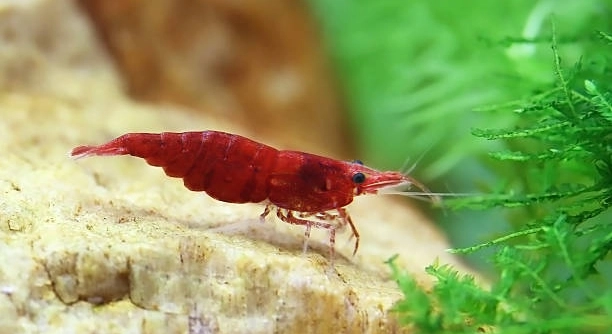
Cherry shrimp are a popular choice for small aquariums, loved for their bright colors and peaceful nature. Many new owners find themselves confused by the abundance of care advice and warnings circulating online.
Several myths about cherry shrimp are not based on scientific evidence or practical experience. Common misconceptions include overestimating their fragility, assuming they require special foods, and believing they cannot thrive in standard tank setups, which can mislead new hobbyists.
Understanding the truth behind these myths can improve shrimp care and make tank management simpler and more enjoyable.
Myth 1: Cherry Shrimp Are Too Fragile for Beginners
Many people assume cherry shrimp are extremely delicate and require constant attention. While they are sensitive to sudden water changes and poor water quality, they are surprisingly hardy when basic care is provided. Maintaining stable water parameters, avoiding harsh chemicals, and offering a balanced diet can keep them healthy. Temperature swings should be minimized, but they tolerate normal household aquarium conditions well. They reproduce easily under proper conditions, showing their resilience. Observing their behavior can help you adjust care quickly without stress. Their small size and slow movement often make them seem more vulnerable than they actually are. By understanding their actual needs, beginners can confidently care for them without constant worry. Simple tank maintenance, including weekly water changes and monitoring pH and ammonia levels, is usually sufficient. Overthinking their care can lead to unnecessary stress, while practical attention ensures a thriving colony of colorful shrimp.
Cherry shrimp are not as fragile as commonly believed. With consistent care, they can thrive in a standard freshwater tank.
Learning the right care methods will help your shrimp remain healthy, active, and vibrant for years to come.
Myth 2: They Only Eat Special Foods
Cherry shrimp do not require expensive or rare foods to survive. They can eat a variety of standard aquarium foods, such as algae wafers, blanched vegetables, and sinking pellets. They also scavenge naturally in the tank, consuming biofilm and leftover plant matter. Their diet should be balanced but does not need constant supplementation with commercial shrimp-specific products. Overfeeding can cause water quality issues, so moderation is more important than specialty foods. Observing what your shrimp prefer and adjusting portions is usually enough to keep them healthy.
Feeding them a mix of natural tank sources and simple prepared foods ensures proper growth and coloration. It is unnecessary to invest in rare or expensive items.
A varied diet is best. Cherry shrimp enjoy algae and biofilm but also benefit from blanched zucchini, spinach, or cucumber. Small amounts of sinking pellets provide protein, while occasional treats like spirulina flakes or shrimp-specific wafers can support color and energy. Overfeeding should be avoided to prevent water problems, as excess food can decay quickly. By sticking to basic foods, you provide proper nutrition without overcomplicating care. Observing their eating habits helps fine-tune feeding schedules and portion sizes. Over time, you will notice their bright red colors and active behavior improve naturally. Balanced and consistent feeding is far more important than specialty products, making them easier to maintain than many guides suggest.
Myth 3: They Can’t Live with Other Fish
Cherry shrimp can coexist with many peaceful fish if the tank is well-planted and offers hiding spots. Aggressive or large fish may eat them, but careful selection allows harmony. Plants and decorations give shrimp places to feel safe and reduce stress.
Shrimp often hide when they sense danger, which is natural behavior rather than a sign of poor health. Dense plants, moss, and driftwood help create a safe environment. Choosing small, calm fish like small tetras, rasboras, or guppies usually works well. Even in mixed tanks, shrimp find food in algae and detritus while avoiding the attention of curious fish. Avoid predatory species like cichlids or large goldfish, as they can stress or consume shrimp quickly. A well-structured tank with hiding spots supports their natural behaviors and encourages breeding, helping them thrive alongside compatible tankmates without constant worry.
Providing multiple hiding places and monitoring fish behavior ensures that shrimp remain active and reproduce successfully. Observing interactions regularly helps prevent losses while maintaining a peaceful aquarium.
Myth 4: You Must Change Water Daily
Frequent water changes are unnecessary for cherry shrimp. Weekly partial changes are usually sufficient to maintain stable water conditions. Small, consistent adjustments prevent stress and water parameter swings that can harm shrimp.
Shrimp are sensitive to ammonia and nitrite spikes, but overdoing water changes can disrupt beneficial bacteria and stability. Removing 10–20% of tank water once a week while replacing it with properly treated water maintains proper chemistry. Testing pH, ammonia, and nitrate levels ensures they stay in safe ranges. Stability is more important than daily intervention, and gradual changes support health. Sudden temperature or chemical shifts can cause molting issues or stress, so slow, controlled water maintenance is best.
Maintaining water quality is about balance, not frequency. Using a siphon to remove debris, monitoring chemical levels, and avoiding harsh chemicals prevents problems. Keeping a stable environment promotes growth, successful molting, and breeding, letting the shrimp thrive without unnecessary daily effort. Consistent care and small adjustments maintain a healthy tank over time.
Myth 5: They Only Stay Red
Cherry shrimp can show different shades depending on health, diet, and stress levels. Color intensity may fade temporarily, but it does not mean they are sick or dying.
Environmental factors like water quality, lighting, and nutrition affect their color. Healthy shrimp with good food regain bright red tones naturally over time.
Myth 6: You Can Keep Just One Shrimp
Cherry shrimp are social creatures that feel more secure in groups. A single shrimp may hide constantly and show less activity. Keeping at least five encourages natural behavior and reduces stress, allowing them to explore and feed confidently in the tank.
Myth 7: They Don’t Need Plants
Plants are crucial for cherry shrimp. They provide hiding spots, surfaces for biofilm growth, and help maintain water quality. Shrimp use plants to feel secure and feed naturally. Even a few live or moss-covered decorations greatly improve their well-being and overall activity.
How often should I feed cherry shrimp?
Cherry shrimp do not need to be fed multiple times a day. Feeding once a day is usually sufficient. They naturally graze on biofilm, algae, and detritus in the tank. Overfeeding can harm water quality and lead to unhealthy shrimp. A small pinch of food that they can finish within a couple of hours is enough. Observing them during feeding helps you adjust portions. Vegetables like blanched zucchini or spinach can be added occasionally. Commercial sinking pellets or shrimp wafers also work well. The goal is to provide enough nutrition without leaving excess food that decays.
Can cherry shrimp live with other shrimp species?
Yes, they can, but it depends on the species. Most dwarf shrimp, like Amano or Blue Velvet, coexist peacefully with cherry shrimp. Aggressive or much larger species should be avoided. When mixing species, ensure the tank has plenty of hiding spots and plants. Dense vegetation and moss reduce stress and protect smaller shrimp. Some species may compete for food, so watch feeding times closely. Separate tanks are a safer option if you notice frequent bullying or predation. Proper care and space make mixed-species shrimp tanks possible while maintaining healthy growth and coloration.
Why are my shrimp hiding all the time?
Hiding is normal behavior, especially when shrimp feel threatened or are adjusting to a new tank. Sudden changes in water parameters, aggressive tankmates, or bright lighting can make them more reserved. Providing plants, moss, and decorations gives them a sense of security. Over time, as they adapt, they will explore and feed more confidently. Avoid disturbing the tank unnecessarily, and monitor water conditions to ensure ammonia, nitrite, and nitrate are safe. Molting shrimp may also hide for protection during the process, which is natural. Ensuring a stable environment supports healthy, active shrimp.
How do I encourage breeding in cherry shrimp?
Breeding cherry shrimp is mostly about providing a stable environment. Keep water clean, provide hiding spots, and maintain moderate temperature and pH levels. Females will carry eggs under their tails once they reach maturity. A varied diet, including algae, biofilm, and occasional vegetables, supports reproduction. Avoid sudden water changes or aggressive tankmates that can stress females. Dense plants or moss give baby shrimp places to hide after hatching. Maintaining stable water parameters and nutrition encourages natural breeding without extra intervention. Regular observation helps ensure the young survive and grow safely.
Why are my shrimp losing color?
Color fading is usually linked to stress, poor nutrition, or water quality issues. Weak or pale shrimp may need a diet richer in carotenoids to restore their red tones. Ensure tank water is stable and free of toxins. Stress from aggressive fish, overcrowding, or frequent disturbances can also reduce coloration. Bright, healthy shrimp with proper food regain their natural red intensity over time. Adjusting diet and providing a calm environment helps restore both color and activity. Consistency in water maintenance and feeding schedules makes a noticeable difference in their vibrancy.
Do cherry shrimp need special water parameters?
They are adaptable but do best in stable freshwater with moderate hardness and slightly acidic to neutral pH. Sudden swings in temperature, pH, or chemical levels can stress them. Regular water testing and weekly partial changes help maintain consistent conditions. Extreme parameters are unnecessary for survival and may reduce lifespan or breeding success. They thrive in typical aquarium conditions with careful attention to cleanliness and stability. Avoid harsh chemicals and ensure the water is free of copper, which is toxic to shrimp. Maintaining a steady, simple setup is far better than chasing perfect numbers.
How long do cherry shrimp live?
Cherry shrimp usually live one to two years under proper care. Life expectancy depends on water quality, diet, and stress levels. Maintaining stable conditions, feeding a varied diet, and providing hiding spots maximizes lifespan. Molting success and breeding activity are also indicators of healthy shrimp. Overcrowding, poor water quality, or aggressive tankmates can reduce longevity. Observing behavior and color can help detect early signs of stress or illness, allowing timely adjustments to care. With attention to these factors, shrimp often thrive for their full expected lifespan.
What should I do if a shrimp dies?
A single death is often normal, especially in older shrimp or during molting. Remove the body promptly to prevent water contamination. Check water parameters for spikes in ammonia, nitrite, or nitrate. Review tankmates for possible aggression. Avoid major changes immediately; small adjustments are safer. Monitor remaining shrimp closely for signs of stress or illness. Consistent care and clean conditions reduce further losses and support a healthy colony over time.
Cherry shrimp are often misunderstood, and many myths about them can make caring for them seem more complicated than it really is. They are small, colorful, and peaceful creatures, but people tend to overestimate how fragile they are or assume they need rare foods or extreme water conditions. In reality, cherry shrimp are surprisingly hardy when basic care is provided. They thrive in a well-maintained freshwater tank with stable water parameters, moderate temperature, and a clean environment. Simple actions, such as weekly partial water changes, monitoring water quality, and feeding appropriate foods, go a long way in keeping them healthy. Overcomplicating their care or following every cautionary tip online can actually make the experience more stressful for both the owner and the shrimp. By focusing on what truly matters—food, water, shelter, and social interactions—you create a stable environment where shrimp can grow, reproduce, and display their natural colors. Their small size and gentle behavior make them ideal for aquarists who prefer a calm, manageable species without needing constant attention.
Providing hiding spots is also essential for cherry shrimp, as they naturally seek protection from potential threats. Dense plants, moss, and decorations not only help them feel safe but also encourage natural behavior like grazing on biofilm and exploring the tank. Even if the tank contains small, peaceful fish, shrimp can coexist comfortably if there is enough cover and space for them to avoid stress. Social interaction among their own species is equally important. Cherry shrimp are more active and confident when kept in small groups, which also supports natural reproduction. A well-structured tank helps reduce unnecessary hiding and encourages visible activity, letting you enjoy watching their colors and behavior. This simple but thoughtful approach ensures that shrimp remain vibrant and healthy without constant intervention. Paying attention to their environment, diet, and social needs is far more effective than worrying about myths that exaggerate their fragility or dietary requirements.
Finally, understanding cherry shrimp myths helps you feel more confident in their care. Many misconceptions—such as believing they must be kept alone, need daily water changes, or require special foods—can lead to unnecessary stress and effort. Recognizing that they are adaptable, hardy, and sociable allows you to focus on practical care that truly benefits them. Consistent water quality, balanced feeding, and a safe, plant-filled tank support their health and happiness. Over time, you will see their red colors deepen, their activity increase, and their population grow if breeding occurs. Caring for cherry shrimp can be simple and rewarding once myths are set aside. By keeping attention on their real needs, you create a peaceful, healthy aquarium that benefits both the shrimp and your experience as a caretaker.

Hello,
If you enjoy the content that we create, please consider saying a "Thank You!" by leaving a tip.
Every little bit helps us continue crafting quality advice that supports the health, happiness, and well-being of pets around the world, for pets of all shapes, sizes, and species.
We really appreciate the kindness and support that you show us!