
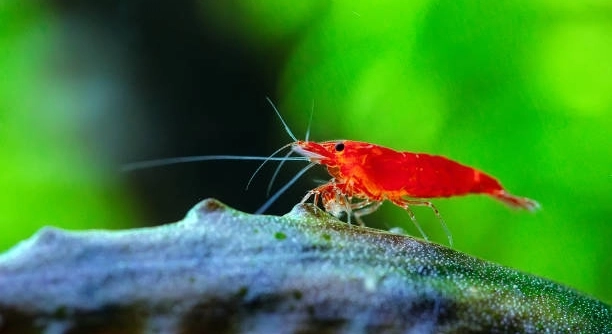
Cherry shrimp are small, vibrant creatures that add life to any freshwater tank. Observing their movements is often relaxing, but sudden stops can be worrying. These pauses may signal changes in their environment, health, or overall well-being.
Cherry shrimp may stop moving suddenly due to stress, poor water quality, sudden temperature changes, molting, disease, insufficient oxygen, or improper diet. Identifying and addressing these factors promptly ensures their survival and maintains a healthy aquatic environment.
Recognizing the signs behind their stillness helps maintain a thriving tank and prevents minor issues from becoming serious problems.
Stress and Sudden Movement Stops
Cherry shrimp are sensitive to changes in their environment, and stress is a common reason they may stop moving. Stress can result from overcrowding, aggressive tank mates, or sudden changes in lighting. Even small disturbances, like tapping the tank or loud noises nearby, can startle them. When stressed, shrimp may retreat to hiding spots and remain motionless for long periods. Over time, prolonged stress can weaken their immune system, making them more susceptible to disease. It’s important to monitor their behavior and make adjustments to minimize stress. Providing plenty of plants, hiding spots, and a calm environment helps them feel secure. Gentle water flow and consistent maintenance routines also reduce stress levels. Observing their reactions after any changes in the tank can indicate whether the environment is suitable. By maintaining a stable environment, you can prevent these sudden stops and support healthy, active shrimp.
Stress can cause prolonged inactivity, hiding, and reduced feeding in cherry shrimp, affecting their overall health.
Maintaining a calm tank environment requires attention to both physical and behavioral cues. Observing the shrimp closely allows you to notice early signs of stress, like reduced movement or clinging to surfaces. Gradual adjustments in lighting, water temperature, and tank population can make a significant difference. Avoid sudden additions of new tank mates, and introduce plants or decorations slowly to prevent startling them. A consistent feeding schedule also contributes to a stable routine, reducing anxiety. Overcrowding is another factor that increases tension; ensuring adequate space for each shrimp prevents competition and aggressive interactions. Monitoring water parameters like ammonia, nitrite, and pH is equally important, as poor water quality can exacerbate stress. By carefully controlling these factors, you create a secure and stable habitat where shrimp feel safe and remain active. Small changes in the environment, paired with attentive observation, can prevent sudden stops and ensure their continued health and vitality.
Water Quality Issues
Poor water quality can quickly impact cherry shrimp, causing them to stop moving. Even small shifts in pH, ammonia, or nitrite levels can create an unhealthy environment.
Maintaining clean, well-oxygenated water is essential for shrimp survival and activity levels.
Water quality is one of the most critical factors for healthy cherry shrimp. These tiny creatures are highly sensitive to pollutants and chemical imbalances. Ammonia and nitrite spikes, often caused by overfeeding or insufficient filtration, can be deadly. pH fluctuations or sudden hardness changes also create stress, prompting shrimp to freeze in place. Regular testing and partial water changes are necessary to maintain stability. Using a gentle filter and avoiding strong currents helps prevent additional stress while keeping water clean. It’s also important to condition tap water to remove chlorine and chloramines. By observing shrimp behavior and monitoring water parameters consistently, you can catch problems early. Clear water, stable chemistry, and proper oxygen levels ensure that shrimp remain active and healthy, reducing the likelihood of sudden immobility caused by water quality issues.
Temperature Fluctuations
Sudden changes in water temperature can shock cherry shrimp, causing them to stop moving. Even a few degrees difference from their usual range can trigger this response. Stable temperatures are crucial for their health and activity.
Cherry shrimp thrive in water between 68°F and 78°F. Rapid drops or spikes in temperature can stress their systems, slowing metabolism and reducing movement. Equipment like heaters or chillers must be reliable, and placement away from direct sunlight or drafts helps maintain stability. Sudden changes during water changes can also affect them, so matching tank water to their existing environment is important. Temperature control directly impacts their comfort and overall activity.
Long-term exposure to fluctuating temperatures weakens their immune system, increasing susceptibility to disease and molting complications. Monitoring the tank with a thermometer and making gradual adjustments when needed keeps shrimp active and healthy. Small steps like prewarming replacement water or using insulated covers can prevent stress. Maintaining consistent warmth supports feeding habits and normal behaviors, ensuring the shrimp remain lively and safe in their habitat.
Molting
Molting is a critical process for cherry shrimp, and they often stop moving during this time. Immobility helps them conserve energy and reduces vulnerability.
During molting, shrimp shed their old exoskeleton and form a new, soft one underneath. This process is delicate, and any disturbance can cause stress or injury. Providing hiding spaces and stable water conditions ensures they can molt safely. Inadequate calcium or poor water quality can delay or complicate molting, making them appear inactive for extended periods. Proper nutrition supports timely and successful molting, minimizing risks and maintaining healthy growth.
Observing molting patterns can help anticipate periods of inactivity. Some shrimp may remain hidden for hours or even a day until their new shell hardens. Stress during molting can lead to deformities or even death, so careful observation is important. Supplementing water with minerals like calcium and magnesium helps strengthen new shells. Avoid handling or moving shrimp during this vulnerable time. Understanding their molting behavior allows for better care, preventing unnecessary worry when they temporarily stop moving. Providing a calm environment and proper diet ensures the process proceeds smoothly, keeping shrimp safe and resilient.
Disease and Infections
Cherry shrimp may stop moving when affected by disease or infections. Bacterial, fungal, or parasitic issues can weaken them, reducing activity and appetite. Early detection is key to preventing severe health problems.
Signs of illness include discoloration, spots, or unusual behavior. Quarantining affected shrimp and maintaining water quality can help control the spread.
Oxygen Deprivation
Low oxygen levels in the tank can cause shrimp to become immobile. Poor aeration, overcrowding, or high temperatures reduce dissolved oxygen, affecting their survival. Providing proper filtration and adding air stones improves oxygen availability and keeps shrimp active.
Improper Diet
A lack of proper nutrients can lead to lethargy in cherry shrimp. Insufficient protein, calcium, or essential vitamins slows metabolism and can prevent normal movement. Feeding a balanced diet with algae, blanched vegetables, and specialized shrimp food supports energy and growth, ensuring they stay healthy.
Overcrowding
Too many shrimp in a small tank increases stress and competition for resources. Overcrowding can cause frequent hiding, reduced movement, and weakened immunity. Maintaining appropriate population density ensures shrimp remain active and minimizes stress-related inactivity.
FAQ
Why do my cherry shrimp stop moving suddenly even when water looks clean?
Even if water appears clear, harmful substances like ammonia, nitrite, or chlorine may still be present. Shrimp are very sensitive to chemical imbalances. Testing water regularly and performing partial water changes can remove toxins and create a safer, more stable environment for them to stay active.
Can sudden lighting changes cause inactivity in cherry shrimp?
Yes, abrupt shifts in light can startle shrimp. Bright lights or sudden on/off cycles may cause them to freeze or hide. Gradually adjusting lighting and providing shaded areas or plants allows them to feel secure while preventing stress-induced immobility.
How long do cherry shrimp usually stay still during molting?
During molting, shrimp may remain motionless for several hours to a full day. This pause is necessary to protect themselves while the new exoskeleton hardens. Minimizing disturbances and offering hiding spots ensures they molt safely without risk of injury.
Could temperature swings really make shrimp stop moving?
Absolutely. Cherry shrimp thrive in a narrow temperature range, and even a few degrees’ fluctuation can shock them. Sudden drops or rises slow metabolism and trigger stillness. Using reliable heaters, monitoring with thermometers, and avoiding drafts help maintain consistent temperatures.
Can stress from tank mates cause sudden stops?
Aggressive or overly active tank mates can stress shrimp, causing them to freeze or hide. Stress weakens immunity and reduces feeding activity. Providing plenty of plants, hiding spaces, and careful selection of compatible species helps shrimp feel safe and maintain regular movement.
How does oxygen deficiency affect shrimp behavior?
Low oxygen slows metabolism and may cause shrimp to remain at the surface or stay still. Overcrowding, high temperatures, or stagnant water reduce oxygen levels. Installing air stones, improving filtration, and maintaining moderate population density keeps shrimp active and prevents lethargy.
What dietary issues could make shrimp inactive?
A diet lacking protein, calcium, or essential vitamins can reduce energy and growth, making shrimp appear immobile. Supplementing with algae, blanched vegetables, and specialized shrimp pellets ensures they receive adequate nutrients to support normal movement.
Are there signs that indicate illness or infection?
Yes. Discoloration, white spots, unusual clinging to surfaces, or rapid hiding can indicate bacterial, fungal, or parasitic infections. Prompt quarantine, water checks, and proper care reduce the risk of spread and help shrimp recover faster.
Can overcrowding alone cause them to stop moving?
Overcrowding increases competition for food, stress levels, and disease transmission. Shrimp may hide or remain still to avoid conflict. Maintaining appropriate population density allows them space to move freely and reduces inactivity caused by tension.
How can I prevent sudden stops in my cherry shrimp?
Regular water testing, stable temperatures, proper aeration, balanced diet, stress-free environment, and monitoring for disease are all key. Consistency in tank maintenance ensures shrimp remain healthy, active, and resilient against sudden immobility. Proper care and observation help maintain their normal behavior.
Is it normal for shrimp to occasionally pause without any problem?
Yes, short pauses are natural for resting, grazing, or molting preparation. These brief periods of stillness are usually harmless, especially if water quality is stable, temperature is consistent, and no signs of disease or stress are present.
How quickly should I act if a shrimp stops moving suddenly?
Immediate observation is important. Check water parameters, temperature, oxygen levels, and potential stress factors. Early action can prevent minor issues from becoming serious, ensuring shrimp recover quickly and maintain normal activity.
Final Thoughts
Cherry shrimp are delicate creatures that require careful attention to maintain their health and activity. Sudden stops in movement can be alarming, but most causes are linked to environmental or biological factors that are manageable with proper care. Stress, water quality, temperature fluctuations, molting, diet, oxygen levels, and overcrowding are the primary reasons for these pauses. Each factor directly affects shrimp behavior, and understanding them helps prevent unnecessary worry. Maintaining a stable environment, monitoring water parameters, and observing their behavior closely can significantly reduce the likelihood of sudden inactivity. Small adjustments, such as adding hiding spots, stabilizing water temperature, or ensuring proper aeration, can make a noticeable difference in their well-being.
Consistent care is essential for the long-term health of cherry shrimp. Regular water testing and partial water changes prevent chemical imbalances that may harm them. Providing a balanced diet rich in nutrients supports energy levels and promotes normal movement. Hiding spaces and gentle water flow reduce stress, allowing shrimp to feel secure in their habitat. Observing shrimp closely during molting is also important, as this is a vulnerable period requiring minimal disturbance. Addressing potential issues promptly can prevent minor problems from escalating into serious health concerns. By keeping conditions consistent and monitoring their behavior, shrimp are more likely to remain active and healthy, displaying their natural vibrancy in the tank.
Even with careful attention, occasional pauses in movement are normal and usually not cause for concern. Shrimp may stop briefly to rest, feed, or prepare for molting. These short periods of inactivity are a natural part of their behavior and should not be confused with signs of illness. The key is to differentiate between normal stillness and prolonged inactivity caused by environmental stressors or health issues. By understanding their needs and maintaining stable conditions, it becomes easier to recognize when intervention is necessary. Prioritizing clean water, stable temperature, proper nutrition, and adequate space ensures that cherry shrimp thrive. Observing their daily behavior and making small adjustments as needed helps maintain a lively and healthy tank where shrimp can continue to move, grow, and display their full colors.

Hello,
If you enjoy the content that we create, please consider saying a "Thank You!" by leaving a tip.
Every little bit helps us continue crafting quality advice that supports the health, happiness, and well-being of pets around the world, for pets of all shapes, sizes, and species.
We really appreciate the kindness and support that you show us!