
Have you ever noticed subtle changes in your shrimp tank that seem unusual but intriguing? Observing these little crustaceans over time can reveal patterns in their behavior and overall health that hint at bigger changes ahead.
Shrimp prepare to breed through distinct physical and behavioral signs, including changes in color intensity, abdomen swelling, increased activity, and specific interactions with tank mates. Recognizing these indicators allows for timely adjustments to their environment to support reproduction.
Paying attention to these early signals can help ensure a thriving shrimp population and maintain a balanced, healthy tank environment for all inhabitants.
Color Changes in Shrimp
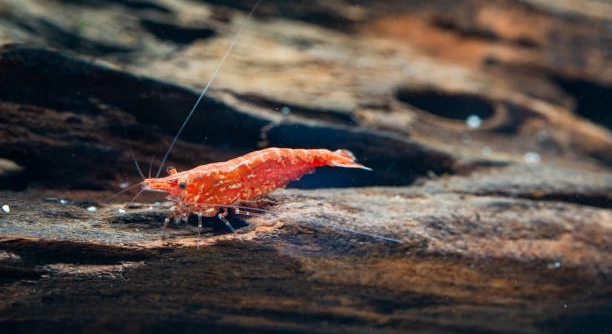
Shrimp often show subtle color changes when they are getting ready to breed. Their usual translucent or muted tones may become brighter, especially along the abdomen and tail. This change can happen gradually, making it easy to miss if you don’t observe your tank regularly. The intensity of the color is often linked to the shrimp’s overall health and diet. A well-fed shrimp with sufficient nutrients is more likely to display vivid colors when preparing to breed. In addition to the color shift, some shrimp may show a slight iridescence on their exoskeleton, reflecting light differently than usual. This visual cue signals reproductive readiness to potential mates in the tank. Observing these changes requires patience and consistency, as environmental factors like lighting, water temperature, and stress levels can influence how pronounced these color shifts appear. Tracking these patterns can help you anticipate breeding periods more effectively.
Color changes act as a reliable indicator of reproductive readiness in shrimp, offering visual cues that can help manage breeding conditions.
Monitoring these color shifts over time allows you to prepare the tank, adjust water conditions, and ensure that shrimp are comfortable and safe.
Swollen Abdomen
A swollen abdomen is often one of the clearest signs that a female shrimp is about to breed. This swelling occurs as eggs begin to develop inside her body. You might notice her moving more cautiously around the tank, avoiding rough areas or active tankmates that could disturb her. Observing this early can help you separate her if needed or provide extra care to ensure the eggs develop successfully.
When the abdomen becomes noticeably larger and rounded, it indicates that breeding is imminent. Keeping track of this change ensures that conditions remain stable, such as maintaining clean water and consistent temperature. Over the next few days, she may exhibit additional behaviors, like hiding or resting more frequently, which are normal as she conserves energy. Providing plenty of plants or safe hiding spots supports her during this stage. Being aware of these signs can significantly increase the survival rate of the eggs. Monitoring her daily helps identify when the eggs are fertilized and when she may start carrying them under her tail. Adjusting feeding routines to include high-quality food also helps maintain her health and supports proper egg development. This stage is critical, and attention to her behavior and environment ensures the best possible outcomes for the next generation of shrimp in your tank.
Increased Activity
Shrimp often move more than usual when they are about to breed. They may explore the tank more and interact with other shrimp differently. This activity helps them prepare for mating and signals readiness to potential mates nearby.
Watching their movements closely can reveal subtle patterns that indicate reproductive behavior. Females may swim near hiding spots or hover around plants, while males often follow them more persistently. This increased activity isn’t random; it’s part of their natural reproductive process. Observing the type and frequency of these movements can help determine when breeding is likely to occur, allowing you to make environmental adjustments. Maintaining stable water conditions and avoiding sudden disturbances supports their natural behavior, ensuring that they remain healthy and ready to reproduce. Over time, you may notice certain shrimp consistently show this behavior before each breeding cycle, making it easier to predict future events and manage tank conditions proactively.
This stage of heightened activity is temporary but crucial. By noting these changes, you can ensure your shrimp have a safe, stress-free environment that encourages successful mating and egg development.
Tail Fan Movements
Shrimp sometimes use their tail fans more when preparing to breed. Rapid or frequent fanning can help distribute pheromones and attract mates within the tank. It’s a natural behavior that signals readiness and increases the likelihood of successful mating.
Observing tail fan movements closely allows for better understanding of shrimp interactions. Females may use this motion to aerate eggs after fertilization, while males might fan to display strength or dominance. Recognizing these subtle actions can guide adjustments to tank layout, such as adding hiding spots or minimizing aggressive interactions. Ensuring water flow and quality are stable enhances this behavior and supports overall health, making breeding more successful. Tracking these signals over time provides insight into reproductive patterns, helping maintain a thriving shrimp population. Proper monitoring ensures that all shrimp in the tank experience minimal stress, which is essential during the breeding phase.
Hiding Behavior
Shrimp often hide more when they are close to breeding. They seek shelter among plants, rocks, or decorations to feel safe. This behavior protects them from stress and potential threats while preparing for reproduction.
Hiding helps them conserve energy and reduces the risk of harm from more active tankmates. Providing adequate cover ensures they remain comfortable during this sensitive stage.
Molting Frequency
Shrimp increase molting frequency before breeding. Shedding their old exoskeleton allows growth and prepares their bodies for carrying eggs. This natural process is essential for reproductive readiness and overall health.
Monitoring molting patterns helps predict breeding windows. Frequent molts indicate a healthy shrimp approaching reproductive activity. Maintaining stable water parameters and a nutritious diet supports successful molts and prepares females for egg development. Proper care during this period reduces stress, enhances survival, and improves the chances of healthy offspring. Observing these cycles consistently provides valuable insight into shrimp behavior and breeding readiness.
Interaction with Tankmates
Shrimp often change how they interact with others before breeding. They may show more interest in certain mates while avoiding others. This selective behavior increases mating success and protects vulnerable females during egg development.
FAQ
How can I tell if my shrimp are ready to breed?
Shrimp display several clear signs before breeding. Females often show a swollen abdomen and brighter colors, while males may become more active, following females and displaying tail fanning. Hiding behavior and frequent molting are also common indicators. Observing these behaviors regularly helps anticipate breeding.
Do shrimp need special conditions to breed successfully?
Yes, water quality, temperature, and diet all play critical roles. Stable, clean water with proper pH and temperature encourages breeding. A balanced diet rich in proteins and minerals supports egg development. Adding plants or hiding spaces helps reduce stress and provides protection during sensitive stages.
How long does it take for shrimp to breed?
Breeding timelines vary by species and tank conditions. Generally, females carry eggs for two to four weeks before hatching. Observing behavioral and physical signs, such as color changes and abdomen swelling, can help estimate the timing more accurately.
What should I feed shrimp before and during breeding?
High-quality foods such as protein-rich pellets, blanched vegetables, and algae supplements support reproductive health. Providing small, frequent feedings ensures consistent nutrition. Avoid overfeeding, as excess waste can affect water quality and stress the shrimp, reducing the chances of successful breeding.
Do I need to separate males and females?
Not always. In well-maintained tanks with plenty of hiding spots, males and females can coexist safely. Separation may be useful if the tank is crowded or aggressive behavior occurs. Monitoring interactions ensures females are not stressed, which is essential for successful egg development.
How can I improve survival rates of baby shrimp?
Providing dense plants, moss, or fine substrate gives newborns safe spaces to hide from adults. Maintaining excellent water quality, stable temperature, and gentle filtration minimizes stress. Avoid strong currents, sudden changes, or aggressive tankmates, as baby shrimp are very delicate and vulnerable during early development.
How often do shrimp breed?
Frequency depends on species, age, and environment. Healthy shrimp in optimal conditions may breed multiple times a month. Tracking behavior, molting, and egg-carrying cycles helps anticipate breeding events. Regular monitoring allows adjustments to feeding and tank conditions to support repeated reproductive cycles.
Can shrimp breed in small tanks?
Yes, small tanks can support breeding if water quality is maintained. Overcrowding and limited hiding spots increase stress, so a smaller population with proper care is ideal. Frequent monitoring of water parameters and regular cleaning are crucial to creating a safe environment for breeding.
What are common mistakes to avoid during shrimp breeding?
Avoid overcrowding, poor water conditions, overfeeding, and abrupt changes in temperature or pH. Insufficient hiding spaces or aggressive tankmates can stress shrimp, reduce breeding success, and endanger eggs and baby shrimp. Consistency in care is key to healthy breeding and offspring survival.
How do I know when eggs are fertilized?
Fertilized eggs are usually attached under the female’s abdomen and often appear darker or more defined than unfertilized eggs. Observing the female regularly allows you to track the development of eggs, ensuring they remain healthy and safe until hatching.
Can I help shrimp breed faster?
Improving water quality, providing optimal temperature, balanced nutrition, and stress-free conditions supports faster and more frequent breeding. Adding plants, moss, or hiding spaces allows natural behaviors to occur, giving shrimp confidence to reproduce efficiently in a secure environment.
Do males and females look different when breeding?
Yes, females often have a more swollen abdomen and brighter colors, while males may display increased activity and tail fanning. Recognizing these differences helps identify reproductive readiness and ensures proper care for both sexes during the breeding period.
How long do baby shrimp stay hidden?
Newborn shrimp stay hidden in plants, moss, or substrate for the first few days to weeks, depending on species and tank conditions. This protection reduces predation risk from adults and ensures they have time to grow stronger before becoming more active in the tank.
Are there signs that breeding failed?
Yes, unfertilized eggs may fall off or appear pale and disintegrate. Stressed females may hide excessively or refuse food. Observing egg health and female behavior helps identify problems early, allowing you to make adjustments to water quality, diet, or tank environment.
Can shrimp breed year-round?
In stable, well-maintained tanks with proper nutrition and temperature control, shrimp can breed year-round. Seasonal variations in the wild affect breeding cycles, but controlled tank environments can provide consistent conditions for ongoing reproduction. Regular observation ensures optimal care throughout the year.
What is the best way to track shrimp breeding?
Keeping a simple log of behaviors, molting events, abdomen swelling, and egg development helps predict breeding patterns. Daily observation and noting changes in activity or color intensity allow you to prepare the tank and provide optimal conditions for healthy reproduction and offspring survival.
This FAQ covers the essential points for monitoring, supporting, and enhancing shrimp breeding in home aquariums. Paying close attention to behavior, diet, and environmental stability ensures the best chance for successful reproduction and healthy baby shrimp.
Final Thoughts
Breeding shrimp can be a very rewarding experience, but it requires patience and careful observation. Paying attention to the small changes in their behavior and appearance is key to recognizing when they are ready to reproduce. Signs like color changes, swelling of the abdomen, increased activity, molting, and hiding behavior all provide useful information. Each shrimp may show these signs slightly differently, so observing them over time helps you understand their individual patterns. By taking the time to watch closely, you can prepare the tank to meet their needs and create an environment that supports successful breeding. Consistency in monitoring water quality, temperature, and diet is essential to avoid unnecessary stress, which can negatively affect reproductive success.
Providing proper nutrition and a safe, stable environment makes a significant difference. A diet rich in proteins and essential minerals helps female shrimp develop healthy eggs, while clean, well-maintained water reduces stress and prevents illness. Adding plants, moss, or decorations provides hiding spaces for both adults and baby shrimp, giving them the security needed during sensitive stages. Observing how shrimp interact with one another is also important. Females may seek shelter or avoid more active tankmates, while males may display more active behaviors to attract mates. Recognizing these patterns allows you to make small adjustments to tank layout or population density, which improves breeding success. With patience and careful care, these small changes can make a noticeable difference in the overall health and reproductive outcomes of your shrimp.
Successful shrimp breeding is a gradual process, and understanding their natural behaviors is the best way to support it. There is no need to rush or force the process, as shrimp are very sensitive to stress and environmental changes. By maintaining stable conditions, offering proper nutrition, and giving them the space to act naturally, you encourage successful mating and egg development. Keeping track of breeding signs over time helps anticipate when females are ready and ensures that both adults and baby shrimp are protected and thriving. Watching shrimp grow and reproduce can be a quiet but satisfying part of aquarium care, showing the intricate life cycles of these tiny creatures. With careful attention and consistent care, breeding shrimp can be a predictable and enjoyable part of maintaining a healthy tank, allowing you to see the results of your effort in the growth of new generations.

Hello,
If you enjoy the content that we create, please consider saying a "Thank You!" by leaving a tip.
Every little bit helps us continue crafting quality advice that supports the health, happiness, and well-being of pets around the world, for pets of all shapes, sizes, and species.
We really appreciate the kindness and support that you show us!