
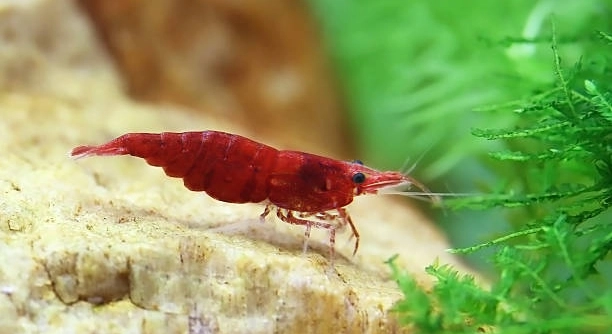
Are your cherry shrimp suddenly racing around the tank, leaving you unsure about what their sudden burst of movement might mean for their comfort and health in your aquarium setup each day you watch them?
Cherry shrimp typically dart across the tank due to environmental stress, sudden changes in water parameters, or natural exploratory behavior. These swift movements often reflect attempts to adapt to shifting conditions that influence their stability, comfort, and overall physiological responses.
Exploring the reasons behind their sudden energy will help you gain a view of what shapes their behavior and harmony.
Common Reasons for Sudden Movement
Cherry shrimp often react strongly to even small changes in their surroundings, and understanding these shifts helps you respond with calm and confidence. Their quick bursts of motion can be linked to changes in temperature, lighting, water flow, or chemical balance. When one of these elements shifts too quickly, shrimp may rush around to search for a stable spot or adjust their breathing. Sometimes the movement is simply a sign that they are grazing more actively or exploring new areas after a recent molt. Other times, it signals discomfort that needs attention. By watching how often the behavior occurs and pairing it with recent tank maintenance, feeding routines, or new additions, you gain a clearer picture of what they are reacting to in real time. Paying attention to these patterns allows you to care for them with more accuracy and reduce sudden stress responses in their tank each passing day.
Their rapid activity often reflects a response to conditions that shift too quickly, making it helpful to track recent changes. Noting alterations in water parameters, feeding habits, or equipment function can give you a steady view of why the behavior appears and how to reduce repeated stress in the tank.
Small shifts in the environment often create patterns that become easier to recognize once you observe your shrimp with a consistent routine. As you keep an eye on their movement, you start to connect certain triggers with predictable reactions. This makes it simpler to adjust lighting, feeding, or cleaning schedules in ways that keep them at ease. Over time, you develop a better sense of what is normal for your tank, which helps you spot early signs of discomfort before they build. This practical awareness supports a calmer setting and gives your shrimp a steadier space to thrive each day.
How to Support Calm Behavior
Keeping shrimp calm depends on steady conditions that support their natural rhythm. Stable temperature, balanced water parameters, gentle flow, and a predictable feeding routine help limit sudden reactions. When these elements remain consistent, your shrimp settle into a relaxed pattern that reflects comfort rather than stress in their tank daily.
Supporting calm behavior in cherry shrimp begins with providing an environment that stays as stable as possible throughout the day. Even slight changes can influence their comfort, so maintaining steady temperature and consistent water parameters helps them feel secure. Regular testing gives you a clear sense of shifts before they grow into larger issues. Gentle filtration reduces sudden bursts of flow that might startle them or push them across the tank faster than they prefer. Offering hiding spots through plants, moss, or small structures gives them places to retreat when they feel unsure. These spaces also help them recover after molting, which is a time when they are more vulnerable. Feeding small amounts on a predictable schedule prevents frantic searching that might look like darting. Avoiding overcrowding keeps their space open enough to explore without competition. When you match your habits to their needs, you create a setting that encourages slow and steady movement. Over time, they respond with relaxed behavior that shows they feel safe, even during moments of maintenance or routine care. A balanced environment strengthens their overall well-being, reduces repeated stress responses, and supports healthier patterns that last. With careful attention, your shrimp settle into a rhythm.
Understanding Stress Signals
Sudden movement often appears when shrimp sense changes that feel uncomfortable to them. Their reactions help you notice when something in the tank may need checking, especially if the behavior repeats more often than usual throughout the day.
Stress becomes more noticeable when temperature shifts quickly, filtration output changes, or new items enter the tank. Shrimp react fast to these disruptions because their bodies adjust slowly to change. Watching for additional signs like hiding more than usual or avoiding certain areas helps you form a clearer view of what is affecting them. When these patterns appear together, it often means the environment needs small adjustments. Keeping a simple routine for water testing and cleaning helps you spot issues early. This steady approach limits surprises and gives your shrimp a more predictable space.
Light changes also influence their comfort. Bright lights turned on suddenly can startle them and lead to darting. Softening the transition between light levels gives them a calmer shift from resting to active periods. Feeding behavior can shift when they feel stressed, and you may see them move quickly if they sense competition. Offering small portions in different spots gives them time to eat without rushing. These small adjustments work together to bring smoother and more relaxed movement patterns.
Environmental Factors That Matter
Environmental factors affect shrimp behavior each day, and keeping these stable helps prevent repeated darting. Temperature, lighting, water flow, and overall tank layout shape how safe they feel. When these elements remain steady, their behavior becomes smoother and more predictable.
Temperature should remain consistent, since even a small rise or drop can trigger quick reactions. A reliable heater and thermometer help you keep the range steady. Water parameters also play a large part in their comfort. Regular testing for ammonia, nitrite, nitrate, and pH gives you a clear view of any changes. Maintaining slow and even water flow prevents them from being pushed around. The layout of the tank, including hiding spots and plants, helps them feel secure. These areas give them a place to rest when they sense movement or activity around them. Lighting that shifts gently instead of abruptly reduces startled behavior. When all these factors work together, shrimp settle into calmer patterns that reflect a comfortable environment.
Feeding Habits and Activity
Feeding can trigger fast movement when shrimp try to reach food before it settles. They often react quickly when scents spread through the water, making their responses look more frantic than usual as they search for each tiny piece.
Offering small portions in several areas helps reduce competition and keeps movement calmer. This approach allows each shrimp to find food without rushing across the tank, creating a smoother feeding routine that supports steady behavior during mealtimes.
How Tank Mates Influence Behavior
Tank mates play a large part in how safe shrimp feel. Even peaceful fish can make them move faster if they share the same space too closely. When shrimp feel watched or crowded, they often dart more. Choosing calm species that leave them alone is essential. Providing enough plants and hiding spots softens interactions and helps shrimp stay relaxed in all areas of the tank. Spreading food throughout the space also reduces sudden encounters with other animals.
Recognizing Normal Exploration
Normal exploring can include quick movements as shrimp check new areas or search for biofilm. These bursts usually settle quickly and appear without signs of distress. Understanding this pattern helps you separate natural behavior from stress-related reactions.
FAQ
Why are my cherry shrimp darting after I change the water?
Even small changes in water chemistry can trigger quick movements. Shrimp are sensitive to sudden shifts in pH, temperature, or hardness. When you replace water, they may dart as they adjust to the new conditions. Using water that closely matches the tank’s parameters and adding it slowly helps reduce this stress response. Gradual changes allow them to acclimate without sudden bursts of activity, keeping them calmer over time. Observing them for a short period after water changes can tell you if the behavior is temporary or needs further adjustments.
Is rapid movement a sign of illness?
Not always. Quick darting is often a reaction to environmental shifts rather than sickness. However, if the behavior is paired with other signs like fading color, missing limbs, or hiding constantly, it may indicate a health issue. Monitoring water quality and observing overall activity patterns helps determine whether action is necessary. Stress from environmental factors can mimic illness symptoms, so ruling out water problems first is crucial. Keeping a stable, clean tank minimizes unnecessary stress and reduces the risk of disease.
Do cherry shrimp dart more at certain times of day?
Yes. Many shrimp are more active when lights first come on or just before they go off. These periods align with natural feeding and exploration cycles. They may move quickly while grazing or checking their surroundings. Maintaining consistent light schedules and feeding routines encourages predictable activity and reduces frantic darting. Observing these patterns helps you recognize normal behavior versus stress-induced movement.
Can tank decorations cause sudden darting?
Yes. New decorations or rearranged plants can startle shrimp. They rely on familiar hiding spots to feel secure. Introducing objects slowly and allowing them to adjust over a few days reduces sudden reactions. Dense planting or well-placed caves helps shrimp feel safe, encouraging smoother, less erratic movements. Monitoring their adjustment period ensures they settle comfortably.
Does overfeeding affect darting behavior?
Overfeeding can indirectly increase rapid movement. Extra food can degrade water quality, leading to ammonia spikes or oxygen changes, which shrimp notice quickly. Feeding small portions, removing uneaten food promptly, and maintaining proper filtration prevent these sudden environmental shifts, reducing frantic swimming. Observing their response after each feeding helps you fine-tune portions for calmer behavior.
Will tank mates make shrimp dart more often?
Yes, even peaceful fish can trigger sudden movement if they invade shrimp space. Shrimp may feel threatened by larger or more active species. Providing plants, hiding spots, and spreading food reduces stress and gives shrimp opportunities to move freely without fear. Choosing compatible species and ensuring enough space helps maintain calm behavior.
How can I tell the difference between normal exploring and stress-induced darting?
Normal exploring is usually brief and purposeful, like grazing or checking a new plant. Stress-induced darting is rapid, repeated, and often includes sudden changes in direction or hiding afterward. Watching the frequency, context, and accompanying signs, like color change or isolation, clarifies the cause. Keeping track of patterns over several days provides a reliable view of what is normal for your shrimp.
Does water flow influence darting?
Strong currents can push shrimp unexpectedly, causing sudden movements. Shrimp prefer gentle, steady flow. Adjusting filtration or adding flow-reducing elements helps them navigate without frequent bursts of speed. Observing areas of frequent darting identifies spots where flow may be too strong. Softening currents improves comfort and supports natural behavior.
Can temperature fluctuations cause darting?
Yes. Shrimp are sensitive to both increases and decreases in temperature. Rapid shifts make them move quickly as they try to find a stable spot. Maintaining a steady range with a reliable heater and thermometer prevents these stress reactions. Small, gradual changes are less likely to trigger frantic swimming.
What should I do if darting persists after addressing common factors?
Persistent darting may indicate hidden issues, such as chemical contamination or undetected tankmates stress. Double-check water parameters, examine plants and decorations for sharp edges, and monitor interactions carefully. Sometimes multiple small factors combine to create constant agitation. Tracking patterns and making gradual adjustments usually resolves the issue.
This FAQ provides detailed guidance for most causes of darting behavior, helping you maintain a stable, comfortable environment for your cherry shrimp and ensuring their daily activity remains natural and healthy.
Final Thoughts
Watching cherry shrimp dart across the tank can be both fascinating and a little worrying at times. Their quick movements are often a natural reaction to changes in their environment, but repeated bursts can also indicate stress or discomfort. Understanding what causes these behaviors helps you create a more stable and comfortable space for them. Paying attention to water parameters, tank layout, feeding routines, and tank mates allows you to reduce sudden movements and keep your shrimp calm. Small adjustments, like adding more hiding spots or spreading food evenly, can make a noticeable difference in how they behave daily. Over time, observing patterns helps you distinguish between normal exploratory behavior and reactions to stress, giving you confidence in caring for them properly.
Maintaining a steady environment is key to preventing frantic darting. Cherry shrimp are sensitive to temperature changes, water chemistry shifts, and even variations in light or flow. Gradual changes rather than sudden adjustments help them acclimate without excessive movement. Regular testing of water parameters, keeping a consistent feeding schedule, and providing gentle water flow all contribute to a calmer atmosphere. Tank layout matters as well. Dense plants, moss, and small structures give them areas to retreat and explore safely. This approach not only reduces stress but also encourages natural behaviors, like grazing and molting, to occur smoothly. Paying attention to their comfort ensures they remain active and healthy without unnecessary bursts of speed.
Even with careful observation and adjustments, occasional darting is normal. Cherry shrimp are naturally curious and sometimes react quickly to new stimuli. The goal is not to eliminate all sudden movements but to minimize frequent stress-induced reactions. By maintaining a balanced tank, monitoring water conditions, and providing a secure space, you create a supportive environment that encourages steady, calm activity. Learning their typical patterns allows you to respond appropriately when changes happen. Over time, you can enjoy watching them move confidently around the tank, knowing that their behavior reflects comfort rather than distress. Understanding these factors strengthens your ability to care for your shrimp and ensures a healthy, thriving aquatic environment.

Hello,
If you enjoy the content that we create, please consider saying a "Thank You!" by leaving a tip.
Every little bit helps us continue crafting quality advice that supports the health, happiness, and well-being of pets around the world, for pets of all shapes, sizes, and species.
We really appreciate the kindness and support that you show us!