
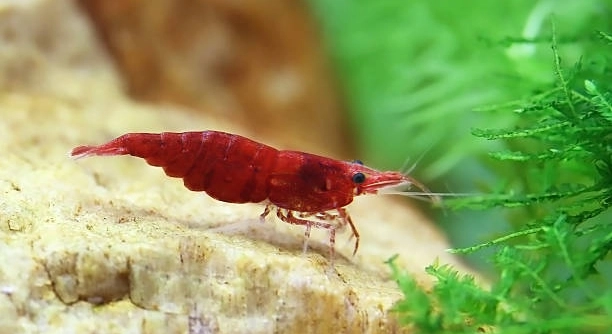
Many aquarists enjoy watching their cherry shrimp explore the tank, and it can be interesting to notice how their interactions change when breeding behaviors begin to appear in a peaceful and balanced aquatic environment daily.
Cherry shrimp demonstrate selective mating behaviors influenced by factors such as color intensity, health, and overall vitality. These preferences shape pairings within stable colonies, indicating that environmental conditions and genetic quality play significant roles in determining reproductive choices among individuals.
As you learn more about their subtle habits, you may find new insight into how small details influence harmony today.
Understanding Mating Signals
Cherry shrimp rely on simple cues to interact, and understanding these signals can help you see how they decide which partners to approach. Their behavior may look random at first, but as you observe them closely, small patterns begin to stand out. Healthy individuals move with steady confidence, and this calm movement often draws attention from others. Color also plays a part, since brighter shrimp tend to appear more appealing within the group. When conditions are stable, you may notice specific shrimp lingering near others that show similar energy levels. This steady rhythm creates a sense of balance inside the tank, allowing the group to form natural pairings. By paying attention to these details, you gain a clearer idea of how selective their interactions can be. Each small sign helps build a bigger picture of their preferences, making the behavior easier to understand once you spend time watching them closely.
These subtle signals guide how cherry shrimp choose partners, helping shape the stability of the colony. When you recognize these patterns, it becomes easier to support their needs and maintain an environment that encourages consistent interactions and healthy breeding behavior within the tank each day to keep them thriving together.
Observing cherry shrimp during active periods can help you notice how their preferences shift with changes in lighting, food quality, and tank layout. Small adjustments may influence how often they interact, and paying attention to these changes can guide your care routine. When shrimp feel secure, their natural behavior becomes easier to read, allowing you to support stable pairings. Clear water, gentle filtration, and balanced feeding all contribute to smoother interactions. As you continue watching them, you may start to pick up their subtle signals, making the entire process feel more connected and easier to understand over time your aquarium.
Key Influences on Selective Behavior
Several factors shape how cherry shrimp choose mates, and understanding these elements can help you support stable breeding patterns. Color intensity, overall strength, and steady movement often play major roles in guiding their interest, especially when the tank offers calm conditions that help them feel secure and active each day.
Healthy shrimp tend to show stronger colors, and this visual signal often influences how others respond to them. Brighter individuals usually stand out, drawing attention more quickly within the group. Their movements also shape interactions, since steady and confident activity often signals good condition. When shrimp appear sluggish, they may be overlooked by others who focus on stronger partners. Water quality supports these dynamics, since clear and stable conditions help shrimp maintain color and energy. A tank with gentle flow, balanced minerals, and steady temperature encourages shrimp to behave naturally. Food quality also plays a direct role, as nutrient rich meals support growth and color development. When shrimp receive a balanced diet, their appearance and behavior usually improve, making them more visible to potential partners. Space matters too, because crowded environments limit interactions and reduce the chances of forming stable pairings. A well planned layout with plants and hiding spots gives shrimp room to move freely without stress. As you pay attention to these factors, you can create an environment that supports selective behavior and helps the colony thrive in a steady and comfortable way. This approach allows each shrimp to interact naturally and supports term balance within their space.
Environmental Conditions That Shape Behavior
Stable water conditions support consistent activity and make selective behavior easier to notice. When parameters remain steady, shrimp maintain stronger color and better energy, which influences how they interact with potential partners. A calm setting also prevents stress, allowing natural behaviors to appear more clearly during active periods in the tank.
Healthy breeding patterns depend on temperature, clarity, and mineral balance. When these elements stay within a safe range, shrimp show smoother movements and stronger signals that guide partner choice. Clean water helps maintain color, while steady warmth keeps them active enough to recognize and respond to other individuals. Plants and hiding spots reduce tension, giving each shrimp room to move naturally without constant interruption. Light levels also affect behavior, since soft lighting encourages normal activity while harsh brightness can cause them to retreat. By keeping everything consistent, you help them stay comfortable and ready to interact with confidence.
A well maintained tank allows shrimp to conserve energy for natural behaviors rather than coping with stress. When ammonia and nitrite remain at zero, shrimp can focus on moving freely and exploring without hesitation. Regular water changes restore minerals that support shell health and steady activity, helping each shrimp remain appealing to others. Current strength matters too, since gentle flow prevents fatigue and encourages balanced movement. When these conditions come together, the colony becomes more active and interactions appear more coordinated, making selective tendencies easier to recognize with daily observation.
How Group Dynamics Affect Pairing
Group size influences how cherry shrimp interact, since smaller colonies often show clearer patterns while larger groups create more scattered behavior due to increased competition and movement. Balanced numbers help maintain calmer interactions, allowing selective tendencies to appear without constant disruptions from overcrowding.
Shrimp react to one another through simple cues, and their placement in the tank often shapes how often they cross paths. When each shrimp has enough space to move freely, interactions feel calmer and more organized. Overcrowded spaces create constant interruptions, making selective behavior harder to notice and limiting healthy pairings. A colony that grows too quickly may develop uneven activity levels, causing some individuals to miss chances to interact. Separating groups or expanding the space can restore balance. Tank layout also guides these dynamics, since plants, mosses, and open areas create clear zones where shrimp gather and explore at a steady pace. When you pay attention to these patterns, it becomes easier to understand how group behavior influences selective mating within their shared space.
Recognizing Subtle Courtship Behaviors
Cherry shrimp show interest through small movements that repeat in short bursts. These behaviors often include quick approaches, brief pauses, and steady hovering near another shrimp. When these patterns appear regularly, they usually signal growing attention between individuals inside a calm and stable tank.
Short chases can also occur, especially when a receptive female releases pheromones into the water. Males respond quickly and move with more urgency, creating a brief period of increased activity. When conditions stay stable, these patterns become easier to recognize and understand.
How Molting Influences Mating Interest
Molting plays a major role in shaping activity, since females become most receptive shortly after shedding their shell. During this time, pheromones spread through the water and attract males from across the tank. When the environment remains clean and steady, the response becomes more noticeable. Males search actively, moving through plants and open areas with more determination. Females often stay still after molting, giving males a chance to locate them without added stress. Good nutrition supports proper molting, making this period more predictable and easier to observe in a healthy colony.
When Behavior Becomes More Active
Periods of increased feeding, stable lighting, and balanced warmth often lead to more noticeable activity. These conditions encourage shrimp to move confidently, making selective interactions clearer and easier to identify during regular observation.
FAQ
Do cherry shrimp choose mates based on color?
Cherry shrimp often respond more strongly to individuals with brighter and richer coloration. Strong color usually signals good health and steady development, which makes these shrimp more noticeable within the group. While color is not the only factor, it plays a meaningful role in how they interact. Shrimp with clearer pigmentation tend to receive more attention because they appear stronger and more stable. When conditions support good nutrition and clean water, color becomes more vibrant, making selective behavior easier to notice during active periods in the tank.
Can poor water quality affect selective mating behavior?
Poor water conditions can weaken activity levels and reduce the clarity of signals shrimp use to interact. When water parameters fall outside safe ranges, shrimp may become sluggish, which can limit their chances of attracting attention. This stress can cause faded colors and slower movement, both of which influence how others respond. Stable temperature, balanced minerals, and regular maintenance help each shrimp behave naturally, allowing selective tendencies to appear more clearly. Clean water also supports proper molting, which plays a major role in mating readiness and overall reproductive activity.
Are males more active than females during mating periods?
Males usually show higher activity levels when pheromones enter the water. After a female molts, she becomes receptive, and this triggers energetic searching behavior from males. They move through plants, across open areas, and around structures with more urgency. Females typically remain still during this time because they need to conserve energy after shedding their shell. This difference in behavior makes it easy to identify mating periods, especially when the tank remains stable and calm.
Does group size change how shrimp choose partners?
Group size shapes how often shrimp cross paths, which affects their chances of interacting with desirable partners. Small groups make selective behavior more visible because there are fewer interruptions. Larger colonies create more movement, which can scatter interactions and make behavior less predictable. Crowding can also cause slight stress, reducing the clarity of signals shrimp use to communicate interest. A tank that offers enough space, hiding spots, and open areas helps maintain balanced interactions regardless of colony size.
Can diet influence how appealing a shrimp appears to others?
A nutrient rich diet supports strong coloration, smooth movement, and healthier molting cycles, all of which influence how appealing a shrimp becomes. Foods that contain minerals, proteins, and natural color boosters help shrimp maintain a vibrant appearance. When a shrimp looks stronger and more colorful, it becomes easier for others to notice. Stable feeding routines encourage consistent energy levels, making interactions smoother and more predictable. Good nutrition also reduces stress, helping each shrimp show clear signals during active breeding periods.
Do lighting conditions affect selective behavior?
Lighting plays a quiet but important role in shaping activity. Soft and steady lighting encourages normal movement, which helps shrimp interact naturally without sudden retreat. Harsh lighting can make them hide more often, reducing visible interactions. Balanced brightness supports calm exploration and helps shrimp notice each other’s signals more clearly. When lighting remains consistent, shrimp feel more secure, which encourages stable behaviors and makes selective tendencies easier to observe each day.
Can selective behavior change over time?
Selective tendencies may shift as shrimp age, gain color, or recover from stress. Young shrimp may show less predictable patterns because they are still developing. As they mature, their signals become clearer and more defined. Environmental changes, improved diet, or increased stability can also influence how they interact. When the tank supports long term comfort, shrimp often show more consistent patterns, making it easier to recognize their preferences over time.
Final Thoughts
Cherry shrimp show many small patterns that help explain how they interact and choose partners, and these patterns become easier to notice when the tank stays stable. Their behavior may seem simple at first, but each movement has a purpose that supports their daily rhythm. When you give them a calm environment, they respond with steady activity that makes their preferences more visible. Color, health, and confidence all play a part in guiding how they connect with one another. Even small details, like the softness of the lighting or the placement of plants, can shape the way they behave. These subtle influences help create a balanced space where shrimp feel secure enough to show natural interest in specific partners. Over time, these signs become familiar, and you may find yourself recognizing small habits that once felt random or confusing.
Maintaining consistent conditions allows their selective behavior to unfold without disruption. Clean water supports smooth molting, which plays a major role in how often females become receptive and how quickly males respond to their signals. When these cycles remain predictable, it becomes easier to understand why activity levels rise at certain times. Food quality adds another layer of influence, since better nutrition keeps their color strong and their movement steady. Shrimp that receive a balanced diet often appear brighter and more appealing, which shapes how they fit into the group. Group size also affects these dynamics, because crowded environments can overwhelm their natural patterns. Giving them enough room to move, hide, and explore encourages calm behavior and reduces stress. When shrimp feel safe, their interactions become clearer, and their selective tendencies become easier to interpret.
Watching how these elements come together offers a sense of connection to the shrimp and helps you appreciate their simple but meaningful behaviors. You begin to notice how a slight shift in water clarity or a small change in temperature shapes their day. You may find that you understand their habits more deeply as time passes, making it easier to provide what they need. This steady attention helps the colony thrive, creating an environment where every shrimp has the chance to behave naturally. Their selective patterns are not dramatic, but they tell a quiet story about how they respond to their surroundings. By learning these details and supporting them with consistent care, you help them live in a space where their natural behavior can continue without interruption.

Hello,
If you enjoy the content that we create, please consider saying a "Thank You!" by leaving a tip.
Every little bit helps us continue crafting quality advice that supports the health, happiness, and well-being of pets around the world, for pets of all shapes, sizes, and species.
We really appreciate the kindness and support that you show us!