
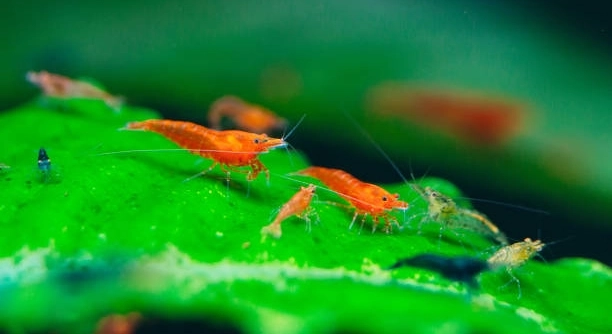
Can cherry shrimp truly thrive in tanks that rely solely on algae for sustenance? Many shrimp enthusiasts have tried minimalistic approaches, but the question of survival in such environments remains a topic of careful consideration and observation.
Cherry shrimp cannot fully survive on algae alone. While algae provide some nutrients, they lack the essential proteins, vitamins, and minerals required for growth, molting, and reproduction. Supplementary foods or diverse tank plants are necessary for their long-term health.
Understanding the balance between algae and supplemental feeding is essential to maintaining a healthy shrimp tank ecosystem. Proper care ensures their vitality and encourages a thriving aquatic environment.
Understanding Algae as a Food Source
Algae can be a helpful part of a cherry shrimp’s diet, but it is far from sufficient on its own. While algae provide some natural nutrients, they do not offer enough protein or essential vitamins for shrimp to grow properly. Relying solely on algae can lead to slow growth, molting problems, and weakened immune systems. Even in tanks where algae is abundant, shrimp may not get the balanced nutrition they need. Observing shrimp behavior in an algae-only tank often shows them searching for additional food sources or leaving the algae untouched if it lacks nutrients. To maintain healthy shrimp, it is necessary to include supplemental feeding. Options like specialized shrimp pellets, blanched vegetables, or even tiny bits of protein-rich foods can make a significant difference. By providing a mix of algae and supplemental foods, shrimp can thrive and maintain vibrant colors and energy.
Algae alone cannot meet all dietary needs for cherry shrimp. Balanced nutrition is essential for healthy shrimp growth.
Combining algae with high-quality supplemental foods ensures shrimp get all nutrients necessary. Regular observation and careful feeding prevent deficiencies and promote a healthy, active tank environment. Even a small addition of vegetables or pellets can improve molting, reproduction, and overall shrimp vitality.
Signs Your Shrimp Are Lacking Nutrition
Shrimp that are undernourished show noticeable changes in behavior and appearance. They may become less active, hide more frequently, or fail to molt properly. Over time, their colors can fade, and their bodies may appear thin or weak.
Observing shrimp regularly helps detect nutritional issues before they become severe. Adjusting the diet promptly can reverse many problems.
A lack of proper nutrition can impact shrimp reproduction and overall health. Shrimp that do not receive sufficient protein or essential vitamins may fail to produce healthy offspring. Even if algae are abundant, the tank may need supplemental foods to support the shrimp’s dietary requirements. Providing a variety of food ensures that shrimp get all the nutrients they need for growth, molting, and maintaining vibrant colors. Careful attention to tank conditions and food quality makes a visible difference in shrimp activity and overall well-being. Monitoring feeding habits and adjusting the diet prevents long-term health issues.
Algae Types Suitable for Shrimp
Not all algae are equal for cherry shrimp. Green algae like Cladophora and certain filamentous types are safer and more nutritious. Harmful algae or those with toxins can stress or harm shrimp, so careful observation of tank growth is important to prevent issues.
Shrimp can graze on soft green algae, which offer some fiber and trace nutrients. Hair algae and biofilm also provide a grazing surface, though they are not complete diets. Avoid blue-green algae or algae that overgrow quickly, as they can deplete oxygen and release harmful compounds. Keeping the tank balanced with a controlled algae population allows shrimp to access food without risking water quality. Regular monitoring of algae growth ensures shrimp have enough to feed on while maintaining a healthy environment.
Even beneficial algae need support from other foods to keep shrimp healthy. Combining algae with blanched vegetables or shrimp-specific pellets ensures proper growth, molting, and coloration. Too much reliance on algae alone can lead to deficiencies and slower development. By observing how shrimp interact with algae and supplementing wisely, it is possible to create a balanced tank that supports both algae growth and shrimp nutrition. This approach maintains activity, health, and reproductive success over time.
Supplementing Algae for Balanced Nutrition
Adding supplemental foods is essential when algae alone cannot meet dietary needs. Blanched vegetables, shrimp pellets, or protein-based options ensure proper growth and prevent nutrient deficiencies.
Shrimp benefit from a variety of supplements alongside algae. Pellets provide essential vitamins, while vegetables like zucchini or spinach supply fiber and trace nutrients. Occasionally, protein-rich options such as tiny bits of fish or shrimp food can help during molting periods. A balanced approach prevents health issues, supports reproduction, and keeps shrimp active. Mixing supplements with natural algae allows shrimp to choose foods, promoting normal behavior. Regular feeding schedules and observation of shrimp health ensure they receive what is needed without overfeeding, which can harm water quality.
Maintaining Water Quality in Algae Tanks
Water quality directly affects shrimp health. Algae-only tanks can accumulate waste and organic matter quickly, which may lead to ammonia spikes and poor oxygen levels if not monitored carefully. Regular water changes are essential to maintain safe conditions.
Filtration and aeration help keep water clean and oxygenated. Even with algae present, stagnant areas can develop where waste settles. Checking water parameters like ammonia, nitrite, nitrate, and pH ensures a stable environment. A clean tank supports shrimp growth, molting, and reproduction while preventing stress or disease. Consistency in maintenance is key for long-term success.
Monitoring Shrimp Behavior
Shrimp behavior provides clues about their well-being. Lethargy, hiding, or reduced feeding often indicate stress or nutrient deficiency. Observing shrimp daily helps identify problems early.
Regular observation allows adjustments in feeding, water quality, or tank setup. Active, colorful shrimp generally indicate a healthy environment. Consistent monitoring prevents long-term issues and ensures shrimp thrive.
Controlling Algae Growth
Algae growth must be balanced to support shrimp without overwhelming the tank. Excessive algae can deplete oxygen and trap debris, harming shrimp health.
Regular trimming or controlled lighting prevents overgrowth. Maintaining balance allows shrimp to feed naturally while keeping the tank safe and clean.
FAQ
Can cherry shrimp survive on algae alone?
Cherry shrimp cannot thrive on algae alone. Algae provide some nutrients and grazing surfaces, but they lack essential proteins, vitamins, and minerals necessary for growth, molting, and reproduction. Supplementing with shrimp-specific pellets or blanched vegetables ensures proper nutrition and keeps shrimp healthy over time.
What types of algae are safe for shrimp?
Soft green algae, such as Cladophora, filamentous algae, and biofilm, are generally safe for shrimp. Avoid blue-green algae and algae that grow too quickly, as they can deplete oxygen or release harmful compounds. Monitoring algae growth and maintaining balance prevents stress and keeps water quality stable.
How often should I feed supplemental foods?
Supplemental foods should be offered in small amounts daily or every other day. Overfeeding can pollute the water and encourage excessive algae growth. A mix of shrimp pellets, blanched vegetables, and occasional protein bits provides a balanced diet without compromising water quality.
What signs show shrimp are undernourished?
Underfed shrimp may appear lethargic, hide more often, or fail to molt properly. Their colors may fade, and bodies can look thin or weak. Reduced reproduction or poor egg development is another indicator. Adjusting their diet promptly can reverse these problems and restore activity and vibrancy.
Can shrimp reproduce in algae-only tanks?
Reproduction is limited in algae-only tanks because shrimp require protein and vitamins to support egg development and healthy larvae. Adding supplemental foods helps maintain reproductive cycles and ensures offspring grow strong and survive past their early stages.
Is algae sufficient for baby shrimp?
Baby shrimp, or shrimplets, need more than algae to grow. Their small size requires high-protein foods and vitamins for proper development. Powdered or finely crushed shrimp food is often necessary until they are large enough to graze effectively on algae and biofilm.
How do I prevent algae from taking over?
Control lighting and nutrient levels to prevent algae overgrowth. Regular trimming and cleaning help keep growth balanced. Excessive algae can trap debris, reduce oxygen, and create unsafe conditions for shrimp, so maintaining balance is crucial for a healthy tank.
Can I rely on natural algae growth alone?
Natural algae growth rarely provides complete nutrition. While it offers grazing surfaces, shrimp still need supplemental foods for essential nutrients. Observing feeding habits and adding a mix of pellets or vegetables ensures shrimp remain healthy and active.
How does water quality affect shrimp in algae-only tanks?
Poor water quality from excess algae or organic matter can harm shrimp. High ammonia, nitrites, or nitrates stress shrimp and slow growth. Regular water changes, filtration, and monitoring of parameters keep shrimp safe and thriving in an algae-rich environment.
What is the best way to combine algae with supplemental foods?
Provide a mix of natural algae, pellets, and blanched vegetables in small amounts. Let shrimp choose what they eat. This encourages normal behavior while ensuring all nutritional needs are met. Regular observation ensures no overfeeding occurs and water quality remains stable.
Can shrimp survive long-term on algae if I maintain water quality?
Even with excellent water quality, algae alone cannot sustain shrimp long-term. They require a variety of nutrients from supplemental foods to support molting, coloration, and reproduction. Combining algae with additional feeding is essential for their overall well-being and longevity.
How do I know if my tank has enough algae?
Shrimp should be able to graze consistently without searching desperately for food. If they appear hungry or nibble on surfaces with no growth, it indicates insufficient algae. Supplementation is necessary to fill the gap and maintain their health.
Are there any risks with too much algae?
Yes. Excessive algae can reduce oxygen, trap debris, and disrupt water flow. Shrimp may struggle to move or feed efficiently, leading to stress. Regular trimming, controlled lighting, and monitoring tank nutrients help maintain a healthy balance between algae and shrimp needs.
What is the easiest supplemental food for beginners?
Blanched vegetables like zucchini, spinach, or cucumber are simple and effective. Shrimp pellets designed for cherry shrimp are also convenient and nutritionally complete. Offering a combination ensures all essential vitamins, minerals, and proteins are provided while keeping feeding manageable.
How can I observe if shrimp are eating enough?
Active shrimp grazing on algae and supplemental foods, vibrant colors, and regular molting indicate adequate nutrition. If shrimp hide frequently or appear weak, it is a sign that feeding amounts or variety should be adjusted.
Can algae alone support molting?
Algae do not provide sufficient protein or minerals for healthy molting. Shrimp need supplemental foods to strengthen exoskeletons and ensure successful molts. Without proper nutrition, molting may fail, leading to stress or injury.
What’s the best way to introduce supplemental food to an algae tank?
Start with small portions mixed with algae surfaces or placed near grazing areas. Observe shrimp activity and adjust as needed. Over time, they will balance grazing on algae with eating supplemental foods, ensuring a complete diet without overwhelming the tank.
Do shrimp prefer certain algae over others?
Yes, shrimp favor soft green algae and biofilm that is easy to graze. Hard or filamentous algae may be avoided. Offering a mix ensures shrimp get nutrients and maintain natural feeding behavior.
How do I encourage natural algae growth without overdoing it?
Control light duration and intensity, maintain proper nutrient levels, and avoid overfeeding. This allows healthy algae growth that supports shrimp without compromising water quality or creating overgrowth issues.
Can algae provide all hydration needs for shrimp?
Algae contribute to hydration but do not replace the need for clean, oxygenated water. Adequate water changes and filtration remain essential to maintain a safe and balanced environment for shrimp health.
How often should I monitor shrimp in algae-only tanks?
Daily observation is recommended. Watch for activity levels, grazing habits, color, and molting. Early detection of issues with nutrition or water quality allows timely intervention to prevent health problems.
Can I use frozen or dried algae as a supplement?
Yes, frozen or dried algae can supplement diets, but they should not replace fresh algae entirely. They provide some nutrients but need to be combined with other foods to ensure complete nutrition for growth and reproduction.
Does tank size affect algae survival for shrimp?
Larger tanks may support more natural algae growth, but shrimp density and water flow also matter. Small tanks can have algae quickly depleted, requiring more supplemental feeding to ensure shrimp get enough nutrients.
Can cherry shrimp survive solely on biofilm?
Biofilm provides some nutrients but is not sufficient for long-term survival. It lacks protein and essential minerals, making supplemental feeding necessary for healthy growth, molting, and reproduction.
How do seasonal changes affect algae growth?
Light, temperature, and nutrient availability influence algae growth. During low-light or colder periods, algae may slow, requiring increased supplemental feeding to maintain shrimp nutrition. Seasonal monitoring ensures shrimp remain healthy year-round.
What is the ideal balance between algae and supplemental food?
Algae should cover grazing needs, while supplemental foods provide proteins and vitamins missing in algae. Observing shrimp behavior and adjusting feeding ensures nutritional balance without overfeeding or compromising water quality.
How do I prevent shrimp from overeating supplemental food?
Offer small amounts at a time and remove uneaten portions after a few hours. Observing shrimp feeding habits ensures they consume necessary nutrients without polluting the tank.
Can algae-only tanks support multiple shrimp species?
Algae-only tanks may support multiple species, but dietary needs differ. Some shrimp species require higher protein intake, so relying solely on algae may not meet all species’ requirements. Supplemental feeding ensures all species remain healthy.
How do I maintain consistent algae growth?
Control light, nutrients, and water parameters consistently. Avoid sudden changes that can cause die-offs or overgrowth. A stable environment supports shrimp grazing and reduces stress from inconsistent food availability.
Are there any long-term risks of relying on algae?
Long-term reliance on algae alone can lead to nutrient deficiencies, poor molting, faded colors, and reduced reproduction. Regular supplemental feeding is essential to maintain shrimp health and prevent chronic deficiencies.
How can I introduce algae gradually?
If starting a new tank, allow algae to grow slowly on surfaces. Introduce shrimp gradually to avoid starvation, while providing supplemental foods until algae is established. This ensures shrimp have consistent nutrition during early tank development.
Can I use algae wafers from fish tanks?
Algae wafers can supplement shrimp diets but should not replace fresh algae entirely. They provide nutrients but need to be combined with vegetables and pellets to meet all dietary requirements.
How do I clean algae without harming shrimp?
Trim algae carefully using tools or remove excess manually. Avoid chemicals, which can stress or kill shrimp. Regular maintenance keeps algae under control while allowing shrimp to graze naturally.
Is it possible to completely remove supplemental feeding eventually?
Completely removing supplemental feeding is not recommended. Algae alone do not provide complete nutrition, and shrimp will suffer from deficiencies over time. Balanced feeding is necessary for long-term survival and reproduction.
How do I know if supplemental food is being consumed?
Observe shrimp actively grazing on pellets or vegetables. Uneaten food indicates overfeeding or lack of interest. Adjust quantities or types to ensure they are consuming necessary nutrients.
What is the role of biofilm in an algae tank?
Biofilm complements algae by providing additional nutrients and grazing surfaces. While not a complete diet, it helps shrimp feed naturally and supports their activity, especially in conjunction with supplemental foods.
Can I grow algae specifically for shrimp?
Yes, controlling light, nutrients, and surfaces encourages algae growth suitable for shrimp grazing. Maintaining balance ensures healthy shrimp without overgrowth or water quality issues.
Do shrimp eat algae at night or during the day?
Shrimp often graze throughout the day and night, though activity peaks vary by species. Providing constant access to algae and supplemental food ensures they get consistent nutrition regardless of time.
Is there a preferred feeding order for algae and supplements?
Offer supplemental foods alongside natural algae, allowing shrimp to graze on both. Avoid giving too much supplement at once, which can overshadow natural grazing and create water quality issues.
Can overfeeding algae cause water parameter swings?
Yes, excess algae can decay and increase ammonia, nitrite, and nitrate levels. Regular monitoring and controlled feeding prevent harmful fluctuations and maintain a stable environment for shrimp.
How do I balance shrimp density with algae availability?
Ensure the number of shrimp matches the available algae and supplemental food. Too many shrimp with limited food leads to competition, stress, and nutrient deficiencies. Proper density ensures all shrimp have access to sufficient nutrition.
Does lighting intensity affect shrimp feeding?
Yes, higher light encourages algae growth, providing more grazing surfaces. However, too much light can cause excessive algae and oxygen issues. Balance lighting for optimal growth and safe feeding conditions.
Can algae-only tanks be used for breeding?
Algae alone is not sufficient for successful breeding. Supplemental foods with protein and vitamins are needed for healthy egg development, larval growth, and survival. A mix of algae and supplements supports reproductive success.
How long can shrimp survive on algae alone?
Survival may be possible for a short period, but long-term health, molting, and reproduction require supplemental nutrition. Algae alone is insufficient to sustain shrimp over months or years.
Are live plants helpful alongside algae?
Yes, live plants complement algae by providing additional surfaces, nutrients, and oxygen. Plants also absorb excess waste, improving water quality and supporting overall shrimp health.
Can algae growth fluctuate seasonally?
Seasonal changes in light, temperature, and nutrients affect algae growth. During low-growth periods, supplemental feeding becomes more important to maintain shrimp nutrition.
What is the easiest way to start an algae-rich shrimp tank?
Provide stable lighting, nutrient-rich surfaces, and controlled feeding. Introduce shrimp gradually, supplement foods as needed, and monitor water quality to ensure healthy growth and consistent grazing opportunities.
How do I store supplemental foods?
Store pellets and dried foods in a cool, dry place to preserve nutrients. Blanched vegetables should be refrigerated or frozen for short-term use to prevent spoilage and maintain shrimp health.
Can I rotate types of supplemental foods?
Yes, rotating pellets, vegetables, and protein bits ensures shrimp get a variety of nutrients. This prevents deficiencies and encourages natural grazing behavior alongside algae.
Do shrimp need special minerals from supplements?
Yes, minerals like calcium and magnesium are necessary for molting and exoskeleton strength. Algae alone cannot supply enough, so supplements or mineral-rich foods are important for healthy growth.
How do I prevent shrimp from ignoring algae?
Shrimp may ignore algae if supplemental food is too abundant. Offer smaller portions of supplements to encourage grazing on algae while still meeting nutritional needs.
Can algae-only tanks support shrimp during molting?
Algae alone is insufficient during molting. Shrimp require protein and minerals to strengthen new exoskeletons. Supplemental foods prevent molting issues and reduce stress.
What is the role of trace nutrients in supplemental feeding?
Trace nutrients like iodine, iron, and vitamins support growth, coloration, and reproduction. Algae may provide some, but supplements ensure consistent availability and prevent deficiencies.
How do I avoid overgrowth in algae tanks?
Control light, nutrients, and feeding, and trim algae regularly. Maintaining balance prevents water quality problems while still providing grazing surfaces for shrimp.
Can shrimp survive on algae during winter?
Algae growth slows in colder months, making supplemental feeding critical. Without additional nutrition, shrimp may experience slower growth, poor molting, and weakened immunity.
How do I make algae more nutritious?
Encourage biofilm growth and combine with mineral-rich supplements. Feeding shrimp a mix of algae and additional foods ensures they receive a complete diet for health and reproduction.
Are some shrimp species more dependent on supplements?
Yes, cherry shrimp need more protein than algae alone provides. Other species may have different requirements, but most benefit from supplemental feeding to support growth and reproduction.
Can overfeeding supplements harm shrimp?
Yes, excess food can pollute water and stress shrimp. Offer small amounts, remove leftovers, and monitor water quality to prevent negative effects.
How do I know if algae is enough for grazing?
Shrimp should consistently feed on algae without searching for alternative sources. If they appear hungry, supplementing is necessary to prevent nutrient deficiencies.
What is the best way to clean algae without disturbing shrimp?
Manually trim or gently remove excess algae with tools. Avoid chemicals and strong currents, which can stress or harm shrimp. Regular maintenance balances algae growth with shrimp safety.
Do shrimp prefer live or dried supplemental foods?
Live or blanched foods are often more appealing, but dried pellets provide consistent nutrients. A combination ensures variety and balanced nutrition alongside algae.
How do I manage multiple tanks with algae-only setups?
Monitor each tank’s algae growth, shrimp density, and water quality individually. Adjust supplemental feeding and maintenance to match the specific needs of each tank and population.
Can I propagate algae from one tank to another?
Yes, transferring small amounts of healthy algae to another tank helps establish grazing surfaces. Ensure it is free from pests or harmful compounds before introducing it to new tanks.
Is over-trimming algae harmful?
Yes, excessive trimming reduces grazing surfaces and nutrients. Trim carefully, leaving enough algae and biofilm for shrimp to feed while controlling overgrowth.
How do I support shrimp coloration in algae tanks?
Balanced feeding with supplements rich in carotenoids and vitamins supports vibrant colors. Algae alone is insufficient to maintain brightness and intensity in shrimp coloration.
Can algae-only tanks be maintained without supplements if shrimp are low-density?
Even at low density, algae alone is rarely enough for long-term health. Supplements ensure essential nutrients for growth, molting, and reproduction, regardless of shrimp numbers.
How do I ensure consistent biofilm growth?
Maintain stable water parameters, avoid over-cleaning, and provide surfaces for grazing. Biofilm complements algae and supports natural shrimp feeding behavior alongside supplemental foods.
Are homemade shrimp foods effective supplements?
Yes, homemade blends of vegetables, proteins, and minerals can supplement diets. They should be carefully prepared to ensure balanced nutrition and prevent water quality issues.
Can shrimp survive on algae if the tank is well-planted?
Plants help maintain water quality but do not replace supplemental nutrition. Shrimp still need protein and vitamins beyond what algae and plants provide to thrive.
How do I balance algae growth and supplemental feeding?
Provide controlled algae growth, small supplemental portions, and observe shrimp feeding behavior. Adjust as needed to maintain a healthy diet and clean tank environment.
Can overgrown algae block light for plants?
Yes, excessive algae can shade plants, limiting photosynthesis. Regular trimming ensures both plants and algae coexist without harming shrimp or tank balance.
How do I avoid stress from sudden algae die-offs?
Maintain stable water parameters and avoid abrupt lighting or nutrient changes. Gradual adjustments prevent mass algae die-offs that could harm shrimp and degrade water quality.
What is the role of diversity in shrimp diets?
Variety ensures all nutrients are met. Combining algae, biofilm, vegetables, pellets, and occasional protein prevents deficiencies, supports growth, molting, coloration, and reproduction.
Can shrimp adapt to algae-only diets over time?
No, shrimp cannot adapt to survive long-term on algae alone. Supplements remain necessary for complete nutrition, even if algae is abundant.
How do I reduce algae overgrowth while feeding shrimp?
Control lighting, nutrients, and feeding. Offer supplements in measured portions and trim excess algae regularly to maintain balance and water quality.
Are frozen vegetables suitable for long-term feeding?
Yes, frozen vegetables provide consistent nutrients when fresh options are unavailable. Blanching before feeding ensures they are safe and digestible for shrimp.
How do I balance feeding during low algae periods?
Increase supplemental foods gradually to meet nutritional needs. Monitor shrimp activity and water quality to prevent overfeeding or nutrient deficiencies during reduced algae growth.
Can shrimp survive in tanks with very little algae?
Yes, if they receive sufficient supplemental foods. Algae provides grazing surfaces and minor nutrients, but shrimp can thrive with well-balanced diets even if natural algae is minimal.
How do I track shrimp health in algae-only setups?
Observe activity, molting, coloration, feeding habits, and reproduction. Any changes may indicate dietary or water quality issues that need immediate attention.
Is partial algae coverage enough for shrimp?
Partial coverage can support grazing but requires supplemental foods to meet full nutritional needs. Balance ensures shrimp get enough to eat without water quality problems.
How do I avoid algae-related oxygen drops at night?
Ensure proper aeration, moderate algae density, and sufficient water movement. This prevents oxygen depletion during nighttime respiration while maintaining a safe feeding environment.
Can I combine algae from multiple sources safely?
Yes, if algae is healthy and free from toxins or pests. Introducing small amounts gradually helps establish grazing surfaces without overwhelming the tank or harming shrimp.
Does algae quality decline over time in tanks?
Yes,
Cherry shrimp can benefit from algae in their tanks, but algae alone is not enough to sustain them long-term. While grazing on algae provides some nutrients and keeps them active, it does not supply the complete diet they need. Essential proteins, vitamins, and minerals are missing from an algae-only setup, which can lead to slower growth, molting problems, and weakened immunity. Even if the tank has a healthy algae population, shrimp still require supplemental foods to stay healthy. Options like blanched vegetables, shrimp-specific pellets, or small amounts of protein-rich foods help fill these gaps. Including a variety of food sources ensures that shrimp get balanced nutrition for growth, reproduction, and vibrant coloration. Observing shrimp behavior can show whether they are grazing enough on algae or if supplements are needed to maintain health.
Maintaining water quality is equally important in an algae-rich tank. Algae can grow rapidly and trap debris, leading to spikes in ammonia, nitrites, or nitrates if not managed properly. Regular water changes, proper filtration, and careful monitoring of water parameters are essential to keep shrimp safe. Even tanks with abundant algae can become harmful if oxygen levels drop or waste accumulates. Proper aeration and controlled algae growth help prevent stress and maintain a stable environment. Balancing algae presence with tank maintenance ensures that shrimp remain active and healthy, while also reducing the risk of disease or malnutrition. Overgrowth should be trimmed carefully, leaving enough for shrimp to feed while keeping the tank clean and stable.
A well-balanced approach provides the best environment for cherry shrimp. Combining algae with supplemental foods, monitoring shrimp behavior, and maintaining water quality creates a sustainable setup that supports long-term survival and growth. Shrimp will graze naturally on algae while also benefiting from nutrients in vegetables or pellets. Paying attention to their activity, coloration, and molting cycles helps identify any dietary or environmental issues early. While algae contributes to the tank ecosystem and provides grazing surfaces, it cannot replace a complete diet or proper care. A thoughtful mix of natural algae and supplemental feeding, along with consistent maintenance, ensures that cherry shrimp thrive and remain healthy over time, creating a balanced and supportive tank environment for their needs.

Hello,
If you enjoy the content that we create, please consider saying a "Thank You!" by leaving a tip.
Every little bit helps us continue crafting quality advice that supports the health, happiness, and well-being of pets around the world, for pets of all shapes, sizes, and species.
We really appreciate the kindness and support that you show us!