
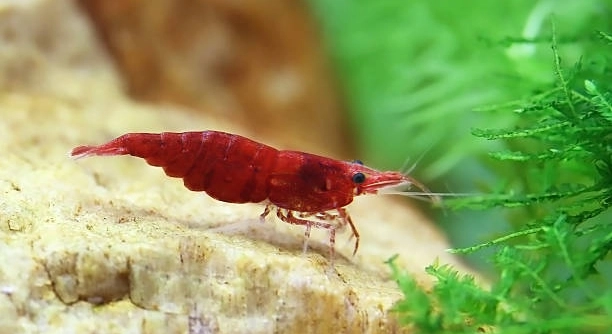
Cherry shrimp are small, vibrant creatures that many aquarium enthusiasts enjoy keeping. Their behaviors are fascinating to watch, especially when subtle changes in their environment seem to influence how active they become. Observing them can be surprisingly engaging.
Cherry shrimp tend to move faster after lights out due to their nocturnal instincts and heightened sensitivity to environmental stimuli. Darkness reduces stress from visual predators, prompting increased foraging and exploratory activity in a safer setting.
Watching these tiny shrimp navigate their space at night reveals behaviors often hidden during daylight hours. Their evening activity provides insight into their natural rhythms and survival strategies.
Understanding Nocturnal Behavior
Cherry shrimp are naturally more active during low-light conditions. In their natural habitats, they face fewer threats from predators at night, allowing them to explore more freely. Their increased movement after lights out is a survival adaptation. At night, they forage efficiently, searching for algae and detritus that form their main diet. Even in home aquariums, these instincts remain strong, making nighttime activity noticeably higher. Observing this behavior can help owners plan feeding times, tank decoration, and cleaning schedules to minimize stress. The presence of hiding spots like plants and rocks also encourages movement, as shrimp feel secure when exploring. Light levels in the tank influence their activity significantly; gradual dimming can ease transitions between day and night. Over time, you may notice patterns, such as specific times when they are more active, which can be useful for monitoring health and behavior. Paying attention to these signals helps maintain a thriving tank ecosystem.
Their nighttime activity is mostly driven by instinct and the need to avoid daytime predators.
Providing a stable, low-stress environment enhances their natural rhythms. Ensuring proper lighting, hiding spaces, and consistent feeding encourages healthy nocturnal behavior without disrupting their well-being.
Tank Environment and Movement
Light exposure affects shrimp activity directly.
Tank decorations, plants, and substrate types all influence movement. Cherry shrimp use hiding spots to feel safe, emerging more actively when lights go off. Dense vegetation and crevices create security, allowing shrimp to forage without fear. Open areas may reduce visible movement, as shrimp prefer staying near cover. Temperature and water quality also play roles in activity levels. Warmer, stable water encourages movement, while fluctuations can cause hesitation or hiding. Feeding times should align with their natural activity patterns to support healthy growth. Observing how they respond to changes in the tank can help identify stressors or areas needing improvement. Even small adjustments, like repositioning plants or modifying light schedules, can lead to more natural movement patterns. Regular monitoring ensures their environment supports both safety and exploration, keeping them active and healthy. Understanding these elements is key to creating a habitat that reflects their instincts while allowing for safe observation and enjoyment.
Feeding Patterns and Activity
Cherry shrimp tend to be more active at night because it coincides with their natural feeding schedule. Darkness provides a safer environment to search for algae, biofilm, and leftover food in the tank. Their movements become purposeful, focused on locating nutrients without interference.
Feeding times can influence how quickly and how often shrimp move. Offering small amounts in the evening encourages them to forage naturally and reduces competition. Overfeeding during the day can decrease nighttime activity, as shrimp may already be satiated. Observing their response to feeding helps in adjusting portion sizes and timing. Proper feeding supports growth, coloration, and overall health, maintaining consistent activity levels throughout the night.
Consistent feeding also helps reduce stress. When shrimp know where and when to find food, they exhibit less erratic movement. Gradual changes in feeding routines can prevent sudden behavioral shifts and ensure the shrimp remain active and healthy during dark periods.
Tank Lighting and Behavior
Lighting schedules directly impact cherry shrimp activity and stress levels. Sudden changes can startle them and reduce movement. Gradual transitions between day and night support natural behaviors and encourage consistent nocturnal activity.
Balanced lighting mimics natural conditions, promoting comfort and exploration. Using dim or subdued lights during evening hours allows shrimp to navigate safely while foraging. Harsh overhead lights can cause hiding and reduce interaction with the tank environment. Timed lighting systems create predictable cycles, helping shrimp develop regular movement patterns. Observing how shrimp respond to different intensities reveals preferences, allowing for better tank management. Adjusting light schedules alongside feeding routines enhances overall activity and health, ensuring the shrimp remain energetic and stress-free during nighttime hours.
Temperature and Movement
Water temperature affects how fast cherry shrimp move. Warmer water increases metabolism, making them more active, while cooler water slows them down. Maintaining a stable temperature helps keep their activity predictable and supports overall health.
Sudden temperature changes can stress shrimp, causing erratic or reduced movement. Gradual adjustments are necessary when modifying tank conditions to prevent shock and ensure natural nocturnal activity.
Stress Factors
Environmental stressors, including strong currents, loud vibrations, or overcrowding, can reduce shrimp activity. Minimizing disturbances allows them to move naturally during dark periods, reflecting normal behavior. Consistent water quality and gentle handling help maintain calm conditions.
Hiding Spots and Exploration
Cherry shrimp rely on plants, rocks, and decorations for safety. Adequate hiding places encourage nighttime exploration, allowing them to forage confidently. Dense foliage and crevices provide security, making movement more visible and natural while reducing stress in the tank environment.
Why do cherry shrimp move faster at night?
Cherry shrimp are naturally more active during low-light conditions. Darkness makes them feel safer from predators, even in home aquariums. This instinct triggers more foraging and exploration. They move faster at night to find food efficiently, while minimizing exposure to perceived threats in brighter conditions.
Is it normal for them to hide during the day?
Yes, hiding during daylight hours is normal. Cherry shrimp feel vulnerable in bright environments, especially in open spaces. They use plants, rocks, or decorations as cover to stay safe. Daytime hiding helps reduce stress, and seeing them tucked away is a sign they are behaving naturally.
How can I encourage nighttime activity?
Providing a stable environment with proper lighting schedules helps. Gradual dimming of lights encourages natural nocturnal activity. Adding plants, hiding spots, and soft substrate gives them security while they explore. Avoid sudden disturbances during evening hours to keep their movements consistent and stress-free.
Do feeding times affect their speed at night?
Yes, feeding patterns influence activity. Small amounts of food in the evening encourage natural foraging behaviors. Overfeeding during the day can reduce nighttime activity since shrimp may already be full. Consistent feeding schedules support both health and predictable nocturnal behavior.
Can stress reduce their movement at night?
Stress from sudden water changes, strong currents, loud vibrations, or overcrowding can make shrimp less active. Minimizing disturbances, maintaining clean water, and providing safe hiding places ensures they feel secure, allowing normal nighttime movement. Observing their behavior helps identify and reduce stressors.
Does tank size impact their nocturnal activity?
Tank size affects how freely shrimp can move. A larger tank with sufficient hiding spots allows more natural exploration. Overcrowding or limited space may restrict movement, causing them to stay near cover. Ensuring an appropriately sized tank supports healthy nocturnal behaviors and general well-being.
How does water temperature affect their speed?
Temperature directly impacts metabolism. Warmer water increases activity, making shrimp move faster, while cooler water slows them down. Sudden changes in temperature can stress them, so maintaining a stable and suitable temperature range helps preserve normal nocturnal movement.
Are certain lighting types better for observing them?
Soft, dim lighting or gradual transitions between day and night are best. Harsh overhead lights can cause hiding and reduce visible activity. Timed lighting helps shrimp establish regular cycles and allows safe observation of their nighttime behaviors without causing stress.
Can I change their behavior with different decorations?
Yes, tank layout affects exploration. Dense plants, rocks, and crevices provide safety, encouraging movement, while open spaces may make shrimp hesitant. Adjusting decorations can help balance visibility and security, promoting natural nighttime activity and reducing stress-induced hiding.
Do all cherry shrimp behave the same at night?
Individual activity levels vary based on age, health, and personality. Some may move constantly, while others are more cautious. Consistent care, feeding, and a stable environment help support normal behavior, while differences are part of their natural variation.
How do I know if their movement is healthy?
Healthy shrimp move steadily, forage regularly, and explore hiding spots. Sudden lethargy, erratic swimming, or prolonged hiding can indicate stress, poor water quality, or illness. Monitoring patterns over time ensures their nocturnal behavior reflects normal, healthy activity.
Can I safely watch them without disturbing them?
Yes, observing from outside the tank or using dim lights allows monitoring without causing stress. Avoid tapping the glass, sudden light changes, or moving decorations during night hours to keep their natural behaviors intact.
What other factors influence their nighttime activity?
Water quality, current strength, and overall tank stability all play a role. Clean, stable conditions encourage exploration, while fluctuations in pH, ammonia, or nitrate levels may reduce movement. Regular maintenance ensures an environment conducive to natural nocturnal behaviors.
How long does nighttime activity usually last?
Activity can vary depending on tank conditions, feeding, and individual shrimp. Typically, they are most active during the early hours of darkness. Consistent lighting and feeding schedules help establish predictable patterns, allowing observation of natural behaviors.
Can stress or illness cause unusual nighttime speed?
Yes, abnormal movement, either excessive or sluggish, may signal stress, disease, or poor water quality. Monitoring for other signs like discoloration, lethargy, or hiding helps detect problems early. Adjusting the environment and ensuring proper care usually restores normal activity.
Are there benefits to their nocturnal activity?
Nighttime movement allows shrimp to forage safely, maintain fitness, and interact naturally with their environment. Supporting nocturnal habits promotes health, encourages normal behaviors, and provides insight into their instincts and preferences, enhancing the tank’s ecological balance.
How do I balance visibility and safety for them?
Use plants, rocks, and dim lighting to create secure areas while keeping some open space for observation. This balance allows shrimp to explore confidently and move naturally, giving a clear view of their behavior without increasing stress.
What signs indicate their environment is suitable for nighttime activity?
Active foraging, regular movement, and use of hiding spots suggest a suitable environment. Stable water parameters, gentle currents, and proper lighting cycles all contribute to natural nighttime behaviors, showing that shrimp feel safe and healthy.
Can I influence their speed without harming them?
Yes, gentle adjustments like consistent feeding times, proper lighting schedules, and stable temperatures can enhance movement. Avoid sudden changes, overcrowding, or harsh lighting, as these disrupt natural behaviors and can negatively affect health.
Does age affect how they move at night?
Younger shrimp tend to be more active, while older shrimp may move slower but still follow nocturnal instincts. Providing a suitable environment for all life stages ensures that both young and older shrimp can forage and explore safely during dark periods.
Is it normal for some shrimp to stay hidden all night?
Yes, shy or stressed individuals may prefer hiding, especially if the tank is crowded or lacks sufficient cover. Gradual environmental improvements, such as adding plants or rearranging decorations, encourage more natural nighttime activity for these shrimp.
Can different species of shrimp behave differently at night?
Yes, behavior varies across species. While cherry shrimp are naturally nocturnal, other species may show different activity levels or prefer alternative hiding patterns. Understanding species-specific habits ensures proper care and observation of natural behaviors.
How often should I monitor their nighttime activity?
Observing a few times a week is sufficient to understand patterns. Frequent monitoring helps detect changes in behavior, health issues, or stress, without disturbing their natural nocturnal routine or causing unnecessary stress.
Does the presence of other tank mates affect their movement?
Yes, fish or larger invertebrates may reduce visible activity if shrimp feel threatened. Providing hiding spots and careful selection of tank mates allows them to move freely and safely during nighttime hours.
How do I know if their faster movement at night is normal?
If shrimp move steadily, forage, and interact with hiding spaces without signs of stress or erratic swimming, their nighttime activity is normal. Patterns may vary slightly, but consistent behavior with safe exploration indicates healthy nocturnal movement.
Can I encourage them to be active during the day too?
While some daytime activity is possible, cherry shrimp are naturally nocturnal. Forcing activity during daylight may increase stress. Providing a balanced environment and allowing natural cycles ensures healthy behaviors without disrupting instincts.
What long-term benefits come from supporting their nocturnal behavior?
Supporting natural nighttime activity improves overall health, coloration, and longevity. Shrimp forage effectively, maintain fitness, and exhibit normal behaviors, which enhances the tank ecosystem and provides reliable insight into their well-being.
Are there signs of overactivity at night?
Overactivity may indicate stress, poor water conditions, or competition for food. Monitoring environmental parameters and adjusting feeding or lighting schedules helps maintain normal activity levels, ensuring shrimp remain healthy and calm during night hours.
How does water quality specifically impact nighttime movement?
High ammonia, nitrite, or nitrate levels can cause shrimp to hide or move erratically. Stable, clean water allows safe exploration. Regular testing and maintenance prevent harmful fluctuations, supporting predictable nocturnal activity and overall well-being.
Is nighttime activity important for breeding?
Yes, active foraging and movement during low-light periods support health and reproductive behaviors. Providing a safe, stable environment encourages natural interactions, increasing the likelihood of successful breeding in cherry shrimp populations.
How can I tell if lighting transitions are too sudden?
Shrimp startled by sudden changes may dart, hide abruptly, or freeze. Gradual dimming of lights or using timers ensures smooth transitions, allowing shrimp to adjust naturally without stress while maintaining normal nocturnal behaviors.
Does substrate type influence nighttime movement?
Soft, natural substrates allow shrimp to forage safely and feel secure. Coarse or rough surfaces may reduce activity if shrimp avoid areas that feel unsafe. Proper substrate choice encourages natural exploration while protecting delicate bodies.
Can nighttime activity indicate overall health?
Yes, active and consistent nocturnal movement is a good sign of health. Reduced or erratic movement may signal stress, disease, or poor water conditions, prompting attention to tank management and care routines.
Do shrimp remember feeding locations?
Yes, shrimp can learn where food is usually placed. Consistent feeding locations and times enhance foraging efficiency, making nighttime activity purposeful and predictable, while reducing stress from uncertainty.
How do seasonal changes affect their activity?
Gradual seasonal changes in temperature or light cycles may slightly alter movement patterns. Maintaining consistent tank conditions helps preserve regular nocturnal activity, regardless of outside environmental fluctuations.
Can I use observation to improve tank design?
Observing shrimp movement patterns at night reveals preferred hiding spots and pathways. Rearranging plants, rocks, and decorations based on these observations encourages natural exploration, reduces stress, and optimizes visibility for monitoring behavior.
What role does water flow play in nighttime activity?
Moderate flow allows shrimp to forage safely without excessive energy expenditure. Strong currents may inhibit movement, while stagnant water can reduce oxygen levels. Balanced flow supports normal nocturnal activity and overall health.
How much space is ideal for active nighttime behavior?
Providing ample room with hiding spots ensures shrimp can explore freely while feeling secure. Crowded conditions limit movement and increase stress. A well-planned layout promotes natural nighttime behavior and reduces competition for resources.
Are shrimp more active during feeding or purely exploratory at night?
Both behaviors occur. Nighttime activity includes foraging for food and exploratory movements to check territory or hiding spots. Consistent feeding and secure environments encourage balanced, natural activity that reflects instinctive behaviors.
Can nighttime activity help detect illness early?
Yes, deviations from normal speed, hiding, or erratic swimming often indicate health problems. Regular observation during dark hours allows early detection of illness, helping prevent serious issues through timely interventions.
Do they interact with other shrimp more at night?
Interactions increase in low-light conditions. Social behaviors such as grazing together or exploring shared areas are more common, reflecting natural instincts for safety and resource finding while minimizing exposure to perceived threats.
How long after lights out does activity peak?
Peak activity usually occurs within the first few hours after lights dim. This aligns with their natural foraging instincts. Observing during this window provides insight into typical nighttime behavior and feeding efficiency.
Does water hardness influence nighttime movement?
Moderate hardness supports healthy shell development and consistent movement. Extremely soft or hard water can stress shrimp, causing reduced or erratic nighttime activity. Stable, balanced water chemistry ensures natural behaviors remain intact.
Can overpopulation affect night activity?
Yes, too many shrimp in one tank may limit movement, increase competition, and reduce visible activity. Ensuring proper stocking density helps maintain natural nocturnal behavior and reduces stress, allowing shrimp to forage safely.
Are there visible signs that nighttime activity is optimal?
Consistent, purposeful movement, foraging in multiple areas, and regular interaction with hiding spots indicate optimal activity. Predictable patterns without signs of stress suggest the tank environment meets their behavioral needs.
Does nighttime activity change with age?
Younger shrimp are typically more exploratory, while older shrimp may move slower but still maintain nocturnal instincts. Providing an environment suited for all life stages supports healthy, natural activity patterns for the entire population.
Can nighttime activity affect molting cycles?
Yes, active shrimp in safe environments tend to molt successfully. Reduced stress and consistent activity support normal growth and exoskeleton shedding, while disturbances during dark periods may delay or disrupt molting.
How long should I observe before making tank changes?
Monitoring for a few weeks helps identify patterns. Sudden changes based on short-term observations may cause unnecessary stress. Long-term observation ensures informed decisions for feeding, lighting, and decorations.
Is it normal for some shrimp to be more active than others?
Yes, individual variation is natural. Differences in age, health, and personality affect nighttime activity. Ensuring a safe and stable environment allows all shrimp to exhibit their preferred behavior while maintaining overall tank balance.
Do shrimp use chemical cues at night?
Yes, chemical signals help them locate food, detect mates, and sense predators. These cues guide nighttime activity, allowing efficient foraging and safe movement even in low-light conditions.
Does water movement affect chemical cues?
Moderate flow disperses cues naturally, aiding communication and foraging. Strong currents may dilute signals, causing slower or hesitant movement. Balanced water movement supports effective nighttime activity and natural behavior.
Can I measure activity scientifically?
Tracking movement patterns, speed, and time spent foraging can provide measurable data. Observation over days or weeks helps evaluate environmental conditions, feeding efficiency, and health, allowing for precise adjustments to improve shrimp care.
Does nighttime activity affect breeding success?
Active foraging and exploration at night support reproductive behaviors. Healthy, unstressed shrimp are more likely to mate successfully and produce viable offspring, making nocturnal activity an important aspect of long-term care.
Are shrimp affected by tank neighbors at night?
Yes, aggressive or fast-moving fish can reduce activity. Providing sufficient hiding spots and observing interactions ensures shrimp feel safe, allowing natural nighttime behavior without interference from other tank inhabitants.
How can I optimize nighttime observation without stress?
Use dim lighting or external observation tools. Avoid tapping, sudden light changes, or moving decorations. Maintaining consistent routines allows for safe, stress-free observation of natural behaviors and nocturnal activity patterns.
Do cherry shrimp have peak activity times at night?
Peak activity usually occurs in the first few hours after lights dim, with moderate movement continuing until morning. Observing these patterns helps align feeding schedules and tank management practices with natural behaviors.
Can substrate color impact activity?
Shrimp feel safer on natural or darker substrates. Bright or reflective surfaces may reduce visible movement. Choosing appropriate substrate enhances security and encourages natural nighttime foraging and exploration.
Do plants increase nighttime activity?
Yes, dense plants provide security and foraging opportunities. Shrimp feel safe moving among foliage, encouraging exploration and natural nocturnal behavior while reducing stress in the tank environment.
Can nighttime activity indicate tank balance?
Consistent, healthy activity suggests stable water parameters, sufficient hiding spots, and proper feeding routines. Reduced or erratic movement may indicate environmental issues, prompting adjustments to maintain a balanced tank ecosystem.
How do I encourage shy shrimp to be active?
Adding plants, decorations, and gentle lighting helps shy individuals feel secure. Gradual exposure to movement, consistent feeding, and minimal disturbances encourage more natural nighttime activity over time.
Does water pH influence their speed?
Stable, appropriate pH supports healthy metabolism and movement. Sudden shifts can stress shrimp, reducing nighttime activity. Monitoring and maintaining proper pH levels ensures natural behaviors continue uninterrupted.
Can nighttime activity be used to detect water quality issues?
Yes, changes in speed, hiding, or erratic swimming often reflect poor water conditions. Observing nocturnal behavior provides an early warning system for ammonia, nitrite, nitrate, or pH imbalances, allowing timely interventions.
Do all shrimp species respond the same way to darkness?
Behavior varies across species. Cherry shrimp are naturally nocturnal, while others may show different activity patterns. Understanding species-specific habits ensures care routines match natural instincts and maintain healthy nighttime behavior.
Is nighttime activity more about feeding or safety?
Both factors play roles. Shrimp move faster to forage efficiently and feel secure in darkness. Their activity balances safety, food acquisition, and exploration, reflecting natural instincts preserved even in home tanks.
Can changes in water hardness affect behavior?
Yes, extreme hardness or softness can stress shrimp, reducing movement. Stable, moderate water hardness supports healthy shells, metabolism, and consistent nocturnal activity without affecting normal behavior.
Do shrimp use visual cues at night?
Visual input is limited but still used to navigate surroundings. Darkness increases reliance on chemical and tactile cues, guiding movement safely through the tank and enabling effective foraging.
Can I improve observation with non-intrusive methods?
Yes, using dim LED lights or cameras allows monitoring without disturbing shrimp. This supports natural nocturnal behavior and ensures accurate understanding of activity patterns without causing stress.
Does water clarity affect nighttime activity?
Clear water helps shrimp detect obstacles and forage efficiently. Murky water can slow movement and reduce visible activity. Maintaining clean water enhances nocturnal exploration and overall health.
Are shrimp more active after feeding or before lights out?
Activity often peaks just after lights dim, with foraging aligned to feeding schedules. Proper timing of food delivery encourages natural movement while preventing overfeeding or reduced nighttime activity.
Does tank shape influence movement patterns?
Longer or more complex tanks provide varied pathways and exploration opportunities. Proper layout encourages natural nocturnal activity, while small or simple tanks may limit movement and reduce observable behaviors.
How do I track behavioral changes over time?
Regular observations, noting speed, hiding, and foraging locations, help track trends. Comparing patterns over weeks allows detection of environmental impacts, health issues, or stress factors, ensuring optimal care for nocturnal activity.
Can nighttime activity affect algae control?
Active foraging at night helps shrimp graze on algae and biofilm, supporting tank cleanliness. Encouraging natural nighttime behavior contributes to ecological balance and reduces manual maintenance requirements.
Does group size impact nocturnal movement?
Moderate group sizes encourage social foraging and exploration. Overcrowding can limit movement, increase stress, and reduce visibility, while too few shrimp may reduce observed activity. Balanced stocking supports healthy nocturnal behavior.
How can I distinguish normal from abnormal nighttime activity?
Normal behavior includes steady movement, consistent foraging, and use of hiding spots. Sudden lethargy, frantic swimming, or prolonged hiding may indicate stress, illness, or poor water quality, requiring attention to tank conditions.
Does nighttime activity change after molting?
Post-molt shrimp may hide more temporarily to protect their soft exoskeleton. Once recovered, they resume normal nocturnal behavior, including active foraging and exploration, reflecting instinctive safety measures.
Are there external factors that can temporarily alter behavior?
Yes, loud sounds, vibrations, or nearby disturbances can reduce visible activity. Maintaining a calm environment supports consistent nighttime behavior, allowing shrimp to forage and explore naturally.
Do shrimp recognize tank layout changes at night?
Yes, rearrangements may cause temporary hesitation.
Cherry shrimp are fascinating little creatures whose behavior reflects a combination of instinct, environmental conditions, and individual differences. Observing them can provide insight into how they interact with their surroundings, respond to light, and navigate the tank. Their faster movement at night is a natural trait, tied to safety, feeding, and exploration. Darkness provides a sense of security, allowing them to forage without the perceived risk of predators. Even in home aquariums, these instincts remain strong, and understanding them helps create an environment that supports both health and natural behavior. The more attention given to their activity patterns, the better the ability to ensure a stable and safe habitat for them.
Creating the right conditions for cherry shrimp requires attention to multiple factors. Lighting schedules, hiding spots, and feeding routines all play significant roles in encouraging natural activity. Gradual transitions from light to dark support nocturnal behavior, while adequate plants, rocks, and substrate give shrimp the security to explore. Feeding in alignment with their active periods reinforces their natural rhythms and reduces stress, making them more energetic and healthier. Water quality and temperature stability are equally important, as sudden changes can cause reduced movement or erratic behavior. Observing their nighttime activity can act as a helpful indicator of overall tank health, signaling when adjustments might be needed. A well-balanced environment allows shrimp to move freely, forage effectively, and exhibit natural behaviors that reflect their instinctive patterns.
Consistently monitoring and maintaining these conditions benefits both the shrimp and the aquarium environment. Regular attention to lighting, water parameters, feeding, and tank layout helps maintain normal activity patterns and supports overall well-being. While individual shrimp may have variations in behavior, the overall pattern of increased nighttime movement is a reliable trait. Understanding and supporting this behavior not only allows for better care but also creates a more engaging and dynamic tank to observe. By respecting their natural tendencies and providing a safe, stable habitat, cherry shrimp can thrive, display their lively nocturnal behavior, and remain healthy over time.

Hello,
If you enjoy the content that we create, please consider saying a "Thank You!" by leaving a tip.
Every little bit helps us continue crafting quality advice that supports the health, happiness, and well-being of pets around the world, for pets of all shapes, sizes, and species.
We really appreciate the kindness and support that you show us!