
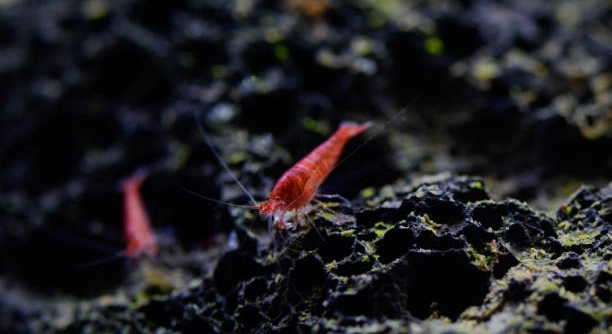
Do you enjoy keeping freshwater aquariums and have a soft spot for cherry shrimp? These tiny creatures add vibrant color and life to tanks, but their subtle behaviors often leave owners wondering about their comfort levels.
Cherry shrimp generally thrive in calm and quiet environments. Excessive noise or vibrations can stress them, leading to reduced activity, hiding behavior, and decreased feeding. Providing a stable, low-disturbance habitat promotes their health and natural behaviors.
Understanding how their surroundings affect them is key to ensuring their well-being. Observing small details can make a significant difference in their daily life and growth.
Signs Cherry Shrimp Prefer Quiet Environments
Cherry shrimp often show clear signs when their environment is too noisy or stressful. They may retreat to hiding spots, cling to plants, or reduce their movement across the tank. Even subtle vibrations from tapping on the glass or loud household activities can disturb them. Shrimp also react to frequent disturbances by feeding less, which can impact their growth and overall health. In quieter settings, they tend to explore more actively, swim openly, and interact with their surroundings without hesitation. Their colors appear brighter, and their behaviors become more predictable, making observation easier and more enjoyable. Maintaining a stable environment with minimal interruptions encourages natural molting cycles and reduces the risk of disease. Proper placement of the tank away from heavy traffic areas and loud appliances can support this calm atmosphere. Using gentle filtration and avoiding sudden changes in lighting also contributes to a serene habitat, ensuring the shrimp feel secure and stress-free.
Even minor environmental changes can noticeably affect shrimp behavior and well-being.
Creating a stable and peaceful environment requires attention to multiple factors. Tank placement, for instance, is crucial; choosing a spot away from constant movement, loud appliances, or direct sunlight helps reduce stress. Substrate, plants, and decorations should offer hiding spaces to make shrimp feel secure. Gentle water flow and consistent filtration are also important, as strong currents or abrupt water changes can startle them. Observing their reactions over time provides insight into their comfort level, allowing adjustments to lighting, temperature, and noise exposure. Many keepers find that reducing loud interactions around the tank and limiting vibrations from tapping or handling encourages more natural behaviors. Even small steps, such as soft background sounds instead of abrupt noises, help maintain a calm setting. Regular monitoring ensures water parameters remain stable, further supporting their health. Attention to these details can transform a standard aquarium into a thriving environment where cherry shrimp display their full range of behaviors and vibrant colors naturally.
How to Maintain a Peaceful Habitat
Keeping the tank in a low-traffic area helps shrimp feel secure and reduces stress from vibrations or sudden noise.
Consistency is key when maintaining a peaceful habitat for cherry shrimp. Fluctuations in water temperature, pH, or hardness can create stress, even in otherwise quiet environments. Routine maintenance like careful water changes, gentle cleaning, and monitoring ammonia or nitrate levels ensures stability. Plants and mosses provide shelter and grazing surfaces, supporting both physical and behavioral needs. Using soft lighting and avoiding sudden brightness changes prevent startling them. Even subtle factors, such as moving decorations or tapping on the glass, can impact their comfort, so limiting unnecessary disturbances is important. Providing a mix of open swimming space and densely planted areas allows shrimp to choose their preferred spots, further enhancing their sense of safety. Observing their activity patterns helps determine whether the environment is suitable, guiding adjustments to tank setup. Over time, a stable, quiet habitat encourages thriving shrimp that exhibit normal feeding, mating, and molting behaviors, ultimately supporting long-term health and vibrancy in the aquarium.
Common Stress Factors for Cherry Shrimp
Loud noises, constant vibrations, and sudden movements can stress cherry shrimp. Overcrowding and poor water quality also contribute. Stress may reduce feeding, slow growth, and make them hide more often.
Monitoring water parameters consistently is essential to prevent stress. High ammonia, nitrite, or nitrate levels can harm shrimp quickly. Sudden temperature fluctuations or rapid pH changes disrupt their comfort and molting cycles. Overcrowding increases competition for food and hiding spots, further heightening stress levels. Even seemingly minor disturbances, like tapping on the glass or frequent tank rearrangements, can trigger hiding behavior. Providing stable conditions, adequate plants, and gentle water flow helps shrimp maintain calm, encourages natural behaviors, and supports overall health and coloration.
Stress also affects reproduction. Shrimp under constant stress may reduce or stop breeding, leading to population decline. Hiding excessively prevents access to food, weakening them over time. Quiet, stable environments promote consistent molting, feeding, and mating behaviors, ensuring a thriving tank population.
Noise Reduction Tips for Your Tank
Placing the tank away from high-traffic areas or loud appliances minimizes vibrations and disturbances. Soft lighting and quiet filtration support calm shrimp behavior.
Using dense plants and moss can buffer minor vibrations and create safe zones for shrimp. Avoid tapping the glass or moving decorations frequently. Soft background noise is preferable to sudden loud sounds, which can startle them. Gentle, low-flow filters reduce water turbulence, preventing stress while maintaining proper oxygenation. Maintaining a consistent maintenance routine, like careful water changes and gradual adjustments, ensures minimal disturbance. Even small changes, such as turning off nearby electronics temporarily or limiting vibrations from foot traffic, can improve shrimp comfort and encourage natural exploration, feeding, and molting behaviors.
Ideal Tank Placement
Positioning the tank in a quiet corner reduces stress from household activity. Avoid areas near doors, televisions, or heavy appliances that create vibrations.
Stable surfaces are important. Using a sturdy stand prevents wobbling, and keeping the tank away from direct sunlight helps maintain consistent temperature and lighting conditions.
Choosing Decorations Carefully
Dense plants, moss, and hiding spots help shrimp feel secure. Open swimming areas and shelters create a balanced environment. Decorations should be arranged to provide both safety and freedom of movement, reducing stress while encouraging natural behavior.
Maintaining Water Consistency
Regular monitoring of temperature, pH, and water hardness prevents sudden changes. Stability supports feeding, molting, and breeding.
Observing Behavior
Active exploration, bright coloration, and normal feeding are signs of comfort. Sudden hiding or lethargy indicates stress or environmental issues.
FAQ
Do cherry shrimp get stressed by loud noises?
Yes, cherry shrimp are sensitive to vibrations and loud sounds. Noise from televisions, speakers, or even heavy foot traffic near the tank can cause them to hide or reduce activity. Keeping the aquarium in a quiet area helps them remain calm and exhibit natural behaviors.
Can household vibrations affect cherry shrimp?
Absolutely. Even small vibrations from washing machines, vacuuming, or footsteps can startle shrimp. They respond to these disturbances by retreating to hiding spots or freezing in place. Placing the tank on a sturdy stand and away from high-traffic areas reduces stress and supports overall well-being.
Do cherry shrimp prefer complete silence?
Not necessarily complete silence, but a calm environment is important. Constant loud noise or sudden sounds can stress them. Gentle background sounds, like low hums from appliances or soft room noise, are less likely to disturb them. The key is consistency and minimal sudden disruptions.
How does stress show in cherry shrimp behavior?
Stressed shrimp often hide more frequently, reduce movement, or stop eating. Molting may be delayed, and colors can appear dull. Stress can also reduce breeding activity. Observing their behavior closely helps detect problems early, allowing adjustments to tank conditions to restore a calm environment.
Are there signs that shrimp are comfortable?
Yes. Comfortable shrimp explore the tank, swim openly, and interact with plants. Bright coloration, regular feeding, and consistent molting indicate a healthy, low-stress environment. When shrimp feel safe, their natural behaviors are more predictable and easier to observe.
Does tank placement impact shrimp stress?
Tank placement is critical. Placing a tank near doors, electronics, or areas with frequent movement increases stress levels. Choosing a quiet corner, on a sturdy surface, with stable lighting and temperature, supports calm behavior and overall health. Proper placement reduces disturbances and encourages normal shrimp activity.
Can decorations reduce stress?
Yes. Dense plants, moss, and hiding spots give shrimp places to retreat, which lowers stress. Open swimming areas alongside sheltered spots balance safety with freedom of movement. Thoughtful decoration arrangement creates a secure habitat that supports feeding, exploration, and natural molting cycles.
How important is water stability for reducing stress?
Water stability is very important. Sudden changes in temperature, pH, or hardness can stress shrimp. Regular water monitoring, gradual water changes, and consistent maintenance routines help maintain stable conditions, supporting overall health and natural behavior. Stability is essential for growth, feeding, and breeding.
Do shrimp notice vibrations from tapping the glass?
Yes, they do. Tapping on the tank glass creates vibrations that can startle shrimp, causing hiding or freezing behaviors. Avoiding unnecessary tapping or sudden contact helps keep them calm and encourages natural exploration and feeding habits.
Can quiet environments improve breeding?
A calm, low-stress habitat supports breeding. Stressed shrimp may reduce or stop reproducing. Providing hiding spaces, stable water conditions, and minimal disturbances encourages regular molting and mating, leading to a thriving shrimp population over time.
Is lighting a factor in shrimp comfort?
Lighting consistency matters. Sudden brightness changes or strong direct sunlight can stress shrimp. Soft, stable lighting encourages natural behavior, reduces hiding, and supports healthy activity levels. Combining proper lighting with plants and shaded areas creates a comfortable and safe environment.
How long does it take for shrimp to adapt to a quieter environment?
Shrimp usually respond quickly to reduced stress. Within days, they may become more active, feed normally, and explore the tank. Consistent quiet and stable water conditions allow them to feel safe, recover from prior stress, and display natural behaviors reliably.
Can you reduce stress with soft filtration?
Yes. Gentle, low-flow filters maintain water quality without creating strong currents that disturb shrimp. Soft filtration supports oxygenation and cleanliness while keeping shrimp comfortable. Strong currents or turbulence can increase stress, reduce feeding, and interfere with molting.
Do cherry shrimp respond differently to various noise types?
They react more to sudden, sharp, or low-frequency noises, which create vibrations through the tank. Constant, soft, or high-frequency background sounds are less likely to disturb them. Minimizing sudden disturbances ensures shrimp remain calm and maintain regular activity.
What is the easiest way to maintain a calm tank?
Place the tank in a quiet area, use gentle filtration, provide hiding spots, and maintain stable water parameters. Avoid frequent tapping, rearranging decorations, or sudden loud sounds. Consistency and careful observation help shrimp feel secure, reducing stress and supporting overall health.
Does feeding frequency affect stress?
Yes, irregular feeding can stress shrimp. Providing small, consistent meals encourages natural foraging behavior and prevents competition or aggression. Proper feeding, combined with a quiet environment, supports growth, molting, and breeding.
Are shrimp sensitive to vibrations from other pets?
Yes, vibrations from dogs, cats, or other animals near the tank can startle shrimp. Minimizing pet activity around the aquarium or placing it on a vibration-absorbing surface helps maintain a calm environment for them.
Can a quiet tank reduce disease risk?
Indirectly, yes. Stress weakens shrimp immune systems, making them more susceptible to illness. Maintaining a calm, stable habitat supports natural behavior, feeding, and molting, which strengthens their overall health and resistance to common shrimp diseases.
Do shrimp ever get used to household noise?
Some may gradually adapt to consistent, low-level background noise, but sudden or frequent disturbances remain stressful. Minimizing abrupt changes in their environment is the most reliable way to maintain a comfortable, low-stress habitat.
How do you know if changes are working?
Observe activity levels, feeding, coloration, and hiding behavior. Increased movement, bright colors, and normal molting indicate that the shrimp are adjusting well to a quieter, more stable environment. Consistent observation helps fine-tune conditions for their comfort and health.
Can quiet conditions extend lifespan?
While many factors influence lifespan, reducing stress through a calm environment supports health, feeding, and breeding. Low-stress conditions minimize the risk of illness and behavioral issues, which can indirectly contribute to a longer, healthier life for cherry shrimp.
Is it necessary to move the tank if your house is noisy?
If noise levels consistently stress shrimp, relocating the tank to a quieter area is beneficial. Choosing a spot away from appliances, doors, and heavy traffic ensures a stable, low-stress environment that supports natural behaviors, feeding, and reproduction.
Do soft background sounds ever help shrimp?
Soft, consistent background sounds are usually less disturbing than abrupt noises. Some low-level ambient noise may be tolerated, but it should remain constant and gentle, preventing sudden vibrations or disturbances that could stress shrimp.
How often should you check for stress signs?
Daily observation is ideal. Look for hiding, reduced feeding, dull coloration, or molting issues. Promptly addressing stressors, whether environmental or water-related, ensures shrimp remain healthy and active in their habitat.
Can overcrowding increase stress?
Yes, overcrowding reduces hiding spots and increases competition for food, creating stress. Maintaining appropriate population levels allows shrimp to explore, feed, and molt normally, promoting a calmer, healthier tank environment.
Do shrimp ever ignore noise if hiding spots are sufficient?
Hiding spots reduce stress but do not eliminate it completely. Shrimp may retreat to shelters during disturbances, but consistent noise can still affect feeding, molting, and breeding. Quiet surroundings combined with ample hiding areas provide the best conditions.
Does temperature stability influence stress levels?
Yes, sudden temperature swings can cause immediate stress. Maintaining consistent temperature within the species’ ideal range supports activity, feeding, molting, and overall health. Combining stable temperature with a quiet environment maximizes comfort for cherry shrimp.
Can you use vibration-absorbing materials under the tank?
Yes. Foam pads or rubber mats can reduce vibrations from floors or nearby appliances. This simple adjustment decreases stress and creates a calmer environment, encouraging natural shrimp behavior and regular activity.
Are juvenile shrimp more sensitive to noise than adults?
Juveniles tend to be more sensitive because they are smaller and less experienced in coping with disturbances. Providing quiet, stable conditions is especially important for their growth and survival during early stages.
Does water current affect stress in addition to noise?
Strong water currents can add stress, even in a quiet tank. Gentle flow maintains oxygenation without overwhelming the shrimp, supporting calm behavior, normal feeding, and natural exploration throughout the aquarium.
How important is consistency for long-term shrimp comfort?
Consistency is essential. Regular routines, stable water parameters, and minimal disturbances create a predictable environment. Over time, this reduces stress, encourages natural behaviors, and supports long-term health and breeding success.
Can occasional loud sounds cause lasting harm?
Occasional, isolated disturbances may cause temporary hiding or stress, but long-term effects are unlikely if the environment quickly returns to calm and stable conditions. Continuous or frequent loud noises pose the greatest risk.
Do shrimp react differently to human handling noise?
Yes, tapping, moving decorations, or adjusting the tank while shrimp are present can startle them. Minimizing direct interaction and handling noise helps maintain a peaceful environment, allowing natural behavior to continue uninterrupted.
Are certain tank sizes better for reducing stress?
Larger tanks with ample swimming and hiding spaces reduce stress by distributing shrimp more evenly and providing areas to retreat. Properly sized tanks with plants and decorations encourage exploration and natural behaviors while minimizing conflict and competition.
Can quiet habits affect shrimp coloration?
Yes. Stressed shrimp often appear dull, while those in calm, stable environments display brighter, more vibrant colors. Maintaining quiet conditions supports overall health and enhances visual appeal.
Do cherry shrimp respond to vibrations from outside the house?
They can. Nearby construction, heavy traffic, or other external vibrations may affect sensitive tanks. Using a stable stand and placing the aquarium on a vibration-absorbing surface reduces the impact of outside disturbances.
Is water change frequency related to stress?
Frequent, abrupt water changes can stress shrimp. Gradual, consistent changes maintain water quality without shocking the tank, supporting calm behavior, feeding, and molting.
Can you prevent stress entirely?
It is difficult to prevent all stress, but minimizing noise, vibrations, overcrowding, and sudden environmental changes greatly reduces it. Consistency, stable water, and adequate hiding spaces provide the best conditions for healthy, active shrimp.
Do shrimp communicate stress to each other?
Indirectly. Stress in one shrimp may cause others to hide or reduce activity. A calm, stable environment ensures the entire population remains comfortable and active.
How do you balance activity and quiet in the tank?
Provide open swimming areas alongside dense plants for hiding. Gentle filtration, stable lighting, and consistent water parameters allow shrimp to move freely without being disturbed, balancing exploration with security.
Does diet impact stress levels?
A consistent, nutritious diet supports energy, molting, and overall health. Poor or irregular feeding can increase stress, weaken immunity, and reduce natural behaviors, even in a quiet environment.
Can stress affect lifespan?
Chronic stress can weaken shrimp and make them more susceptible to illness, potentially shortening lifespan. Calm, stable conditions help ensure they live longer, healthier lives.
Are some shrimp more sensitive than others?
Individual shrimp vary in tolerance. Some may react strongly to minor disturbances, while others are more adaptable. Observing behavior and adjusting the environment to suit the population ensures overall comfort and reduces stress.
Is monitoring stress a daily task?
Yes. Daily observation allows for quick adjustments if shrimp show hiding, reduced feeding, or dull coloration. Prompt action maintains a calm, stable habitat.
Do seasonal changes affect stress?
Yes. Seasonal temperature shifts, changes in sunlight, or household activity patterns can impact shrimp. Monitoring conditions and adjusting as needed ensures consistent comfort throughout the year.
Can stress influence molting success?
Stress can delay or complicate molting. Providing quiet, stable conditions reduces interruptions, supporting healthy growth and regular molting cycles essential for shrimp development.
Does tank lighting schedule matter for stress?
Consistent lighting schedules prevent sudden disturbances. Abrupt light changes can startle shrimp, while steady cycles mimic natural conditions, encouraging normal feeding, exploration, and molting behavior.
Can other aquatic animals affect stress?
Yes, aggressive or fast-moving tank mates can increase stress. Selecting compatible species and providing ample hiding spots reduces conflict and promotes a calm environment.
Do shrimp react to vibrations from pumps or filters?
Yes, strong vibrations can be stressful. Using gentle, low-flow pumps and ensuring filters are stable minimizes disturbance while maintaining water quality.
Can stress be reversed if conditions improve?
Generally, yes. Shrimp often recover quickly when placed in a calm, stable environment with proper water conditions, hiding spaces, and gentle filtration, resuming normal feeding and activity behaviors.
Is it necessary to isolate new shrimp to reduce stress?
A short acclimation period helps prevent stress from sudden introduction. Gradual adaptation to water conditions and minimizing disturbances during this time ensures a smoother transition for new shrimp.
Do cherry shrimp show long-term behavioral changes from stress?
Chronic stress can lead to reduced activity, prolonged hiding, or poor feeding habits. Maintaining calm, stable conditions and adequate hiding spaces can help restore normal behavior over time.
Can small changes in tank setup reduce stress significantly?
Yes. Minor adjustments like repositioning plants, softening filtration, or adding moss can create safer spaces and reduce stress, improving shrimp behavior and overall well-being.
Is it better to observe shrimp quietly or interact frequently?
Observing quietly is preferable. Frequent interaction or tapping can stress shrimp. Gentle, unobtrusive monitoring ensures natural behaviors continue without causing disturbance.
Do shrimp react differently to vibrations from metal vs. wooden surfaces?
Yes, metal surfaces often transmit stronger vibrations, startling shrimp more easily. Using a wooden or padded stand can dampen vibrations and create a calmer environment.
Does tank size interact with noise sensitivity?
Larger tanks allow shrimp to escape minor disturbances more easily, reducing stress. Smaller tanks amplify vibrations and noise, making quiet placement and stable surfaces even more important.
Can stress affect shrimp coloration permanently?
Prolonged stress may lead to dull or faded colors. Improving environmental conditions, minimizing disturbances, and maintaining proper water parameters can help restore brighter coloration over time.
Do cherry shrimp benefit from background plants for stress reduction?
Yes. Plants provide hiding spots, reduce exposure to disturbances, and create a sense of security. Dense vegetation encourages natural behaviors, improves water quality, and supports molting and feeding cycles.
Can changing tank location temporarily increase stress?
Yes. Moving the tank can introduce new vibrations, lighting, and temperature changes. Minimizing moves and ensuring a quiet, stable new location reduces stress during transition.
How long should stress recovery take after disturbances?
Recovery time varies, but shrimp often resume normal activity within a few days in calm, stable conditions. Providing hiding spots, stable water, and minimal noise accelerates recovery.
Does filtration noise affect shrimp?
Yes, strong or noisy filters can disturb shrimp. Low-flow, quiet filtration maintains water quality while minimizing stress, allowing shrimp to feed, explore, and molt comfortably.
Can stress cause health problems beyond behavior changes?
Yes. Chronic stress weakens immunity, increases disease susceptibility, delays molting, and reduces reproductive success. Maintaining a calm environment is essential for long-term health.
Do shrimp respond to household renovations or construction?
Yes. Vibrations and noise from construction can stress them. Temporarily relocating the tank or using vibration-dampening materials helps maintain a stable environment.
Is stress management more critical for breeding tanks?
Yes. Stress can halt reproduction or reduce offspring survival. Quiet, stable habitats with hiding spots and consistent water conditions support successful breeding and healthy populations.
Can stress impact shrimp feeding behavior permanently?
Prolonged stress may lead to decreased feeding, delayed growth, and weakened immunity. Reducing disturbances and providing calm conditions usually restores normal feeding habits.
Do shrimp recognize regular disturbances over time?
Some may become accustomed to consistent, gentle background noise, but sudden or irregular disturbances remain stressful. Minimizing abrupt changes is the safest approach for comfort.
Is observation enough to detect all stress factors?
Observation is important but should be combined with monitoring water parameters, tank setup, and environmental consistency. Together, these practices ensure shrimp remain healthy and stress-free.
Can stress affect juvenile shrimp differently than adults?
Yes. Juveniles are more sensitive to disturbances and environmental changes. Providing calm, stable conditions with plenty of hiding spaces supports their growth and survival.
Do cherry shrimp require total silence at night?
Total silence is not required, but avoiding loud disturbances during nighttime helps maintain a stable sleep and activity cycle, supporting overall health and molting patterns.
How do you prevent stress during tank maintenance?
Perform gradual water changes, handle decorations gently, and minimize noise or vibrations. Maintaining consistent routines reduces disturbance and supports shrimp comfort.
Can stress affect molting frequency?
Yes. High stress can delay molting or cause incomplete molts. A quiet, stable environment encourages regular molting cycles and healthy development.
Do shrimp react to vibrations from tapping pipes or nearby plumbing?
Yes, sudden vibrations from plumbing can startle shrimp. Using stable tank placement and reducing exposure to such disturbances helps maintain calm behavior.
Are all shrimp equally sensitive to noise?
No. Sensitivity varies among individuals, but minimizing disturbances benefits all shrimp. Observation helps identify particularly sensitive individuals to adjust their environment.
Can stress influence shrimp interactions with tank mates?
Yes. Stressed shrimp may hide excessively or become less active, affecting social interactions. A calm environment encourages normal behavior and reduces conflict.
Is it better to have plants or open space for stress reduction?
A balance is best. Plants provide security and hiding spots, while open areas allow natural exploration and swimming. Both are important for comfort and well-being.
Do shrimp recover faster in a planted tank?
Yes. Plants reduce exposure to disturbances, offer hiding spots, and create a stable microenvironment, helping shrimp recover from stress more quickly.
Can stress cause shrimp to refuse food entirely?
Prolonged or intense stress may lead to complete feeding refusal. Calm, stable conditions, proper diet, and hiding spaces usually restore normal feeding behavior.
Does a quiet environment improve shrimp coloration during breeding?
Yes. Calm conditions reduce stress, supporting healthy molting and vibrant coloration, which benefits visibility, mating behavior, and overall appearance.
Do shrimp respond to vibrations from household electronics?
Yes. Electronics like TVs, speakers, or washing machines can transmit vibrations that disturb shrimp. Placement on a stable, vibration-dampened surface reduces impact.
Can stress shorten shrimp lifespan?
Chronic stress can weaken immune systems and reduce lifespan. Maintaining a calm, stable, and properly maintained environment helps shrimp live longer and healthier lives.
Do hiding spots completely eliminate stress?
No, but they reduce exposure to disturbances and provide refuge. Combining hiding spots with a quiet, stable environment ensures the best conditions for shrimp comfort.
Is water quality or noise more important for stress reduction?
Both are important. Poor water quality directly affects health, while noise and
Cherry shrimp are delicate creatures that respond strongly to their environment. Their behavior and overall health are influenced by factors such as noise, vibrations, water stability, and tank setup. Providing a quiet, low-stress environment allows them to explore the tank freely, feed consistently, and maintain vibrant colors. Even minor disturbances, like tapping on the glass or frequent rearrangements of decorations, can cause them to hide or become less active. Over time, repeated exposure to stressors can affect growth, molting cycles, and even reproduction. Understanding how their surroundings impact them is key to creating a thriving aquarium. By observing their behavior carefully, hobbyists can identify when shrimp are comfortable or stressed and make adjustments as needed.
Maintaining water quality is equally important. Consistent temperature, stable pH, and appropriate water hardness all contribute to a calm environment. Sudden fluctuations can cause stress, even in a quiet setting. Regular water changes and careful monitoring prevent harmful conditions that may otherwise go unnoticed. A gentle filtration system with low water flow helps maintain cleanliness without disturbing the shrimp. Plants, moss, and hiding spaces provide security and reduce the impact of any unavoidable vibrations or household noise. Together, these factors create a balanced habitat where cherry shrimp can live naturally, feel safe, and exhibit normal behaviors. Even small improvements, such as adding more hiding spots or adjusting tank placement, can make a noticeable difference in their activity levels and overall health.
Observing cherry shrimp daily helps ensure their environment remains suitable. Active shrimp, bright coloration, regular feeding, and successful molting indicate a low-stress habitat. In contrast, hiding, reduced activity, or dull colors signal that adjustments are needed. Consistency in care, along with minimizing loud disturbances and maintaining stable water conditions, is the best way to support their well-being. A calm and carefully managed aquarium encourages shrimp to display natural behaviors, breed successfully, and thrive over the long term. By paying attention to both environmental and behavioral cues, hobbyists can create a safe, comfortable space that allows cherry shrimp to flourish. Over time, the effort invested in maintaining a peaceful, stable habitat results in healthier, more vibrant shrimp that enhance the enjoyment of the aquarium.

Hello,
If you enjoy the content that we create, please consider saying a "Thank You!" by leaving a tip.
Every little bit helps us continue crafting quality advice that supports the health, happiness, and well-being of pets around the world, for pets of all shapes, sizes, and species.
We really appreciate the kindness and support that you show us!