
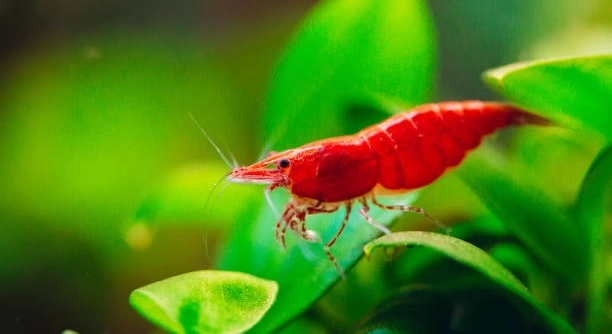
Have you ever noticed your cherry shrimp seeming less vibrant than before in your tank? Watching them change over time can be surprising, especially if you have invested in creating a colorful and healthy environment for them.
Cherry shrimp do not become color-blind in the way humans do, but their coloration can fade due to age, stress, diet, or environmental factors. These changes affect how their colors appear, potentially giving the impression of reduced visual perception.
Observing these subtle changes can help you adjust care routines and maintain your shrimp’s vibrant appearance over time.
Factors Affecting Cherry Shrimp Color
Cherry shrimp color can change for several reasons, including genetics, diet, water quality, and stress. Shrimp with strong genetics tend to maintain their red color longer, while weaker genetics may show fading earlier. Diet plays a major role; feeding high-quality foods with natural color enhancers helps maintain vibrancy. Poor water conditions, such as high ammonia or fluctuating pH, can stress shrimp, causing them to lose color. Overcrowding or frequent tank changes may also affect how bright they appear. Even lighting can impact how colors are perceived. Stress does not only affect behavior but also physical appearance, making shrimp look duller than usual. Observing your shrimp regularly allows you to notice gradual changes. If you act early, improving water quality and nutrition can help them regain some of their original color. Consistent care and attention are key to keeping your shrimp looking healthy.
Color changes are often gradual and can indicate early signs of health issues.
Maintaining stable conditions, providing varied diets, and monitoring shrimp behavior are essential to preserving color over time. Creating a balanced tank environment reduces stress, supports molting, and strengthens immunity. Regular water testing ensures parameters stay within safe ranges, preventing sudden color loss. Feeding vegetables and color-enhancing pellets adds nutrients that directly impact pigmentation. Even small improvements, like adjusting tank lighting or reducing crowding, can help maintain vibrant shrimp. Consistency matters more than occasional efforts, as shrimp respond slowly to changes. Observing interactions between shrimp can also reveal stress sources, such as aggressive tank mates or competition for food. With attention to detail and gradual adjustments, you can support both the health and appearance of your cherry shrimp. These steps help maintain brightness while promoting long-term well-being, giving you a more stable and visually appealing aquarium.
Signs of Fading Color
Fading color often appears as paler red or pink tones, sometimes accompanied by less active behavior.
Shrimp may show uneven coloring, with tips of tails or legs losing vibrancy first. Stress, diet deficiencies, and environmental factors all contribute. Keeping track of changes helps identify patterns and make adjustments to care routines, protecting their health.
Diet and Color Retention
A proper diet directly impacts cherry shrimp color. Foods rich in carotenoids, such as spirulina and shrimp-specific pellets, help maintain red and orange hues. Vegetables like zucchini or spinach add essential nutrients. Poor diet or lack of variety can cause gradual fading over time.
Providing shrimp with a balanced diet improves pigmentation and overall health. Carotenoid-rich foods enhance red coloration naturally, while occasional vegetables supply vitamins that support molting and growth. Avoid overfeeding, as excess food can pollute the tank, stressing shrimp and dulling colors. A consistent feeding schedule encourages shrimp to display their natural vibrancy. Combining pellets with live or blanched vegetables ensures they get both color-enhancing compounds and nutrients for energy. Observing how shrimp respond to different foods can guide adjustments.
Even minor dietary changes can lead to noticeable differences in color over weeks. Rotating food types and adding natural color boosters help maintain brightness. Consistency in feeding and water quality supports long-term health and keeps shrimp visually appealing.
Environmental Factors
Stable water conditions are critical for maintaining shrimp coloration. Sudden changes in temperature, pH, or ammonia levels can stress shrimp, causing fading. Proper filtration, regular water changes, and monitoring parameters prevent these problems and maintain vibrant colors.
Lighting affects how colors appear in the tank. Natural or full-spectrum light enhances red and orange tones, while poor lighting can make colors look dull. Tank placement matters; areas with consistent lighting without extreme sunlight or shade help shrimp display their natural colors. Overcrowding or aggressive tank mates may stress shrimp, contributing to paler colors. Even decorations and substrate color can influence how vibrant shrimp appear, as they respond to contrast. By optimizing these environmental factors, you can maintain both the health and coloration of your cherry shrimp, ensuring they remain bright and active over time.
Aging and Color Changes
As cherry shrimp age, their colors can naturally fade. Older shrimp may lose the intensity of red or orange tones, appearing paler even under ideal conditions. This gradual change is a normal part of their life cycle.
Molting frequency decreases with age, affecting how colors appear. Younger shrimp molt often, revealing bright colors, while older shrimp molt less, making their pigmentation look duller. Aging shrimp may also be less active, which can make their colors seem less vibrant. Understanding this natural fading helps set realistic expectations for long-term color retention.
Stress Impact
Stress from poor water quality, overcrowding, or sudden changes can cause shrimp to lose color. Maintaining a calm and stable environment helps them stay healthy.
Genetics and Color Potential
Genetics largely determines the maximum coloration cherry shrimp can achieve. Some lines are naturally brighter, while others will never reach deep red tones, regardless of care.
Observing Color Patterns
Monitoring color patterns regularly can reveal early signs of health or environmental issues. Consistent observation ensures timely adjustments to diet or tank conditions.
Why are my cherry shrimp suddenly losing color?
Color loss in cherry shrimp often happens due to stress, poor water quality, or diet issues. Sudden changes in temperature, pH, or ammonia levels can cause fading. Overcrowding or aggressive tank mates may also stress them, making their colors appear dull. Ensuring a stable, clean environment and a balanced diet helps prevent sudden color loss.
Can diet alone restore lost color?
A proper diet can improve pigmentation, especially if shrimp are getting foods rich in carotenoids like spirulina, shrimp-specific pellets, or blanched vegetables such as spinach and zucchini. While diet cannot reverse aging-related fading, it can help maintain or slightly enhance the natural color of younger or healthy shrimp over time.
Do cherry shrimp go completely color-blind as they age?
Cherry shrimp do not experience color blindness like humans. However, aging and stress can make their colors appear paler. The intensity of red and orange tones decreases naturally with age or due to environmental factors, giving the impression that their vision or perception of color is affected.
How long does it take for shrimp color to fade?
Fading usually happens gradually over weeks or months. Sudden fading is often a sign of acute stress or poor water conditions. Monitoring shrimp regularly helps detect early signs, allowing adjustments to diet, lighting, or tank conditions before significant color loss occurs.
Will improving water quality bring back vibrant colors?
Better water quality can restore vibrancy in stressed shrimp. Regular water changes, proper filtration, and stable parameters reduce stress and improve overall health. While it may not reverse aging effects, healthier shrimp will display stronger, more consistent coloration than those kept in poor conditions.
Does lighting affect shrimp coloration?
Lighting does not change the actual pigment but affects how colors appear. Full-spectrum or natural lighting enhances red and orange tones. Poor lighting or inconsistent placement may make shrimp look dull, even if their pigmentation is healthy. Proper light management can improve the visual appearance of the tank.
Can genetics override environmental care?
Genetics sets the maximum potential for shrimp coloration. Some strains naturally display brighter reds, while others may never achieve deep tones, regardless of diet or environment. Environmental care helps shrimp reach their genetic potential, but it cannot create colors that are not genetically possible.
How can I tell if fading is due to stress or age?
Fading from stress is often uneven or accompanied by unusual behavior, such as hiding, lethargy, or loss of appetite. Age-related fading occurs gradually and uniformly, without significant behavioral changes. Monitoring shrimp over time allows you to differentiate between environmental issues and natural aging.
Are there supplements that help maintain shrimp color?
Certain natural color-enhancing foods, like carotenoid-rich pellets and spirulina, support pigmentation. Vegetables such as spinach or zucchini provide vitamins that improve overall health, indirectly supporting color. Supplements work best when combined with proper water quality and minimal stress. They enhance existing pigmentation but do not restore lost color from aging.
How often should I monitor my shrimp for color changes?
Frequent observation is key. Weekly checks help catch early signs of stress, diet issues, or fading. Keeping a simple log of color, behavior, and water parameters helps identify trends and maintain vibrant, healthy shrimp. Consistent monitoring allows adjustments before problems become severe.
Can stress-induced fading be reversed?
Yes, to an extent. Reducing stressors, improving water quality, and providing a balanced diet can restore vibrancy in younger or healthy shrimp. Chronic or aging-related fading is less reversible, but minimizing stress ensures the shrimp remain as colorful and healthy as possible throughout their life.
Is paler shrimp coloration harmful?
Pale coloration itself is not harmful, but it often signals underlying issues such as stress, poor diet, or suboptimal water conditions. Addressing these issues improves shrimp health and prevents potential long-term problems, while naturally aging shrimp may simply appear paler without health concerns.
Do all shrimp fade at the same rate?
No, shrimp color fades at different rates depending on genetics, age, diet, and environmental factors. Younger shrimp or those with stronger genetics retain color longer. Stress and poor water conditions accelerate fading, so individual monitoring is important for maintaining a visually vibrant tank.
Can changing tank mates affect shrimp color?
Yes, aggressive or territorial tank mates can stress cherry shrimp, causing duller coloration. Even peaceful but competitive species can create subtle stress, reducing vibrancy over time. Ensuring compatible tank mates and providing hiding spots supports both color retention and overall shrimp health.
How long does it take for dietary improvements to show in color?
Visible improvements from diet may take several weeks. Consistently providing carotenoid-rich foods and vegetables supports pigmentation gradually. Immediate changes are unlikely, so patience and consistent care are necessary for shrimp to display stronger colors.
Are there visual signs besides color loss that indicate shrimp stress?
Yes, stressed shrimp may hide more, show less activity, molt irregularly, or display uneven coloration. Observing behavior alongside color changes gives a more complete picture of their health. Addressing these signs early prevents more serious health issues.
Does tank size influence shrimp color?
Smaller or overcrowded tanks increase stress and reduce water quality, leading to paler colors. Larger, well-planted tanks provide space, stable conditions, and hiding places, helping shrimp retain natural pigmentation. Proper stocking density is essential for both color and overall health.
What is the best way to maintain long-term shrimp color?
Combining consistent water quality, a balanced diet, low-stress conditions, and proper lighting ensures long-term vibrancy. Observing shrimp regularly and adjusting care as needed supports healthy molting and natural pigmentation. Genetics set the potential, but care maintains it over time.
Do seasonal changes affect shrimp coloration?
Seasonal changes can influence water temperature and lighting, indirectly affecting shrimp color. Maintaining stable tank conditions and adjusting light exposure during seasonal shifts helps prevent stress-related fading, ensuring shrimp maintain consistent coloration year-round.
Is color fading more common in certain shrimp strains?
Yes, some strains naturally show more intense colors and retain them longer, while weaker or mixed genetics may fade quickly. Selecting strains known for strong pigmentation, combined with proper care, maximizes the chance of maintaining vibrant shrimp.
Cherry shrimp are delicate creatures whose coloration can change over time for a variety of reasons. Their bright red and orange hues are influenced by genetics, diet, age, and the environment they live in. Even with careful care, it is normal to see some fading as shrimp grow older or encounter small stressors. Understanding why their colors shift helps manage expectations and provides insight into their overall health. Watching shrimp in a stable tank with regular feeding and water checks can make it easier to notice gradual changes and take simple steps to support their well-being.
Diet is one of the most important factors in maintaining shrimp color. Feeding high-quality pellets that contain carotenoids, along with vegetables such as spinach or zucchini, can enhance and preserve the red tones naturally. It is also essential to avoid overfeeding, as leftover food can pollute the tank and increase stress. A balanced diet not only supports color but also overall health, molting, and activity levels. Observing how shrimp respond to different foods can help determine which diet keeps them looking their best while keeping the tank clean and safe. Consistency in feeding routine ensures that shrimp receive the nutrients they need to maintain strong pigmentation and general vitality.
Environmental conditions play a large role in shrimp appearance and comfort. Water quality should be stable, with regular monitoring of pH, ammonia, and temperature levels. Sudden fluctuations or poor water conditions can cause stress and lead to color fading. Proper lighting enhances how colors are perceived, and sufficient hiding spaces reduce tension among tank mates. Even factors such as tank placement, crowding, and decorations can subtly influence how shrimp display their natural tones. Paying attention to these details and making gradual, consistent adjustments supports both vibrant color and overall shrimp health. By combining proper diet, careful environmental management, and observation, shrimp owners can enjoy bright, healthy cherry shrimp over time while understanding that some color changes are natural and part of their life cycle.

Hello,
If you enjoy the content that we create, please consider saying a "Thank You!" by leaving a tip.
Every little bit helps us continue crafting quality advice that supports the health, happiness, and well-being of pets around the world, for pets of all shapes, sizes, and species.
We really appreciate the kindness and support that you show us!