
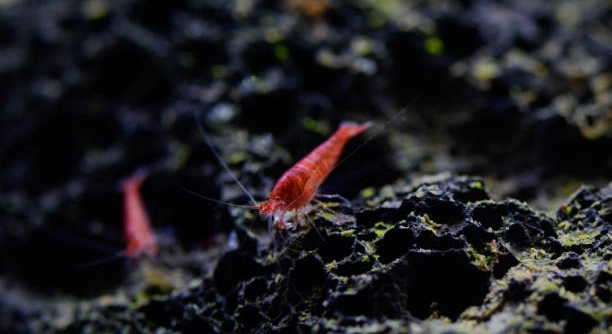
Have you ever wondered how your cherry shrimp respond when you place your hand near their tank, noticing their tiny movements as they explore their glass world while you watch with gentle curiosity each day.
Cherry shrimp do not feel human touch in the way mammals do, as their sensory structures are adapted for detecting water pressure and chemical cues rather than direct contact, so any perceived reaction reflects environmental changes instead of tactile recognition.
Exploring their subtle reactions helps you understand their behavior more clearly while guiding you through the rhythms of their world.
How Cherry Shrimp Sense Their Environment
Cherry shrimp rely on simple sensory abilities that help them understand their surroundings without needing to process complex contact from humans. Their bodies carry tiny antennae that pick up shifts in water movement, letting them respond quickly to anything that enters their space. When a hand comes near the tank, the water pressure changes slightly, and the shrimp react to that signal rather than the touch itself. This response helps them stay safe in environments where larger animals or sudden motion could pose risks. They move with gentle pauses, sensing for patterns in the water that indicate food, shelter, or possible stress. Because their perception focuses on these small cues, they behave in ways that seem shy or cautious. Watching them in this state can feel calming, especially when you learn what each motion means. Understanding their needs makes it easier to support their comfort while keeping interactions respectful daily.
Their reactions are shaped by the signals moving through the water, not by direct touch from your hand, so their behavior comes from instinct rather than recognition. Noticing this helps you adjust how you approach their tank, keeping them relaxed while allowing you to observe their natural movements each day.
When you watch them respond to gentle motion around the tank, you can notice how their antennae and steady movements reveal their comfort level. They stay active when the environment feels stable, searching for food and exploring small spaces. Quick retreats usually happen when the water shifts too fast, signaling stress. By keeping your movements soft near the glass, you help them stay calm. This simple awareness supports their daily routine and lets you enjoy their behavior in a peaceful way. Over time, you may even spot patterns that show how they adapt to different moments in their habitat daily.
Supporting Healthy Behavior
Cherry shrimp rely on consistent conditions to remain active, so supporting their health means keeping the tank clean and stable at all times. Small changes in water can disrupt their behavior, making steady care important for their comfort and overall well being as they respond best to gentle routines daily.
Care for cherry shrimp focuses on stability, since their tiny bodies react strongly to any sudden shift in their surroundings. Clean water is the most important part of their habitat, because poor conditions can influence their movement and overall behavior. Regular partial water changes keep the environment fresh without shocking them. Avoid abrupt temperature swings, as these can cause them to hide or become inactive. A balanced diet of algae, biofilm, and small supplements helps them stay active and colorful. Decorations that provide hiding spots support their sense of safety, especially when they molt and feel vulnerable. Gentle filtration prevents strong currents from pushing them around, allowing them to move freely and explore at their own pace. When you place your hand near the tank, keeping your movements soft limits pressure changes in the water, which helps them stay calm. Observing their responses teaches you how they handle different moments, giving you a clearer idea of what keeps them comfortable. Over time, their natural habits become easier to understand, and caring for them feels more rewarding. Your attention to these small details supports their well being while giving you a peaceful view into their daily activity in your care always.
How Touch Influences Cherry Shrimp Behavior
Cherry shrimp react mainly to water shifts created near the tank, so their movements come from sensing pressure changes instead of direct skin contact. When motion is kept gentle, they remain calm and continue their usual slow searching patterns without sudden retreats or stress.
Cherry shrimp rely on instinctive responses shaped by the flow of water around them. When your hand moves near the glass, tiny pressure waves pass through the tank, and they pick up these signals through their antennae. They may pause, adjust their position, or glide away at a steady pace. These small reactions help them decide whether the change is harmless or something to avoid. Keeping movement soft makes them less likely to hide behind plants or decorations. With time, you notice how even slight shifts affect their comfort, helping you interact with them in a quiet and respectful way while observing their daily habits.
Cherry shrimp do not rely on emotional reactions when responding to motion around their tank. Their behavior is shaped by survival patterns that tell them when to stay still, explore, or retreat. If you move quickly near the glass, they interpret this as a sign to move away, even if nothing touches them. Slow movement gives them space to remain active and steady, and their calm behavior often makes the tank feel peaceful to watch. Understanding these small cues helps you support an environment where they feel protected, letting them explore without unnecessary stress.
Understanding Stress Signals
Cherry shrimp show stress through rapid retreating, hiding for long periods, or staying still in unusual places. These signs usually appear when the water changes too fast or when the tank experiences sudden motion that disrupts their sense of safety.
Their signals become clearer as you spend more time watching how they react to different situations. When the tank conditions stay steady, they move lightly through plants, search for food, and hover near surfaces. If something feels off, they dash suddenly or cling to hidden corners. Poor water quality, loud vibrations, or abrupt temperature shifts can push them into these stressed behaviors. Keeping the tank stable helps prevent this, and your calm presence near the glass adds to their comfort. By noticing their patterns, you learn what helps them feel secure, supporting a stable environment that encourages natural activity and steady behavior you can enjoy observing each day.
Why Cherry Shrimp React to Hand Movements
Cherry shrimp respond to shifting water patterns caused by motion near the tank, using their antennae to sense changes. Even without physical contact, they rely on these signals to decide whether to pause, move away, or continue exploring their space calmly.
Their reactions come from instinct, guiding them to avoid anything that feels sudden or unfamiliar. When motion is smooth, they stay relaxed and active. Quick movement makes them retreat into plants or corners. Paying attention to these small cues helps you interact in a way that keeps them comfortable.
How Their Sensory System Shapes Their Reactions
Cherry shrimp depend on simple sensory tools that help them detect small changes in their surroundings. Their antennae read water pressure shifts, allowing them to understand movement or disturbances without needing direct contact. Because of this, any motion near the tank influences their behavior. Slow, gentle movement limits stress, while abrupt motion encourages hiding. Keeping their environment stable and predictable supports healthier behavior. When you learn how they interpret motion, it becomes easier to create a space where they feel safe enough to explore freely. Over time, this understanding helps you notice even subtle changes in their comfort level.
What This Means for Their Daily Care
Soft movement near the tank, steady water conditions, and predictable routines help cherry shrimp remain active and calm, making their behavior easier to observe and understand.
FAQ
Do cherry shrimp feel pain from human touch?
Cherry shrimp do not process touch or pain the way mammals do, since their bodies are built to sense shifts in water pressure instead of direct physical contact. They rely on instinct rather than emotional interpretation, so any reaction you see comes from detecting motion or changes in their environment. Their simple nervous system helps them respond quickly to potential threats, but it does not allow them to experience pain from being near a human hand. Instead, they focus on reading subtle patterns in the water that help them decide when to move, pause, or retreat.
Can cherry shrimp recognize who is near their tank?
Cherry shrimp do not recognize people. Their perception depends entirely on the environment around them, especially water conditions and movement. They react to motion near the glass because it shifts the pressure in the water. When movements stay calm and slow, they remain relaxed and continue their routine. If movements become fast or sudden, they retreat into plants or behind decorations. This behavior is not recognition but a natural response that helps them stay safe in any setting.
Why do cherry shrimp swim away when I move near the tank?
Cherry shrimp swim away because they sense water pressure waves caused by movement outside the tank. These waves travel through the water quickly, and their antennae pick them up. Sudden or strong motion feels unpredictable to them, so they move to safer areas. When your movements are gentle, the pressure shifts stay mild, allowing them to stay active without feeling alarmed. Watching their reactions helps you understand which motions help keep them calm.
Is it safe for cherry shrimp if I accidentally touch them during tank maintenance?
Accidental contact usually does not harm cherry shrimp if it is brief and gentle, since their bodies are hardy for their size. The main concern is stress, not physical injury. They may dart away quickly, but they recover once the environment settles again. Moving slowly and keeping tools or hands steady during maintenance helps protect them from unnecessary stress. Giving them places to hide also makes these moments easier for them.
Can cherry shrimp feel vibrations from outside the tank?
Yes, cherry shrimp sense vibrations, especially if they travel through furniture, glass, or water. Loud noise, tapping, or sudden bumps can startle them. These vibrations create pressure changes they interpret as threats. If this happens often, they may hide more or stay still for long periods. Keeping the tank in a quiet, stable spot helps them feel more secure and encourages natural activity.
Do cherry shrimp get stressed when someone taps on the glass?
Tapping on the glass can stress cherry shrimp because it sends sharp vibrations through the water. These signals reach them faster than regular movement, making them react quickly in fear. Avoid tapping or knocking near the tank, and instead maintain a calm presence. This helps them stay relaxed and encourages steady exploration of their surroundings.
How can I keep cherry shrimp calm around human movement?
You can keep them calm by approaching the tank slowly, avoiding sudden gestures, keeping the water stable, and making sure they have places to hide. Their stress levels decrease when they feel protected, even during moments when the environment shifts gently. Over time, they get used to soft motion near the tank and continue their normal activities without retreating.
Why do cherry shrimp freeze in place sometimes?
Cherry shrimp freeze when they sense something unfamiliar or when they feel unsure about a change in the water. This behavior helps them avoid drawing attention to themselves. When the environment feels safe again, they resume swimming, exploring, or looking for food. Steady care and gentle movement help minimize these freeze responses.
Do cherry shrimp respond differently to children or pets moving near the tank?
Yes, they may react more strongly to fast or unpredictable movement, which is common with children or pets. Quick gestures create stronger pressure waves that trigger retreat or hiding. Placing the tank in an area with calmer activity helps reduce stress, letting them remain more active.
Can cherry shrimp become used to motion near the tank over time?
Cherry shrimp cannot form personal recognition, but they can adapt to consistent patterns. If movement near the tank stays gentle and predictable, they react less intensely over time. This adaptation comes from learning that the signals do not indicate danger. Stability is what helps them stay comfortable.
Final Thoughts
Caring for cherry shrimp becomes much easier when you understand how they sense the space around them. Their reactions are shaped by water movement, light changes, and shifts in their surroundings, not by direct contact or emotional interpretation. When you watch them closely, you begin to notice the patterns that guide their behavior. Small movements near the tank, changes in temperature, or even quiet vibrations can influence how they respond. This makes it important to keep their environment as steady as possible, because stability gives them the confidence to stay active and comfortable. Their simple way of sensing things may seem delicate, but it is highly effective for the tiny tasks they handle each day. Learning these details helps you care for them with more understanding, allowing you to create a setup where they can explore, search for food, and move freely without unnecessary stress.
Your presence around the tank can shape how relaxed they feel, even if they cannot recognize you the way larger pets might. Gentle motion, predictable routines, and a calm environment help them stay steady instead of hiding. Cherry shrimp thrive when they feel safe, and you play a quiet but meaningful part in that. Watching how they respond to small changes teaches you when they feel secure and when they need things to settle again. Even though they rely only on water cues, their behavior still shows you plenty about how they interpret their surroundings. With the right care, they become lively, curious, and active in their own simple way. This makes them enjoyable to observe, especially when their movements stay smooth and unhurried. As you care for them consistently, you notice how peaceful their presence can be, bringing a sense of calm to your home.
Supporting their needs does not require anything complicated. Clean water, soft movement, gentle filtration, and stable conditions are the main things that help them stay healthy. Their small size means they respond to even tiny shifts, so staying mindful of how you interact near the tank makes a real difference. Giving them space to explore and hide makes them feel secure, and paying attention to their patterns helps you catch problems early. Over time, you learn what each pause, retreat, or glide means. Cherry shrimp may be simple creatures, but they add a quiet charm to your space when they feel at ease. Understanding how they sense and react gives you a better connection to their needs, letting you enjoy their presence while making sure they stay comfortable and active.

Hello,
If you enjoy the content that we create, please consider saying a "Thank You!" by leaving a tip.
Every little bit helps us continue crafting quality advice that supports the health, happiness, and well-being of pets around the world, for pets of all shapes, sizes, and species.
We really appreciate the kindness and support that you show us!