
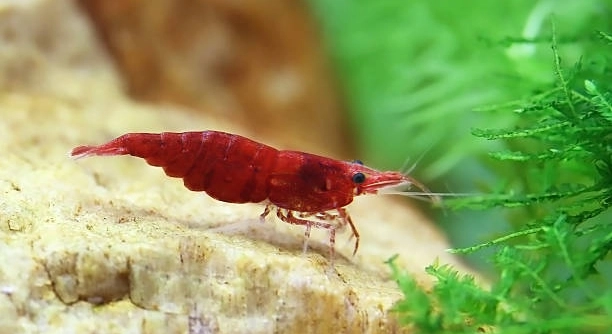
Do you ever notice how your cherry shrimp move around their tank, pausing at certain spots or exploring new corners with care? Their behavior can seem thoughtful, almost like they are aware of their surroundings in subtle ways.
Cherry shrimp have been shown to recognize and remember the layout of their tank to some extent. Studies indicate that these shrimp can navigate familiar areas, locate hiding spots, and respond to environmental changes based on previous experiences. Memory plays a role in their survival and daily activity.
Understanding how shrimp interact with their environment can help improve tank design and care routines for healthier, more confident shrimp.
How Cherry Shrimp Learn Their Environment
Cherry shrimp explore their tanks slowly, often inspecting plants, decorations, and corners. Their small size makes them cautious, but repeated movements show they remember safe areas and paths. Over time, they learn where to find food and shelter. Observing them daily, I noticed my shrimp often return to the same hiding spots after feeding. This behavior suggests they can recognize landmarks and layout features. Providing consistent structures like moss, rocks, or driftwood can help them feel secure. Changes to the tank, like moving decorations, may confuse them at first. Gradual adjustments are best so they can relearn the space comfortably. Their memory seems short-term at first but strengthens with repeated exposure. Shrimp rely on these spatial memories to avoid danger and locate resources efficiently. Tank setup matters not just for appearance but for shrimp comfort and stress reduction.
Memory plays a key role in their daily actions, helping them move confidently and safely.
Learning and recognition in cherry shrimp are gradual. Repetition is essential. They observe, remember, and adapt. A well-structured tank encourages exploration and reduces stress. By providing stable landmarks and hiding spots, shrimp feel more comfortable moving around. Watching them navigate familiar paths shows how memory influences their behavior. Environmental consistency supports their natural instincts. Changes should be slow, giving them time to adjust.
Signs That Shrimp Remember Tank Layouts
Shrimp often return to favored hiding spots or feeding areas consistently. These repeated movements show familiarity with the tank.
Cherry shrimp use memory to reduce stress and improve feeding efficiency. When I added a new plant, it took a few days for them to explore it fully, while still returning to old areas for safety. Their ability to remember pathways means they are less likely to get trapped or stressed in cluttered sections. Tank stability directly affects shrimp confidence. By observing which areas they visit first after a change, it’s possible to see how they map the environment. Memory also helps them interact with other shrimp, avoiding conflict in familiar spaces. Careful placement of decorations, rocks, and plants can support these natural behaviors. Memory is a subtle but important part of shrimp care. Repetition, consistency, and observation make a significant difference in creating a comfortable tank for these small, delicate creatures.
Improving Tank Layout for Memory
Providing clear pathways and stable decorations helps shrimp navigate easily. Consistent hiding spots and feeding areas encourage them to explore without stress.
I noticed when I rearranged my tank too quickly, my shrimp hesitated and avoided certain corners. Slowly introducing changes, like moving a plant a few inches at a time, allowed them to adjust. They quickly learned new routes and started using new shelters while still returning to familiar areas. Observing this, I realized that a well-planned tank with predictable spaces helps shrimp feel secure and confident. Stability in layout directly supports their memory and daily routines.
Plants, rocks, and moss are not just decorative. They serve as landmarks for shrimp memory. When these features stay consistent, shrimp learn the layout and feel safer. Repetition of pathways and feeding spots strengthens their spatial awareness. Gradual changes allow them to adapt without stress. Over time, shrimp confidently explore the tank, using memory to locate food and hiding places efficiently. Their behavior clearly shows the importance of a structured environment.
Training Shrimp to Recognize Changes
Shrimp can learn to navigate new layouts with gentle, gradual adjustments. Patience is key to helping them adapt.
I experimented by slowly introducing small changes in my tank, like repositioning stones or adding new moss patches. At first, the shrimp hesitated, circling areas and testing new spots cautiously. With consistent observation, they began exploring the additions and integrating them into their daily routes. Repetition and familiar cues helped them memorize these changes, reducing stress and supporting natural behavior. Over time, they moved confidently through updated sections, showing that shrimp memory adapts when changes are introduced thoughtfully and with care. Gradual adjustments create a positive learning environment for these delicate creatures.
Consistency Matters
Shrimp adjust better to a tank when landmarks remain stable. Familiar plants and hiding spots help them navigate confidently.
Frequent or drastic rearrangements cause hesitation and stress. Keeping the layout consistent allows shrimp to form mental maps, reducing confusion and promoting natural behavior.
Feeding and Spatial Memory
Feeding routines play a major role in how shrimp remember their tank. I noticed my shrimp quickly learn where food usually appears. When I placed food in slightly new locations, they explored cautiously but eventually remembered the new spots. Regular feeding patterns help reinforce memory and encourage efficient movement. Shrimp use landmarks to find food, and a predictable routine strengthens their ability to navigate the tank. Their memory allows them to anticipate feeding times and locations, making mealtime smoother and less stressful for both shrimp and caretaker.
Observing Shrimp Behavior
Watching shrimp daily provides insight into how they remember spaces. Simple observations reveal patterns and preferences.
How long do cherry shrimp remember their tank layout?
Cherry shrimp appear to retain a memory of their tank layout for several days to weeks. In my experience, they quickly remember hiding spots and feeding areas and continue using them even after minor changes. The consistency of decorations and plants directly affects how long they remember. Sudden, drastic rearrangements can temporarily confuse them, but they generally adapt if changes are made gradually. Repeated exposure to the same pathways strengthens their memory, while frequent shifts may reset their comfort and familiarity.
Can changing the tank layout stress shrimp?
Yes, sudden or major changes can stress shrimp. I observed that when I moved several decorations at once, the shrimp hesitated and avoided certain areas. Stress can reduce feeding, cause erratic swimming, and make them retreat to corners. Gradual changes, like moving one plant or rock at a time, allow them to adjust without confusion. Using familiar landmarks and keeping hiding spots consistent helps minimize stress and supports memory retention. Stress-free environments encourage natural behaviors and improve overall health.
Do shrimp recognize each other and their surroundings?
Shrimp use spatial memory to interact with both the environment and other tank mates. I noticed my shrimp often return to the same areas to avoid crowded spots. They seem to remember which territories are safe and which might have more competition. Familiarity with surroundings allows them to navigate efficiently while minimizing conflict. Shrimp also observe the movement of other shrimp and adjust accordingly, showing they can recognize both space and social dynamics. Stable layouts help maintain a balanced, predictable environment that reduces stress from interactions.
How can I help shrimp adapt to a new layout?
Gradual adjustments are essential. When I introduced new plants or rocks, I moved items only a few inches at a time. This allowed the shrimp to explore slowly without getting lost. Providing familiar hiding spots during changes gave them security. Repeating feeding routines in predictable locations helps them form mental maps of the new arrangement. Patience is key—shrimp adapt over days rather than hours. Observation helps identify areas that may be confusing or avoided, so further adjustments can be made carefully. A stable, step-by-step approach supports both memory and comfort.
Do shrimp have short-term or long-term memory?
Cherry shrimp primarily rely on short-term memory for immediate navigation, but repeated exposure seems to create longer-term memory. I noticed shrimp revisiting the same hiding spots and feeding locations weeks after the first experience. This memory supports survival by allowing them to anticipate safe zones and locate food efficiently. Regularly seeing consistent pathways and landmarks strengthens this memory. Over time, shrimp develop predictable patterns, showing that memory is reinforced through repetition and familiarity.
Does the type of decoration affect memory?
Yes, recognizable decorations make it easier for shrimp to form mental maps. I found that moss, rocks, and driftwood are particularly helpful because shrimp can use them as landmarks. Smooth or featureless surfaces do not provide the same cues. Consistency in placement allows shrimp to navigate confidently. Changing these landmarks too frequently can disrupt their memory and cause stress. Choosing stable, well-defined decorations improves navigation, exploration, and feeding behavior while supporting natural habits.
Are some shrimp better at remembering tank layouts than others?
Individual shrimp may vary in their ability to remember layouts. I observed that some are bolder, exploring new areas quickly, while others rely heavily on familiar paths. Factors like age, health, and personality affect how shrimp adapt to changes. Younger shrimp may take longer to learn, while older, more experienced shrimp often navigate with confidence. Observing individual behavior helps tailor tank adjustments to support all shrimp, ensuring everyone can explore safely while maintaining a sense of familiarity.
How can I tell if shrimp are confused by changes?
Signs of confusion include hesitation, circling unfamiliar areas, and retreating to corners. I noticed that after moving decorations, shrimp paused longer and avoided certain spots. Reduced feeding or hiding more frequently can also indicate disorientation. Gradual changes, observation, and reintroducing familiar landmarks help them regain confidence. Tracking these behaviors over time shows how well shrimp adapt and how their memory is functioning in response to modifications.
Does feeding schedule affect memory?
Yes, predictable feeding strengthens memory. I consistently placed food in the same spots, and shrimp quickly learned where to go. When I varied feeding locations slightly, they explored cautiously but adapted within a few days. Regular routines reinforce spatial memory, improve feeding efficiency, and reduce stress. Feeding habits combined with consistent tank landmarks create an environment where shrimp feel secure while developing strong memory skills.
Can stress erase memory in shrimp?
High stress can temporarily disrupt memory. I observed that after sudden, major tank rearrangements, shrimp hesitated and seemed disoriented. Over time, with consistent environment and gentle care, they regained familiarity and routine. Stress interferes with exploration, feeding, and spatial learning, so minimizing sudden changes is essential. Stable layouts, predictable routines, and careful observation help maintain memory while supporting overall health and natural behavior patterns.
Cherry shrimp are small but surprisingly observant creatures. Over time, I have noticed that they remember many details about their tank. They learn where to find food, which hiding spots are safe, and how to navigate around obstacles. This memory is not perfect, and sudden changes can confuse them at first, but with consistency, they quickly adapt. Watching shrimp move deliberately through familiar areas shows that they rely on more than instinct. They develop a mental map of their environment, and repeated exposure to the same layout helps them feel secure. Even small details, like a piece of moss or a rock, become important landmarks that guide their daily activity. A stable tank setup allows shrimp to explore confidently and reduces stress, which is vital for their health.
Changes in the tank can be tricky for shrimp, so it is best to introduce them slowly. I learned that moving plants, rocks, or decorations all at once can make shrimp hesitant or cause them to hide for longer periods. Gradual adjustments, like shifting a plant only a few inches or adding one new item at a time, work much better. This approach allows shrimp to explore without feeling lost, and over several days, they incorporate the changes into their mental map. Feeding routines also play an important role in memory. Placing food in consistent locations helps shrimp learn where to go and reduces confusion. Observing how shrimp react to both changes and routines provides insight into how they use memory to navigate and survive in the tank. Their behavior shows that memory is not just a minor trait—it has a real impact on their daily life and comfort.
Taking the time to plan a tank thoughtfully benefits both the shrimp and the caretaker. Providing clear pathways, consistent hiding spots, and familiar landmarks makes it easier for shrimp to explore safely and remember their surroundings. Gradual changes, predictable feeding schedules, and careful observation all strengthen shrimp memory and promote natural behavior. I have seen shrimp become more confident and active when their environment is stable and thoughtfully arranged. Even small adjustments, when done with care, can help them adapt smoothly. By respecting their need for consistency, shrimp thrive, showing how memory affects their overall well-being. Understanding these patterns allows for better care and a healthier, more comfortable habitat where shrimp can exhibit their natural behaviors freely.

Hello,
If you enjoy the content that we create, please consider saying a "Thank You!" by leaving a tip.
Every little bit helps us continue crafting quality advice that supports the health, happiness, and well-being of pets around the world, for pets of all shapes, sizes, and species.
We really appreciate the kindness and support that you show us!