
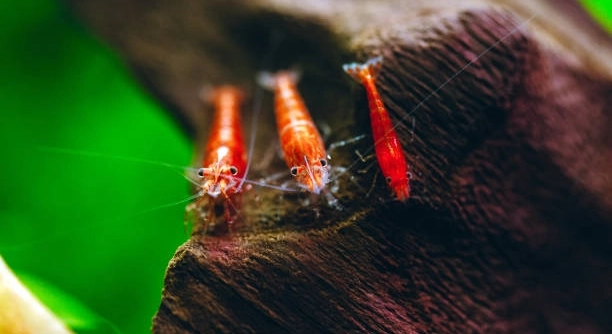
Cherry shrimp are small, colorful creatures that can bring life to any aquarium. They are usually peaceful, but under certain circumstances, they may act more territorial than expected, surprising even experienced hobbyists.
Cherry shrimp exhibit territorial behavior due to factors such as limited space, competition for food, molting vulnerabilities, water quality, the presence of dominant individuals, breeding instincts, and insufficient hiding places. These triggers influence their interactions and can lead to aggressive tendencies.
Understanding these triggers can help you maintain a peaceful shrimp tank. Managing space, food, and environment properly will make a noticeable difference in their behavior.
Limited Space
Cherry shrimp need room to move, explore, and establish their own areas in the tank. When the aquarium is too small or overcrowded, conflicts can easily arise. Shrimp often stake out tiny territories, and if another shrimp enters, it can trigger chasing or defensive behavior. This is especially noticeable among adults or dominant individuals. Providing enough space helps reduce stress and prevents unnecessary fights. Decorations like plants, rocks, or moss can help create natural boundaries, giving shrimp areas to claim as their own. Overcrowding also affects water quality and food availability, further increasing territorial behavior. Observing their movements and adjusting stocking levels can make a significant difference in keeping the tank calm. Even small changes, such as rearranging hiding spots or adding a few more plants, can create new territories and reduce tension. Monitoring how shrimp interact daily allows timely adjustments, preventing prolonged aggression and ensuring a healthier, more balanced tank environment.
Adding extra hiding spots can give shrimp peace and reduce confrontations over territory.
Shrimp in tight spaces often compete over food and shelter, increasing stress levels. Stress makes them more aggressive, and fights can result in injury or loss of limbs. By increasing the tank’s usable area with decorations, plants, and moss, each shrimp can establish a small territory without constant conflict. This not only improves their well-being but also encourages natural behaviors like foraging and breeding. Even temporary overcrowding, like during molting periods, can trigger fights, so planning tank layout carefully is essential. Small adjustments in space and structure can make a big difference in creating harmony among your shrimp, reducing the frequency of territorial disputes, and ensuring all shrimp have access to food and shelter.
Competition for Food
Shrimp can become territorial when food is scarce.
When cherry shrimp perceive limited food, they may guard it aggressively. This behavior can escalate quickly, especially if the tank is densely populated or feeding spots are concentrated. Ensuring multiple feeding locations and spreading food evenly reduces fights and helps shy individuals access nutrition without confrontation. Overfeeding slightly can also prevent stress-induced aggression, but it’s important not to compromise water quality. Observing which shrimp eat first can indicate dominance patterns, allowing adjustments in feeding methods. Consistent feeding schedules help reduce uncertainty and maintain calm interactions. Hiding food in plants or moss encourages natural foraging behavior, reducing direct competition.
Aggressive behavior over food can impact shrimp health and growth. Offering varied food types at multiple spots ensures all shrimp receive nutrients. Over time, establishing a feeding routine minimizes territorial disputes and creates a more peaceful tank environment. Watching their interactions during feeding provides insights into dominant individuals and helps prevent injury. Balanced nutrition paired with strategic feeding locations supports healthy shrimp development while keeping aggression in check. Overcrowded or poorly fed tanks amplify these conflicts, so careful observation and adjustment are key.
Molting Vulnerabilities
During molting, cherry shrimp are soft and defenseless, making them more sensitive to nearby shrimp. Other shrimp may nip at or chase molting individuals, increasing stress and the risk of injury. Providing plenty of hiding spots is essential during this vulnerable time.
Molting is a natural and necessary process for growth, but it leaves shrimp highly exposed. Soft exoskeletons cannot protect against pecking or accidental bumps, which can result in missing limbs or stress. Shrimp often hide during molting, but in crowded or poorly structured tanks, they may be found and targeted by more dominant individuals. Careful observation during molting periods can help you intervene by adding extra moss, plants, or small shelters to give them safe spaces. Maintaining stable water conditions also reduces molting stress and encourages smooth growth cycles.
Stress during molting can impact overall shrimp health. When molting shrimp are repeatedly harassed, it can slow growth and affect future molts. Creating a tank environment with multiple nooks and soft plant cover allows them to retreat without being constantly disturbed. It also encourages natural behavior, letting shrimp feel secure. Temporary partitions or dense decorations can shield molting shrimp from aggressive tank mates. Over time, this reduces injury risk, supports proper molting, and helps maintain a calm community even in a crowded tank.
Water Quality
Poor water quality increases aggression and territorial disputes among shrimp. Maintaining clean, stable water reduces stress and keeps interactions peaceful. Frequent testing and partial water changes are necessary.
Ammonia, nitrite, and nitrate levels directly affect shrimp health and behavior. Even slight fluctuations can make shrimp irritable, triggering territorial behavior. Maintaining optimal parameters, like stable pH and temperature, ensures shrimp remain calm and active. Filtration, regular water changes, and avoiding overfeeding all help sustain a healthy environment. Plants and moss also aid in water stabilization while providing natural cover, decreasing confrontation over limited spaces. Observing shrimp daily for unusual behavior is important, as sudden aggression often signals water quality issues. Adjusting water parameters carefully can quickly reduce tension and promote harmony in the tank.
Consistently poor water conditions can lead to long-term stress, reduced immunity, and increased mortality among shrimp. Stress from unclean water causes them to fight more over space and food, creating a cycle of aggression. Regular testing of ammonia, nitrites, nitrates, and pH, along with scheduled partial water changes, keeps the tank stable. Using live plants, moss, and adequate filtration supports cleaner water and natural hiding spots. A stable environment reduces the likelihood of territorial disputes, encouraging calm social interactions and proper feeding. Monitoring water quality daily ensures you catch issues early, maintaining a healthier and more peaceful shrimp community.
Presence of Dominant Individuals
Dominant shrimp often control key areas and resources, leading to frequent chasing and nipping. Their behavior can intimidate smaller shrimp, forcing them to hide more often. Creating multiple territories helps reduce these confrontations.
Over time, dominant shrimp establish routines and preferred spots in the tank. Other shrimp may defer to them, but this hierarchy can still lead to stress for less assertive individuals. Providing plenty of plants, moss, and hiding spots allows submissive shrimp to find safe areas, reducing the frequency of aggressive interactions and maintaining a calmer tank environment.
Breeding Instincts
Breeding periods increase territorial behavior, especially among males protecting females. Males become more active, chase rivals, and guard chosen areas. Female shrimp may also show defensive behavior while carrying eggs, seeking safe spaces to avoid disturbances.
Insufficient Hiding Places
Without enough hiding spots, shrimp cannot escape conflicts. Crowded areas amplify aggression, making even normally peaceful shrimp act territorial.
What causes cherry shrimp to become territorial?
Cherry shrimp become territorial due to a combination of environmental and social factors. Limited space, competition for food, the presence of dominant individuals, molting vulnerabilities, water quality issues, breeding instincts, and insufficient hiding spots all contribute. When resources or safe areas are scarce, shrimp naturally defend their chosen spaces to reduce risk and protect themselves. Aggression is rarely constant but spikes when shrimp feel threatened or stressed. Observing interactions can help identify which factors are influencing behavior at a given time, allowing for adjustments to improve harmony in the tank.
How can I reduce aggression in my shrimp tank?
Reducing aggression involves addressing the key triggers of territorial behavior. Increasing tank space, providing more hiding spots, and adding plants or moss helps distribute shrimp evenly and gives them private areas. Multiple feeding spots reduce competition for food, while maintaining clean, stable water reduces stress-related aggression. Monitoring the behavior of dominant shrimp and occasionally rearranging decorations can break up established territories and reduce conflicts. Introducing gentle tank mates or managing population density also plays a role. Consistency in routine feeding and water maintenance ensures shrimp feel secure and less inclined to defend territories aggressively.
Do cherry shrimp fight over food?
Yes, food competition can trigger territorial behavior. Even normally peaceful shrimp will chase or nip rivals if a food source is limited. This is more pronounced in densely stocked tanks or when food is placed in one central location. Spreading food evenly and offering multiple feeding points encourages natural foraging and prevents a single shrimp from dominating a resource. Using high-quality foods that dissolve slowly or hiding small amounts in moss can reduce tension. Observing feeding patterns helps identify which shrimp are more aggressive and allows for adjustments to ensure all shrimp get proper nutrition without constant conflict.
Why is molting a risky time for shrimp?
Molting leaves shrimp soft and defenseless, making them vulnerable to harassment by tank mates. During this time, they are less able to defend themselves or move quickly, so even minor nipping can cause stress or injury. Providing extra hiding spots, dense moss, and plants allows molting shrimp to retreat safely. Maintaining stable water parameters reduces molting stress, ensuring shrimp grow healthily without frequent confrontations. Temporary shelters or rearranged decorations can give them additional safety. Observing molting individuals is key to preventing aggressive interactions that could impact future molts or overall shrimp health.
Can dominant shrimp affect the entire tank?
Dominant shrimp can influence the behavior of all other shrimp in the tank. They often claim preferred spots and resources, forcing less assertive shrimp to retreat. This can increase stress, reduce feeding opportunities, and trigger hiding behavior in subordinate shrimp. Creating multiple territories with plants, moss, and decorations disperses dominance effects, allowing all shrimp to access food and shelter. Occasional rearrangement of decorations prevents permanent hierarchies from forming, promoting a calmer environment. Monitoring interactions between dominant and submissive shrimp helps ensure no individual is constantly harassed, keeping the community healthier and more balanced overall.
How do breeding periods influence aggression?
During breeding, males become more territorial, chasing rivals and guarding areas where females reside. Females carrying eggs may also act defensively, seeking secure hiding spots to protect their offspring. This increased activity can lead to more frequent conflicts in crowded tanks. Providing additional shelters and plants reduces stress and gives both males and females room to behave naturally. Maintaining a stable feeding routine during this period ensures nutrition is not a source of tension. Understanding seasonal or periodic breeding behavior helps predict when aggression may spike, allowing proactive adjustments to tank layout and care routines.
What role does water quality play in territorial behavior?
Poor water quality is a major stressor that can trigger aggressive behavior. Ammonia, nitrite, nitrate fluctuations, unstable pH, or temperature changes make shrimp irritable, increasing the likelihood of chasing and nipping. Consistent testing, partial water changes, and proper filtration are essential for maintaining calm behavior. Live plants help stabilize water parameters while offering cover and territory boundaries. A clean, stable environment ensures shrimp remain healthy and reduces triggers for territorial aggression. Observing shrimp behavior daily allows quick detection of water-related stress, letting adjustments be made before conflicts escalate.
How many hiding spots are enough for a shrimp tank?
The number of hiding spots should match the number of shrimp and the tank’s size. Each shrimp benefits from having multiple areas to retreat, particularly during molting or breeding. Dense plants, moss, rocks, or small caves create sufficient territory boundaries. Rearranging decorations periodically prevents dominant shrimp from monopolizing prime spots. Adequate cover reduces stress, prevents injury, and allows less assertive shrimp to feed and explore without constant confrontation. Observing interactions helps determine if additional hiding spots are needed, ensuring a peaceful, balanced community in the tank.
Can tank layout influence shrimp aggression?
Yes, layout significantly affects behavior. Open spaces encourage territorial disputes, while plants, moss, and decorations break the tank into smaller areas. This allows shrimp to establish their own territories without constant overlap. Strategic placement of feeding points and shelters ensures even distribution of shrimp. Rearranging elements occasionally disrupts established hierarchies, reducing long-term dominance issues. Proper layout also supports natural behaviors like foraging and exploration. Paying attention to tank structure can prevent repeated aggression, creating a calmer environment where all shrimp have access to food, shelter, and personal space, reducing stress and improving overall health.
Is population density important for territorial behavior?
High population density increases competition for food, space, and hiding spots, directly influencing territorial behavior. Overcrowding amplifies stress, leading to more frequent chasing and nipping. Maintaining an appropriate number of shrimp per gallon helps reduce conflict. Adding plants and moss increases available territory, even in moderately stocked tanks. Observing interactions allows for adjustments in population or layout if aggression rises. Proper density ensures shrimp can coexist peacefully while still displaying natural behaviors like foraging, mating, and exploring, which supports a healthy and balanced tank environment over the long term.
Cherry shrimp are fascinating creatures that bring color and life to any aquarium. While they are mostly peaceful, certain situations can trigger territorial behavior. Factors like limited space, competition for food, molting periods, water quality, dominant individuals, breeding, and insufficient hiding spots all play a role. Understanding these triggers helps in creating an environment where shrimp can coexist more calmly. Observing their behavior regularly is important because even small changes in their environment can increase stress or aggression. By paying attention to the tank layout, food distribution, and water parameters, you can anticipate potential conflicts and reduce the likelihood of fights.
Providing enough space and hiding places is one of the most effective ways to reduce territorial disputes. Plants, moss, and decorations can serve as natural barriers, giving shrimp their own areas to explore and claim. During molting or breeding periods, extra cover becomes even more crucial. Dominant shrimp often seek out prime spots, but adding multiple hiding places ensures that less assertive individuals have safe spaces to retreat. Food distribution also matters. Spreading food across the tank prevents a single shrimp from monopolizing resources and encourages natural foraging behavior. Small adjustments in daily care, like rearranging plants or offering extra hiding spots, can have a noticeable effect on reducing tension among shrimp.
Water quality is another key factor in maintaining a peaceful shrimp community. Poor water conditions increase stress and make shrimp more likely to defend territories aggressively. Regular testing and partial water changes help keep parameters stable, while live plants contribute to both water stability and natural hiding areas. Paying attention to population density also matters, as overcrowded tanks amplify competition and aggression. By addressing these aspects, you create a healthier environment that supports natural behaviors while minimizing stress. Over time, these small changes result in a calmer tank where shrimp can thrive, grow, and display their vibrant colors without constant conflict. Creating balance in the tank ensures long-term shrimp health and a more enjoyable aquarium experience overall.

Hello,
If you enjoy the content that we create, please consider saying a "Thank You!" by leaving a tip.
Every little bit helps us continue crafting quality advice that supports the health, happiness, and well-being of pets around the world, for pets of all shapes, sizes, and species.
We really appreciate the kindness and support that you show us!