
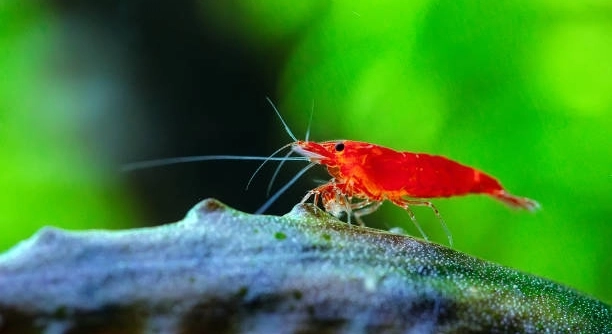
Have you ever noticed a small group of cherry shrimp in your aquarium and wondered how they interact with each other? These tiny creatures move gracefully among the plants, sometimes gathering in little clusters near hiding spots. Their presence adds a quiet charm to any tank.
Cherry shrimp are capable of forming social bonds, though these connections are primarily based on safety and environmental comfort rather than complex emotional attachment. They tend to cluster together in areas with food or shelter, demonstrating cooperative behavior.
Observing these subtle interactions can reveal more about their natural instincts and make maintaining a harmonious shrimp tank more rewarding.
How Cherry Shrimp Interact in Groups
Cherry shrimp often spend their time near others, especially in areas with plenty of plants or hiding spots. When I first watched them, I noticed they seemed calmer together, moving slowly over moss and gravel as if taking cues from each other. They don’t form bonds the way mammals do, but they do respond to the presence of other shrimp. Grouping can reduce stress, making them more active and more willing to explore their environment. You might see them grazing together on algae or small food particles, staying close without any signs of aggression. The dynamics are simple: larger shrimp sometimes lead while smaller ones follow, and when one shrimp finds food, others are quick to join. Over time, consistent tankmates can develop a pattern of interaction, creating a peaceful coexistence that feels coordinated. Even without complex emotions, these small signals show their instinctual social tendencies.
Shrimp clustering is mostly for safety and efficiency, helping them feel secure in their environment.
Watching these interactions more closely helps you understand their habits. Noticing how they spread out or gather depending on feeding times, tank decorations, and water flow can inform how to design a better habitat. Each shrimp contributes subtly to the overall balance, and recognizing these behaviors allows you to support a calmer, healthier tank. By observing where they prefer to rest and how often they interact, you can predict movement patterns and feeding behavior. Even small adjustments like adding moss or small hiding spots can improve how they group, enhancing both their activity and comfort levels. These interactions, while simple, are crucial to maintaining a stable community. Understanding their social tendencies gives insight into their natural instincts and shows that even small creatures have thoughtful ways to navigate their environment.
Signs of Stress and Comfort
Shrimp will often hide more when stressed or uncomfortable, sometimes isolating themselves for long periods.
Paying attention to tank conditions, food availability, and water quality helps reduce stress. Proper care encourages natural clustering and cooperative behavior.
Stress in cherry shrimp can come from a variety of sources, including sudden temperature changes, poor water quality, or aggressive tankmates. When stressed, they may retreat to corners or plants and eat less frequently. On the other hand, a calm environment encourages them to explore, feed, and stay closer to other shrimp. I’ve noticed that when the water is stable and plants are abundant, shrimp move confidently in groups, showing more natural interactions. Adding hiding spots like moss or small caves gives them security, letting them cluster without fear. Observing these patterns over time gives insight into their comfort levels. Even minor changes, like adjusting lighting or introducing gentle water flow, can affect behavior. By maintaining optimal conditions, their natural social tendencies become more visible, making your tank both lively and peaceful.
Feeding Behavior and Social Bonds
Cherry shrimp often eat together, gathering around food without conflict. I noticed that even in larger groups, they share small food particles quietly, moving in a coordinated, almost gentle way. This behavior seems driven by instinct rather than attachment.
When feeding, shrimp show patterns that suggest a basic social structure. Larger or more confident shrimp usually approach first, while smaller ones follow, cautiously picking at leftover particles. I often watch them grazing along moss or driftwood, each shrimp taking its space but remaining near others. This shared activity reduces stress and encourages more consistent movement, which can help keep the tank cleaner. Over time, regular feeding schedules create a subtle rhythm, allowing shrimp to anticipate each other’s actions and maintain peaceful coexistence. Even without emotional bonds, their grazing habits demonstrate a natural form of social organization.
Food placement and quantity influence how closely shrimp cluster. I experimented with scattered versus concentrated feeding, noticing tighter groupings when food was limited and looser movement when abundant. Observing these patterns helps optimize feeding practices, ensuring all shrimp get access without aggression. Coordinating feeding strategies with tank layout enhances comfort, making social interactions smoother and more predictable. Understanding these habits allows me to manage their environment better, supporting both health and activity levels, and showing that social behavior in shrimp is often tied directly to practical needs like nourishment and safety.
Environmental Influence on Social Behavior
Shrimp behavior changes based on plant density, hiding spots, and water flow. Dense moss encourages gentle clustering, while open areas lead to more scattered movement. Proper tank setup can guide how shrimp interact.
Environmental factors play a major role in how cherry shrimp form loose social bonds. In a tank with abundant hiding spots, shrimp cluster near these areas, feeling safer and more confident. Open or sparsely planted tanks often see shrimp spread out, avoiding each other and staying near cover. Water flow also affects movement; gentle currents encourage exploration and group grazing, while strong currents push shrimp to cling to surfaces individually. Lighting and substrate choice further impact behavior, influencing where shrimp prefer to settle or feed. By observing these preferences, I can adjust the tank to encourage natural clustering, reduce stress, and maintain harmony among tankmates.
Reproduction and Group Dynamics
Breeding influences how cherry shrimp interact. Females with eggs often stay hidden, while males remain nearby, moving cautiously around them. This behavior increases survival chances for the young.
When a new batch of shrimp hatches, juveniles tend to stick close to moss and plants, often following older shrimp indirectly. Groups shift subtly to accommodate the vulnerable, creating a loose structure that supports safety and access to food for all members.
Tank Size and Population Density
Shrimp in smaller tanks show tighter clustering, while larger tanks allow more spread. Population density affects how often shrimp meet and interact.
Observing Natural Instincts
Cherry shrimp rely on instinct for social behavior. Clustering and grazing together are primarily driven by safety and efficiency rather than emotional bonding.
How many cherry shrimp should I keep together?
Cherry shrimp are social in nature, but their interactions depend on tank size and resources. I usually keep at least ten in a small tank to encourage clustering without overcrowding. Too few shrimp may isolate individuals, reducing natural social behaviors, while too many can create competition for food and hiding spots. Monitoring their behavior helps determine if the population feels balanced. Observing how they move and group together gives insight into whether the tank supports healthy social interaction.
Do cherry shrimp recognize each other?
Cherry shrimp do not have advanced recognition abilities like mammals. However, they can respond to familiar tankmates through repeated exposure. Over time, shrimp may adjust behavior to the presence of consistent individuals, grazing and moving in ways that reduce stress and avoid conflict. This isn’t emotional recognition but a form of learned social adaptation. When I first introduced a new batch, they were cautious around older shrimp. Gradually, they moved closer and grazed in shared spaces, showing that familiarity affects comfort and coordination.
Can stress impact their social behavior?
Stress has a major effect on how cherry shrimp interact. When water conditions fluctuate or aggressive tankmates are present, shrimp hide more and cluster less. I noticed that stressed shrimp retreat to moss or corners, avoiding others. Stable water parameters, proper hiding spots, and gentle filtration encourage normal clustering, grazing, and movement. Over time, maintaining low-stress conditions helps shrimp display natural social behaviors, showing that environmental stability is key to fostering loose social bonds.
Will cherry shrimp fight with each other?
Aggression among cherry shrimp is rare and usually occurs when food is scarce or space is limited. I’ve observed mild skirmishes around concentrated food spots, but they quickly disperse once feeding ends. Providing multiple feeding areas and sufficient hiding spaces prevents conflicts. Unlike other aquatic species, cherry shrimp rely on avoidance rather than confrontation to maintain peace. By ensuring a well-planted tank and spreading food evenly, the tank remains calm, allowing shrimp to cluster and interact naturally.
Do shrimp communicate with each other?
Communication among cherry shrimp is subtle and mostly behavioral. They signal intentions through movement, grazing patterns, and proximity to other shrimp. When I watch them, it’s clear that clustering or retreating is a response to others’ presence rather than vocal or chemical signals humans can detect. These small cues regulate social interaction, ensuring each shrimp has access to food, safety, and space. Observing these patterns reveals how instinct guides their coordination, creating a quiet but organized social environment.
How can I encourage social behavior in my tank?
Providing a well-planted environment with moss, rocks, and gentle water flow encourages clustering and cooperative grazing. I also maintain consistent feeding schedules and avoid sudden changes in temperature or lighting. Grouping shrimp in stable numbers allows them to display natural social tendencies. By observing movement patterns and adjusting the environment as needed, social interactions become more visible, while stress remains low. Proper tank design and care are the easiest ways to support social behavior in cherry shrimp.
Do shrimp prefer larger or smaller groups?
Shrimp tend to feel more secure in groups of at least ten. Smaller numbers often lead to isolation and less visible clustering. In larger tanks, maintaining moderate population density is important to avoid competition. I’ve found that balancing group size with tank space helps shrimp move comfortably, share food, and maintain natural grazing patterns. Observing how they cluster in different setups shows that size and density directly influence social interaction.
Will new shrimp disrupt existing groups?
Introducing new shrimp can temporarily change social dynamics. Older shrimp may initially avoid newcomers, and juveniles might hide more. I usually introduce new shrimp gradually, ensuring sufficient hiding spots and evenly distributed food. Within a few days, they adapt, and the group regains normal clustering and grazing behavior. Careful introduction minimizes stress and supports healthy social bonds in the tank.
Can environmental enrichment improve shrimp interaction?
Adding plants, moss, and small hiding areas enhances social behavior. I noticed shrimp cluster near enriched areas, feeling safe enough to explore and feed together. Environmental enrichment not only reduces stress but also encourages natural grazing patterns and subtle coordination among tankmates. Well-placed decorations and varied surfaces allow shrimp to move freely while maintaining proximity, promoting a more harmonious social environment.
Do male and female shrimp behave differently socially?
Males are often more active, moving around and exploring, while females may stay near food or hiding spots, especially when carrying eggs. I observe that males tend to approach females gently, following them without aggression. Females show caution but remain in proximity, allowing loose social interaction. These differences reflect natural reproductive instincts rather than emotional bonding. Providing sufficient space and resources helps both sexes display typical social behavior without stress.
How do juvenile shrimp fit into group behavior?
Juveniles usually stay close to moss or protective areas, avoiding larger shrimp initially. Over time, they integrate slowly, grazing alongside others while maintaining safe distances. I’ve seen juveniles learn patterns from older shrimp, following grazing paths and mimicking movement. Their gradual inclusion demonstrates that social bonds in cherry shrimp are flexible and based on environmental comfort, not attachment. Maintaining calm conditions and hiding spots encourages successful integration into established groups.
Does tank layout affect social interaction?
Yes, the arrangement of plants, rocks, and open space directly affects how shrimp move and cluster. I’ve observed that dense planting encourages gentle clustering, while open layouts lead to scattered movement. Proper tank design supports grazing, hiding, and subtle coordination, allowing social tendencies to emerge naturally. Thoughtful placement of moss, driftwood, and other structures enhances comfort, reduces stress, and encourages predictable interactions. Observing shrimp behavior in relation to layout helps me adjust the environment to support peaceful cohabitation.
Can shrimp display cooperative behavior?
Cooperation is limited but visible in shared grazing and avoidance of conflict. When one shrimp finds food, others often join without aggression. I noticed that in well-planted tanks, shrimp move in loose groups, taking turns feeding and exploring. This behavior is instinctive, aimed at safety and efficiency rather than emotional connection. Supporting this natural tendency with adequate resources and space allows shrimp to exhibit subtle coordination and interaction, reflecting a simple but effective social structure.
Cherry shrimp are small, delicate creatures that can show surprisingly complex behavior despite their size. Observing them over time, it becomes clear that their social interactions are guided largely by instinct and environmental conditions. They gather near plants, hiding spots, and food, often clustering together without any visible aggression. This behavior is not based on emotions like affection but rather on comfort, safety, and efficiency. In my experience, the more stable and well-planted a tank is, the more naturally these clusters form. It is fascinating to see them move together in quiet coordination, grazing or exploring without disrupting each other. Even though they do not form bonds like mammals, the way they interact demonstrates a simple but effective system of social organization that supports their survival in a shared space.
The environment plays a crucial role in shaping how cherry shrimp interact with each other. Water quality, temperature, and tank layout all influence movement patterns and clustering behavior. When conditions are optimal, shrimp display more predictable social behaviors, such as grazing near others and using hiding spots efficiently. I have found that adding moss, rocks, and small caves encourages them to gather safely and explore freely, creating a peaceful tank dynamic. Conversely, poor conditions or limited hiding spaces can cause stress, isolating individuals and disrupting normal behavior. Observing these responses over time provides valuable insight into what supports social interaction in shrimp. By maintaining a consistent and comfortable environment, it is possible to encourage natural behavior that appears coordinated and harmonious, even if it is instinct-driven rather than emotionally based.
Feeding habits also reveal aspects of their social tendencies. Cherry shrimp often gather around food, taking turns and avoiding direct conflict. Larger or more confident shrimp may approach first, while smaller ones follow at a careful distance, showing a subtle form of organization. Introducing new shrimp or juveniles may temporarily alter group dynamics, but they gradually adapt, integrating into established patterns without aggression. In my experience, providing multiple feeding areas and ensuring an abundant supply of food helps maintain balance, allowing all shrimp to interact safely. These small, consistent behaviors illustrate that while cherry shrimp do not form emotional bonds, their natural instincts encourage a form of social structure that benefits the group as a whole. Observing them over time reinforces that even tiny aquatic creatures have remarkable ways of coexisting peacefully, guided by instinct, environmental comfort, and shared resources.

Hello,
If you enjoy the content that we create, please consider saying a "Thank You!" by leaving a tip.
Every little bit helps us continue crafting quality advice that supports the health, happiness, and well-being of pets around the world, for pets of all shapes, sizes, and species.
We really appreciate the kindness and support that you show us!