
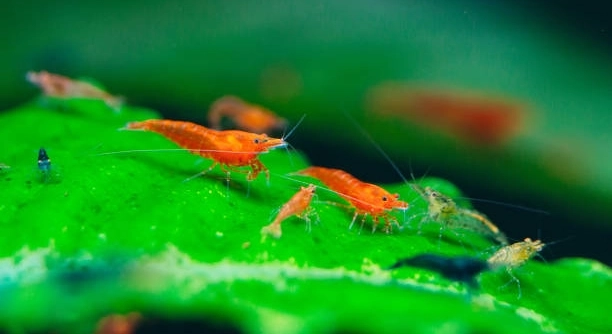
Do you ever notice small changes in your shrimp tank that make you wonder if something might be affecting their health, creating subtle hints that something is not quite right with your little aquatic pets?
Early signs of shrimp illness often include reduced activity, fading coloration, irregular swimming, and lowered appetite. These subtle indicators reflect underlying stress and suggest that environmental factors or pathogens may be affecting their overall health and stability within the tank.
Recognizing these mild changes helps you understand your shrimps condition early, guiding you toward better care and a healthier environment.
Early Changes in Behavior
When shrimp begin to feel unwell, the first signs often arise in their behavior. You might notice moments when they appear less energetic or move with a slower, hesitant pattern that differs from their usual rhythm. These small shifts can develop quietly, yet they offer important clues about what is happening beneath the surface. A shrimp that spends more time hiding, avoids exploring, or separates itself from the group may be reacting to stress, environmental imbalance, or an early health issue. In some cases, you might also see slight coordination problems or brief pauses in movement that feel out of character for them. These changes are not always dramatic, but they matter, because behavior is one of the most sensitive indicators of health. Paying attention to these early differences helps you respond sooner and create a more stable environment for your tank.
Behavioral issues can develop quickly, and noticing them early helps you protect your shrimp before the situation grows more serious.
Understanding how these actions shift over time lets you connect subtle patterns and respond with careful adjustments that support healthier conditions for your shrimp.
Shifts in Color and Appearance
Changes in coloration often signal that your shrimp are under stress, reacting to illness, or dealing with poor water conditions.
Color fading, patchy tones, or uneven shading can be linked to temperature swings, improper nutrition, or developing infections. When shrimp begin to change in appearance, it is usually a sign that their bodies are reacting to something that disrupts normal functioning. Some shrimp may show small white patches, thin shell texture, or a dull surface that loses its natural glow. These visual indicators reveal how sensitive they are to water quality issues like rising ammonia or fluctuating parameters. Paying attention to these subtle visual differences helps you intervene before the problem escalates. Improving water stability, offering balanced feeding, and reducing stress factors can help restore their natural appearance. Staying consistent with tank maintenance ensures your shrimp remain bright, healthy, and well-supported in their environment.
Changes in Eating Patterns
Shrimp that begin eating less or ignoring food often signal that something in their environment is affecting their comfort. A sudden drop in appetite can appear mild at first, but it often reflects stress or an early stage of illness that needs attention.
A noticeable decrease in feeding can stem from unstable water conditions, leftover waste buildup, or temperature fluctuations that influence their metabolism. When shrimp hesitate to approach food or stop competing at feeding time, their bodies may be reacting to internal or external pressures. You might also see them chew briefly before dropping the food, which can point to digestive discomfort. Observing how quickly they respond during feeding helps you determine if their routine is shifting. Adjusting water parameters and offering small, clean portions can help improve their appetite and support stronger health.
Long pauses between feeding attempts can also indicate that shrimp feel overwhelmed by poor oxygen levels or elevated stress in the tank. When this change lasts more than a day, it usually suggests that their environment needs correction. Poor nutrition or old food can worsen the situation, making them even less willing to eat. Keeping their diet varied and removing leftover particles reduces the chance of bacterial growth. Consistent monitoring helps you restore their feeding habits and maintain a cleaner, safer space for them.
Irregular Molting Patterns
Molting irregularities often signal that your shrimp are struggling with imbalance, whether due to minerals, water parameters, or subtle stress. When they have difficulty shedding or go too long between molts, their bodies are often working harder than they should underneath the surface.
Molting problems usually appear when calcium levels drop or when water hardness becomes inconsistent, making it tough for shrimp to form a proper exoskeleton. You might notice incomplete molts or discarded shells that look thinner than usual. These signs reflect how sensitive shrimp are to their surroundings. Soft water, sudden parameter swings, or a lack of trace minerals can weaken their shell formation and interrupt normal cycles. Providing a stable environment and ensuring that mineral levels remain balanced supports healthier molts and lowers the risk of complications. Regular tank checks help you spot issues early and keep their molting pattern steady.
Changes in Swimming Patterns
Shrimp that begin moving with uneven, twitchy motions often show early signs of discomfort. Sudden bursts of frantic movement or drifting without direction can indicate stress linked to water changes, rising toxins, or developing health issues that need attention.
Slow, unsteady gliding or frequent stops during swimming can also reflect that something is affecting their balance. These subtle changes often appear before more serious symptoms, making it important to notice them quickly and adjust their environment with care.
Unusual Resting Behavior
Shrimp that rest for long periods in the same spot may be reacting to hidden stress in the tank. Extended stillness or choosing unusual resting areas can signal that conditions are shifting in a way that affects how comfortable they feel. You might also see them cling to surfaces more than usual or avoid their typical exploring habits. These quiet changes help you understand that something in their surroundings needs attention, encouraging you to look closer at water quality, feeding routines, and tank stability before the issue develops further.
Subtle Physical Damage
Small cracks or tiny irregular marks on the shell can signal that shrimp are dealing with mild stress or early irritation from their surroundings. Observing these soft physical changes helps you catch potential problems before they become more serious.
FAQ
How can I tell if my shrimp is stressed or sick?
Shrimp often show subtle signs of stress before illness becomes obvious. Reduced movement, fading color, hiding more than usual, or irregular swimming patterns can indicate discomfort. Changes in appetite or unusual resting behavior also provide early warning signals that something in their environment may be affecting them.
What water parameters are most important for shrimp health?
Maintaining stable water parameters is critical. Temperature, pH, ammonia, nitrite, and nitrate levels should be regularly monitored. Hardness and mineral content also play a role in molting and overall health. Sudden changes in any of these parameters can quickly stress shrimp and make them more susceptible to disease.
Why is my shrimp losing color?
Fading color can result from stress, poor nutrition, or illness. Inconsistent water conditions, overcrowding, or insufficient minerals can weaken shrimp, leading to dull or patchy coloration. Addressing water quality, providing a balanced diet, and minimizing disturbances can help restore their natural color over time.
What should I do if a shrimp stops eating?
Loss of appetite often points to stress or illness. Check water parameters and ensure food is fresh and appropriate. Overfeeding or leftover food can cause water issues, which may worsen the problem. Feeding smaller, consistent portions while maintaining a clean tank often helps restore normal eating patterns.
How do I recognize early molting problems?
Irregular molting is a common indicator of health issues. Watch for incomplete molts, thin shells, or longer intervals between shedding. These signs often point to mineral deficiencies or inconsistent water parameters. Ensuring proper calcium levels, trace minerals, and stable conditions supports smoother molting cycles.
Can shrimp recover from minor illnesses on their own?
Some minor illnesses or stress-related symptoms may resolve if the environment improves. Stabilizing water quality, adjusting temperature, and offering proper nutrition can support recovery. However, persistent or worsening signs require intervention to prevent more serious health complications.
Is it normal for shrimp to hide frequently?
Hiding is a natural behavior, but extended periods in unusual spots or separation from the group may indicate stress or illness. Changes in hiding patterns often correlate with water quality issues, aggressive tankmates, or early disease signs. Monitoring behavior and addressing environmental factors is essential.
How often should I check on my shrimp?
Regular observation is key. Daily monitoring helps you spot subtle changes in movement, color, feeding, or resting behavior. Consistent checks allow early detection of stress or illness, letting you correct environmental issues before they escalate.
What role does diet play in shrimp health?
A balanced diet supports coloration, molting, and immunity. Shrimp need high-quality food with sufficient protein, minerals, and trace elements. Lack of proper nutrition can weaken shells, reduce activity, and make them more vulnerable to illness. Rotating food types and offering supplements can improve overall health.
When should I consider separating a sick shrimp?
If illness spreads rapidly or affects multiple shrimp, isolating the affected individual can prevent further transmission. Using a clean, stable quarantine tank with optimal water conditions helps reduce stress while providing targeted care, allowing the shrimp the best chance to recover.
Can environmental stress cause long-term health issues?
Yes. Prolonged exposure to poor water quality, unstable temperatures, or overcrowding can weaken immunity, disrupt molting, and shorten lifespan. Early intervention is crucial. Regular maintenance, careful monitoring, and a stable environment reduce the risk of chronic health problems.
How do I maintain a clean and safe tank environment?
Regular water changes, removing uneaten food, and monitoring filtration efficiency are essential. Cleaning substrate and keeping decorations free from debris reduce bacteria buildup. Maintaining a balance between cleanliness and stability ensures shrimp remain healthy without sudden shocks to their habitat.
What signs indicate a serious illness requiring intervention?
Severe color loss, lethargy, erratic swimming, visible fungus, or missing limbs often indicate a serious condition. Rapid deterioration over a short period usually requires immediate corrective action, including water parameter adjustments, quarantine, and possible treatment.
How can I prevent future illnesses?
Consistent tank maintenance, stable water parameters, proper nutrition, and careful observation are the best prevention methods. Avoid overcrowding, sudden changes, and introducing unacclimated tankmates. Building a stable, supportive environment helps shrimp remain healthy and resilient against stress or disease.
Are there safe treatments for common shrimp illnesses?
Yes. Treatments vary based on the issue, including mild antibiotics for bacterial infections or mineral supplements for molting problems. Always research safe dosages and ensure compatibility with your shrimp species. Preventative care remains more effective than reactive treatment.
How long does it take for shrimp to recover?
Recovery time depends on the cause and severity. Minor stress or nutritional deficiencies may improve within days, while serious illnesses or molting complications can take weeks. Continuous observation and a stable environment accelerate recovery.
What is the best way to monitor shrimp health daily?
Observe behavior, color, feeding habits, and activity levels each day. Keep a simple log of any changes, including water parameters. Small daily checks allow you to detect subtle shifts early, making it easier to address potential issues before they worsen.
How can I tell if a shrimp tank is overcrowded?
Overcrowding reduces oxygen, increases waste, and raises stress levels. Signs include excessive hiding, aggression, or sluggish movement. Calculating the appropriate stocking density for your tank size and species helps maintain a balanced and healthy environment.
Does tank decoration affect shrimp health?
Yes. Sharp or rough surfaces can damage shells, while hiding spots reduce stress. Live plants improve water quality and offer shelter, supporting molting and overall well-being. A thoughtfully arranged tank ensures safety and promotes natural behavior.
What is the most common mistake shrimp keepers make?
Ignoring subtle signs of stress, inconsistent water maintenance, and overfeeding are common issues. Many problems start small but escalate if unnoticed. Daily observation, proper feeding, and careful monitoring prevent minor issues from turning into serious health concerns.
How do I improve oxygen levels in the tank?
Adding gentle water movement, using an air stone, or increasing surface agitation improves oxygenation. Well-oxygenated water supports metabolism, feeding, and recovery from stress. Avoid excessive currents that can tire shrimp or disrupt their natural behavior.
Can stress cause death even without visible illness?
Yes. Chronic stress from poor water quality, overcrowding, or sudden changes can weaken immunity and lead to death, even if no obvious disease is present. Maintaining a stable, clean environment is critical to prevent silent health decline.
How do I know if my shrimp are breeding normally?
Healthy shrimp show active movement, consistent feeding, and regular molting. Females may carry eggs under their tails, and juveniles should appear at a steady rate. Any abrupt decline in reproduction or visible egg issues may indicate stress or nutritional deficiencies that need correction.
Are there natural ways to boost shrimp immunity?
Providing varied, nutrient-rich food, maintaining stable water conditions, and reducing stress support natural immunity. Live plants and a clean tank environment also contribute to overall health, helping shrimp resist infections and recover more quickly from minor illnesses.
What should I do if multiple shrimp show signs of illness simultaneously?
Check water parameters immediately and remove any decaying matter. Consider quarantining affected individuals if possible and adjust feeding routines. Swift action and stabilization of environmental conditions prevent further spread and improve recovery chances for the group.
How important is tank stability compared to medication?
Tank stability is more crucial. Most health issues stem from environmental imbalance rather than infections. Proper water quality, consistent temperature, and minimal stress often resolve mild illnesses without medication. Medication should be a last resort, used only when conditions are already optimized.
How do I prevent future stress-related issues?
Maintain regular water testing, avoid sudden changes, and provide enough hiding spaces. Consistent feeding and careful introduction of new shrimp or decorations reduce stress. Creating a predictable, stable environment helps shrimp thrive and minimizes the risk of illness over time.
What signs indicate recovery in shrimp?
Brighter coloration, normal swimming patterns, regular feeding, and active exploration are all signs of improvement. Resumption of normal molting cycles and reduced hiding behavior also signal that shrimp are regaining strength and returning to a stable state.
How long should I monitor after recovery?
Even after signs of improvement, continue daily checks for at least two to three weeks. Early detection of any recurring stress or subtle changes ensures you can act before problems reappear. Consistent observation maintains long-term shrimp health and stability.
Can changing water too often cause stress?
Yes. Frequent or large water changes can shock shrimp by altering parameters abruptly. Gradual, partial changes help maintain stability while improving water quality, reducing stress, and allowing shrimp to adjust comfortably to a healthier environment.
How do I handle sudden water parameter spikes?
If parameters spike, act quickly to stabilize conditions. Partial water changes, aeration, and testing help return levels to safe ranges. Avoid sudden, extreme adjustments that can worsen stress. Consistency in water chemistry is key to preventing further health issues.
Are there signs that shrimp are struggling with disease internally?
Yes. Even without visible wounds, reduced appetite, lethargy, irregular molting, and subtle color changes often indicate internal issues. Observing these behaviors early allows you to adjust care and environment to prevent escalation and support recovery.
What is the safest way to introduce new shrimp?
Quarantine new shrimp for a few weeks before adding them to the main tank. Gradual acclimation to temperature, pH, and water hardness reduces stress and prevents introducing pathogens to the established group.
How do I maintain long-term shrimp health?
Regular water testing, stable parameters, proper nutrition, and careful observation are essential. Avoid overcrowding, provide hiding spots, and ensure consistent feeding. Monitoring behavior and appearance daily helps detect problems early and ensures shrimp remain active, vibrant, and healthy.
Final Thoughts
Caring for shrimp requires consistent observation and attention to detail. Unlike larger pets, shrimp communicate discomfort and illness through very subtle changes in behavior, appearance, and activity. A shrimp hiding more than usual, moving slower, or losing color may seem minor at first, but these signs are critical indicators of stress or potential illness. Daily monitoring helps catch these small changes before they develop into serious health issues. Even small adjustments to water quality, diet, or tank conditions can make a significant difference in their overall well-being. Paying attention to these details not only helps maintain the health of individual shrimp but also supports the balance of the entire tank ecosystem.
Maintaining a stable environment is one of the most important factors in preventing illness. Shrimp are highly sensitive to changes in temperature, pH, ammonia, nitrite, and nitrate levels, and sudden fluctuations can quickly lead to stress. Overcrowding or insufficient hiding spaces can also contribute to anxiety and weaken their immune system. Regular water testing, proper filtration, and careful tank maintenance provide a safe and predictable habitat that allows shrimp to thrive. Consistent feeding with a balanced diet rich in minerals and trace elements ensures healthy molting and vibrant coloration. Simple, routine practices help reduce the likelihood of disease and improve overall longevity. Small, deliberate steps in creating a stable tank environment can prevent many common health problems before they begin.
Recognizing early warning signs and taking proactive steps is essential for long-term shrimp care. Subtle changes in swimming patterns, resting behavior, or eating habits can indicate underlying issues that require intervention. Addressing these issues promptly, whether through water adjustments, nutritional support, or isolating affected individuals, supports recovery and prevents further complications. Maintaining attention to both the physical and behavioral health of shrimp allows you to provide a thriving, stable habitat. Observing, recording, and responding to changes in your shrimp’s daily behavior ensures they remain healthy, active, and resilient. Over time, consistent care and awareness create a positive environment that supports not only their immediate well-being but also their long-term survival and quality of life.

Hello,
If you enjoy the content that we create, please consider saying a "Thank You!" by leaving a tip.
Every little bit helps us continue crafting quality advice that supports the health, happiness, and well-being of pets around the world, for pets of all shapes, sizes, and species.
We really appreciate the kindness and support that you show us!