
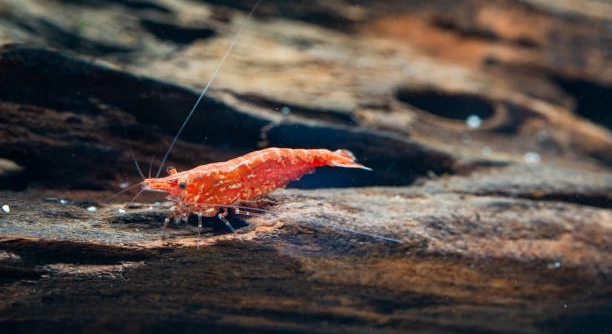
Shrimp in a crowded aquarium may begin to show signs of stress as their space becomes limited, affecting their comfort and behavior. Learning these signals helps you recognize when changes are needed for their being.
Overcrowding in shrimp tanks is identified through reduced activity, increased aggression, and visible competition for space. These behavioral and environmental indicators reflect insufficient capacity, signaling a need for evaluation of tank size, stocking levels, and habitat structure to maintain conditions.
By understanding these signs early, you can create a comfortable setup that supports healthier habits and interactions in their tank.
Reduced Movement and Hidden Behavior
When shrimp start feeling crowded, the first thing you may notice is a shift in how they move through the tank. They may spend more time tucked behind plants or decor, choosing to stay out of the open because the space around them feels tight. I have seen this happen in tanks that once seemed perfectly balanced until growth or new additions changed the rhythm. Overcrowding can make shrimp cautious in places where they previously explored with ease. You may catch them lingering near the same small spots as they try to secure a little comfort in a busy setup. This shift in behavior often appears slowly, making it easy to miss if you are not watching closely. When you start spotting patterns like these, it is usually a sign that something in the environment has shifted enough to affect how they handle their space each day at home too.
These small changes often indicate that your shrimp are competing for limited room even if the tank appears full of shelter. When they start holding back from normal activity it suggests their comfort is decreasing as the space becomes harder to navigate with so many bodies moving around each day.
To help your shrimp feel secure again, begin by checking how much room each one actually has to move. Increasing plant coverage or rearranging decor can offer new hiding spots that ease the pressure of shared space. If the tank size is no longer suitable, moving a portion of the population to a larger setup can make a noticeable difference in their behavior. A calm, open layout gives them the freedom to explore without bumping into others constantly. With a bit of attention, you can bring back a smooth balance that allows them to behave naturally again in your tank.
Growing Aggression and Chasing
Shrimp may begin nipping or chasing when their space becomes too tight, showing clear signs that the environment no longer suits their needs. This behavior can appear suddenly as they try to claim small areas that feel safer or easier to defend during busy moments in a crowded tank setup.
Addressing this shift requires looking closely at how your shrimp interact with the space they share. Aggressive behavior often emerges when hiding spots, feeding areas, and open sections are no longer enough for the number of shrimp in the tank. When they feel pressured, they react by guarding specific places, leading to more frequent chasing and stress across the group. To reduce this, begin by reviewing the layout and removing clutter that compresses their movement. Adding more plants, moss, or simple shelters can divide the tank into sections that help lower tension. If the tank is small for the size of the colony, upgrading to a larger setup is one of the most reliable ways to restore calm behavior. Balanced feeding routines also matter since overcrowded shrimp may rush for food in ways that create more conflict. Slow sinking foods placed in several areas can spread out the activity and allow each shrimp to feed without feeling pushed aside. Over time, these changes support a peaceful environment where movement feels natural and each shrimp has enough room to behave without fear. With steady care, you can create conditions that help them return to calm social patterns in their tank daily.
Limited Access to Food
When shrimp are crowded, some begin missing out during feeding because stronger or faster shrimp reach the food first. This uneven access creates stress that affects their color, growth, and general comfort as they struggle to keep up each day in the tank.
Shrimp that cannot reach food consistently may start showing paler shades or slower movements as they conserve energy. I have seen shrimp hover at the edges during feeding, waiting for leftovers that never arrive because the group is too large for the space. Offering food in several small spots helps spread activity and lowers tension. When the tank population exceeds what the space can support, even simple feeding becomes a stressful moment that reveals how limited the setup has become. Keeping portions balanced and spreading them around helps restore peace during mealtime and gives each shrimp a fair chance to eat without pressure.
A larger tank or reduced population often makes feeding more efficient and far less chaotic. When shrimp feel comfortable approaching food without being pushed aside, their colors return, their movements become more confident, and their overall behavior stabilizes. Consistency in feeding placement also helps them form gentle routines instead of rushing to compete. Observing how your shrimp gather during meals can tell you a lot about whether the space meets their needs or if adjustments are necessary.
Stress Marks and Faded Color
Overcrowded shrimp often develop faded color or temporary stress marks when their environment becomes overwhelming. These visual changes appear as the shrimp struggle to adjust to limited territory, constant movement around them, or competition that disrupts their usual calm patterns in the tank.
When shrimp experience this kind of stress, their pigment may look duller and their shells may appear slightly washed out. I have noticed this in tanks where the group gradually grew larger than planned, causing subtle shifts until the shrimp began showing these signs. Improving water quality, adding fresh plants, and lowering population density helps their colors return. When they feel supported by stable conditions, they display brighter hues and livelier movement that reflect better health. Reducing stress is not just about appearance, it is about creating a balanced environment where their natural colors can come through again as they settle back into comfortable routines.
Molting Problems
Crowded shrimp often struggle during molts because stress makes the process harder on their bodies. You may notice incomplete molts or shrimp taking longer to recover afterward since tight conditions make them feel unsafe while their shells are soft and they need extra space to rest.
When space is limited, shrimp have fewer quiet areas to hide during this delicate phase. This can lead to injuries or failed molts that affect their long term health. Creating more hiding spots and reducing population density usually helps them molt safely and regain strength without added pressure from nearby shrimp.
Increased Waste and Water Decline
A crowded tank produces more waste than the system can handle, leading to quick drops in water quality that affect every shrimp inside. I have seen tanks that looked fine become unstable almost overnight once the population grew too large for the filtration. High waste levels create stress, weaken the immune system, and make shrimp more vulnerable to illness. Regular maintenance can help, but if the tank holds more shrimp than the setup can support, stability becomes difficult to maintain. Adjusting the population or upgrading the filter makes a noticeable difference in how calm and active the shrimp become.
Constant Competition for Space
Shrimp may begin pushing into the same small areas when the tank feels too tight, creating nonstop competition throughout the day. This behavior shows they no longer have enough room to establish comfortable spots where they can rest or forage without pressure.
How many shrimp can comfortably live in a small tank?
A small tank fills up faster than most people expect. Even a ten gallon tank can become crowded if the group grows quicker than planned. I have learned that keeping numbers lower than the common recommendations often creates a calmer setup. A safe starting point is usually around ten to fifteen shrimp for ten gallons, but this depends on how much cover and filtration you use. If you enjoy watching your shrimp move freely without bumping into each other, giving them extra room makes a clear difference. They explore more, show brighter colors, and molt with less stress when the tank is not packed.
What signs show that shrimp need a larger tank?
Shrimp begin showing several small behavior changes before things turn into bigger problems. You might see them crowding in the same safe corners, competing during feeding, or hiding more often instead of grazing across the tank. Color fading, slow movement, and frequent chasing also hint that they feel pressured by the limited space. When these patterns appear together, it means the environment is no longer supporting their needs. A larger tank brings back balance by offering more room to graze, rest, and explore. I have watched stressed shrimp bounce back quickly once they had more space to settle into their normal routines.
Can overcrowding affect water quality even if the filter is strong?
Yes, even a good filter struggles when shrimp numbers climb beyond what the tank can support. More shrimp means more waste, leftover food, and debris tucked into plants or moss. I have seen tanks develop cloudy water, rising nitrates, and unstable parameters simply because the population was growing faster than the system could handle. A filter helps, but it cannot compensate for limited water volume. Regular maintenance can slow the decline, but reducing numbers or upgrading the tank is the only real solution when the shrimp begin showing signs of stress. Once things stabilize, shrimp show better appetite, stronger color, and smoother activity.
Why do shrimp become aggressive when overcrowded?
Shrimp are usually peaceful, but tight conditions can shift their behavior. When space is limited, they try to protect small areas that feel comfortable. This leads to more chasing and nudging as they compete for the safest spots. The behavior is not personal, it is a reaction to pressure. I have watched this happen slowly in tanks that once felt calm. As the group grew, small disagreements became more noticeable. Giving them more plants or open areas usually helps, but when the tank is truly crowded, reducing the population is the most effective fix. Shrimp settle into calmer patterns once they no longer feel pushed around.
Do shrimp stop molting when the tank is overcrowded?
They may not stop completely, but molting becomes harder for them. Shrimp need calm, stable conditions and enough space to hide while they shed their shell. When the tank is too busy, they feel exposed and vulnerable. This stress can cause incomplete molts or slow recovery afterward. I have seen shrimp struggle when they cannot find a quiet place to rest. A healthier environment with more room and better water conditions helps them molt smoothly again. Once the pressure lifts, they regain strength and return to their usual schedule.
Does overcrowding affect baby shrimp the same way as adults?
Baby shrimp face even more challenges. They need safe hiding areas with gentle flow and plenty of biofilm to graze on. In a crowded tank, adults may unintentionally outcompete them or displace them from the best spots. Babies also react faster to poor water quality because they are fragile. I have noticed that survival rates drop sharply when the tank feels too full. Keeping numbers manageable helps babies grow well. When the tank is balanced, you see them moving around more confidently, feeding freely, and developing color earlier. Space and stability make a noticeable difference in how well they mature.
How often should I check for signs of overcrowding?
A quick check each day helps you notice gradual changes before they turn into bigger issues. Watching how your shrimp move, feed, and interact makes it easier to adjust things early. I have learned that shrimp show plenty of hints when space becomes tight. By paying attention to these small patterns, you can keep the environment comfortable and prevent stress from building.
Final Thoughts
Caring for shrimp in a comfortable and well balanced tank comes down to paying attention to the small signals they show each day. Overcrowding rarely appears all at once, it builds slowly through changes in movement, feeding habits, and general behavior. When you watch them closely, you start to notice patterns that tell you something in the environment needs to shift. A shrimp that hides more often, struggles to molt, or loses color is not just reacting to one problem. These signs usually connect to the amount of space they have, the stability of the water, and the pressure they feel from sharing the tank with too many others. Creating a balanced home is not about perfection, it is about responding to what they show you and making steady adjustments. When the tank supports their natural needs, their behavior becomes calm and predictable, giving you a clear sign that things are moving in the right direction.
Making changes to reduce crowding can feel intimidating at first, but even small adjustments can bring quick improvements. Adding more plants, using simple hides, or rearranging the layout helps create space within the space, giving each shrimp room to feel secure. When the population becomes too large for the tank to handle, rehoming some shrimp or moving them to a bigger tank is often the most effective step. It may feel like a big decision, but it protects their long term health and reduces the stress that builds when they do not have enough room to settle comfortably. Water stability also improves when the crowding eases, which has a direct impact on their color, their appetite, and their ability to molt. I have seen tanks transform from tense and busy to peaceful and lively just from giving the shrimp a little more room. The payoff is worth the effort, and the shrimp respond in ways that are easy to appreciate.
In the end, keeping your shrimp healthy is about creating an environment where they can follow their normal routines without feeling overwhelmed. When the tank gives them enough room to explore, graze, and rest, their natural behaviors shine through. Overcrowding makes everything feel more chaotic, but a balanced setup brings back calm movement, steady feeding, and brighter color. It allows the shrimp to thrive instead of cope. With regular observation and small adjustments over time, you can keep their environment stable and supportive. Shrimp do not ask for much, but they do rely on you to notice when their space becomes too tight. By responding early and thoughtfully, you help them stay comfortable, active, and healthy in a tank that truly suits their needs.

Hello,
If you enjoy the content that we create, please consider saying a "Thank You!" by leaving a tip.
Every little bit helps us continue crafting quality advice that supports the health, happiness, and well-being of pets around the world, for pets of all shapes, sizes, and species.
We really appreciate the kindness and support that you show us!