
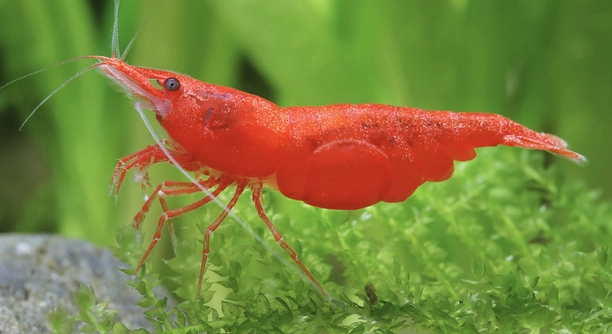
Is your cherry shrimp constantly picking at the water surface or hovering near the tank’s top? Observing this behavior can be surprising, especially when your shrimp usually seems content and active in its usual spots around the aquarium.
This behavior is typically caused by low oxygen levels or poor water quality. Insufficient dissolved oxygen or high levels of ammonia and nitrites can stress shrimp, leading them to seek air at the surface as a survival response and to maintain normal bodily functions.
Monitoring your tank conditions carefully and maintaining proper filtration and aeration will help prevent stress and support your shrimp’s overall health and activity.
Understanding Oxygen Levels in Your Tank
Cherry shrimp are highly sensitive to oxygen levels, and even minor drops can cause noticeable stress. If your shrimp is frequently picking at air, low oxygen is often the reason. Factors like overcrowding, high temperatures, or inadequate water movement can reduce dissolved oxygen, forcing shrimp to search the surface for relief. I’ve noticed that even small adjustments, like adding an air stone or repositioning the filter, can make a significant difference. Observing your shrimp closely during these times can help you identify patterns and understand when the tank conditions might be contributing to this behavior. Consistently monitoring temperature and aeration will prevent repeated episodes and keep your shrimp active and healthy, reducing the likelihood of surface-picking as a coping mechanism. Oxygen-rich water promotes normal feeding and molting, ensuring your shrimp thrive rather than struggle.
Adding gentle aeration often resolves surface-picking quickly and keeps your shrimp comfortable.
Proper oxygenation prevents stress, encourages natural behavior, and reduces risks associated with long-term exposure to low oxygen levels. Maintaining steady aeration ensures all shrimp can access oxygen, particularly in dense or heavily planted tanks, supporting consistent health and activity.
Water Quality and Its Effects
Ammonia, nitrites, and nitrates can impact shrimp health. Even small imbalances can stress them and trigger air-picking behavior.
Regular testing and partial water changes help maintain stable conditions. Keeping parameters within safe ranges for cherry shrimp minimizes stress and supports proper growth, molting, and reproduction. Observing water clarity and avoiding overfeeding also reduces toxins. I’ve seen tanks improve noticeably once consistent maintenance was established, with shrimp returning to normal activity. Using gentle filtration that doesn’t create strong currents allows oxygen distribution without disturbing shrimp. Even when tanks look clean, hidden spikes in ammonia or nitrites can occur. Tracking changes after adding new plants or foods helps catch issues early. Maintaining a stable, balanced environment is key to preventing repeated stress episodes. Understanding your shrimp’s tolerance and adapting tank care accordingly can create a stable, healthy habitat where they thrive.
Feeding Habits and Nutrition
Inadequate or unbalanced feeding can make cherry shrimp seek air. They might be trying to access tiny particles floating on the surface when their diet lacks variety or nutrients.
I’ve noticed that shrimp with limited diets often spend more time at the surface. Providing a mix of high-quality pellets, algae wafers, and occasional blanched vegetables ensures they get protein, fiber, and essential vitamins. Uneaten food should be removed promptly to prevent water contamination, which can stress shrimp further. Consistent feeding schedules help regulate their behavior and reduce erratic surface activity. Observing how shrimp respond to different foods can indicate nutritional gaps and guide adjustments. Even small changes in diet, like adding a piece of zucchini or spinach, can reduce surface-picking behavior. Proper nutrition supports healthy molting and natural activity patterns, keeping shrimp engaged throughout the tank rather than hovering near the surface.
Surface-picking often decreases once dietary needs are met, showing the importance of balanced nutrition.
Diet directly affects shrimp health and behavior. Providing varied, nutrient-rich food maintains their energy levels, supports molting, and encourages normal movement throughout the tank.
Stress and Environmental Factors
Sudden changes in temperature or tank setup can stress cherry shrimp, leading to air-picking. Stress can be triggered by new decorations, substrate changes, or sudden light shifts.
I’ve seen shrimp react noticeably to abrupt environmental changes. They may cling to surfaces or gather near the top until conditions stabilize. Maintaining consistent water temperature, gentle lighting transitions, and careful placement of plants and ornaments reduces stress. Shrimp are highly perceptive to disturbances, including vibrations or frequent handling, which can disrupt their behavior. Providing hiding spots and stable surroundings helps them feel secure. Observing how shrimp respond to specific changes can guide gradual adjustments, preventing repeated stress episodes. Minimizing sudden shifts in water chemistry, such as pH or hardness, also keeps shrimp comfortable. Consistency in environmental factors creates a stable, safe space for shrimp, encouraging natural feeding and movement rather than air-seeking behavior.
Tank Crowding and Population Density
Overcrowding reduces available oxygen and increases stress for cherry shrimp. When too many shrimp share the same space, competition for food and oxygen intensifies, prompting surface-picking behavior.
Monitoring population density is important. Keeping a balanced number of shrimp relative to tank size ensures each shrimp has access to food and oxygen, promoting normal behavior and activity.
Molting and Natural Behavior
Molting is a critical process for cherry shrimp. During this time, they may appear restless or spend more time near the surface. Molting requires energy and a safe environment, and stress can disrupt the process or make shrimp more vulnerable to injury. Maintaining water quality, stable temperature, and hiding spots supports successful molting and reduces unusual behavior.
Light and Temperature Changes
Sudden changes in light or temperature can trigger surface-picking. Shrimp prefer gradual transitions and consistent conditions to stay calm and active.
Why is my cherry shrimp always picking at air?
Cherry shrimp often pick at the surface when oxygen levels in the tank are low. Poor water circulation, high temperatures, or overstocking can reduce dissolved oxygen. I’ve seen shrimp do this even in tanks that look clean, simply because the water isn’t circulating enough. Adding a small air stone or adjusting the filter’s flow often stops the behavior. It’s also a sign to check water quality, as stress from poor conditions can amplify this behavior. Maintaining proper aeration keeps shrimp healthy and reduces their need to seek oxygen at the surface.
Can poor water quality cause surface-picking?
Yes, high ammonia, nitrite, or nitrate levels can stress shrimp, prompting them to pick at air. Even slight imbalances affect behavior quickly. I always test my tank weekly and do partial water changes to maintain stability. Uneaten food and decaying plant matter can worsen water quality, so removing debris regularly is crucial. Stable pH and hardness also prevent stress. Tanks with sudden chemical changes often see a spike in air-picking, showing how sensitive cherry shrimp are to their environment. Maintaining clean, balanced water supports normal feeding, molting, and movement.
Does diet affect this behavior?
A limited or unbalanced diet can make shrimp seek floating particles at the surface. I noticed that when I added blanched vegetables or high-quality shrimp pellets, surface-picking reduced significantly. Shrimp need protein, fiber, and micronutrients. Overfeeding, however, can pollute the tank, so careful portioning is essential. Variety in diet prevents nutritional deficiencies, keeps shrimp active, and reduces stress-driven behaviors. Observing how shrimp respond to food helps identify gaps and adjust feeding routines. Proper nutrition directly supports healthy molting and natural activity.
Is overcrowding a problem for cherry shrimp?
Overcrowding increases competition for oxygen and food, causing stress and surface-picking. I’ve seen shrimp return to normal behavior once the tank population was balanced. Too many shrimp in a small tank can cause chronic stress, reduce growth, and even increase mortality. Ensuring a proper shrimp-to-space ratio allows each shrimp access to food and oxygen. Spacing and population management are simple but effective ways to prevent repeated air-seeking behavior.
Could molting affect surface-picking?
Molting is energy-intensive and makes shrimp vulnerable. During this time, I noticed shrimp lingering near the surface or hiding in corners. Providing stable water parameters, hiding places, and minimal disturbances supports successful molting. Stress during molting can lead to unusual behaviors, including frequent air-picking. Observing shrimp carefully around molting periods helps identify whether surface-picking is related to this natural process.
Do temperature and light changes matter?
Yes, sudden temperature or lighting shifts can trigger stress, making shrimp seek the surface. I always adjust lighting gradually and avoid abrupt temperature changes. Consistent conditions prevent erratic behavior and maintain shrimp health. Even small fluctuations in water temperature or light intensity can affect feeding, molting, and activity patterns, making stability key to preventing surface-picking.
How do I prevent this behavior long-term?
Maintaining proper water quality, stable temperature, adequate aeration, balanced diet, and appropriate population density prevents air-picking. I keep a routine for testing water, cleaning the tank, and monitoring shrimp activity. Adding hiding spots and gentle filtration ensures shrimp feel secure. Consistency in tank conditions is the most reliable way to minimize stress-related behaviors and promote normal shrimp activity. Observing shrimp regularly helps detect small problems before they escalate.
Cherry shrimp are delicate creatures that respond quickly to their environment. Observing them picking at air can be alarming, but it is often a signal that something in the tank needs attention. Low oxygen levels, poor water quality, or sudden environmental changes are the most common triggers. By paying close attention to the tank and making small, consistent adjustments, you can help your shrimp return to normal behavior. Even minor changes, like adjusting the filter or adding a small air stone, can significantly improve water circulation and oxygen levels. Maintaining a stable and clean environment not only reduces stress for your shrimp but also supports their feeding, molting, and overall health. Over time, careful monitoring and proactive care make surface-picking much less frequent.
Nutrition and population management also play an important role in preventing stress behaviors. Cherry shrimp need a balanced diet that includes protein, fiber, and essential vitamins. A lack of proper nutrients can make them seek food at the surface or display unusual activity. At the same time, overcrowding can intensify competition for resources, creating additional stress. Keeping a balanced number of shrimp in the tank ensures each individual has access to food and oxygen, supporting natural behaviors. Providing hiding spots and gentle filtration can help shrimp feel secure, especially during sensitive periods like molting. Observing your shrimp’s responses to feeding, water changes, and environmental adjustments can give valuable insight into their health and behavior. Over time, a consistent routine of feeding, water maintenance, and careful observation creates a stable environment where your shrimp can thrive without frequent surface-picking.
Environmental stability is key for long-term shrimp health. Sudden changes in temperature, light, or tank setup can cause stress and lead to air-picking. Gradual adjustments, consistent monitoring, and careful maintenance prevent these issues. Cherry shrimp are sensitive to even small shifts in water chemistry, so regular testing for ammonia, nitrites, nitrates, and pH is essential. Maintaining proper oxygen levels and avoiding overcrowding further reduces stress. When shrimp have consistent water quality, a balanced diet, adequate space, and a calm environment, they exhibit normal behaviors, remain active throughout the tank, and thrive. Paying attention to these factors ensures that surface-picking becomes a rare occurrence rather than a regular problem. By combining proper care, observation, and adjustments, you can create an environment that keeps cherry shrimp healthy, comfortable, and free from stress-related behaviors.

Hello,
If you enjoy the content that we create, please consider saying a "Thank You!" by leaving a tip.
Every little bit helps us continue crafting quality advice that supports the health, happiness, and well-being of pets around the world, for pets of all shapes, sizes, and species.
We really appreciate the kindness and support that you show us!