
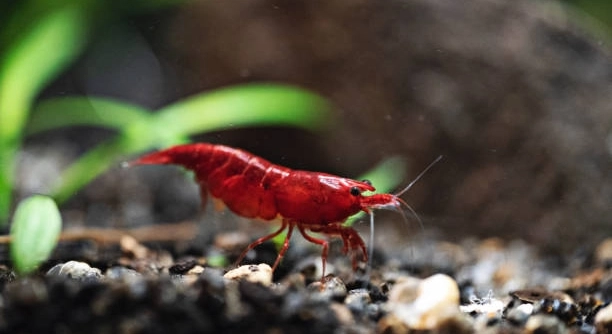
Shrimp are fascinating creatures that show subtle signs when they feel secure in their environment. Observing their behavior can reveal how comfortable they are, and understanding these cues helps ensure their well-being and proper care in aquariums.
Shrimp demonstrate safety through behaviors such as exploring their surroundings, feeding actively, displaying vibrant coloration, interacting calmly with tank mates, retreating minimally, maintaining normal swimming patterns, and showing consistent molting cycles. Each behavior indicates reduced stress and a stable habitat.
Recognizing these signs allows shrimp keepers to maintain a healthy and supportive environment, ensuring their shrimp thrive and display natural behaviors confidently.
Exploring Their Environment
Shrimp often show they feel safe by actively exploring their tank. They move slowly and confidently among plants, rocks, and hiding spots, testing each area without signs of stress. Watching them navigate around decorations or substrates can reveal comfort levels. They may pause to inspect surfaces, gently brushing their antennae over objects. This behavior indicates curiosity and security. Shrimp that feel threatened tend to hide or remain in corners, avoiding open spaces. In contrast, those that explore openly demonstrate trust in their surroundings. Tank conditions, such as water quality, temperature, and proper hiding spaces, play a key role in encouraging this behavior. Providing a well-maintained environment allows shrimp to display natural movements without fear. Observing exploration patterns over time helps gauge their well-being. Active shrimp that explore regularly are usually healthy, calm, and comfortable. Consistent care and attention to their habitat support ongoing confidence. Their calm movement across the tank shows a reassuring stability in their environment.
Exploring without hesitation shows that shrimp feel safe and trust their environment, reflecting comfort and low stress levels overall.
Regular observation of exploration can help detect subtle changes in behavior. Any sudden avoidance of certain areas may indicate stress or environmental issues, highlighting the importance of maintaining stable conditions consistently.
Feeding Behavior
Shrimp that feel safe tend to feed openly and without hesitation. They approach food confidently and may even compete gently for resources without signs of panic or aggression.
Active feeding indicates that shrimp perceive their environment as secure. Stress or discomfort often results in decreased appetite or hiding during feeding times. Regularly observing feeding patterns provides insight into their comfort level.
When shrimp eat freely, it shows they trust the tank and its inhabitants. Safe shrimp exhibit methodical movements toward food, using their small claws to pick particles carefully. They remain alert but not tense, pausing only briefly to sense surroundings. Providing high-quality food at consistent times helps reinforce this comfort. Over time, safe shrimp will display predictable feeding behaviors, returning to their favorite spots to forage or nibble. Any sudden refusal to eat or nervous movements may signal water quality issues, illness, or stress from tank mates. By monitoring feeding habits closely, you can ensure shrimp maintain healthy growth and exhibit natural behaviors that reflect a secure environment.
Vibrant Coloration
Shrimp that feel safe often display brighter and more vibrant colors. Their shells become more pronounced, showing healthy pigmentation without dull or faded areas.
Healthy coloration is a clear sign of comfort. Stress, poor water quality, or inadequate diet can cause shrimp to appear pale or translucent. When shrimp feel secure, their exoskeletons show rich reds, blues, and greens depending on the species. Vibrant colors indicate proper nutrition and reduced stress, reflecting a stable habitat. Observing these changes over time helps track their well-being. Maintaining a balanced diet and clean environment supports continued brightness, showing shrimp are thriving confidently in their tank.
Bright coloration also reflects successful molting and overall health. Safe shrimp grow steadily, with shells hardening evenly after each molt. Their vivid appearance signals that they are relaxed and free from constant threats. Tankmates, water quality, and regular feeding all influence this visible sign. By keeping conditions optimal, shrimp maintain their color naturally, giving a visual cue of comfort and security that complements their other behaviors.
Minimal Retreat
Shrimp that feel safe rarely hide for extended periods. They retreat only briefly when startled and quickly return to normal activity.
Frequent hiding is usually a response to stress or poor environmental conditions. Safe shrimp remain visible, moving confidently around the tank. They may use hiding spots temporarily but do not linger, showing they trust their surroundings. Minimal retreat demonstrates low stress and a strong sense of security. Regularly observing how often shrimp hide helps identify changes in comfort or health. Adjustments to tank conditions or social interactions can reduce prolonged hiding, encouraging natural, confident behavior and promoting overall well-being.
Shrimp that limit their retreats explore more, feed consistently, and interact calmly with other inhabitants. These behaviors indicate that the tank provides adequate shelter, stable water parameters, and compatible tankmates. A shrimp’s willingness to spend time in open areas demonstrates trust in its environment, showing reduced anxiety. Monitoring hiding patterns can reveal subtle shifts in tank dynamics or water quality. By addressing these factors promptly, shrimp continue to thrive and maintain healthy routines, displaying minimal retreat as a consistent sign of safety and contentment.
Consistent Swimming Patterns
Shrimp that feel safe swim steadily and confidently. Their movements are smooth, without sudden bursts or erratic changes in direction.
Calm swimming shows that shrimp trust their surroundings. Nervous or stressed shrimp often dart around quickly or hide frequently. Observing steady patterns helps monitor their comfort and overall health.
Calm Interaction with Tank Mates
Shrimp that feel secure interact gently with other inhabitants. They avoid aggressive or defensive behavior and maintain a peaceful presence in the tank.
Regular Molting
Safe shrimp molt regularly and without difficulty. Each molt occurs in a predictable pattern, with shells hardening evenly and showing healthy growth.
How can I tell if my shrimp feel safe in their tank?
Shrimp show safety through consistent behaviors. They explore their environment, feed actively, display vibrant coloration, and swim steadily without sudden movements. They retreat minimally when startled and interact calmly with tank mates. Observing these behaviors over time provides a clear understanding of their comfort level and overall well-being.
Why is feeding behavior a sign of safety?
Shrimp that eat confidently demonstrate trust in their surroundings. A shrimp that feels threatened or stressed may hide or refuse food. Regular, calm feeding indicates they feel secure, water conditions are stable, and tank mates are non-threatening. Active feeding also supports growth and molting, reinforcing their overall health.
What does vibrant coloration indicate in shrimp?
Bright, vivid colors suggest shrimp are healthy and comfortable. Stress, poor diet, or inadequate water quality can dull their appearance. When shrimp feel safe, pigmentation is pronounced, reflecting proper nutrition, successful molting, and low stress levels. Monitoring color changes can help detect early signs of discomfort or environmental issues.
How important is minimal retreat behavior?
Shrimp that hide only briefly when startled show confidence and security. Frequent hiding usually signals stress or suboptimal tank conditions. Observing how often shrimp retreat helps identify potential problems, such as water quality fluctuations, aggressive tank mates, or insufficient hiding spots. Minimal retreat supports natural behaviors and calm activity.
Why is consistent swimming important for shrimp health?
Steady swimming patterns demonstrate that shrimp feel safe and are physically healthy. Erratic or frantic movements often indicate stress, poor water quality, or illness. By tracking their swimming behavior, you can ensure that tank conditions remain stable and supportive, helping shrimp maintain normal routines without fear.
How do shrimp interact with tank mates when they feel secure?
Safe shrimp show calm, non-aggressive interactions with other tank inhabitants. They may share spaces or forage near others without signs of tension. Aggression or constant avoidance can indicate stress, overcrowding, or incompatible species. Proper tank setup and monitoring social dynamics encourage peaceful coexistence.
What is the relationship between molting and safety?
Shrimp that feel secure molt regularly and without complications. Safe shrimp shed their exoskeleton smoothly, and new shells harden properly. Irregular or incomplete molting often points to stress, poor diet, or unstable water conditions. Consistent molting is a reliable indicator of comfort and overall health.
How can I create an environment where shrimp feel safe?
Provide stable water conditions, suitable hiding spots, and a balanced diet. Avoid sudden changes in temperature, lighting, or tank decorations. Choosing compatible tank mates reduces stress and supports natural behaviors. Observing shrimp regularly ensures that any issues are addressed quickly, helping them maintain security.
Can water quality affect shrimp behavior?
Yes, water quality directly impacts shrimp comfort and safety. Poor parameters, such as incorrect pH, high ammonia, or low oxygen, can stress shrimp, leading to hiding, color fading, or erratic swimming. Maintaining clean, balanced water supports feeding, exploration, and social behaviors, keeping shrimp confident and healthy.
What role does diet play in shrimp security?
A consistent, nutritious diet helps shrimp feel safe. Lack of proper nutrition can cause weakness, irregular molting, and stress behaviors. Providing high-quality food encourages active feeding, enhances coloration, and supports growth, all of which are visible signs that shrimp trust their environment and thrive in it.
How can observation help maintain shrimp safety?
Regularly watching shrimp allows early detection of stress, illness, or environmental changes. Noting behaviors like feeding patterns, swimming, retreating, and interactions with tank mates reveals comfort levels. Timely adjustments to tank conditions or care routines ensure shrimp continue to feel safe and display natural behaviors.
Are all shrimp species the same in showing safety behaviors?
While behaviors vary slightly between species, most shrimp show safety through exploration, feeding, steady swimming, vibrant coloration, minimal hiding, calm social interactions, and regular molting. Understanding species-specific needs enhances the accuracy of interpreting these signs. Proper research ensures tailored care and comfort for each type.
What signs indicate shrimp do not feel safe?
Shrimp that hide excessively, refuse food, display dull coloration, or swim erratically are often stressed. Aggression or avoidance with tank mates, delayed molting, or lethargy also signals discomfort. Identifying these behaviors promptly allows for corrective action, such as improving water quality, adjusting tankmates, or providing more hiding places.
How often should I monitor shrimp behaviors?
Daily observation is ideal for tracking comfort and safety. Short, consistent checks reveal subtle changes before they become significant problems. Keeping notes on feeding, swimming, molting, and interactions ensures shrimp remain in a stable and secure environment. Regular monitoring supports long-term health and well-being.
Can environmental changes suddenly stress shrimp?
Yes, sudden shifts in temperature, lighting, water chemistry, or tank layout can stress shrimp. Even minor changes may cause hiding, color loss, or erratic movements. Gradual adjustments and careful observation minimize stress, helping shrimp feel safe and maintain natural, confident behaviors in their habitat.
How does tankmate selection influence shrimp security?
Choosing compatible tankmates reduces stress and promotes calm interactions. Aggressive or overly active species may cause shrimp to hide or swim frantically. Observing behavior when new animals are introduced ensures shrimp remain comfortable. Proper selection helps maintain peaceful coexistence and consistent natural behaviors.
Why is understanding shrimp behavior important for care?
Recognizing signs of safety and stress allows for proactive care. Observing feeding, swimming, coloration, hiding, interactions, and molting guides adjustments to tank conditions, diet, and social dynamics. Understanding behavior ensures shrimp thrive, remain healthy, and display natural patterns that reflect a secure, supportive environment.
How long does it take for shrimp to feel safe in a new tank?
Shrimp may take several days to weeks to acclimate. Patience and stable conditions are essential. Minimizing disturbances, providing hiding spots, and maintaining consistent feeding schedules help shrimp adjust and exhibit confident, natural behaviors, showing they feel secure in their new surroundings.
What are the long-term benefits of shrimp feeling safe?
Shrimp that feel secure grow steadily, molt successfully, maintain vibrant coloration, and interact peacefully. They feed reliably, explore confidently, and exhibit normal swimming patterns. A safe environment reduces disease risk, supports longevity, and allows shrimp to display natural behaviors, making care more predictable and rewarding.
Shrimp are small but fascinating creatures, and observing their behaviors can reveal a lot about their comfort and safety. When shrimp feel secure, they display a range of subtle signs that indicate reduced stress and contentment. These include exploring their environment confidently, feeding without hesitation, showing vibrant coloration, swimming steadily, interacting calmly with tank mates, and molting regularly. Each of these behaviors is a reflection of their well-being and the stability of their environment. Paying attention to these cues helps ensure that shrimp are living in conditions that support their health and natural instincts. Understanding these signals allows keepers to make adjustments to tank conditions, feeding routines, and social dynamics when necessary, maintaining an environment where shrimp can thrive consistently.
Providing a stable environment is essential for shrimp safety. Proper water quality, a balanced diet, adequate hiding spaces, and compatible tank mates all contribute to their sense of security. Sudden changes in temperature, lighting, or water chemistry can quickly stress shrimp, leading to behaviors such as hiding, erratic swimming, or refusal to feed. Observing shrimp daily and noting small changes in their activity, coloration, or interactions helps detect potential issues before they become serious problems. Regular monitoring ensures that conditions remain optimal, supporting their overall health. Consistency in care and environment encourages shrimp to behave naturally and confidently, showing clear signs that they feel safe and are thriving in their habitat.
Ultimately, understanding shrimp behavior requires patience and attention to detail. Recognizing signs of comfort and stress not only helps maintain a healthy aquarium but also allows shrimp to exhibit their full range of natural behaviors. Safe shrimp grow steadily, molt successfully, maintain vibrant coloration, and interact peacefully with others. When these behaviors are observed regularly, it is a clear indicator that the tank environment is appropriate and that the shrimp feel secure. Maintaining this environment benefits their long-term health, reduces stress-related issues, and ensures that they continue to display natural, confident behaviors. By focusing on their needs and responding to their behaviors thoughtfully, shrimp keepers can create a stable, supportive habitat where these small creatures flourish over time.

Hello,
If you enjoy the content that we create, please consider saying a "Thank You!" by leaving a tip.
Every little bit helps us continue crafting quality advice that supports the health, happiness, and well-being of pets around the world, for pets of all shapes, sizes, and species.
We really appreciate the kindness and support that you show us!