
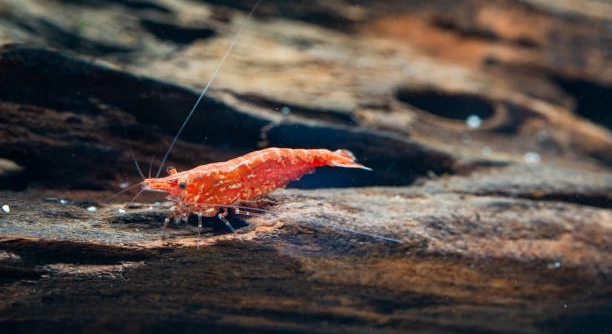
Cherry shrimp are small, delicate creatures that often display sudden stillness in their tanks. Observing this behavior can be surprising for shrimp keepers. Their tiny movements and vibrant colors make these moments particularly noticeable and concerning.
Cherry shrimp freeze in place primarily due to stress or sudden changes in their environment. Factors such as abrupt temperature shifts, water quality fluctuations, or the presence of predators trigger this natural survival response. This reaction helps them assess potential threats.
Understanding why this behavior occurs can improve tank management and shrimp health. Proper care ensures they remain active, healthy, and comfortable in their environment.
Common Causes of Cherry Shrimp Freezing
Cherry shrimp often freeze in place due to environmental changes or stressors. Sudden temperature shifts, poor water quality, or strong currents can cause them to stop moving. Even minor fluctuations in pH or ammonia levels make shrimp feel unsafe, prompting this defensive pause. Observing a tank, I noticed that when new decorations or plants were added, some shrimp would remain perfectly still for several minutes. This behavior is their way of assessing the surroundings before resuming normal activity. Overcrowding in the tank can also trigger freezing, as shrimp compete for space and hiding spots. Additionally, abrupt lighting changes, such as turning on a bright light in a dark tank, may startle them. Handling the tank or tapping the glass can have similar effects. Recognizing these causes allows for proactive care. Adjusting the environment gradually and monitoring water parameters helps shrimp feel secure, reducing the frequency of sudden freezing episodes.
Small adjustments in tank maintenance can make a big difference. Gradual changes help shrimp feel safe and reduce stress-related freezing behavior.
Preventing freezing requires consistent water conditions and gentle handling. Regular water testing, slow acclimation to temperature changes, and careful placement of decorations minimize stress. By creating a stable environment, shrimp are more likely to stay active and explore. Observing their behavior daily allows early detection of issues. Feeding schedules also play a role; consistent, appropriate feeding keeps shrimp healthy and reduces stress. Even minor improvements, like adding hiding spots or adjusting lighting gradually, can encourage movement. Overcrowding should be avoided to ensure each shrimp has enough space. Proper filtration and circulation help maintain clean water without strong currents. By addressing these factors, shrimp are less prone to sudden freezing, promoting a calmer, more predictable tank environment. Overall, careful attention and consistent care support their health, allowing you to enjoy watching their natural behaviors with confidence.
Stress and Predators
Cherry shrimp often freeze when they sense danger or nearby predators. Movement pauses allow them to avoid detection.
Stress can come from tankmates, shadows, or vibrations near the aquarium. Shrimp instinctively respond to perceived threats by freezing, reducing the chance of being noticed. Even harmless fish can trigger this reaction if they swim too close or chase the shrimp. Observing these behaviors over time helps identify specific stressors in your tank. Sometimes, frequent freezing is linked to repeated disturbances, like cleaning the tank too quickly or tapping the glass. Shrimp also rely on hiding spots to feel safe. Providing plants, rocks, or other covers allows them to retreat when threatened. Over time, creating a secure environment reduces these stress responses. When predators are present, either permanent or temporary, monitoring interactions is key. Understanding how shrimp perceive threats helps manage their behavior, ensuring they remain active and healthy. Consistent observation and adjustments allow you to minimize stress-related freezing while maintaining a balanced ecosystem for all tank inhabitants.
Water Quality Issues
Poor water quality directly affects cherry shrimp behavior. High ammonia, nitrite, or nitrate levels can make shrimp freeze. Even small imbalances in pH or hardness stress them, prompting sudden stillness as a defensive response.
Testing water regularly is essential. I remember noticing a few shrimp freezing frequently, and a quick water check revealed slightly elevated nitrates. Adjusting the water with partial changes and monitoring levels helped them regain normal activity. Chlorine or other chemicals from tap water also affect shrimp, so using treated or aged water is important. Keeping the tank clean and maintaining proper filtration ensures a stable environment. These steps reduce stress and minimize freezing incidents.
Temperature fluctuations also contribute to freezing. Cherry shrimp are sensitive to sudden changes in heat or cold. Using a reliable heater or keeping the tank away from direct sunlight helps maintain a consistent temperature. Avoid placing the tank near vents or windows where drafts can cause spikes. Over time, small variations add up, causing repeated freezing. Observing behavior alongside water parameters allows for early intervention. Providing a steady, comfortable environment ensures shrimp feel safe and active, reducing the frequency of frozen moments and promoting overall health.
Nutrition and Feeding
Improper feeding can stress cherry shrimp and trigger freezing. Overfeeding leads to poor water quality, while underfeeding causes weakness. Both scenarios can cause sudden stillness.
Balanced feeding keeps shrimp active and healthy. I noticed my shrimp freezing less after switching to a small, consistent portion of high-quality food. Varied diets with algae wafers, blanched vegetables, and occasional protein sources maintain energy levels. Avoid leaving uneaten food, as it decomposes and affects water quality, which in turn stresses shrimp. Feeding smaller amounts multiple times a day is often better than a single large portion. Consistency is key.
Feeding also interacts with their natural behavior. Shrimp pause to assess their surroundings before approaching food, which can look like freezing. Providing safe, accessible feeding areas encourages normal activity and reduces stress-induced stillness. Maintaining a predictable feeding schedule helps shrimp anticipate meals, keeping them engaged and moving regularly. Observing their reactions to food allows for adjustments in diet and portion size. By managing both nutrition and tank conditions, freezing episodes linked to feeding are minimized, supporting healthier, more active shrimp overall.
Lighting and Tank Environment
Sudden changes in lighting can cause cherry shrimp to freeze. Bright lights or rapid shifts startle them, prompting a pause in movement. Consistent, gentle lighting helps maintain their natural rhythm and reduces stress responses in the tank.
Shadows or vibrations near the tank also contribute to freezing. Shrimp are sensitive to external disturbances, so placing the tank in a quiet area minimizes sudden stillness. Gradual adjustments to lighting or tank rearrangements allow shrimp to adapt without panic. Over time, these small environmental controls support calmer, more active behavior, making the tank feel safer for them.
Molting and Growth
Molting is a vulnerable time for cherry shrimp. Shrimp often freeze before and after shedding their exoskeleton to protect themselves from potential threats. During this period, they remain still to conserve energy and avoid injury. Proper water quality and nutrition are critical for safe molting.
Observation and Behavior
Careful observation helps identify patterns in freezing behavior. Noting when and where shrimp freeze allows for adjustments in care and environment to reduce stress.
FAQ
Why do cherry shrimp suddenly freeze in place?
Cherry shrimp freeze primarily as a response to stress or environmental changes. Sudden temperature shifts, poor water quality, or nearby movements can trigger this behavior. I noticed that even small disturbances, like tapping the glass or rearranging tank decorations, caused them to pause and stay completely still. Freezing is a natural defense mechanism, allowing shrimp to assess potential threats without drawing attention. By maintaining consistent water conditions and minimizing sudden changes, this behavior can be reduced, keeping shrimp active and comfortable.
Is freezing harmful to cherry shrimp?
Freezing itself is not harmful if it is temporary. It is a natural survival response, but prolonged or frequent freezing may indicate underlying issues, such as water quality problems, stress from tankmates, or improper nutrition. I once had a few shrimp freeze for extended periods due to slightly high nitrates, which resolved after a partial water change. Monitoring water parameters, providing hiding spots, and maintaining a calm tank environment help ensure freezing remains a safe, occasional behavior rather than a sign of ongoing stress.
How long can cherry shrimp stay frozen?
Cherry shrimp typically freeze for a few seconds to several minutes. The duration depends on the level of perceived threat or environmental stress. I’ve seen shrimp remain completely still for up to ten minutes when new tank decorations were added. They resume normal activity once they feel secure. Frequent, prolonged freezing can indicate chronic stress, which requires attention to water quality, feeding, and tank setup. Observing their behavior closely helps identify patterns and take corrective actions to maintain shrimp health.
Can tankmates cause cherry shrimp to freeze?
Yes, tankmates often influence shrimp behavior. Aggressive or curious fish may cause shrimp to pause and remain motionless. Even non-aggressive fish can startle them if they swim too close or chase them. In my experience, adding shy shrimp with fast-moving tankmates resulted in increased freezing episodes. Providing plenty of hiding spots, such as plants and rocks, allows shrimp to retreat when stressed. Choosing peaceful tankmates and monitoring interactions reduces stress and freezing behavior, helping shrimp feel secure in their environment.
Does water temperature affect freezing?
Absolutely. Cherry shrimp are sensitive to temperature fluctuations. Rapid drops or rises in water temperature can cause them to freeze as a survival response. I once moved a tank near a window on a cold day, and the shrimp froze for several minutes. Maintaining a stable temperature using a reliable heater or keeping the tank away from drafts prevents sudden freezing episodes. Consistent temperature, combined with careful acclimation when making changes, ensures shrimp remain active and healthy.
How does feeding impact freezing behavior?
Improper feeding can contribute to freezing. Overfeeding can foul water, creating stress, while underfeeding weakens shrimp, making them more prone to freezing. I noticed my shrimp froze less after establishing a consistent feeding schedule with small portions of high-quality food. Balanced nutrition, proper portioning, and removing uneaten food improve their overall activity and reduce stress-related freezing.
Can lighting changes trigger freezing?
Yes, sudden or bright lighting changes can startle cherry shrimp. Rapid shifts from dark to light cause them to pause to assess safety. Gradual adjustments to lighting, such as slowly increasing intensity or using dimmers, help shrimp adapt. I observed that installing floating plants to diffuse light reduced freezing events. Consistent lighting schedules also support their natural behavior and minimize stress-induced pauses.
What should I do if my shrimp freeze often?
Frequent freezing signals that the tank environment needs attention. Check water parameters, temperature, and tankmate interactions first. I found that adding more hiding spots and adjusting feeding schedules improved activity. Regular observation helps identify stress triggers. Ensuring stable water conditions, providing a safe environment, and avoiding sudden disturbances are key steps to reduce repeated freezing episodes.
Does molting cause freezing?
Yes, molting is a vulnerable time. Shrimp freeze before and after shedding their exoskeleton to protect themselves. During this period, they remain still to conserve energy and avoid injury. Providing proper nutrition, clean water, and a safe environment ensures successful molting without extended stress.
Can vibrations or noise make shrimp freeze?
Cherry shrimp are sensitive to external vibrations or loud noises. Placing the tank in a high-traffic area or near appliances can trigger sudden freezing. I moved my tank to a quieter spot, and the shrimp resumed normal activity more quickly. Reducing external disturbances helps maintain a calmer, more active tank environment.
Is freezing more common in certain shrimp ages?
Juvenile and newly molted shrimp are more likely to freeze due to vulnerability. Younger shrimp are more cautious and respond quickly to potential threats. Adults also freeze, but they often do so for shorter periods. Observing shrimp at different life stages helps understand normal versus stress-related freezing behavior.
Can water flow cause freezing?
Strong currents can make shrimp feel unsafe, causing them to freeze or cling to surfaces. I noticed shrimp remained still near the filter outflow until the current decreased. Adjusting flow rates or adding plants to diffuse water movement provides calmer areas, reducing freezing behavior.
Do shrimp freeze at night?
Cherry shrimp may pause during low light conditions, but freezing at night is generally shorter and less frequent. They tend to be less active while resting. Ensuring a consistent day-night light cycle helps regulate activity patterns and reduces unnecessary stress.
How can I encourage shrimp to move more?
Stable water conditions, proper nutrition, gentle lighting, and safe hiding spots all promote activity. I found that gradually introducing decorations and keeping consistent routines encouraged my shrimp to explore instead of freezing. Avoiding sudden changes and monitoring behavior daily supports their natural movement and well-being.
This FAQ covers the main reasons cherry shrimp freeze and practical ways to address it, ensuring a healthier, calmer tank environment.
Final Thoughts
Cherry shrimp freezing in place is a natural behavior that can be influenced by many factors. Stress, environmental changes, and perceived threats all trigger this pause. Observing shrimp in your tank, I often notice that even minor disturbances, such as rearranging decorations or sudden light shifts, can make them stop moving for a few moments. While this behavior is not immediately harmful, it does indicate that the shrimp are responding to their surroundings. Understanding the reasons behind freezing helps manage the tank environment more effectively, allowing shrimp to feel secure and maintain regular activity. Paying attention to water quality, temperature, feeding, and tankmates provides a more stable and comfortable habitat. Small adjustments, like creating hiding spots and reducing sudden changes, can make a noticeable difference in shrimp behavior.
Maintaining clean and balanced water is one of the most important aspects of preventing excessive freezing. Ammonia, nitrite, and nitrate levels need to remain low to avoid stressing shrimp. I found that consistent partial water changes and monitoring pH levels helped my shrimp move more freely and reduce their freezing behavior. Temperature consistency is equally important, as sudden fluctuations make shrimp feel unsafe. Using a reliable heater, keeping the tank away from drafts or direct sunlight, and monitoring water flow are practical ways to maintain stability. Feeding also plays a key role in shrimp health. Providing a balanced diet in small, regular portions prevents overfeeding and water contamination, which can both contribute to freezing. Observing shrimp during feeding times allows you to see how they react to food and their surroundings, helping identify potential issues before they become serious.
Behavioral factors, like molting and interactions with tankmates, also influence freezing. Molting is a vulnerable period, and shrimp naturally remain still to protect themselves. Ensuring proper nutrition and safe spaces for hiding makes this process less stressful. Tankmates, even peaceful ones, can sometimes trigger freezing if they swim too close or create vibrations. I noticed my shrimp froze less frequently after adding plants and rocks, giving them areas to retreat when needed. Lighting adjustments should be gradual to avoid startling them, as sudden changes can create stress. Observing and understanding these patterns over time allows for better tank management and healthier shrimp. Overall, consistent care, gentle handling, and attention to environmental stability help cherry shrimp feel safe, remain active, and thrive in their habitat.

Hello,
If you enjoy the content that we create, please consider saying a "Thank You!" by leaving a tip.
Every little bit helps us continue crafting quality advice that supports the health, happiness, and well-being of pets around the world, for pets of all shapes, sizes, and species.
We really appreciate the kindness and support that you show us!