
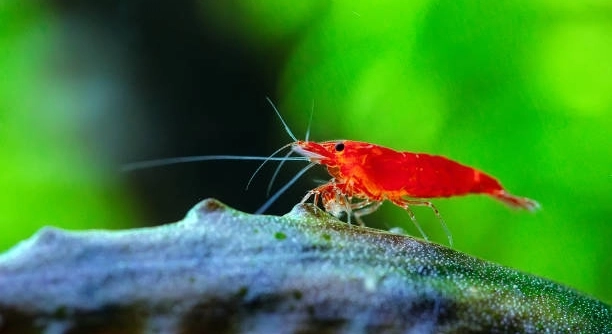
Cherry shrimp are small, active creatures that add vibrant color to aquariums. Their movements are often lively, and they explore plants, hiding spots, and decorations. Understanding how they navigate their space helps ensure a healthy and safe environment.
Cherry shrimp do not get lost in large tanks in the conventional sense. They rely on instinct, landmarks, and territorial familiarity to move confidently. While they may hide or wander, their navigation abilities allow them to locate food, mates, and shelter effectively.
Observing their behavior and tank layout can provide insights into their well-being and movement patterns. Proper care supports their natural instincts and keeps them thriving.
How Cherry Shrimp Navigate Their Tank
Cherry shrimp use their instincts and environmental cues to move confidently through their tank. They explore plants, decorations, and substrate while keeping track of hiding spots and feeding areas. Even in large tanks, their small size and natural curiosity allow them to find shelter and avoid predators. Observing them, I noticed they often follow the same paths, circling favorite areas repeatedly. They are sensitive to water currents, temperature, and light, which also guide their movements. Providing plenty of plants, rocks, and moss creates familiar landmarks, reducing stress and encouraging exploration. While they may seem to disappear temporarily, they rarely stray far from their usual zones. Feeding at consistent times helps them learn where food appears, reinforcing their sense of place. Over time, their memory of the layout improves, allowing them to adapt quickly to minor changes in the tank. This instinctive navigation keeps them safe and active.
Their natural instincts prevent disorientation even in larger spaces, giving them confidence to explore and hide effectively.
Observing my shrimp, I realized how important tank structure is. Adding hiding spots like moss caves or leafy plants gives them landmarks to navigate. Open swimming areas help exercise and reduce stress, while shaded corners provide security. Changing decorations slowly ensures they don’t become confused or anxious. Water parameters like temperature, pH, and flow must remain stable for comfort. By combining structure with stability, the shrimp feel secure and continue natural behaviors, including feeding, hiding, and exploring. Over time, they establish familiar routes, often returning to favorite plants or substrate spots. Even with new additions, they gradually adjust while relying on their learned paths. Their small size and keen instincts make them adept at moving through complex tanks. Large tanks may increase exploration, but the shrimp’s natural memory and reliance on familiar cues ensure they rarely get truly lost, maintaining health and reducing stress in their environment.
Signs That Cherry Shrimp Are Comfortable
Comfortable shrimp display active swimming, regular feeding, and frequent use of hiding spots.
Stress signs include hiding excessively, erratic swimming, or refusal to eat. By observing behavior closely, it is possible to adjust tank conditions, rearrange decorations, or improve water quality. Shrimp often indicate discomfort through subtle changes, which, when addressed, restore normal activity.
Regular observation allows me to notice patterns and ensure their environment meets their needs. Shrimp will explore open areas when confident but retreat if they feel threatened. Plants, rocks, and moss not only provide landmarks but also reduce stress by offering shelter. Consistent feeding schedules create familiarity, while gentle water movement encourages movement without overwhelming them. Even subtle changes in lighting or decorations can impact behavior, so I introduce adjustments gradually. Over time, a well-structured tank helps shrimp feel secure, making them more active and engaged. Watching them adapt reinforces how responsive they are to care, emphasizing the importance of creating a balanced, stable environment. Proper structure, water parameters, and thoughtful placement of hiding spots support natural behaviors, ensuring they remain healthy, confident, and comfortable in tanks of any size.
Ideal Tank Setup for Cherry Shrimp
Cherry shrimp thrive in tanks with plenty of plants, rocks, and hiding spots. Open swimming areas should be balanced with shaded zones. Stable water conditions and gentle filtration are essential. Decorations should provide familiar landmarks without overcrowding, supporting both exploration and security.
Adding moss, caves, and plants helps shrimp establish routes and preferred zones. Substrate choice matters, as fine gravel or sand allows natural foraging. Driftwood or stones create vertical space and cover. Light should be moderate to encourage plant growth without stressing shrimp. Temperature and pH must remain consistent, as sudden changes can disrupt activity and feeding patterns. Feeding in the same areas and at consistent times further reinforces their navigation and comfort. Over time, these elements reduce stress, allowing shrimp to move confidently and exhibit natural behaviors throughout the tank.
A tank layout that considers both open areas and secure hiding spots makes shrimp feel safe. Even in large tanks, structured placement of plants and decorations guides their movement and prevents disorientation.
Feeding and Daily Care
Feed shrimp small portions multiple times a day to avoid leftovers and water quality issues. Observation helps identify preferred foods and timing.
I found that feeding algae wafers, blanched vegetables, and occasional protein treats keeps shrimp active and healthy. Removing uneaten food quickly prevents water pollution, which can stress shrimp. Daily checks of water parameters, such as ammonia, nitrite, and nitrate levels, are important. Adjusting filter flow or adding gentle currents ensures proper oxygenation without disturbing shrimp. Cleaning substrate and decorations periodically keeps the environment stable. Watching how shrimp respond during feeding shows which areas they use most and how comfortable they feel. Regular attention to tank conditions helps shrimp thrive.
Maintaining clean water, balanced feeding, and stable conditions supports shrimp well-being. Over time, they adapt to daily routines and navigate efficiently, even in large tanks, without getting lost or stressed.
Common Mistakes in Large Tanks
Overcrowding plants or decorations can confuse shrimp and limit swimming space. Sudden changes in water parameters often cause stress.
Feeding too much at once leads to leftover food, affecting water quality. Inconsistent lighting or temperature fluctuations may also disturb their routines and movement patterns.
Monitoring Shrimp Behavior
Watching shrimp daily helps identify stress, illness, or unusual behavior. Active shrimp that explore and feed regularly are generally healthy.
Shrimp may hide when molting or feeling threatened. Tracking these patterns allows adjustments in tank layout, water conditions, or feeding schedules to maintain comfort and reduce stress.
Tank Maintenance Tips
Regular water changes, gentle substrate cleaning, and filter checks ensure a healthy environment. Consistency is key for shrimp stability and activity.
FAQ
Can cherry shrimp really get lost in a large tank?
Cherry shrimp rely on instinct and landmarks to navigate. Even in a spacious tank, they rarely become disoriented. Plants, rocks, and decorations create familiar zones that guide their movements. While they may temporarily disappear in hiding spots, their natural memory and territorial behavior ensure they find food, mates, and shelter reliably.
How can I make a large tank easier for shrimp to navigate?
Providing a mix of open swimming areas and dense plant zones helps. Moss, caves, and rocks act as reference points, while consistent feeding locations reinforce their sense of place. Gradually rearranging decorations prevents stress and allows shrimp to adjust without confusion.
Do shrimp prefer certain areas of the tank?
Yes, they often establish favorite spots near food sources, plants, or shaded hiding areas. These zones give them a sense of security. Observing daily patterns helps identify these preferences and allows adjustments to maintain comfort.
How often should I feed cherry shrimp in a large tank?
Small, frequent feedings are ideal. This prevents leftover food from polluting water and keeps shrimp active. Feeding at consistent times creates predictable routines, allowing shrimp to locate food efficiently without wandering excessively or feeling stressed.
Will tank size affect their social behavior?
Tank size influences movement but not social interaction directly. Shrimp are naturally social and establish territories. Large tanks may encourage more exploration, but as long as food and shelter are sufficient, social behaviors like grazing and interacting with other shrimp remain stable.
What signs indicate shrimp are stressed or uncomfortable?
Stress can show as excessive hiding, erratic swimming, or refusal to eat. Molting problems or lethargy are also common indicators. Regular observation, stable water parameters, and proper tank layout help prevent stress. Adjustments to environment or care routines can restore normal activity.
How important is water quality in a large tank?
Water quality is crucial regardless of tank size. Ammonia, nitrite, nitrate, and pH levels must remain stable. Large tanks may buffer minor changes, but consistent monitoring and regular maintenance are essential for shrimp health and navigation confidence.
Can shrimp find food on their own in a big tank?
Yes, instinct and memory guide them to feeding areas. Predictable feeding routines reinforce this ability. Shrimp explore actively but rarely fail to locate food when their environment is structured and water conditions are stable.
Is it necessary to rearrange decorations in large tanks?
Rearrangement can be beneficial if done gradually. Sudden changes may confuse shrimp. Introducing new hiding spots or adjusting plants slowly allows them to adapt while maintaining their sense of location.
Do cherry shrimp require companions in a large tank?
While they are social creatures, they do not rely on companions to navigate. Groups encourage natural behaviors like grazing and interaction, but individuals can still thrive independently if the environment is well-structured.
How do I know if my shrimp are comfortable exploring a new tank?
Active swimming, grazing, and use of hiding spots indicate comfort. Shyness or prolonged hiding suggests stress or unfamiliarity. Observing behavior over several days helps gauge adaptation and informs any adjustments to layout or care.
Are large tanks harder to maintain for shrimp?
Maintenance can be easier due to more stable water parameters, but monitoring remains necessary. Cleaning substrate, checking filters, and observing shrimp behavior regularly ensures the environment stays suitable. Proper structure and gradual changes prevent stress, even in larger spaces.
Can shrimp lose their sense of direction during molting?
Molting is a vulnerable period. Shrimp may hide more but do not typically lose their sense of direction. Providing secure hiding spots and minimal disturbance during this time supports safe molting and recovery.
Does lighting affect how well shrimp navigate?
Yes, moderate lighting encourages normal behavior. Too bright or inconsistent lighting may stress shrimp and alter movement patterns. Plants and shaded areas help balance light, giving them comfortable routes and reference points.
What is the best way to introduce shrimp to a large tank?
Acclimate slowly to match water parameters. Start with a few individuals to observe adaptation. Ensure plenty of plants and hiding spots, maintain stable feeding, and monitor behavior to support confident navigation.
Can shrimp remember landmarks over time?
Yes, they develop familiarity with plants, rocks, and feeding zones. This memory allows them to navigate confidently, even in larger tanks, reducing stress and supporting natural behaviors like exploration, grazing, and hiding.
How does tank flow impact shrimp movement?
Gentle currents help oxygenate water and encourage natural swimming. Strong currents can stress shrimp and limit exploration. Adjust filter flow to balance movement and comfort, particularly in open areas of a large tank.
Are there foods that encourage shrimp to explore more?
Yes, small, scattered portions of algae wafers or blanched vegetables stimulate foraging. Varied textures and occasional protein treats promote natural behavior while keeping them active throughout the tank.
Do cherry shrimp interact with other species in a large tank?
They can coexist with non-aggressive species but may hide around larger or more active fish. Providing sufficient plants and shelters ensures shrimp feel secure while interacting safely.
How do I know if my tank layout is effective?
Shrimp consistently use hiding spots, return to feeding areas, and move confidently. Observing these patterns over time shows if landmarks, open areas, and shelters support their instincts and reduce stress in a large tank.
Final Thoughts
Cherry shrimp are small but remarkably adaptable creatures. Even in large tanks, they rely on instinct, landmarks, and familiar routes to move confidently. Their natural memory allows them to locate food, hiding spots, and mates without becoming disoriented. Providing a balanced environment with open swimming areas, plants, rocks, and moss ensures that shrimp feel secure while exploring. Proper tank structure helps them navigate efficiently, and their natural curiosity encourages activity. Observing shrimp behavior regularly offers insight into their well-being, showing when adjustments may be needed to maintain a comfortable environment.
Water quality plays a key role in shrimp comfort and activity. Stable temperature, pH, and other parameters help them feel secure and reduce stress. Sudden changes can affect their movement patterns, causing hiding or erratic swimming. Regular maintenance, including water changes, substrate cleaning, and filter checks, is essential, even in large tanks. Feeding routines should be consistent, offering small portions that are easy to find without leaving excess food. This reinforces familiar locations and helps shrimp establish predictable routes within the tank. Over time, these routines support healthy behavior, ensuring that shrimp continue to explore and interact naturally without confusion or discomfort.
Creating a supportive environment is the best way to ensure that cherry shrimp thrive in any tank size. Adequate hiding spots, consistent feeding, gentle water flow, and structured layout allow them to navigate safely. Shrimp may hide temporarily during molting or when feeling threatened, but these periods are normal and part of their natural behavior. Observing how they move and interact with their environment provides useful feedback for adjustments. By combining stable water conditions, thoughtful tank design, and regular observation, shrimp remain healthy, active, and confident in large tanks. Their ability to adapt and navigate demonstrates that, with proper care, cherry shrimp rarely get lost and can live comfortably in spacious, well-maintained aquariums.

Hello,
If you enjoy the content that we create, please consider saying a "Thank You!" by leaving a tip.
Every little bit helps us continue crafting quality advice that supports the health, happiness, and well-being of pets around the world, for pets of all shapes, sizes, and species.
We really appreciate the kindness and support that you show us!