
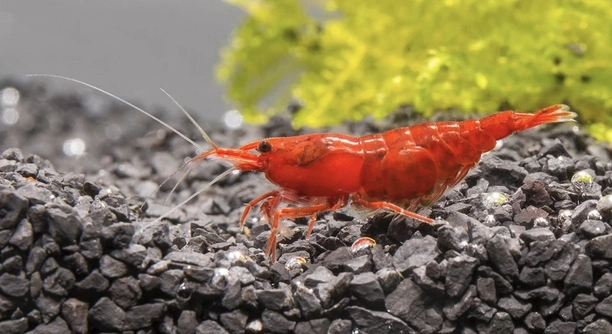
Are your cherry shrimp wandering around their tank in ways that seem new or unexpected, making you wonder if they are exploring their surroundings instead of hiding away from view in their usual quiet spots.
Cherry shrimp often display active movement, climbing behavior, and open foraging when they are exploring rather than hiding. These patterns indicate comfort, curiosity, and environmental engagement, distinguishing exploration from stress related hiding and offering clear signs of healthy behavioral expression.
These small behaviors reveal a lively nature that reflects stability and confidence, encouraging a deeper understanding of their everyday movements.
Signs of Natural Exploration
Cherry shrimp often show their confidence through steady roaming, gentle climbing, and calm grazing, and these actions reveal far more than simple movement. When they glide along plants or sift through substrate, they express curiosity and comfort in their surroundings. I like how these tiny shifts in behavior help clarify what they need, especially when their tank feels stable and peaceful. You may notice them tracing familiar routes or slowly expanding into new areas, which often signals they feel safe enough to interact with their space. Soft swaying antennae and relaxed posture also reflect their comfort. These simple details offer valuable insight into their daily patterns, especially when trying to understand whether they are exploring or responding to something unsettling. Paying attention to these behaviors helps you maintain a tank environment that encourages healthy activity and steady confidence.
Cherry shrimp that move freely in the open often show interest rather than fear, making it easier to distinguish exploration from avoidance.
Watching these small patterns unfold helps you understand their comfort level, especially when observing subtle changes that reveal their growing confidence.
Differences Between Exploring and Hiding
Exploring shrimp maintain smooth, purposeful movement, while hiding shrimp stay tucked away or still. Recognizing these patterns helps you support their comfort.
When cherry shrimp explore, they tend to display a consistent rhythm in their activity, moving with ease across different parts of the tank. They often graze calmly, climb without hesitation, and interact with plants or decorations in a steady, relaxed manner. Their colors may appear brighter, and their antennae remain active as they sense their surroundings. In contrast, shrimp that are hiding usually limit themselves to shaded corners, dense foliage, or tight spaces, showing minimal movement. They may remain still for long periods, often blending into their environment to feel secure. Observing how they shift between these behaviors gives you a clearer understanding of their needs. By identifying these differences, you can adjust tank conditions to reduce stress and encourage natural activity.
Identifying Confidence in Movement
Cherry shrimp that feel secure move with steady patterns across plants and substrate, showing interest in their surroundings. These gentle actions reveal they are comfortable enough to explore rather than hide, making their behavior easier to understand.
Cherry shrimp display confidence through smooth motion and calm foraging, often traveling across open areas without hesitation. Their antennae sweep lightly as they sense their environment, and their posture stays relaxed. When they roam freely, they often revisit spots that interest them, showing a clear comfort with their territory. This kind of movement helps you recognize when they feel stable and supported by their environment.
You may notice that confident shrimp rarely dart away or freeze for long. Instead, they shift from one activity to another at their own pace. They explore corners, climb onto decorations, and graze leisurely. These patterns reveal that they are not reacting to stress, but simply enjoying their space.
Understanding Subtle Behavioral Shifts
Cherry shrimp show small changes in movement when adjusting to new conditions, and these shifts help you understand how comfortable they feel within their tank.
Soft swaying of antennae, slower pacing, or brief pauses can indicate they are assessing something new without feeling threatened. These actions are common when they encounter fresh decor, slight changes in lighting, or new hiding spots. When they remain in the open while testing these changes, it suggests they feel safe. Observing these adjustments allows you to respond gently to their needs, keeping their environment predictable and calm. This simple awareness strengthens how you care for them and supports steady, healthy behavior.
Reading Their Interaction With the Environment
Cherry shrimp often explore by grazing across surfaces with relaxed movements, showing comfort within their space. These small motions reveal curiosity rather than stress, helping you understand how they respond to the tank setup.
Their steady climbing and gentle pacing around plants or decorations show they feel safe enough to move openly. These actions give you a clear sense of their comfort level.
Recognizing When Activity Reflects Curiosity
When cherry shrimp investigate new areas, they usually approach slowly, using their antennae to sense their surroundings. Their movement stays calm, and they rarely retreat unless startled. This behavior suggests they are examining something new, not avoiding danger. Watching these patterns helps you adjust their space without causing unnecessary stress.
Spotting Calm Exploration Patterns
Cherry shrimp that explore calmly shift between grazing, climbing, and wandering without sudden changes in direction. These soft patterns highlight their comfort and make it clear they are not hiding.
FAQ
How can I tell if my cherry shrimp is exploring or hiding?
Exploring cherry shrimp move with purpose, climbing plants, grazing across surfaces, and investigating decorations. Their antennae sweep gently as they sense the environment. Hiding shrimp, by contrast, stay tucked in corners or dense foliage, showing minimal movement. Observing these differences over time helps you understand their comfort levels.
Is it normal for cherry shrimp to stay in one spot for a while?
Yes, brief pauses are normal. Even exploring shrimp stop occasionally to graze, clean themselves, or assess their surroundings. These moments do not always indicate stress. The key is their overall movement pattern: if they resume calm exploration, they are comfortable and confident in their environment.
Why does my shrimp sometimes climb decorations instead of staying on the substrate?
Climbing is a natural behavior linked to curiosity and exploration. Shrimp use elevated surfaces to explore more of their surroundings, check for food, or engage with their environment. Confident shrimp climb without hesitation, whereas stressed or hiding shrimp rarely leave the substrate.
Do cherry shrimp change color when they are exploring?
They often display brighter, more vivid colors when comfortable and exploring. Stress or hiding may cause duller shades. Observing color along with behavior gives a fuller picture of their emotional and physical state, helping you distinguish confident exploration from avoidance.
How does tank setup affect exploration?
Shrimp explore more in well-structured, stable tanks with ample hiding spots, plants, and decorations. A predictable environment encourages natural behavior. Sparse or unstable tanks may make shrimp hesitant, causing them to hide more often. Adjusting decor gradually promotes confidence and consistent activity.
Can other shrimp influence whether one shrimp explores or hides?
Yes, social interactions play a role. Peaceful groups with balanced populations encourage exploration, while overcrowded or aggressive tanks may increase hiding. Observing group behavior helps you understand individual activity and adjust tank conditions to support calm, exploratory movements.
What are common signs my shrimp feels comfortable exploring?
Smooth movement, steady grazing, climbing, and antennae activity indicate comfort. Shrimp that return to familiar spots, investigate new areas, and maintain bright coloration are usually exploring rather than hiding. These subtle cues provide insight into their confidence and well-being.
How long does it take for shrimp to start exploring a new tank?
Adjustment times vary. Many shrimp begin slow exploration within hours, but full confidence can take days to weeks depending on tank conditions, water stability, and the number of hiding spots. Patience and observation ensure their behavior reflects comfort rather than stress.
Should I interfere if my shrimp hides frequently?
Minimal interference is best. Ensure water parameters, decorations, and hiding spots are suitable. Observing without touching lets shrimp decide when and how to explore. Frequent hiding may indicate environmental stress, so adjustments should focus on comfort rather than forcing activity.
Are there any behaviors that can be mistaken for hiding but are actually exploration?
Yes. Slow grazing on surfaces, brief pauses, or hovering in mid-water can appear like hiding but often reflect investigation. Context matters: confident shrimp move smoothly between areas and engage with objects, whereas hiding shrimp remain still and avoid open spaces.
Can feeding influence shrimp exploration?
Yes, shrimp often explore more during feeding, actively searching for food across the tank. This behavior indicates engagement rather than fear. Observing feeding patterns can provide clear evidence of whether shrimp are exploring confidently or retreating due to stress.
How do I encourage more exploration in my cherry shrimp?
Providing stable water parameters, plants, decorations, and gentle lighting encourages exploration. Avoid sudden changes or overcrowding. Gradual additions of hiding spots or climbing structures give shrimp choices, promoting confident, natural behavior without forcing interaction.
Is it necessary to separate shy shrimp from more active ones?
Not usually. Mixing shrimp is generally safe if the tank is balanced and has sufficient space and hiding areas. Shy shrimp may explore at their own pace. Careful observation ensures no individual is stressed or dominated by more active tank mates.
Can temperature changes affect exploration behavior?
Yes, cherry shrimp are sensitive to temperature fluctuations. Stable, optimal temperatures support normal activity and exploration. Rapid or extreme changes may trigger hiding or lethargy, while gradual adjustments allow shrimp to acclimate and maintain confident movement.
Do shrimp explore more during certain times of the day?
Activity can vary with lighting and feeding schedules. Many shrimp are more active during moderate lighting, grazing and climbing. Nighttime or dim conditions may reduce visibility but do not necessarily indicate hiding, as shrimp often continue gentle exploration in shadows.
How important is observing shrimp behavior regularly?
Regular observation helps distinguish between normal exploration and stress-related hiding. Subtle shifts in movement, coloration, and interaction with the environment provide early signs of comfort or issues. Keeping notes can reveal patterns and support long-term health.
What should I do if shrimp stop exploring suddenly?
Check water quality, temperature, and tank stability first. Sudden inactivity often signals stress or illness. Adjust conditions gradually, ensuring hiding spots and food availability. Observation helps determine if changes are temporary or indicate a more serious problem requiring action.
Can adding new shrimp affect existing ones’ exploration?
Introducing new shrimp may temporarily reduce exploration as residents adjust. Gradual introductions with sufficient hiding spots allow all shrimp to regain confidence. Monitoring behavior ensures newcomers do not cause stress that leads to prolonged hiding.
Do shrimp explore differently in planted versus bare tanks?
Planted tanks encourage more natural exploration with climbing, grazing, and hiding options. Bare tanks may limit movement and make shrimp appear less active. Providing structure supports confident behavior and enhances their interaction with the environment.
Is it possible to misinterpret exploring behavior as aggression?
Yes, gentle climbing or nudging during exploration may seem aggressive but is usually part of normal interaction. True aggression involves chasing, pinching, or repeated dominance displays. Observing the context helps differentiate exploration from conflict.
How can I track my shrimp’s exploration patterns over time?
Keep notes or take short videos to monitor movement, grazing, climbing, and interaction with the environment. Recording patterns helps identify changes in behavior, indicating comfort, stress, or environmental influence, and guides adjustments to maintain healthy exploration.
Are there any long-term benefits to encouraging exploration?
Exploration supports physical health, natural behavior, and stress reduction. Shrimp that feel safe to explore are generally more active, display brighter colors, and maintain better overall well-being, reflecting a balanced, engaging tank environment.
Final Thoughts
Cherry shrimp are small but surprisingly expressive creatures. Observing their behavior closely reveals whether they are exploring their environment or retreating to hide. Smooth movement across plants, substrate, and decorations usually indicates curiosity and comfort. Confident shrimp often climb, graze, and interact with their surroundings without sudden pauses or erratic changes in direction. Their antennae move lightly as they sense the tank, signaling engagement rather than fear. Even subtle behaviors, like hovering in mid-water or briefly stopping at a familiar spot, often reflect careful exploration. By noting these patterns, it becomes easier to understand their needs and create an environment that supports natural activity.
Providing a stable, well-structured tank encourages exploration and reduces stress. Hiding spaces, plants, and decorations allow shrimp to feel secure while also offering opportunities to move freely. Gentle lighting and consistent water conditions contribute to a comfortable setting that promotes confident behavior. Over time, shrimp that feel safe will gradually explore more of their tank, moving between grazing, climbing, and investigating new areas. Observing this progression provides valuable insight into their comfort level and overall health. Even small adjustments, like adding a new plant or rearranging decorations, can encourage them to explore without forcing interaction. Regular observation ensures that changes support their well-being and allows you to notice any early signs of stress or discomfort.
Paying attention to cherry shrimp behavior strengthens the connection between caretaker and animal. Recognizing the difference between exploration and hiding helps maintain a healthy, balanced tank environment. Active, curious shrimp demonstrate comfort, confidence, and engagement, which are positive indicators of their overall health. By providing stable conditions, ample hiding spots, and varied surfaces to explore, you create a space that encourages natural behavior and reduces anxiety. Tracking patterns, noting changes, and adjusting the environment when necessary ensures that shrimp remain active and confident. Over time, this awareness fosters a more harmonious tank, where each shrimp can express its natural curiosity and enjoy a safe, stimulating space. Observing these small behaviors provides insight not only into their activity levels but also into their long-term health, helping you maintain a thriving aquarium.

Hello,
If you enjoy the content that we create, please consider saying a "Thank You!" by leaving a tip.
Every little bit helps us continue crafting quality advice that supports the health, happiness, and well-being of pets around the world, for pets of all shapes, sizes, and species.
We really appreciate the kindness and support that you show us!