
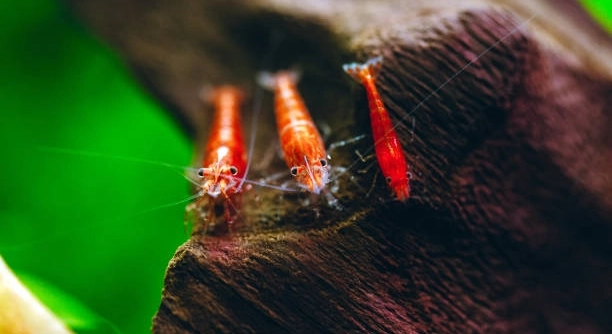
Do you ever find yourself enjoying the quiet beauty of your aquarium while thinking about the safety of your cherry shrimp during unexpected events? Power outages can strike suddenly, leaving many aquarium owners concerned about their delicate pets.
Cherry shrimp can survive short-term power outages if the water temperature remains stable and oxygen levels are sufficient. Providing temporary aeration, minimizing feeding, and avoiding stress can increase their chances of enduring a brief electrical interruption.
Understanding the effects of a power outage on your shrimp helps you act quickly. Simple preparations can protect their health and ensure the aquarium remains a safe environment.
How Power Outages Affect Cherry Shrimp
A sudden power outage can impact your cherry shrimp in several ways. The most immediate concern is oxygen levels. Without a running filter or air pump, oxygen in the water can drop quickly. This can stress your shrimp, making them less active and more vulnerable to disease. Temperature is another factor to consider. Shrimp are sensitive to changes, and a sudden drop or rise in water temperature can affect their metabolism and overall health. Water quality can also decline during an outage. Ammonia and nitrite levels may build up faster without filtration, which could harm your shrimp if the power is out for an extended period. Reducing feeding during this time helps prevent unnecessary waste and keeps water conditions more stable. Observing your shrimp closely during and after an outage is important. Minor changes can indicate stress, and timely adjustments can help them recover quickly.
Preparing for outages in advance is the most effective way to protect your shrimp.
Keeping a small battery-operated air pump on hand can make a significant difference during outages. It provides oxygen and keeps shrimp active and healthy.
Even a brief power outage can feel stressful, but with preparation, the impact on your cherry shrimp can be minimized. Maintaining stable water temperature is crucial; sudden shifts can shock the shrimp and slow their metabolism. Keeping leftover food to a minimum reduces waste, which helps maintain water quality. Battery-operated air pumps or manual aeration methods can sustain oxygen levels until power returns. During longer outages, it is helpful to partially cover the tank to slow temperature changes. Monitoring shrimp behavior, like activity level and coloration, provides insight into their condition. A calm, stress-free environment helps them recover faster once filtration resumes. Planning ahead and having the necessary tools ensures your shrimp remain healthy despite unexpected interruptions, maintaining the vibrant life of your aquarium.
Tips to Prepare for Outages
Simple preparations can prevent major problems during a power outage.
Stocking up on battery-operated aerators, spare filters, and covering tanks to maintain temperature helps protect your shrimp. Preparing in advance ensures minimal stress.
Creating a practical emergency plan for your cherry shrimp can make a noticeable difference. Begin by keeping essential equipment ready, such as portable air pumps, batteries, and temporary filtration systems. Store enough water treated with dechlorinator for partial water changes if needed. Regularly check water parameters to ensure your shrimp are in good health before an outage occurs. Limiting feeding before an anticipated outage reduces organic waste buildup and maintains water quality. If the outage is prolonged, manual aeration or partial water changes may be required to maintain oxygen levels and prevent harmful chemical buildup. Sharing your plan with household members ensures everyone can respond quickly. Maintaining a calm environment and avoiding unnecessary disturbances will further support the shrimp’s well-being. With these measures in place, you can confidently handle power outages while keeping your cherry shrimp safe and healthy.
Managing Oxygen Levels During Outages
Cherry shrimp rely on oxygen-rich water, and a power outage can quickly reduce oxygen levels. Using battery-operated air pumps or manually stirring the water helps maintain oxygen. Avoid overcrowding, as too many shrimp can worsen low oxygen conditions and increase stress.
Monitoring oxygen levels is crucial when the filter and air pump are offline. Even short periods without circulation can cause oxygen to drop, especially in heavily stocked tanks. Adding temporary aeration can make a significant difference, helping shrimp remain active and reducing stress. Small adjustments, such as moving shrimp to shallower water temporarily, can improve oxygen exposure.
Maintaining stable oxygen is only part of the challenge. Temperature fluctuations can worsen oxygen depletion, as warmer water holds less oxygen. Covering the tank and placing it away from direct sunlight or heat sources can help. Observing shrimp behavior, like reduced movement or gasping near the surface, signals low oxygen. Acting quickly with temporary aeration or water changes can prevent harm. Proper preparation ensures that shrimp survive even extended outages.
Controlling Temperature Fluctuations
Temperature changes can harm cherry shrimp during power outages. Covering the tank and moving it to a stable environment slows heat loss or gain. Avoid sudden changes that can shock the shrimp.
During an outage, water temperature may rise or fall, affecting shrimp metabolism and stress levels. Using insulated blankets or placing the tank in a cooler room helps maintain a steady temperature. Avoid drastic changes, as even a few degrees can impact molting, feeding, and overall activity. A thermometer helps track fluctuations and guide adjustments.
Extended outages require careful attention to temperature maintenance. Heating or cooling the water artificially may be necessary in extreme conditions. Limiting direct exposure to sunlight or drafts prevents rapid temperature swings. Monitoring shrimp behavior provides early warning of stress, such as lethargy or unusual hiding patterns. Combining stable temperature management with oxygen control helps ensure shrimp survive until power is restored, maintaining health and activity throughout the interruption.
Minimizing Stress During Outages
Stress can worsen during a power outage. Keep the tank environment calm by reducing movement and avoiding tapping the glass. Limit feeding to prevent water quality issues.
Observing shrimp quietly helps you notice changes without adding stress. Maintain a stable environment and avoid sudden adjustments that could shock them.
Temporary Water Filtration
Without power, water filtration stops, which can affect water quality. Using a small battery-operated filter or performing partial water changes helps maintain cleanliness. These steps reduce harmful chemical buildup and prevent stress for the shrimp. Maintaining water circulation, even minimally, is important during longer outages to protect overall tank health.
Emergency Supplies to Keep on Hand
Having extra batteries, portable air pumps, and treated water ready ensures your shrimp remain safe during outages. These supplies provide stability and reduce risk.
FAQ
How long can cherry shrimp survive without power?
Cherry shrimp can survive short-term power outages ranging from a few hours up to a day if water conditions remain stable. Survival depends on maintaining oxygen levels and temperature. Longer outages increase stress and risk, so temporary aeration and temperature control are essential for their well-being.
Can I feed shrimp during a power outage?
Feeding should be minimized or avoided during outages. Without filtration, leftover food can decompose, leading to ammonia spikes. Reducing feeding limits waste buildup and helps maintain water quality, which is critical while circulation is disrupted. Only offer small amounts if the outage lasts more than a day and the shrimp appear active.
What is the best way to keep oxygen levels stable?
Battery-operated air pumps are the most reliable solution. If unavailable, gently stirring the water surface can provide temporary oxygenation. Avoid overcrowding, as too many shrimp can worsen low oxygen conditions. Monitoring shrimp behavior, like gasping at the surface, indicates oxygen stress. Acting quickly reduces potential harm.
How can I maintain temperature during an outage?
Insulating the tank with blankets or towels can slow temperature changes. Moving the aquarium to a stable environment away from windows, heaters, or drafts helps maintain consistent conditions. Even small fluctuations can stress shrimp, so keeping water as close to the normal temperature as possible is crucial.
Do I need to perform water changes during a power outage?
Partial water changes can help during longer outages to prevent buildup of ammonia or nitrites. Use pre-treated water to avoid introducing chlorine or harmful chemicals. Water changes should be gradual to avoid shocking the shrimp. Monitoring water parameters is key to deciding the timing and amount.
What equipment is essential for emergency preparedness?
Keeping extra batteries, a portable air pump, and spare filters is helpful. Treated water for emergency water changes and a thermometer to monitor temperature fluctuations are also recommended. Having these items ready ensures that your shrimp remain safe and minimizes stress during outages.
How do I know if my shrimp are stressed?
Signs of stress include hiding more than usual, reduced activity, or gasping near the water surface. Color changes or abnormal behavior during molting can also indicate stress. Observing shrimp closely during an outage allows you to respond quickly to prevent long-term health issues.
Is it safe to use a manual aeration method?
Yes, manually stirring the water or using a makeshift air pump can provide temporary oxygenation. This is a short-term solution for outages lasting only a few hours. Consistent and gentle motion is enough to prevent oxygen depletion while avoiding excessive stress.
How long can battery-operated air pumps run?
Battery-operated air pumps vary by model, but most can run several hours on a set of fresh batteries. Checking the battery life and having spare batteries on hand ensures continuous operation during extended outages. Using efficient models helps maximize the duration of oxygen support.
Can cherry shrimp recover after a long outage?
Recovery is possible if stress was minimal and oxygen and temperature levels were maintained. Gradually restoring normal conditions and monitoring water parameters helps shrimp regain activity and resume normal feeding. Quick intervention during the outage greatly improves the chances of full recovery.
Are some shrimp more resilient than others?
Healthier, well-fed shrimp are more likely to survive short-term outages. Juveniles and molting shrimp are particularly vulnerable. Maintaining consistent care before any outage increases resilience and reduces mortality risk. Careful observation ensures that all shrimp, regardless of age or size, receive the support they need.
Can I combine multiple emergency strategies?
Yes, combining aeration, partial water changes, and temperature stabilization is the most effective approach. Using multiple methods reduces stress and maintains water quality. Coordinating these steps carefully ensures your shrimp survive even longer power interruptions with minimal health issues.
What is the first step to take when a power outage occurs?
Immediately assess oxygen levels and temperature. Activate battery-operated pumps or manually aerate the water. Covering the tank to slow temperature changes and reducing feeding are also immediate actions. Quick response helps prevent stress and supports shrimp survival.
Are there long-term effects of repeated outages?
Repeated power outages can increase stress and weaken shrimp immune systems. Consistent preparation and monitoring can reduce these effects. Maintaining stable water conditions and minimizing fluctuations ensures that your shrimp stay healthy over time despite occasional interruptions.
Final Thoughts
Cherry shrimp are delicate creatures, and a power outage can pose challenges to their well-being. Understanding the main risks—low oxygen, temperature fluctuations, and water quality issues—helps you act quickly and effectively. Short-term outages are generally manageable if proper precautions are in place, but even brief disruptions can cause stress if left unaddressed. Preparing in advance, such as keeping battery-operated air pumps, spare batteries, and treated water on hand, makes a noticeable difference. These simple tools allow you to maintain stable conditions and reduce the negative effects of a sudden loss of power. Monitoring the tank closely during an outage also provides important information about the shrimp’s health. Signs such as gasping at the surface, lethargy, or unusual hiding behavior indicate stress and signal that immediate action is needed.
Maintaining stable oxygen levels is one of the most critical steps during a power outage. Without circulation from a filter or air pump, water can quickly lose oxygen, which can harm or even kill shrimp if not corrected. Temporary solutions like manual aeration or battery-operated pumps can sustain oxygen levels until power is restored. Avoid overcrowding, as too many shrimp in a tank with reduced oxygen worsens the problem. Temperature control is equally important, since even minor fluctuations can affect shrimp metabolism and stress levels. Covering the tank or moving it to a more stable environment can slow temperature changes. Monitoring water quality during an outage, particularly if it lasts several hours, ensures that ammonia and nitrite do not reach harmful levels. Minimizing feeding during this time also helps maintain water cleanliness and prevents unnecessary stress.
Even with preparation, it is important to remember that cherry shrimp are sensitive animals, and repeated or prolonged outages can have long-term effects on their health. The best approach is prevention through careful planning, maintaining essential emergency supplies, and keeping the tank environment calm and stable. Observing the shrimp after power is restored allows you to check for lingering stress or changes in behavior. Gradually returning to normal feeding and monitoring water conditions supports their recovery. Taking proactive measures ensures that your shrimp remain healthy, active, and resilient, even in the face of unexpected interruptions. Proper preparation and attentive care transform a potentially stressful situation into a manageable one, keeping your shrimp safe and preserving the balance of your aquarium.

Hello,
If you enjoy the content that we create, please consider saying a "Thank You!" by leaving a tip.
Every little bit helps us continue crafting quality advice that supports the health, happiness, and well-being of pets around the world, for pets of all shapes, sizes, and species.
We really appreciate the kindness and support that you show us!