
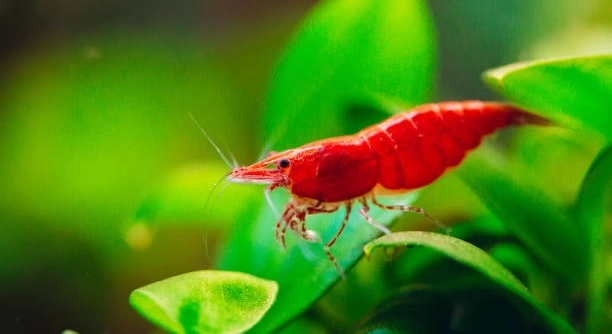
Are your cherry shrimp behaving differently after molting? Many shrimp owners notice subtle changes in activity and interactions during this vulnerable period. Understanding their behavior can help maintain a peaceful and healthy aquarium environment for all.
Cherry shrimp exhibit mild territorial behavior immediately after molting. During this time, their soft exoskeleton makes them vulnerable, prompting other shrimp to be cautious or assertive. This temporary behavior typically decreases as their new shell hardens and normal interactions resume.
Observing these changes carefully can help maintain harmony in your tank. Learning their patterns ensures your shrimp remain safe and stress-free.
Understanding Molting in Cherry Shrimp
Molting is a critical phase in a cherry shrimp’s life, during which it sheds its old exoskeleton to grow a new, larger one. This process is essential for their development and overall health. While molting, the shrimp becomes soft and vulnerable, making it cautious and less active. Their behavior often changes noticeably, and they may retreat to hiding spots for protection. Tank mates can sometimes show curiosity or mild aggression toward molting shrimp, but this is usually temporary. Providing plenty of hiding places, such as plants, moss, and small caves, helps reduce stress and allows the shrimp to molt safely. Water quality also plays a significant role, as poor conditions can hinder successful molting and affect growth. Observing these behaviors closely can give insights into your shrimp’s health, making it easier to provide an environment that supports their needs and keeps them comfortable during this sensitive time.
Molting is a natural and temporary phase that requires patience and proper care from the aquarium owner.
Creating a tank that mimics a shrimp’s natural environment is key. Soft substrates, gentle filtration, and stable water parameters reduce stress. Adding plants or moss provides security and encourages natural behavior. Observing shrimp during molting can reveal subtle cues about their health, like color changes or inactivity. Maintaining a consistent feeding schedule ensures they have the nutrients necessary for growth. Overcrowding can increase tension, so spacing shrimp properly helps maintain harmony. Small adjustments, like adding hiding spots or monitoring water quality, can significantly improve their comfort. Paying attention to these details ensures that molting remains a smooth process, helping shrimp thrive and maintain their bright colors and active behavior.
Territorial Behavior After Molting
Cherry shrimp may display short-term territorial tendencies immediately after molting. This is mainly due to their vulnerability and instinct to protect themselves.
After molting, shrimp are soft and defenseless, making them more aware of their surroundings. Other shrimp may approach cautiously, which can trigger temporary defensive or territorial behavior. Observing their interactions allows owners to distinguish normal post-molt behavior from actual aggression. Providing adequate space and hiding spots minimizes conflicts and supports healthy social dynamics. Over time, territorial behavior decreases as their new exoskeleton hardens and confidence returns. Maintaining water quality and avoiding sudden changes further reduces stress. Owners can facilitate a peaceful environment by spacing decorations strategically and monitoring interactions during molting phases. Understanding these behaviors ensures the shrimp remain healthy and active, while also preventing unnecessary stress or injury in the tank.
Keeping a close eye on post-molt behavior and maintaining a balanced tank environment ensures harmony and promotes the long-term wellbeing of all shrimp.
Signs of Stress in Molting Shrimp
Shrimp show stress during molting by hiding more than usual or moving slowly. Changes in color or a lack of appetite are also common indicators. Monitoring these signs helps prevent health issues and keeps your tank stable.
Stress can cause molting complications, including incomplete or failed molts. Shrimp may remain in their old exoskeleton or appear lethargic. Water quality plays a key role, with high ammonia or nitrite levels creating additional stress. Sudden temperature or pH changes can worsen the problem. Providing sufficient hiding places and maintaining stable tank conditions reduces stress. Nutrition is equally important, as shrimp need calcium and other minerals to support exoskeleton growth. Observing behavior daily allows for early intervention and ensures shrimp survive the vulnerable molting period safely.
Other shrimp may react differently to stressed molting individuals. Some may avoid them, while others show curiosity. Limiting overcrowding and offering multiple shelters reduces conflicts. Stress management ensures shrimp remain healthy, continue normal growth, and interact safely with tank mates. Attention to small details, like water parameters, diet, and hiding spots, significantly impacts their recovery and overall well-being after molting.
Preventing Conflicts in the Tank
Proper spacing and abundant hiding places prevent fights over territory during molting. Shrimp need room to move freely and feel secure in the aquarium.
Overcrowding increases tension and territorial behavior, particularly when soft, vulnerable shrimp are present. Adding plants, moss, or small caves allows each shrimp to retreat and reduces stress-induced interactions. Separating aggressive individuals or adjusting tank layout can further minimize conflicts. Maintaining consistent water quality prevents additional stress and encourages harmonious behavior. Feeding schedules should be regular to avoid competition over food. Observing how shrimp interact over time helps identify potential problem areas in the tank and allows for proactive adjustments. Overall, a thoughtfully arranged habitat supports peaceful cohabitation and healthy shrimp development.
Timing of Territorial Behavior
Territorial behavior in cherry shrimp is usually most noticeable immediately after molting. During this time, they are soft and cautious, reacting strongly to nearby tank mates.
This behavior generally decreases within a day or two as the new exoskeleton hardens. Monitoring interactions during this period helps ensure safety and reduces stress.
Environmental Factors Influencing Behavior
Water quality, tank size, and available hiding spots significantly influence shrimp behavior after molting. Poor water conditions increase stress and aggression, while ample space and cover allow shrimp to feel secure. Stable temperature, pH, and mineral levels are essential for smooth molting and reduced territorial disputes.
Managing Multiple Molting Events
If several shrimp molt around the same time, increased vigilance is needed. Observing interactions and maintaining hiding spots prevents conflicts and ensures all shrimp remain safe and stress-free.
FAQ
Do cherry shrimp eat each other after molting?
Cherry shrimp generally do not eat each other after molting. Their behavior may seem aggressive, but it is usually limited to mild chasing or nudging. Proper tank setup with hiding places prevents actual harm, keeping shrimp safe during this vulnerable stage.
How long does it take for a shrimp to recover after molting?
Shrimp usually harden their new exoskeleton within 24 to 48 hours. During this time, they remain soft and may hide or move cautiously. Providing stable water conditions and plenty of shelter helps them recover quickly and reduces stress-related behavior in the tank.
Why do some shrimp hide for days after molting?
Hiding is a natural response to vulnerability. Soft exoskeletons make shrimp feel exposed, so they retreat to secure spaces. Stress, water quality, or aggressive tank mates can prolong hiding. Ensuring multiple shelters and stable conditions encourages normal activity sooner.
Can territorial behavior cause injuries?
Serious injuries are uncommon if the tank is properly arranged. Mild nudging or chasing is normal, but overcrowding or lack of hiding spots may increase risk. Observing interactions and adjusting space or décor can prevent harm during molting periods.
Does tank size affect post-molt behavior?
Yes, smaller tanks often increase tension among shrimp. Limited space can make interactions feel more aggressive, while larger tanks with multiple hiding spots reduce stress. Ensuring sufficient room helps shrimp feel secure and reduces territorial behavior.
Should I separate molting shrimp from others?
Separation is generally unnecessary if the tank has adequate hiding spots and proper spacing. Only consider temporary separation if aggressive behavior persists or the shrimp appear stressed or injured. Most shrimp safely recover alongside tank mates with minimal intervention.
How does water quality impact molting and behavior?
Poor water quality increases stress, weakens the exoskeleton, and can trigger defensive or territorial responses. Maintaining proper pH, temperature, and mineral levels ensures smooth molts and calm social interactions, reducing the likelihood of conflict among shrimp.
Are certain shrimp more aggressive after molting?
Individual temperament can vary, though most cherry shrimp show only mild defensiveness. Aggression usually decreases once the exoskeleton hardens. Monitoring personalities and tank dynamics allows owners to address any potential issues early.
Do males and females behave differently after molting?
Females may be more cautious due to egg-carrying potential and increased vulnerability, while males may show curiosity or mild chasing. These behaviors are temporary and generally stabilize once the new shell hardens. Proper hiding spots balance interactions between sexes.
Can diet influence territorial behavior?
Yes, a balanced diet supports healthy growth and reduces stress during molting. Calcium and minerals are essential for exoskeleton strength. Consistent feeding prevents competition for food, which can otherwise amplify territorial behavior in the tank.
How often do cherry shrimp molt?
Molting frequency depends on age, diet, and water conditions. Younger shrimp molt more often, while adults may molt less frequently. Monitoring molts allows you to anticipate behavioral changes and ensure proper care during these periods.
What signs indicate a problem during molting?
Signs of trouble include incomplete molts, lethargy, discoloration, or prolonged hiding. Stress, poor water quality, or nutritional deficiencies often cause these issues. Prompt attention and corrective measures help ensure shrimp health and reduce stress-related territorial behavior.
Is it normal for shrimp to push each other around post-molt?
Yes, gentle pushing or nudging is common as they establish space. This behavior rarely causes harm if the tank provides sufficient hiding spots and space. Observing interactions ensures the behavior remains temporary and non-threatening.
Can multiple shrimp molting at once create chaos?
Simultaneous molts may increase temporary interactions and hiding, but serious conflicts are rare. Ensuring plenty of hiding spots, proper tank size, and stable water parameters helps all shrimp recover safely without long-term stress.
How long does territorial behavior last after molting?
Territorial tendencies usually last only until the exoskeleton hardens, typically one to two days. Providing space and shelters during this period ensures shrimp return to normal behavior quickly and safely.
Does adding more plants help reduce aggression?
Yes, plants, moss, and decorations provide cover and break lines of sight, reducing tension and aggression. Multiple hiding places help vulnerable shrimp feel secure and decrease chasing or defensive behaviors in the tank.
Can stressed shrimp fail to molt properly?
Stress can lead to incomplete or failed molts, which may harm shrimp. Maintaining calm conditions, proper nutrition, and safe spaces is crucial to support successful molting and reduce territorial or defensive behaviors.
Should I monitor water changes more closely during molting periods?
Yes, consistent water parameters are critical during molting. Sudden changes in temperature, pH, or minerals can stress shrimp and trigger defensive or territorial responses. Regular monitoring ensures smooth molts and a harmonious tank environment.
Do shrimp ever recover faster if left alone after molting?
Providing space and hiding options allows shrimp to recover without interference. Minimal disturbance supports faster hardening of the exoskeleton and reduces stress, leading to quicker normalization of behavior and social interactions.
Is post-molt aggression only limited to cherry shrimp?
Other shrimp species can also show temporary defensiveness after molting, though the intensity varies. Understanding species-specific behaviors helps maintain a calm aquarium and supports safe cohabitation during vulnerable periods.
Can I prevent all territorial behavior after molting?
Complete prevention is unlikely, as mild defensiveness is instinctive. However, careful tank design, proper feeding, and stress reduction measures minimize interactions, keeping shrimp safe while allowing natural behaviors to occur.
What is the best way to support shrimp during molting?
Provide hiding spots, stable water conditions, proper nutrition, and adequate space. Observing behavior daily and adjusting tank layout as needed ensures shrimp remain healthy and stress-free during this vulnerable stage.
How do I know if territorial behavior is a real problem?
Temporary nudging or chasing is normal. Serious concern arises if shrimp are injured, hiding excessively, or showing signs of stress. In such cases, consider additional shelters, spacing adjustments, or temporary separation to maintain tank harmony.
Does tank décor placement influence post-molt behavior?
Yes, thoughtful placement of plants and decorations creates natural barriers and reduces line-of-sight conflicts. This helps vulnerable shrimp feel secure and minimizes temporary territorial interactions during molting periods.
Are there any long-term effects of repeated post-molt stress?
Repeated stress can weaken shrimp, slow growth, and affect survival. Ensuring proper care, hiding spaces, and minimal disturbance reduces stress, supporting healthy development and stable social behavior throughout their lives.
Final Thoughts
Cherry shrimp are delicate creatures, and understanding their behavior after molting is key to maintaining a healthy aquarium. During this time, they are soft, vulnerable, and may show temporary territorial behavior. This behavior is a natural response to their vulnerability and should not be mistaken for true aggression. Providing adequate hiding spots, stable water conditions, and proper nutrition helps minimize stress and supports a smooth molting process. Observing shrimp closely during this period allows owners to notice subtle signs of stress or discomfort. Early attention to these signs can prevent potential health problems and ensure that each shrimp recovers safely. Over time, as the exoskeleton hardens, their behavior returns to normal, and interactions with tank mates stabilize. Recognizing these patterns helps maintain a peaceful environment and ensures the long-term wellbeing of all shrimp in the tank.
Water quality plays a critical role in shrimp health and behavior. Parameters such as pH, temperature, hardness, and mineral content directly influence their ability to molt successfully. Sudden fluctuations can stress shrimp, leading to prolonged hiding or defensive behavior. Ensuring consistent water quality, regular testing, and appropriate filtration is essential. Additionally, a balanced diet rich in calcium and other minerals supports exoskeleton strength and overall vitality. Even minor neglect in feeding or water maintenance can create stress, slow growth, or increase conflicts among shrimp. Providing a structured environment with sufficient plants, moss, and other hiding spaces encourages natural behaviors while reducing tension during molting periods. Tank layout should be carefully planned, offering multiple shelters to accommodate all shrimp, especially if several molt around the same time. Proper planning and attention to detail make the post-molt period smoother and reduce the likelihood of injuries or extended stress.
Monitoring shrimp behavior over time is one of the most effective ways to ensure their wellbeing. By noting patterns such as increased hiding, gentle nudging, or changes in color, owners can distinguish normal post-molt behavior from signs of stress or illness. Maintaining a calm environment, spacing tank mates appropriately, and providing consistent care are all steps that contribute to a healthy, harmonious tank. Understanding the temporary nature of post-molt territorial behavior helps avoid unnecessary interventions while ensuring that shrimp remain safe. Over time, observing and responding to these small behavioral cues strengthens the ability to manage a thriving aquarium. With patience and careful attention, cherry shrimp can grow, molt, and interact safely, maintaining their vibrant colors and active behavior. A well-maintained tank and attentive care create an environment where shrimp flourish naturally and their brief post-molt behaviors do not disrupt the overall harmony of the community.

Hello,
If you enjoy the content that we create, please consider saying a "Thank You!" by leaving a tip.
Every little bit helps us continue crafting quality advice that supports the health, happiness, and well-being of pets around the world, for pets of all shapes, sizes, and species.
We really appreciate the kindness and support that you show us!