
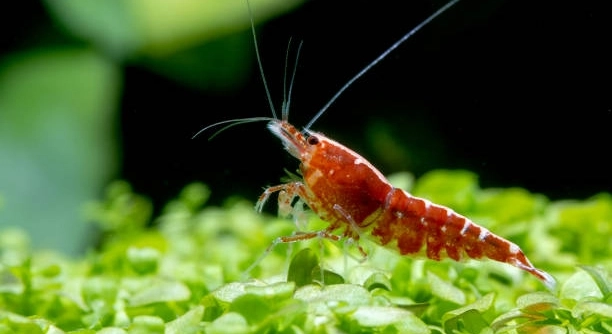
Cherry shrimp are small, vibrant freshwater creatures that add charm to any aquarium. Their delicate nature often raises concerns about safety, especially when larger fish share the same tank space. Observing their behavior can be fascinating.
Cherry shrimp can detect predator fish nearby through a combination of chemical cues, water vibrations, and changes in their environment. These sensory responses allow them to react quickly, often hiding or reducing movement to avoid predation.
Learning how these tiny shrimp sense danger offers valuable insights into their care and aquarium setup. Proper understanding ensures their safety and enhances their natural behaviors in captivity.
How Cherry Shrimp Detect Predators
Cherry shrimp rely on their senses to survive in tanks with larger fish. They can pick up tiny changes in water movement, such as vibrations caused by swimming fish. Their antennae are extremely sensitive, allowing them to sense nearby danger even without seeing it. Chemical signals in the water, released by stressed or aggressive fish, also alert them to potential threats. When these cues are detected, shrimp often retreat to hiding spots like plants, rocks, or crevices. In a planted tank, dense foliage provides both security and peace of mind for shrimp. Observing them respond to nearby fish is both calming and revealing. By paying attention to these reactions, aquarists can create safer environments and reduce stress for these delicate creatures. Feeding routines, tank layout, and careful selection of tankmates all play a role in minimizing risks and ensuring shrimp remain active and healthy.
Predator detection keeps cherry shrimp alert and cautious, helping them survive alongside larger fish. Their reactions are quick and instinctive.
Understanding how shrimp sense danger can guide tank arrangements. Choosing appropriate hiding places, avoiding aggressive species, and maintaining water quality reduces stress and supports natural behavior. Tank observation helps identify which fish cause anxiety, allowing better management. Providing sufficient cover and stable conditions encourages shrimp to explore confidently, promoting feeding and breeding. Over time, shrimp show patterns in their responses, indicating comfort levels and environmental satisfaction. Adjusting the tank layout based on these behaviors fosters a balanced aquarium. In addition, consistent feeding schedules reduce panic and competition for resources. Observing shrimp closely also helps identify health issues, as stressed or sick shrimp behave differently. By combining environmental design, careful species selection, and attentive observation, aquarists can maintain a harmonious tank where cherry shrimp feel secure while coexisting with other fish.
Signs Cherry Shrimp Are Sensing Danger
Cherry shrimp freeze or hide when a predator approaches. Quick movements or antennae vibrations often indicate nearby threats.
Shrimp exhibit subtle changes in posture and color when sensing danger. They may stop feeding, tuck their bodies into corners, or move closer to the substrate. These responses help them avoid attacks while remaining partially hidden. Even minor disturbances, like shadows or sudden water movement, can trigger these behaviors. Understanding these signals allows aquarists to adjust tank conditions, reduce stress, and ensure shrimp are not constantly on edge. Over time, recognizing these signs improves tank management, creating a more stable environment where shrimp can thrive safely.
Creating a Safe Environment
Hiding spots are essential for cherry shrimp. Plants, rocks, and small caves provide shelter and reduce stress when predators are nearby. Dense foliage encourages natural behaviors and gives shrimp confidence to explore.
Proper tank design significantly impacts shrimp survival. Including moss, floating plants, and leaf litter creates layers of cover, allowing shrimp to retreat quickly when sensing danger. Open swimming areas should be balanced with secure zones to prevent constant exposure. Avoid sharp decorations that can injure delicate shrimp. Tankmates should be carefully chosen; larger or aggressive fish increase stress and can trigger frequent hiding. Monitoring shrimp behavior over time helps identify which areas are most used and which modifications improve comfort. Regular maintenance, including water quality checks, ensures the environment remains safe and stable for these sensitive creatures.
Water quality also contributes to shrimp stress levels. Stable temperature, clean water, and proper filtration support their immune system, helping them react efficiently to potential threats. Sudden changes can make them more vulnerable, so consistent care is necessary.
Feeding and Observation
Shrimp reduce activity near predators, which affects feeding patterns. Placing food near hiding spots encourages safer eating.
Observing shrimp during feeding reveals how they interact with their environment. They often wait until the area feels safe before venturing out. Noticing their hesitation, choice of hiding places, and timing of movement provides insight into their stress levels. Feeding small amounts gradually prevents overcrowding at food sources, allowing all shrimp to eat without exposing themselves unnecessarily. Over time, recognizing patterns in behavior helps optimize tank layout and feeding schedules. Adjustments such as relocating food, adding additional cover, or rearranging plants can improve shrimp confidence and overall health. Consistent observation ensures shrimp remain active and healthy despite the presence of larger fish.
Understanding Shrimp Behavior
Cherry shrimp often stay close to plants or decorations when larger fish are present. Their cautious movements indicate they are aware of nearby threats.
A sudden darting motion or freezing in place signals that a shrimp senses potential danger. These instinctive responses help them survive in a shared tank environment.
Stress and Its Effects
Chronic stress from constant predator presence can weaken shrimp immune systems. They may eat less, hide excessively, or show faded colors. Maintaining a calm environment with sufficient cover reduces these negative effects and supports long-term health.
Choosing Compatible Tankmates
Smaller, peaceful fish reduce stress for cherry shrimp. Avoid aggressive species that chase or nip at them.
Monitoring Daily Activity
Regular observation helps detect changes in shrimp behavior. Adjustments in feeding, hiding places, or tank layout can prevent unnecessary stress and ensure shrimp remain active and healthy.
FAQ
Can cherry shrimp sense predators through sight alone?
Cherry shrimp primarily rely on their antennae and chemical signals, but vision also plays a role. They can detect shadows, sudden movements, and large shapes in the tank, prompting them to hide or freeze. However, their eyesight is limited, so other senses are more critical for predator detection.
Do vibrations in the water affect shrimp behavior?
Yes, vibrations caused by swimming fish or sudden disturbances trigger instinctive responses in cherry shrimp. They may pause, retreat, or tuck into hiding spots. Vibrations act as an early warning system, allowing shrimp to react before a predator gets too close.
How do chemical signals alert shrimp to danger?
When stressed or aggressive fish release chemicals into the water, cherry shrimp can detect them. These cues signal potential threats and often cause shrimp to reduce movement or hide. It is a subtle but effective method for sensing danger without direct contact.
Do cherry shrimp always hide when a predator is nearby?
Not always. The response depends on the size of the predator, the shrimp’s confidence, and available hiding spots. Some shrimp may freeze in place rather than flee. Hiding is the most common strategy, but cautious movement is also part of their survival behavior.
Can tank layout reduce stress for shrimp?
Absolutely. Dense plants, moss, caves, and leaf litter create secure areas. Shrimp feel safer when there are multiple hiding spots. Open swimming areas should be balanced with cover, allowing them to explore without constant exposure to potential predators.
Does water quality influence shrimp reactions to predators?
Yes. Poor water conditions can weaken shrimp, making them less able to respond to danger. Stable temperature, proper filtration, and clean water support their immune system and allow them to react quickly. Stress from sudden water changes increases vulnerability to predators.
How do feeding routines affect predator detection?
Feeding near hiding spots encourages shrimp to eat without exposing themselves unnecessarily. Small, frequent feedings reduce competition and allow shrimp to feed safely. Observing how shrimp respond to feeding times provides insight into their comfort levels and stress management.
Are all fish in a community tank threats to shrimp?
No, peaceful fish that do not chase or nip at shrimp are usually safe. Aggressive or larger species increase stress and trigger constant hiding. Choosing compatible tankmates is crucial for maintaining shrimp health and natural behavior.
Can shrimp recognize repeated threats?
Yes. Cherry shrimp learn from repeated exposure to non-lethal threats. They may become more cautious or avoid certain areas where larger fish frequently swim. This adaptive behavior helps them survive in shared environments.
How can I tell if my shrimp are stressed?
Signs of stress include hiding constantly, reduced feeding, faded colors, and erratic movements. Observing these behaviors allows for adjustments in tank layout, feeding, or species selection to improve comfort and reduce danger.
Do cherry shrimp react differently to active versus passive predators?
Yes. Active predators that chase shrimp cause immediate hiding responses. Passive predators may elicit cautious movement or partial retreat. Shrimp adjust their behavior depending on the perceived level of threat and available escape routes.
Is it safe to have shrimp with larger fish if there are plenty of hiding spots?
It can be, but constant vigilance is necessary. Adequate cover allows shrimp to avoid conflict, but aggressive fish can still cause stress. Observing shrimp behavior regularly ensures they remain active, healthy, and secure in the tank.
How do shrimp communicate danger to each other?
Indirectly through water vibrations and chemical cues. When one shrimp detects a predator, its movements and secretions can alert nearby shrimp, prompting group hiding or cautious behavior. This collective response enhances survival chances in a shared tank environment.
Can stress from predators affect shrimp reproduction?
Yes. Chronic stress reduces breeding activity and can lead to weaker offspring. A calm environment with sufficient cover and compatible tankmates encourages natural mating behaviors and supports healthy population growth.
What’s the best way to observe shrimp without stressing them?
Approach the tank slowly and avoid sudden movements. Use indirect lighting and minimize tapping or shaking. Observing shrimp calmly allows you to monitor behavior and adjust tank conditions without causing additional stress.
Do shrimp ever ignore predators?
Sometimes, if a shrimp feels confident in its hiding spots or perceives a predator as non-threatening. Individual temperament and prior experiences influence their willingness to stay exposed. However, instinct usually prompts at least cautious movement or vigilance.
How long does it take shrimp to adapt to a new tank with predators?
Adaptation varies. Some shrimp adjust within days, using hiding spots and cautious movements. Others may take weeks, gradually exploring open areas as they become confident. Providing stable conditions and sufficient cover speeds up this adjustment process.
Are juvenile shrimp more vulnerable than adults?
Yes. Juveniles are smaller, weaker, and less experienced at detecting danger. They rely heavily on hiding and often stay in dense foliage until they grow stronger and more aware of predator presence.
Can stress from predators shorten shrimp lifespan?
Chronic stress can negatively impact health, immunity, and feeding habits, which may indirectly reduce lifespan. Minimizing exposure to aggressive fish and maintaining a safe, stable environment supports long-term well-being.
Do shrimp react differently in planted tanks versus bare tanks?
Yes. Planted tanks offer hiding spots, making shrimp feel safer and more active. Bare tanks leave them exposed, increasing stress and causing more frequent hiding or freezing behaviors. Tank design greatly affects shrimp comfort and survival.
How often should I check on shrimp behavior?
Daily observation is recommended. Monitoring movement, feeding, and hiding patterns helps detect stress early. Adjusting tank layout or species composition based on these observations ensures shrimp remain safe and active.
Can shrimp sense threats outside the tank?
They are primarily sensitive to changes within their immediate environment. Vibrations, shadows, or disturbances outside the tank may cause minor reactions, but these are usually temporary and less pronounced than responses to actual tank predators.
What is the most effective way to reduce predator stress?
Providing dense cover, compatible tankmates, stable water conditions, and mindful feeding practices is key. Observing shrimp behavior and making gradual adjustments ensures a balanced, low-stress environment where they can thrive.
Final Thoughts
Cherry shrimp are delicate creatures that rely heavily on their senses to survive in shared aquarium environments. Their ability to detect predators is impressive, involving a combination of chemical signals, vibrations, and visual cues. Even though their eyesight is limited, they can perceive movement, shadows, and large shapes, which often prompts them to take protective actions. Antennae play a significant role in sensing vibrations and water currents, helping them detect approaching fish long before direct contact occurs. Observing these responses provides insight into their natural behavior and shows how instinct guides them to safety. The shrimp’s reactions are subtle but deliberate, ranging from freezing in place to retreating into plants or hiding spots. These behaviors are crucial for survival, as they allow shrimp to avoid predators while still navigating their environment.
Creating a safe and supportive habitat is essential for cherry shrimp to thrive alongside larger fish. Dense plants, moss, rocks, and small caves offer secure hiding spots that reduce stress and encourage natural exploration. A well-thought-out tank layout balances open swimming areas with areas of cover, allowing shrimp to move freely while feeling protected. Water quality is equally important, as stable temperature, clean water, and proper filtration support overall health and ensure shrimp can respond effectively to potential threats. Feeding routines also play a key role in safety and comfort. Placing food near hiding areas allows shrimp to eat without exposing themselves unnecessarily. Small, frequent feedings prevent overcrowding and reduce stress, while also giving aquarists the chance to observe shrimp behavior and adjust the environment as needed. Over time, these thoughtful adjustments contribute to a calm, low-stress tank where shrimp remain active, healthy, and confident.
Regular observation and understanding of shrimp behavior make a significant difference in their care. Signs such as hiding excessively, fading colors, or reduced feeding can indicate stress from predators or environmental factors. By monitoring these patterns, aquarists can make informed decisions about tank layout, feeding strategies, and species compatibility. Choosing peaceful tankmates and minimizing sudden disturbances further supports shrimp well-being. Adaptation to a new environment can take time, and juvenile shrimp often require extra care due to their vulnerability. By providing consistent conditions, sufficient cover, and careful monitoring, shrimp gradually become more comfortable and display natural behaviors more frequently. Maintaining this balance ensures they can coexist safely with other fish, respond appropriately to potential threats, and live longer, healthier lives in the aquarium. Understanding and respecting their instincts creates a harmonious environment where both shrimp and tankmates thrive.

Hello,
If you enjoy the content that we create, please consider saying a "Thank You!" by leaving a tip.
Every little bit helps us continue crafting quality advice that supports the health, happiness, and well-being of pets around the world, for pets of all shapes, sizes, and species.
We really appreciate the kindness and support that you show us!