
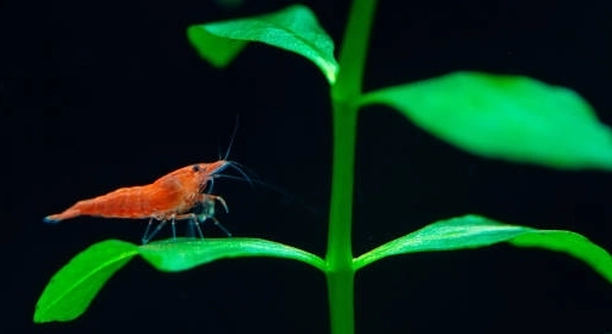
Many shrimp keepers enjoy creating a vibrant and healthy aquarium environment. Adding plants can improve water quality, provide shelter, and encourage natural behaviors, helping shrimp feel safe and supported in their habitat.
Certain plants, such as Java moss, Anubias, and Amazon swords, are safe for shrimp and promote thriving conditions. These plants offer hiding spots, reduce stress, maintain water parameters, and provide surfaces for biofilm, which shrimp feed on.
Introducing the right plants creates a balanced environment that benefits shrimp health, behavior, and overall tank stability, making careful plant selection essential for any aquarist.
Java Moss
Java moss is one of the most popular plants for shrimp tanks. Its dense growth provides small hiding spots where baby shrimp can feel safe. The moss also traps debris and supports biofilm growth, which shrimp feed on naturally. It tolerates low light and a wide range of temperatures, making it easy to maintain. Java moss can be attached to rocks, driftwood, or left to float, offering flexibility in aquascaping. Regular trimming helps maintain its shape and prevents overcrowding. Many shrimp species enjoy grazing on the tiny organisms that grow within the moss, making it both a food source and a shelter. It also contributes to overall water quality by absorbing excess nutrients. Beginners and experienced keepers alike often use Java moss for its durability and the comfort it provides shrimp. Its slow, steady growth ensures long-term benefits without overwhelming the tank.
Java moss is safe for all shrimp species and improves survival, health, and reproduction rates by providing shelter and feeding surfaces.
Adding Java moss creates natural hiding places that reduce stress and encourage shrimp activity. Its low maintenance and adaptability make it a reliable choice for any tank setup.
Anubias
Anubias plants grow slowly and require minimal light, making them perfect for shrimp tanks.
Anubias leaves are thick and sturdy, resisting nibbling while offering shrimp surfaces to graze on. Its root system can attach to rocks or driftwood, preventing substrate disturbance. Shrimp often rest on the leaves, and the plant’s broad surfaces allow biofilm to flourish. Anubias tolerates various water conditions and does not need frequent fertilization, which helps maintain stable water parameters. Its slow growth means less trimming is necessary, allowing the tank to remain organized. Many keepers place Anubias strategically to create shaded areas, helping shy shrimp feel more secure. Over time, these plants develop a robust presence that complements other greenery in the aquarium. Proper placement ensures water flow reaches all parts of the plant, keeping biofilm levels healthy and encouraging shrimp to explore. The plant’s resilience and ease of care make it a practical and visually appealing addition.
Amazon Sword
Amazon swords have broad leaves that provide excellent grazing surfaces for shrimp. They create shaded areas, helping shrimp feel secure while they explore and feed in the tank.
These plants grow quickly in nutrient-rich substrates, offering both food sources and shelter. Their strong roots stabilize the substrate, preventing disturbances from shrimp activity. The leaves support biofilm growth, which shrimp naturally consume. Amazon swords also absorb excess nutrients, improving overall water quality and reducing algae growth. They thrive in moderate lighting and regular fertilization enhances their health. Many shrimp keepers place them at the back of the tank to create vertical layers, allowing shrimp to explore freely while feeling protected. Over time, these plants can become the centerpiece of the aquarium, offering natural hiding spots and improving the aesthetic of the tank. Careful trimming prevents overcrowding and encourages steady growth.
By providing shade, food surfaces, and nutrient absorption, Amazon swords support shrimp health and tank stability effectively.
Moss Balls
Moss balls are compact, easy-to-maintain plants that encourage shrimp grazing and movement throughout the tank. Their soft texture prevents harm to delicate shrimp bodies.
Shrimp feed on the biofilm that develops on moss balls while the balls help maintain water quality by absorbing nutrients. They require minimal care, only occasional gentle squeezing to remove trapped debris. Moss balls float or sit on the substrate, giving shrimp versatile areas to explore and feed. Their slow growth means they stay manageable without frequent trimming. Placing multiple moss balls in different tank areas encourages shrimp activity and reduces stress by providing safe zones. Moss balls also enhance visual appeal, creating natural, rounded green spots throughout the aquarium. Their resilience makes them ideal companions for shrimp in various water conditions. Over time, moss balls contribute to a balanced ecosystem and increase shrimp interaction with plants.
Java Fern
Java fern attaches easily to rocks or driftwood, giving shrimp surfaces to explore. Its leaves are thick, preventing damage from grazing shrimp.
It grows slowly and tolerates low light, reducing maintenance. Shrimp can safely hide among the leaves while feeding on biofilm, which naturally develops on the plant surfaces.
Water Wisteria
Water wisteria grows quickly and provides ample hiding spots for shrimp. Its fine, feathery leaves increase surface area for biofilm growth, supporting natural shrimp feeding behavior. The plant helps maintain water quality by absorbing excess nutrients, limiting algae growth, and stabilizing the tank environment effectively.
Cryptocoryne
Cryptocoryne has sturdy leaves that resist shrimp nibbling while offering grazing surfaces. Its roots anchor well in the substrate, creating stable areas for shrimp to explore and feed without disturbing the tank setup.
Hornwort
Hornwort floats or anchors in the substrate, providing extensive shelter for shrimp. Its dense, bushy growth offers hiding spaces and surfaces for biofilm, making it a practical plant for supporting shrimp health.
FAQ
What plants are safest for shrimp tanks?
Plants like Java moss, Anubias, Amazon sword, moss balls, Java fern, water wisteria, Cryptocoryne, and hornwort are safe for shrimp. They provide hiding spaces, grazing surfaces, and stable water conditions. These plants tolerate a range of lighting and water parameters, making them reliable choices for long-term tank health.
How do plants help shrimp thrive?
Plants offer multiple benefits. They provide shelter for baby and adult shrimp, reducing stress and increasing survival. Leaves and surfaces host biofilm, a natural food source. Roots and foliage absorb excess nutrients, preventing algae blooms and maintaining water quality. Plants also create natural territories, encouraging healthy shrimp behavior.
Can shrimp eat plants directly?
Shrimp generally do not eat healthy plant leaves but feed on biofilm and algae growing on them. Some slow-growing plants, like moss balls, may see minor nibbling, but it rarely harms overall plant health. Plants primarily serve as grazing surfaces and shelter rather than a direct food source.
How should plants be placed in a shrimp tank?
Tall plants like Amazon swords or Cryptocoryne are best at the back, while shorter mosses and floating plants like hornwort or moss balls can go in the middle or foreground. Strategic placement creates shaded areas, hiding spots, and encourages shrimp to explore freely without stress.
Do plants need special care for shrimp tanks?
Most shrimp-safe plants are low maintenance. Occasional trimming, proper lighting, and balanced nutrients are usually sufficient. Java moss, moss balls, and Java fern require minimal care, while Amazon swords or water wisteria may need fertilization or substrate support. Keeping plants healthy directly benefits shrimp health and reproduction.
Can too many plants harm shrimp?
Overcrowding plants can reduce swimming space, trap debris, and block water flow. Shrimp need open areas for movement alongside plant coverage. Maintaining balance ensures the tank provides both shelter and space for healthy activity and feeding.
How do plants affect water quality for shrimp?
Plants absorb excess nitrates and phosphates, helping maintain stable water conditions. Strong root systems prevent substrate disturbance, reducing stress for shrimp. Dense plant growth supports beneficial bacteria and biofilm, which contribute to a cleaner, healthier environment for shrimp.
Which plants are easiest for beginners?
Java moss, moss balls, and Java fern are beginner-friendly. They grow slowly, tolerate low light, and require minimal trimming. Anubias is also simple to maintain, as it grows attached to rocks or driftwood without disturbing shrimp. These plants provide reliable coverage and food surfaces.
How often should shrimp-safe plants be trimmed?
Trimming depends on plant type and growth rate. Mosses and Java fern rarely need trimming, while fast-growing plants like water wisteria or Amazon swords may need pruning every few weeks. Regular trimming prevents overcrowding, promotes healthy growth, and ensures shrimp have ample space to explore.
Do floating plants benefit shrimp?
Floating plants like hornwort provide shade, hiding spots, and biofilm surfaces. They reduce light intensity, which can help shy shrimp feel secure. Floating plants also absorb excess nutrients, contributing to water quality and overall tank stability.
Can shrimp survive without plants?
Shrimp can survive without plants, but their health and behavior improve with natural cover and grazing surfaces. Plants reduce stress, support molting, and increase feeding opportunities. A tank with plants closely mimics natural habitats, promoting thriving shrimp populations.
Is it okay to mix different plant types in one tank?
Mixing plants is recommended. Combining mosses, broad-leaf plants, and floating species creates varied habitats and feeding opportunities. Diversity encourages natural shrimp behavior, provides continuous biofilm surfaces, and maintains balanced water conditions across the tank.
How do plants affect shrimp breeding?
Dense plants offer hiding places for baby shrimp, improving survival rates. Biofilm surfaces provide essential nutrition for juveniles. Healthy, well-maintained plants reduce stress for adult shrimp, supporting reproduction and the growth of strong, healthy offspring.
Can plants reduce algae in shrimp tanks?
Yes, healthy plants compete for nutrients, limiting algae growth. Fast-growing species like water wisteria or Amazon swords are particularly effective at absorbing excess nutrients. Combined with regular maintenance, plants help maintain clean, algae-controlled conditions for shrimp.
Are there plants shrimp should avoid?
Shrimp-safe plants are generally robust, but fragile plants with delicate leaves may suffer nibbling or damage. Avoid species treated with chemicals, pesticides, or fertilizers harmful to shrimp. Always rinse new plants before adding them to prevent contamination and stress.
This FAQ covers essential questions about safe plants, care, and their direct benefits to shrimp, ensuring a thriving, balanced tank environment.
Adding the right plants to a shrimp tank can make a big difference in the health and behavior of the shrimp. Plants provide natural hiding spots where shrimp feel safe and can reduce stress. Baby shrimp, in particular, benefit from dense plants like Java moss or moss balls, which give them a place to hide from adult shrimp and prevent accidental harm. Even adult shrimp enjoy having plants to explore and rest on, as it mimics the natural environment they would experience in the wild. Different plants offer different benefits. Broad-leaf plants like Amazon swords or Anubias provide grazing surfaces where biofilm grows, giving shrimp a natural and nutritious food source. Fast-growing plants such as water wisteria can help maintain water quality by absorbing excess nutrients and preventing algae from taking over the tank. Each plant contributes to creating a stable, balanced ecosystem where shrimp can thrive, both physically and behaviorally.
Plants also play an important role in supporting shrimp reproduction. A tank with healthy, well-maintained plants increases survival rates for baby shrimp. Shrimp eggs and juveniles need safe areas to hide and graze, and dense plants provide just that. The presence of biofilm on leaves and moss gives young shrimp the essential nutrients they need in their early stages. Even for adult shrimp, having plants reduces stress, which can improve overall health and encourage natural behaviors such as molting and feeding. By choosing shrimp-safe plants and providing proper care, aquarists create an environment that promotes growth, activity, and reproduction. Proper placement of plants, such as taller species in the back and smaller mosses or floating plants in the middle and foreground, ensures that shrimp have both open swimming areas and sufficient shelter. This balance makes a tank functional, safe, and visually appealing.
Maintaining plants in a shrimp tank does not need to be difficult, even for beginners. Many shrimp-safe plants, like Java moss, moss balls, and Java fern, require minimal care, low light, and little trimming. Other species, like Amazon swords or water wisteria, may grow faster and need occasional pruning or fertilization, but these tasks are manageable and help sustain a healthy tank environment. Regular plant maintenance supports water quality, reduces algae growth, and encourages biofilm development, which benefits shrimp nutrition. Overcrowding should be avoided to ensure shrimp have enough space to swim freely while still enjoying the shelter plants provide. With careful selection, placement, and maintenance of plants, shrimp tanks can become vibrant, stable, and productive environments. Healthy plants support shrimp health, encourage natural behavior, and create a visually appealing tank, making them an essential part of any successful shrimp-keeping setup.

Hello,
If you enjoy the content that we create, please consider saying a "Thank You!" by leaving a tip.
Every little bit helps us continue crafting quality advice that supports the health, happiness, and well-being of pets around the world, for pets of all shapes, sizes, and species.
We really appreciate the kindness and support that you show us!