
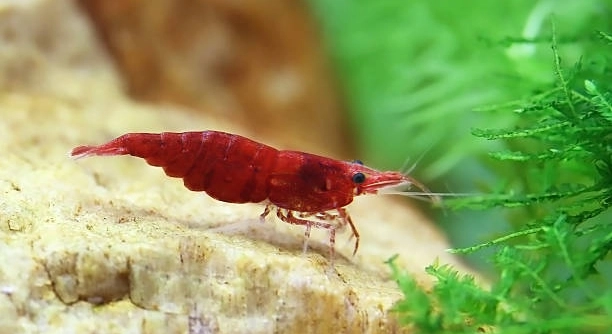
Are your cherry shrimp moving oddly or hiding more than usual in your tank? Tank vibrations from nearby appliances, footsteps, or even pumps can subtly influence their daily behavior and overall well-being. Observing these changes is important.
Cherry shrimp are sensitive to vibrations in their environment, which can cause stress, reduce feeding, and impact molting cycles. Consistent or strong vibrations may lead to long-term behavioral changes and affect their overall health and survival in captivity.
Understanding how vibrations affect cherry shrimp can help you create a more stable and safe tank environment. Proper tank placement and monitoring can make a significant difference in their comfort.
Common Sources of Tank Vibration
Many tank owners do not realize how everyday activities can affect their shrimp. Vibrations can come from washing machines, vacuum cleaners, or even walking heavily near the aquarium. Pumps, filters, and air stones can also create subtle, continuous vibrations that disturb shrimp. These tiny animals are very sensitive to changes in their environment. Even a minor knock on the table or tapping on the tank can startle them. Shrimp often respond by hiding in plants, burrowing in substrate, or moving less. Over time, repeated exposure can lead to stress, which affects feeding and molting. Adjusting the placement of tanks away from high-traffic areas is a simple step. Using pads or soft materials under equipment can reduce vibrations. Observing shrimp behavior after changes can help you see improvements. Stability in the tank is key to keeping shrimp healthy and active over time.
Placing tanks on sturdy surfaces and away from noisy appliances helps limit stress from vibrations.
Monitoring shrimp daily allows you to notice subtle changes in behavior, feeding, and overall activity. Keeping vibration minimal ensures their well-being, encouraging natural behavior and healthier molting cycles.
Signs Your Shrimp Are Affected
Shrimp exposed to consistent vibration often hide or stay near tank corners. They may avoid open areas and reduce feeding activity.
Stress from vibration can cause slower growth, molting issues, and even lower immunity. Shy behavior, loss of color, or constant movement along the tank walls are all signs. Molting problems can lead to death if untreated. Reducing vibrations improves shrimp activity and encourages normal feeding habits. You may notice shrimp returning to open areas and interacting with plants more. Substrate disturbances and hiding in decorations are also common indicators of stress. A stable, calm environment promotes health, successful breeding, and longevity. Observing behavior after equipment changes, or isolating sources of vibration, can reveal improvements. Even small adjustments like using anti-vibration pads under pumps or relocating the tank can make a significant difference. Keeping track of shrimp activity daily ensures problems are caught early, allowing for timely interventions. Over time, consistent care and attention to tank stability will lead to happier, more active shrimp.
Reducing Tank Vibration
Using thick mats or foam pads under the aquarium can significantly reduce vibrations from floors or furniture. Even small adjustments in placement make a noticeable difference in shrimp activity and comfort levels.
Securing pumps, filters, and air stones with soft mounts or placing them on anti-vibration pads minimizes constant low-level disturbances. Reducing table or shelf movement helps prevent sudden shocks. Positioning the tank away from heavy foot traffic or appliances further stabilizes the environment. Observing shrimp after these adjustments often shows increased movement, more feeding, and less hiding. Small changes in setup can create a calmer, more natural environment for shrimp, supporting their health and normal behaviors over time.
Regularly checking equipment for vibrations is important. Tightening loose fittings and dampening external sources ensures the tank remains a stress-free space. Even minor improvements can positively impact shrimp molting, feeding, and breeding. Maintaining consistent, minimal vibrations promotes long-term well-being.
Monitoring Shrimp Behavior
Tracking shrimp behavior daily helps identify subtle signs of stress, including hiding, lethargy, or erratic swimming. Consistent observation allows timely action.
Changes in feeding patterns, reduced interaction with plants, or avoidance of open areas often indicate stress from vibrations. Stress can also manifest as failed molts or weakened exoskeletons, affecting long-term survival. Maintaining a quiet, stable tank environment is essential for promoting natural activity and supporting healthy growth. Noting behavioral shifts after adjustments provides feedback on the effectiveness of anti-vibration measures. Over time, this attention ensures shrimp remain active, healthy, and able to thrive within the tank. Regular observation combined with proactive adjustments can prevent long-term issues caused by environmental disturbances.
Equipment Placement
Positioning filters, heaters, and air stones on stable surfaces reduces vibrations transmitted through the tank. Using soft pads under equipment further dampens noise and movement.
Avoid placing the tank near heavy foot traffic or loud appliances. Even subtle vibrations from nearby activity can stress shrimp and disrupt feeding and molting patterns.
Observing Feeding Patterns
Shrimp that experience stress from vibrations often eat less or avoid food altogether. Monitoring feeding times and consumption helps identify when environmental adjustments are needed. Consistent feeding behavior indicates a calm and stable tank, allowing shrimp to thrive and maintain healthy growth.
Adjusting Tank Location
Moving the aquarium away from high-traffic areas or vibration-prone surfaces improves shrimp comfort. Stability in placement encourages natural behavior and reduces stress-related issues.
FAQ
Can vibrations really harm cherry shrimp?
Yes, cherry shrimp are sensitive to vibrations. Constant or strong vibrations can cause stress, reduce feeding, affect molting, and even lead to long-term health problems. They rely on a calm environment to maintain normal behavior and proper growth, so minimizing disturbances is important.
How can I tell if my shrimp are stressed?
Signs of stress include hiding, reduced activity, staying in corners, and avoiding open areas. Stress may also cause changes in feeding, slower growth, molting problems, or color fading. Observing shrimp daily helps catch these changes early, allowing you to adjust the environment promptly.
What are the main sources of tank vibration?
Common sources include household appliances like washing machines or vacuum cleaners, heavy foot traffic, pumps, filters, air stones, and even tapping on the tank. Subtle movements from tables or stands can also transfer vibrations. Identifying these sources allows for targeted solutions.
How can I reduce vibrations in my tank?
Using thick mats or foam pads under the tank, securing equipment with soft mounts, and placing tanks on stable surfaces can reduce vibrations. Avoid areas with heavy traffic or noisy appliances. Even minor adjustments often result in calmer shrimp and improved behavior.
Will shrimp behavior improve after reducing vibration?
Yes, shrimp often become more active, feed more consistently, and hide less once vibrations are minimized. They may explore more open areas, interact with plants, and show healthier molting patterns. Observing gradual improvements can confirm that environmental changes are effective.
Can tank decorations affect vibrations?
Hard, unstable decorations can transmit vibrations through the tank. Using plants, driftwood, or other lightweight decorations can dampen vibrations while providing shelter and improving shrimp comfort. Proper placement also ensures shrimp have safe hiding spaces.
Should I monitor shrimp daily for signs of stress?
Daily observation is highly recommended. Monitoring feeding behavior, activity levels, and general movement helps detect subtle changes caused by vibration. Keeping notes on shrimp behavior allows you to compare over time and see if interventions are working.
Do all shrimp react the same way to vibration?
Individual shrimp may react differently. Some may hide immediately, while others may appear unaffected. Stress response depends on intensity, duration, and the shrimp’s overall health. Providing a stable environment benefits all shrimp, even if reactions vary.
Is it safe to place tanks near windows or doors?
Placing tanks near windows or doors may expose shrimp to vibrations from opening and closing, as well as temperature fluctuations. It is better to position tanks in quiet, stable areas where environmental changes are minimized.
Are there long-term effects of constant vibration?
Yes, prolonged exposure can weaken shrimp, slow growth, cause molting issues, reduce feeding, and lower immunity. Chronic stress can lead to illness or shortened lifespan. Maintaining a stable environment is essential for long-term shrimp health and well-being.
How do I know if equipment is causing vibrations?
Listen for humming, buzzing, or rattling from pumps, filters, or heaters. Observe shrimp behavior when equipment runs. If they hide, stop feeding, or move erratically, vibrations from equipment are likely affecting them. Small adjustments or padding often resolve the issue.
Can I completely eliminate vibrations?
While it’s difficult to remove all vibrations, minimizing them significantly improves shrimp comfort. Using anti-vibration pads, stable surfaces, and careful tank placement reduces the impact, creating a calmer and healthier environment.
Is tank size a factor in vibration sensitivity?
Smaller tanks may transmit vibrations more easily than larger tanks, making shrimp more sensitive. Stabilizing equipment and reducing external disturbances is especially important for small aquariums to ensure shrimp remain stress-free.
Do shrimp acclimate to minor vibrations over time?
Some shrimp may tolerate minor vibrations, but chronic exposure to moderate or strong vibrations still causes stress. Consistently low-vibration environments are better for long-term health, feeding, and molting success.
Can I use soft substrates to reduce vibrations?
Yes, substrates like sand or fine gravel help absorb vibrations. Soft substrates protect shrimp during movement, provide comfortable hiding areas, and reduce stress caused by vibrations from the tank or equipment.
How long does it take for shrimp to recover from vibration stress?
Recovery depends on the severity of stress, age, and overall health. Some shrimp may show improvement within a few days, while others may take weeks. Providing a calm environment, proper feeding, and safe hiding spaces supports faster recovery.
Is it necessary to move the tank to a completely new location?
Not always. Often, small adjustments like placing the tank on a stable table, adding padding, or moving it away from appliances is enough. A complete relocation is only needed if vibrations cannot be mitigated in the current spot.
Can vibration affect breeding?
Yes, stressed shrimp may reduce breeding activity. Mating and egg-laying require calm, stable conditions. Minimizing vibrations increases the likelihood of successful breeding, healthier eggs, and better survival of baby shrimp.
What else can I do to improve shrimp comfort?
Along with reducing vibrations, maintain stable water parameters, provide hiding places, feed a balanced diet, and avoid sudden changes. Consistent care creates a secure environment that supports natural behavior and overall health.
Are cherry shrimp more sensitive than other shrimp species?
Cherry shrimp are relatively sensitive compared to some larger or hardier species. They respond noticeably to subtle environmental changes, including vibration. Providing a calm, stable tank ensures they remain active, healthy, and reproduce successfully.
Can I combine multiple solutions to reduce vibrations?
Yes, combining stable surfaces, anti-vibration pads, secure equipment, and careful tank placement provides the best results. Multiple approaches together create a quieter, more stable environment, supporting shrimp comfort and reducing stress-related issues effectively.
Is it worth investing in anti-vibration equipment?
Investing in anti-vibration pads or stable stands is worthwhile. The reduction in stress improves feeding, molting, activity, and breeding. Healthy shrimp thrive better, and minimal stress contributes to their long-term well-being and appearance.
How often should I reassess tank vibrations?
Regularly reassessing vibrations is important, especially after adding new equipment, moving furniture, or noticing behavioral changes. Ongoing observation ensures the tank remains calm and shrimp remain healthy, preventing long-term stress-related problems.
Can vibrations affect shrimp molting?
Yes, vibrations can disrupt the molting process, leading to incomplete molts or injury. Stress affects hormone regulation and behavior, making it harder for shrimp to shed their exoskeleton safely. A calm environment supports successful molting and overall health.
What’s the simplest first step to reduce vibrations?
The easiest first step is moving the tank to a stable, quiet location and placing it on a thick mat or foam pad. Even minor adjustments can reduce stress and significantly improve shrimp behavior and comfort.
Are there signs of improvement I should watch for?
Look for increased activity, more frequent feeding, exploration of open areas, and healthier molts. Color may brighten, hiding may decrease, and shrimp may interact more with plants and each other, indicating a calmer, stress-free environment.
Do vibrations affect baby shrimp differently?
Yes, baby shrimp are more sensitive. Vibrations can prevent them from feeding properly, increase hiding behavior, and disrupt molting. Ensuring a calm environment is crucial for the survival and growth of young shrimp.
Can tank decorations help reduce stress from vibrations?
Yes, dense plants, moss, and driftwood provide shelter and absorb some vibrations. They create secure spaces where shrimp feel safe, reducing the impact of external disturbances on behavior and feeding.
How long should equipment run to avoid stress?
Equipment should run continuously if necessary, but ensure vibrations are minimized through padding, soft mounts, or stable placement. Shrimp are sensitive to constant strong vibrations rather than the presence of equipment itself.
Is it normal for shrimp to hide more when vibrations increase?
Yes, hiding is a natural stress response. Shrimp will seek refuge when vibrations are present. Reducing disturbances and providing hiding places helps them feel secure and encourages normal activity.
Can vibrations affect shrimp health indirectly?
Yes, stress from vibrations can lower immunity, reduce feeding, and lead to failed molts. Chronic stress can make shrimp more susceptible to disease and reduce overall lifespan. Maintaining a calm environment supports long-term health.
How do I know if my adjustments are effective?
Observe shrimp behavior over several days after changes. Increased feeding, more active movement, and reduced hiding indicate positive effects. Regular observation ensures interventions are working and allows for further fine-tuning of the environment.
Are some floors better than others for shrimp tanks?
Hard, uneven, or vibrating floors transfer movement more easily. Solid, low-vibration surfaces, preferably with a thick mat or foam pad, create a stable base that reduces stress and supports healthy shrimp behavior.
Can I use vibration-reducing furniture?
Yes, sturdy stands or furniture designed to reduce vibrations help minimize disturbances. Combining this with anti-vibration pads and careful tank placement provides a stable environment for shrimp to thrive.
What happens if I ignore tank vibrations?
Ignoring vibrations can lead to chronic stress, poor feeding, molting issues, reduced breeding, and shortened lifespan. Even subtle, ongoing disturbances affect shrimp health over time, making prevention essential.
How detailed should my behavior observations be?
Detailed observations help identify minor stress signals early. Track feeding, hiding, activity, molting, and interactions. Noting changes over time allows targeted interventions and ensures a calmer, healthier tank environment.
Can vibrations affect water movement perception in shrimp?
Yes, shrimp use mechanoreceptors to detect water movement. Vibrations can confuse or overstimulate these senses, affecting feeding, orientation, and interaction with the environment. Minimizing vibrations ensures natural responses to normal water currents.
Is it helpful to compare multiple shrimp?
Yes, comparing behavior across the tank helps identify if stress affects all shrimp or only certain individuals. It also helps measure improvement after vibration reduction interventions.
Should I adjust lighting when reducing vibrations?
Lighting does not directly affect vibrations but maintaining a consistent, calm light cycle reduces additional stress. Combined with low vibrations, this supports normal shrimp activity and feeding.
Can I prevent vibration stress entirely?
While total elimination is difficult, minimizing vibrations through placement, padding, and equipment adjustments ensures shrimp live in a stable, comfortable environment, reducing stress and promoting healthy behavior, feeding, and molting.
How important is tank maintenance for vibration control?
Routine maintenance like cleaning, adjusting equipment, and checking stability prevents accidental vibrations. Well-maintained tanks are less likely to transmit unnecessary movement, supporting shrimp health and comfort over time.
Can shrimp adapt if vibrations continue?
Some shrimp may tolerate minor vibrations, but chronic exposure still causes stress, affecting feeding, molting, and longevity. Reducing vibrations remains essential for maintaining overall health.
Is vibration sensitivity different in older shrimp?
Older shrimp may be slightly more resilient, but prolonged exposure still causes stress. All life stages benefit from a stable, low-vibration environment to maintain activity, feeding, and molting success.
Do breeding shrimp need extra protection from vibrations?
Yes, breeding shrimp are more sensitive. Calm conditions help eggs develop, improve hatching success, and ensure baby shrimp survive. Minimizing vibrations is critical for successful breeding and raising healthy offspring.
Are there tools to measure tank vibration?
Simple vibration meters or smartphone apps can detect strong vibrations. Observation of shrimp behavior remains the most practical method to gauge subtle stress from environmental disturbances.
How do I balance equipment efficiency with vibration control?
Use anti-vibration mounts or pads for pumps, filters, and heaters. Proper placement ensures equipment functions efficiently without causing unnecessary stress to shrimp.
Does water depth influence vibration effects?
Deeper water can absorb some vibrations, but it does not eliminate them. Proper tank stabilization and equipment placement remain important regardless of depth.
Can plants alone protect shrimp from vibration stress?
Plants provide hiding spaces and partial protection but cannot eliminate vibration. Combining plants with proper tank placement and anti-vibration measures is most effective.
Is vibration stress reversible?
Yes, with proper adjustments, shrimp often recover. Increased activity, feeding, and successful molting indicate recovery, though recovery time depends on severity and duration of stress exposure.
Do temperature fluctuations worsen vibration stress?
Yes, rapid temperature changes combined with vibrations increase stress. Maintaining stable temperature and reducing vibrations together supports shrimp health and behavior.
Can vibrations cause aggression in shrimp?
Not directly, but stressed shrimp may compete more for food or hiding spaces. Minimizing disturbances reduces overall stress and promotes peaceful interaction.
Should I move decorations to reduce vibrations?
Yes, heavy or unstable decorations can transmit vibrations. Repositioning or using lighter items helps stabilize the tank and protects shrimp from stress.
Are foam pads enough to reduce all vibrations?
Foam pads reduce many vibrations, but additional measures like stable furniture, anti-vibration mounts, and careful placement maximize comfort and minimize stress.
Does water circulation interact with vibrations?
Yes, strong currents combined with vibrations can overstimulate shrimp. Ensuring gentle, stable water flow alongside vibration reduction supports natural behavior.
How often should I check for vibration sources?
Regularly, especially after moving furniture, adding equipment, or noticing behavior changes. Continuous monitoring ensures shrimp remain in a calm, healthy environment.
Can vibrations affect shrimp coloration?
Stress from vibrations can cause fading or dulling of colors. Reducing disturbances allows shrimp to regain vibrant, healthy appearance over time.
Is it necessary to combine multiple anti-vibration strategies?
Combining strategies like stable surfaces, foam pads, careful placement, and secure equipment provides the best results. This approach ensures a calm, low-stress environment for shrimp.
Are juvenile shrimp more affected than adults?
Yes, juveniles are more sensitive. Vibrations can hinder feeding, molting, and growth. Protecting young shrimp ensures survival and healthy development.
Can vibration stress affect tank mates?
Yes, stress in shrimp can influence other species in the tank, causing them to hide, avoid feeding, or react defensively. Minimizing vibrations benefits the entire aquarium ecosystem.
How long should I observe behavior after adjustments?
Observe over several days to weeks. Gradual improvements in activity, feeding, hiding, and molting confirm that adjustments are effective and shrimp are recovering.
Are anti-vibration stands better than regular furniture?
Yes, stands designed to reduce vibration provide a more stable base, which reduces stress and supports shrimp health more effectively than standard furniture.
Can vibrations cause long-term reproductive issues?
Chronic stress from vibrations can reduce breeding frequency, affect egg development, and lower hatching success. Calm, stable environments support reproductive health.
Do all shrimp react immediately to vibration?
Reactions vary. Some shrimp hide or stop feeding instantly, while others show delayed or subtle signs. Continuous observation helps detect stress before it worsens.
Can anti-vibration mats help in large tanks?
Yes, mats help distribute weight and absorb some vibrations, benefiting shrimp even in larger tanks. Combining mats with stable placement and secure equipment is most effective.
How do I prioritize anti-vibration measures?
Focus on stable placement, padding under tanks, secure equipment, and low-traffic locations. These steps provide the greatest reduction in stress and improve shrimp behavior.
Are there signs of severe vibration stress?
Severe stress includes constant hiding, refusal to eat, failed molts, color loss, and lethargy. Immediate action to reduce vibrations and provide a calm environment is essential to prevent mortality.
Is vibration stress more noticeable in small tanks?
Yes, small tanks transmit vibrations more easily. Stabilization, padding, and careful equipment placement are especially important for smaller aquariums to protect shrimp.
Can multiple small vibrations be worse than one large one?
Frequent minor vibrations can cause chronic stress over time. Consistent, low-level disturbances are often more harmful than a single, brief vibration. Reducing all sources of vibration is key.
Do substrate choices influence vibration effects?
Soft substrates like sand or fine gravel absorb some vibrations and provide safer surfaces for shrimp, reducing stress and aiding normal movement.
Can vibrations affect shrimp sleep or rest periods?
Yes, constant vibrations disrupt natural resting behavior, leading to fatigue and increased stress. A calm environment supports normal activity and recovery cycles.
Are transparent decorations helpful for vibration reduction?
Transparent decorations provide hiding and reduce exposure to movement, but they do not absorb vibrations. Combining them with other vibration-reducing measures is necessary for effectiveness.
How much vibration is too much?
Any vibration that causes hiding, reduced feeding, or abnormal behavior is considered too much. Even subtle disturbances can negatively affect shrimp over time.
Can vibration pads alone solve all problems?
Pads help significantly but work best when combined with stable placement, proper equipment, and careful tank location to fully minimize stress.
Do vibrations affect shrimp molting frequency?
Yes, stress from vibrations can delay or complicate molting. Stable conditions encourage timely and successful molts, which are critical for growth and survival.
Can vibrations cause aggression between shrimp?
Not directly, but stress may increase competition for hiding spots or food, leading to indirect aggression. Reducing vibrations creates a calmer environment.
Are red cherry shrimp more sensitive than other colors?
Color variants do not significantly differ in vibration sensitivity. All cherry shrimp respond similarly to stress and benefit from stable, low-vibration environments.
Is regular tank maintenance helpful for vibration control?
Yes, routine checks, cleaning, and equipment adjustment prevent accidental vibrations, ensuring a calm and safe environment for shrimp.
Can vibrations affect shrimp social behavior?
Yes, stressed shrimp may isolate, hide, or interact less. Minimizing vibrations promotes natural social behavior and overall activity.
How do I combine vibration control with other tank care?
Maintain stable water parameters, provide hiding spaces, and feed appropriately while reducing vibrations. A holistic approach ensures shrimp thrive physically and behaviorally.
Is vibration stress reversible in older shrimp?
Yes, older shrimp can recover with stable conditions, though recovery may be slower than in younger shrimp. Observing behavior indicates progress.
Should I worry about minor, occasional vibrations?
Minor, brief vibrations are usually not harmful. Chronic, repeated disturbances are the main concern. Focus on reducing consistent sources for best results.
Can vibrations affect shrimp feeding order?
Yes, stressed shrimp may defer to hiding rather than feeding. Reducing disturbances ensures more natural feeding behavior and equitable access to food.
Are shrimp more sensitive at night?
Yes, vibrations at night can disturb resting periods, causing fatigue and stress. A calm nighttime environment supports overall health and activity cycles.
Does tank shape influence vibration impact?
Yes, wider tanks may transmit vibrations differently than tall, narrow tanks. Stabilization and padding remain important regardless of shape.
Can I use vibration-reducing stands with large tanks?
Yes, specialized stands provide support and minimize vibrations even for heavy, large aquariums, helping shrimp remain stress-free.
Should I keep a log of shrimp behavior?
Yes, tracking daily activity, feeding, and hiding patterns helps detect stress early and measure improvements after vibration reduction measures.
Reducing tank vibrations is an essential part of maintaining a healthy environment for cherry shrimp. These small creatures are very sensitive to changes in their surroundings, and even minor disturbances can lead to stress, hiding, or changes in feeding behavior. Over time, persistent vibrations can affect molting, growth, and overall well-being. Creating a calm and stable environment helps shrimp feel safe, encourages natural behavior, and allows them to thrive. Simple adjustments, such as placing tanks on thick mats, stabilizing equipment, and moving aquariums away from heavy foot traffic or noisy appliances, can make a noticeable difference in shrimp activity. Observing shrimp regularly helps determine whether these measures are effective and ensures that any additional adjustments are made promptly.
Daily monitoring is key to understanding how vibrations affect your shrimp. Watching feeding patterns, activity levels, and interactions with tank decorations can provide insights into their comfort and health. Stress from vibrations often shows subtly at first, such as shrimp hiding more than usual or moving less. Over time, more serious signs may appear, including problems with molting, color fading, or slower growth. By observing these behaviors consistently, you can make small changes that improve the shrimp’s environment before problems become severe. Proper placement of pumps, filters, and heaters, along with the use of anti-vibration pads or foam supports, reduces constant low-level disturbances and creates a more stable habitat. Even minor improvements in tank stability often result in noticeable positive changes in shrimp behavior, such as more frequent exploration, consistent feeding, and successful molts.
Maintaining a calm and stable tank benefits all shrimp, including adults, juveniles, and breeding individuals. Baby shrimp are especially sensitive to vibrations, as disturbances can affect feeding, growth, and survival rates. Stable conditions support reproduction, improve egg development, and increase hatching success. Older shrimp also recover well from stress if the environment is adjusted and maintained correctly. Consistency in care, including stable water parameters, appropriate feeding, and minimal disturbances, is important for long-term shrimp health. By focusing on minimizing vibrations and creating a secure, comfortable habitat, shrimp are more likely to thrive, display natural behavior, and reach their full potential in the tank. Careful observation and small adjustments provide lasting benefits, ensuring a healthier and happier environment for these delicate creatures.

Hello,
If you enjoy the content that we create, please consider saying a "Thank You!" by leaving a tip.
Every little bit helps us continue crafting quality advice that supports the health, happiness, and well-being of pets around the world, for pets of all shapes, sizes, and species.
We really appreciate the kindness and support that you show us!