
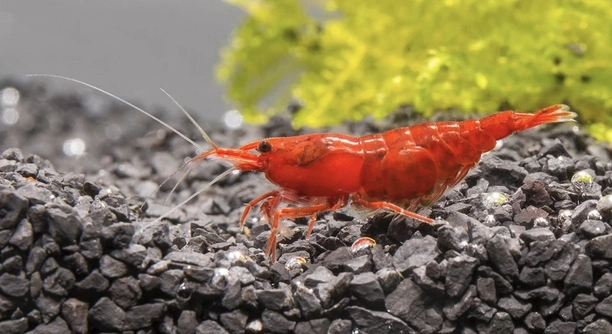
Cherry shrimp are delicate freshwater creatures that bring color and life to aquariums. Their small size and sensitive nature make them particularly susceptible to sudden changes in water conditions or tank environment.
Cherry shrimp can tolerate minor environmental fluctuations, but sudden and extreme changes in temperature, pH, or water chemistry can cause significant stress. Proper acclimation techniques are essential to maintain their health and prevent mortality in altered tank conditions.
Understanding these adjustments will help ensure your shrimp thrive. Maintaining stability and careful observation is key for their continued well-being.
Understanding Cherry Shrimp Sensitivity
Cherry shrimp are small but fragile creatures that respond quickly to changes in their environment. Even minor shifts in water temperature, pH, or hardness can cause stress, affecting their feeding habits, molting, and overall activity. Unlike larger fish, shrimp do not have the same resilience to sudden changes. Introducing new tank decorations, plants, or equipment without proper adjustment can shock them. Observing their behavior daily is important to catch early signs of stress. Signs may include hiding, reduced movement, or skipping meals. Water quality plays a central role in their health, so testing regularly for ammonia, nitrite, nitrate, and pH levels is crucial. Even small fluctuations can have noticeable effects on these tiny creatures. Proper acclimation, slow introductions, and maintaining a stable environment help shrimp adjust without unnecessary risk. By understanding their sensitivity, caretakers can create a balanced habitat that supports their well-being consistently.
Gradual adjustments are essential to avoid sudden shocks. Small, measured changes keep shrimp healthy and active.
Careful monitoring of water and tank conditions ensures that cherry shrimp remain vibrant. Stability encourages proper growth, frequent molting, and reproduction over time. Even minor mistakes can have long-lasting effects, so attentiveness and patience are necessary. By maintaining a consistent routine, you create a safe space where shrimp thrive, reducing stress and improving survival rates significantly. Observing their behavior and responding quickly to any signs of discomfort makes adaptation smoother. Over time, consistent care fosters a stable, healthy population, allowing these shrimp to display their natural colors and behaviors. Attention to detail is not just precautionary—it directly supports the health and longevity of every shrimp in the tank.
Preparing for Sudden Tank Changes
Before making changes, always check water parameters carefully. Even slight differences can affect shrimp.
When moving cherry shrimp to a new tank or after performing major water changes, careful acclimation is key. Start by matching the new water’s temperature, pH, and hardness to the existing tank. Introduce shrimp slowly, either by floating the transport bag in the new tank to equalize temperature or by gradually adding small amounts of new water to the bag over several hours. Avoid drastic lighting changes and maintain stable filtration during the process. Observing shrimp for signs of stress during and after the transition is important. Providing hiding places, such as moss or small plants, can reduce anxiety. Feeding lightly during stressful periods helps maintain energy without overloading the water with waste. Patience is critical; rushing the process increases the risk of stress-related illness or death. Proper preparation and slow, methodical adjustment ensure shrimp can tolerate tank changes safely, preserving both their health and vibrant coloration.
Gradual Acclimation Techniques
Slow introduction prevents shock. Use drip methods or float bags to help shrimp adjust without sudden stress.
Start by adding small amounts of the new tank water into the transport container every 15–20 minutes. This helps shrimp adjust to differences in pH, hardness, and temperature. Avoid dumping them directly into the new tank, as rapid changes can lead to immediate stress or even death. Keep the tank quiet, dim the lights, and provide hiding spots. Observing their behavior during this period is essential; shrimp that start to hide excessively or show erratic movements may need extra time before full transfer.
Temperature and water chemistry are the most critical factors during acclimation. Even if the new tank looks clean and healthy, unbalanced parameters can trigger stress responses. Carefully measuring these conditions and introducing shrimp gradually supports healthy molting and feeding. It also reduces the risk of disease, as stressed shrimp are more vulnerable. Patience and careful attention during acclimation ensure they adapt safely and thrive long-term in the new environment.
Maintaining Water Stability
Stable water is key. Monitor temperature, pH, and ammonia levels daily to prevent sudden stress.
Sudden fluctuations in water quality are one of the main causes of shrimp stress. Even slight spikes in ammonia or changes in pH can affect their immune system, feeding, and molting cycles. Using reliable test kits to track these parameters daily helps prevent unnoticed issues. Consistent water temperature is also crucial, as sudden drops or rises can shock shrimp. Performing small, regular water changes rather than large, infrequent ones keeps parameters stable. Filtration should run steadily but not create strong currents that stress shrimp. Maintaining stability in all aspects of water chemistry promotes growth, reproduction, and natural behavior. Over time, consistent attention to water quality builds a safe and supportive environment where shrimp can thrive.
Signs of Stress in Cherry Shrimp
Shrimp that hide constantly or stop eating may be stressed. Molting issues can also indicate discomfort.
Color fading or lethargy often shows that water conditions are not ideal. Quick action can prevent serious health problems.
Adjusting Feeding During Changes
During tank changes, reduce feeding slightly. Overfeeding adds waste and worsens water quality. Keep meals small and monitor shrimp activity. This helps them adapt without added stress and prevents water chemistry from fluctuating further.
Importance of Hiding Spots
Hiding places reduce stress. Moss, plants, or small decorations allow shrimp to feel safe during sudden changes. Regular access to cover helps them stay calm, encourages normal behavior, and supports successful molting. Providing multiple spots ensures all shrimp can find shelter without competition.
Avoiding Rapid Water Parameter Swings
Prevent large water parameter swings. Test new water carefully before adding it to the tank. This step reduces shock and helps shrimp maintain stability.
FAQ
Can cherry shrimp survive sudden tank changes?
Cherry shrimp are sensitive to sudden changes in temperature, pH, or water chemistry. While minor fluctuations may be tolerated, rapid or extreme shifts can cause stress, illness, or even death. Proper acclimation is necessary to help them adjust safely to new conditions. Gradual introductions and careful observation are key.
How long should I acclimate cherry shrimp?
Acclimation should take at least one to two hours for small tank changes, and longer if water parameters differ significantly. Use a drip method or gradually mix new water into the transport container. Rushing this process increases the risk of stress and mortality.
What are the signs of stress in cherry shrimp?
Shrimp under stress may hide constantly, stop eating, display faded colors, or show irregular movement. Molting problems are also common. Early recognition of these signs allows quick intervention to prevent further health issues.
Should I change all the water at once during tank adjustments?
Large water changes can shock shrimp. It’s better to perform smaller, frequent water changes while carefully monitoring temperature, pH, and hardness. Gradual water replacement helps maintain stable conditions and reduces stress.
Can lighting affect cherry shrimp during tank changes?
Yes. Sudden bright lights can increase stress levels. During acclimation or environmental changes, dimming the lights or providing shaded areas helps shrimp feel secure and encourages normal behavior.
Do hiding spots help during tank changes?
Absolutely. Providing moss, plants, or small decorations allows shrimp to take cover when stressed. Multiple hiding areas prevent overcrowding and ensure all shrimp can find shelter, reducing competition and promoting calm behavior.
Is feeding affected by sudden tank changes?
Stress from sudden changes may reduce appetite. Feeding lightly during these periods helps maintain energy without overloading the water with waste, which could worsen water quality. Avoid overfeeding and observe their eating habits carefully.
Can water additives help shrimp adapt faster?
Water conditioners that remove chlorine or balance pH can support safer transitions. However, they cannot replace proper acclimation. Use these products cautiously and always follow recommended dosages to avoid overcorrecting water conditions.
How often should I test water during changes?
Daily testing is ideal when making tank adjustments. Track ammonia, nitrite, nitrate, pH, and temperature to detect early signs of instability. Early action helps prevent stress, health issues, and potential mortality.
Can cherry shrimp recover from stress caused by sudden changes?
Recovery is possible if conditions are stabilized quickly. Provide consistent water parameters, hiding spots, and proper nutrition. Monitoring shrimp behavior during recovery ensures they return to normal activity, feeding patterns, and coloration. Stress that continues unchecked can lead to long-term health problems.
Is gradual tank temperature adjustment necessary?
Yes. Sudden temperature swings are one of the most common stress factors. Introduce changes slowly, either by floating the transport bag in the new tank or gradually adjusting heater settings. Maintaining a steady temperature supports proper molting and reduces stress-related illnesses.
What should I avoid during tank changes?
Avoid rapid water swaps, strong lighting, overfeeding, and overcrowding. Do not introduce untested water or decorations abruptly. Sudden changes in any environmental factor can overwhelm shrimp and trigger stress responses. Maintaining calm, consistent conditions is critical.
How do I know if my shrimp are adapting well?
Shrimp that move normally, eat regularly, molt successfully, and maintain bright coloration are adapting well. Monitoring daily for behavior changes or hiding patterns helps confirm that they are coping with the new conditions.
Are some cherry shrimp more resilient than others?
Yes, younger or more acclimated shrimp may tolerate changes slightly better, but all are sensitive to rapid environmental shifts. Providing stability, slow acclimation, and hiding spaces benefits every shrimp equally, regardless of age or prior experience.
Can I prevent stress completely?
While complete prevention is difficult, careful planning, gradual acclimation, stable water conditions, and proper care minimize stress. Observing shrimp closely during transitions ensures they remain healthy and adapt safely to changes.
How long does it take for shrimp to fully adapt?
Adaptation can take several hours to a few days depending on the severity of the change. Providing stable conditions, appropriate feeding, and quiet surroundings accelerates recovery and promotes normal behavior, coloration, and molting cycles.
Is water hardness important during changes?
Yes. Drastic changes in water hardness can disrupt molting and general health. Gradually adjusting hardness and monitoring calcium and magnesium levels supports shrimp during transitions and maintains overall vitality.
Can shrimp die from sudden pH changes?
Yes, pH swings are highly stressful and can be fatal. Testing water before introducing shrimp and making incremental adjustments protects their health and prevents sudden shock.
Are tank mates a factor during changes?
Yes, aggressive or large fish can stress shrimp, especially during environmental shifts. Providing hiding spots and minimizing disturbances from tank mates helps maintain safety and reduces stress-related health issues.
Does temperature alone determine survival during changes?
Temperature is critical, but it must be considered alongside pH, hardness, ammonia, nitrite, and nitrate levels. Balanced conditions across all parameters are necessary for shrimp to survive and thrive during tank changes.
How can I make future changes easier for my shrimp?
Consistent maintenance, gradual acclimation methods, and careful monitoring build resilience over time. Shrimp adapt better to minor adjustments when they regularly experience stable, predictable conditions. This reduces stress in future transitions and supports long-term health.
Are cherry shrimp more sensitive than other shrimp species?
Generally, yes. Their small size and delicate nature make them particularly vulnerable to sudden changes. Providing careful acclimation and stable water parameters is more crucial for cherry shrimp than for hardier shrimp species.
Is observation enough to prevent problems?
Observation is essential but must be combined with regular water testing and proactive adjustments. Noticing early signs of stress allows intervention before serious health issues occur, ensuring shrimp continue to thrive.
How important is patience during tank changes?
Patience is one of the most important factors. Rushing acclimation or environmental adjustments increases stress, risks illness, and can result in death. Slow, measured steps safeguard shrimp and help them adapt successfully.
Do hiding spots and stable water fully eliminate stress?
They significantly reduce stress but cannot fully eliminate it. Even with hiding spots and stable water, sudden extreme changes are harmful. Gradual adjustments, careful monitoring, and proper feeding work together to minimize negative effects.
Can I use automated systems for acclimation?
Automated drip systems or timers for slow water introduction can assist acclimation. However, manual monitoring is still necessary to ensure parameters are correct and shrimp are responding well to the changes.
What role does diet play during adaptation?
A balanced diet supports energy levels and molting during stressful periods. Light feeding prevents water quality issues while providing nutrition necessary for recovery and adaptation. Avoid sudden changes in diet that may add additional stress.
Are juvenile shrimp more vulnerable than adults?
Yes, juveniles are often less resilient to environmental changes. Extra care, slower acclimation, and more hiding spaces are essential to ensure their survival during tank adjustments.
Can stress affect reproduction?
Stress from sudden changes can halt breeding, affect egg development, or cause shrimp to lose coloration. Maintaining stable conditions ensures reproductive cycles continue normally and supports the long-term health of the colony.
How do I minimize risk during maintenance or cleaning?
Perform maintenance gradually, keep water parameters stable, and provide hiding spots. Avoid overhandling shrimp, abrupt water changes, or strong currents, as these actions can increase stress and lead to health issues.
Are all cherry shrimp equally sensitive to changes?
Sensitivity varies slightly by individual and age, but all shrimp benefit from careful acclimation, stable water parameters, and consistent observation. No shrimp should be exposed to sudden or extreme changes without precautions.
How can I tell if my shrimp are thriving after changes?
Active swimming, normal feeding, successful molting, bright coloration, and minimal hiding indicate good adaptation. Continued observation ensures long-term health and signals when minor adjustments may be necessary.
Is it okay to mix water from old and new tanks?
Yes, gradually mixing small amounts of new water into the old tank helps shrimp adjust to different parameters slowly. Avoid large, sudden mixes to prevent stress or shock.
How critical is ammonia control during transitions?
Ammonia spikes are highly dangerous and can kill shrimp quickly. Testing and maintaining near-zero ammonia levels is essential during tank changes, especially when introducing new water or performing maintenance.
Can stress cause permanent damage?
Prolonged or severe stress can affect molting, reproduction, and immune function. Prompt stabilization of conditions helps prevent long-term health problems and ensures shrimp recover fully.
Does tank size affect adaptation?
Larger tanks buffer environmental changes more effectively, reducing stress. Smaller tanks are more prone to rapid fluctuations in temperature, pH, and waste buildup, making careful acclimation even more critical.
How important is water movement during transitions?
Moderate, consistent water movement supports oxygenation without creating strong currents. Excessive flow can stress shrimp, while stagnant water can lead to oxygen depletion. Balance is necessary for safe adaptation.
Can cherry shrimp detect sudden changes immediately?
Yes, shrimp respond almost instantly to abrupt shifts in temperature, pH, or hardness. Immediate reactions often include hiding, reduced movement, or color fading, signaling that conditions need adjustment.
What is the safest way to introduce new shrimp into an established tank?
Use slow acclimation, monitor water parameters closely, provide hiding spots, and introduce them gradually over one to two hours. Avoid abrupt transfers to ensure minimal stress.
How do I balance multiple parameters at once?
Measure temperature, pH, hardness, ammonia, nitrite, and nitrate before introducing shrimp. Make gradual, coordinated adjustments to avoid overwhelming them with multiple sudden changes. Consistency across all parameters is critical.
Can stress make shrimp more prone to disease?
Yes, stressed shrimp have weaker immune systems, making them more susceptible to bacterial, fungal, or parasitic infections. Maintaining stability and reducing stress supports overall health.
How long should I observe shrimp after changes?
Observation for several hours to a few days is necessary, depending on the severity of changes. Watch for feeding behavior, movement, hiding patterns, and color. Quick intervention prevents long-term issues.
Are small water additions safer than large ones?
Yes, gradual water additions allow shrimp to adapt without shock. Incremental changes maintain stable chemistry, reducing stress and supporting normal behavior during transitions.
Do plants help stabilize water conditions?
Live plants absorb nitrates, provide hiding spots, and can buffer small pH changes. Including plants during tank changes creates a more forgiving environment and reduces stress for shrimp.
How can I make future tank changes easier?
Keep water parameters stable, acclimate shrimp slowly, maintain hiding spots, and monitor behavior closely. Regular attention and gradual adjustments build resilience over time.
Is there a risk if I skip acclimation?
Skipping acclimation greatly increases the risk of stress, illness, and death. Even minor differences in water chemistry or temperature can be fatal. Gradual adaptation is essential for survival.
Can stress affect molting cycles?
Yes, stress can delay or disrupt molting. Shrimp may fail to shed exoskeletons properly, leading to injury or death. Stable conditions and hiding spots support normal molting.
Are older shrimp more resilient than juveniles?
Generally, yes. Older shrimp can tolerate minor fluctuations better, but they still require careful acclimation. Stability and hiding spots remain essential for all ages.
Can sudden light changes cause stress?
Yes, abrupt lighting changes can startle shrimp, causing hiding or erratic movement. Dimmed or gradual lighting during transitions helps them adjust calmly.
How do I know when acclimation is complete?
Shrimp that actively swim, eat, molt, and display vibrant colors indicate successful acclimation. Continued observation ensures they maintain these behaviors over time.
Are there tools to monitor shrimp stress?
Behavioral observation is the most reliable tool. Watch movement, feeding, hiding, and coloration. Combined with regular water testing, this approach helps detect early stress.
Do all shrimp react the same way to water changes?
No, individual shrimp may react differently. Providing hiding spots and gradual acclimation accommodates variation, ensuring each shrimp can adjust safely.
Is patience more important than speed?
Yes. Rushing acclimation or changes increases risk. Slow, careful adjustments prevent stress, support molting, and reduce the chance of illness or death.
Can I combine multiple acclimation techniques?
Yes, combining drip methods, gradual water mixing, dim lighting, and hiding spots provides the safest, least stressful adaptation for cherry shrimp.
How do I recover stressed shrimp quickly?
Stabilize water parameters, provide hiding spots, feed lightly, and observe behavior closely. Prompt action reduces health risks and supports normal activity.
Are some water parameters more critical than others?
Temperature, pH, and ammonia levels are particularly critical, but all parameters should remain stable. Ignoring any factor can create stress or health problems.
Can I use quarantine tanks for new shrimp?
Quarantine tanks allow gradual acclimation and observation for signs of stress or disease before introducing shrimp to the main tank. This approach minimizes risk.
How important is consistency in routine care?
Consistency reduces stress by providing predictable conditions. Regular feeding, water testing, and maintenance create a stable environment where shrimp can thrive.
Do cherry shrimp need time to adapt after every maintenance session?
Yes, even minor maintenance can temporarily affect water conditions. Gradual adjustments, hiding spots, and observation help them adapt safely.
Can stress from changes affect shrimp lifespan?
Chronic or severe stress can shorten lifespan by weakening the immune system and causing repeated molting problems. Stable conditions help preserve health and longevity.
Is observation more effective than testing alone?
Observation complements testing. Watching behavior, movement, and feeding patterns allows early detection of stress that water tests alone might not reveal.
Do hiding spots and stable water prevent all stress?
They minimize stress but cannot eliminate it entirely. Gradual acclimation, monitoring, and careful adjustments are also necessary.
How can I create a low-stress environment long-term?
Maintain stable water parameters, provide consistent feeding, offer hiding spots, monitor behavior, and perform gradual maintenance. Patience and routine care keep shrimp healthy.
Are cherry shrimp suitable for tanks with frequent changes?
They can adapt if changes are gradual, parameters are stable, and hiding spots are available. Frequent abrupt changes are unsafe.
Can water conditioners alone protect shrimp?
Conditioners help remove toxins or balance minor differences, but they cannot replace proper acclimation. Careful, slow adjustment is essential.
How do I handle shrimp safely during tank transfers?
Minimize handling, use nets or containers gently, and maintain stable water conditions. Avoid sudden temperature or water chemistry shifts.
Does stress affect shrimp social behavior?
Yes, stressed shrimp may hide more, reduce interactions, or display erratic movements. Stable conditions promote normal social activity.
Can extreme stress be reversed?
Yes, if water parameters are stabilized, hiding spots are provided, and proper feeding resumes. Prompt intervention increases recovery chances.
Are all cherry shrimp equally sensitive to pH changes?
Sensitivity varies slightly by individual and age, but all shrimp are vulnerable to sudden pH shifts. Gradual adjustments are necessary for safety.
Is molting frequency affected by tank changes?
Stress can delay or disrupt molting. Providing stable conditions, hiding spots, and proper nutrition supports regular molting cycles.
Can stress cause permanent color loss?
Prolonged stress may fade coloration temporarily. Recovery is possible once conditions stabilize, allowing shrimp to regain natural vibrancy.
How important is monitoring after every major tank change?
Critical. Continuous observation allows quick response to stress, preventing illness or mortality. It ensures shrimp adapt safely to new conditions.
Can I speed up adaptation without stressing shrimp?
No. Rapid adaptation increases risk. Slow, gradual acclimation combined with stable water, hiding spots, and careful monitoring is safest.
Are certain water changes safer than others?
Yes, small, incremental water additions are safest. Avoid large, sudden swaps that can shock shrimp and destabilize chemistry.
Do shrimp benefit from plants during stress periods?
Yes, plants provide hiding spots, help stabilize water parameters, and reduce stress during environmental changes.
Can juvenile shrimp survive sudden changes better than adults?
No, juveniles are usually more vulnerable. Extra care, slower acclimation, and hiding spots are necessary for their survival.
Is stress recovery faster in larger tanks?
Larger tanks buffer parameter changes, reducing stress and allowing shrimp to adapt more easily than in smaller, rapidly fluctuating environments.
Can automated acclimation systems fully replace manual observation?
No, automation helps but cannot detect behavior changes or stress signs. Manual observation remains essential for safe adaptation.
Does substrate type affect adaptation?
Yes, natural substrates buffer water parameters and provide hiding spaces, helping shrimp feel secure during changes.
Can shrimp survive without hiding spots during changes?
Survival is possible but stress levels increase. Hiding spots reduce anxiety and support normal behavior, molting, and feeding.
Is it better to adjust one water parameter at a time?
Yes, gradual adjustments of temperature, pH, or hardness individually reduce stress. Multiple simultaneous changes increase risk.
How important is aeration during changes?
Proper oxygenation supports shrimp metabolism and reduces stress. Ensure moderate water flow without creating strong currents.
Can shrimp adapt faster in community tanks?
Community tanks may increase stress due to activity or tank mates. Slow acclimation and hiding spots are essential in these setups.
Does stress affect longevity?
Yes, chronic stress weakens the immune system, slows molting, and can shorten lifespan. Stable conditions promote long-term health.
Can I use quarantine tanks for every change?
For major water or tank changes, a quarantine tank can help gradually acclimate shrimp and observe stress or illness before introducing them to the main tank.
Are there signs of irreversible stress?
Persistent lethargy, refusal to eat, molting failure, or fading coloration indicate severe stress. Immediate action is required to prevent permanent damage or death.
Does feeding type affect adaptation?
Light, consistent feeding helps maintain energy without worsening water quality. Sudden diet changes can increase stress and should be avoided.
Can multiple small stresses combine into major stress?
Yes, small changes in temperature, water chemistry, or lighting can accumulate, overwhelming shrimp and leading to illness or mortality. Gradual management of all factors is crucial.
Do hiding spots reduce cumulative stress?
Yes, providing multiple safe spaces allows shrimp to cope with multiple minor stresses at once, promoting calmer behavior and healthier adaptation.
How can I maintain low stress long-term?
Stable water parameters, gradual changes, consistent feeding, hiding spots, and careful observation minimize stress and ensure healthy shrimp behavior and growth.
Is observation alone enough for long-term health?
Observation helps detect stress early, but
Cherry shrimp are delicate creatures that require careful attention when changes occur in their tank environment. Sudden shifts in temperature, pH, hardness, or water chemistry can cause stress that affects their behavior, feeding, and overall health. Even small changes that may seem harmless can lead to hiding, reduced movement, or molting problems if shrimp are not given time to adjust. Observing their behavior regularly is essential for early detection of stress, as shrimp often show subtle signs that indicate discomfort. By monitoring water quality and daily shrimp activity, caretakers can identify issues before they become serious. Stability in the tank environment is one of the most important factors in maintaining healthy shrimp. Consistent water parameters, reliable filtration, and careful attention to feeding routines all contribute to a safe habitat where shrimp can thrive. Creating a steady and predictable environment helps prevent unnecessary stress and promotes normal growth, coloration, and molting.
Acclimation techniques play a key role in helping shrimp adapt to changes. Gradual introductions using drip methods or slow water mixing allow shrimp to adjust to differences in temperature, pH, and hardness without experiencing sudden shock. Even minor adjustments, such as floating a transport bag in the new tank to equalize temperature or slowly adding new water over time, can make a significant difference in how well shrimp cope with environmental changes. Providing hiding spots, such as moss, small plants, or decorations, helps shrimp feel secure during stressful periods. These safe spaces reduce anxiety, encourage normal behavior, and support proper molting cycles. Feeding lightly during transitions is also beneficial, as it provides energy without overloading the water with waste. Consistent observation during acclimation ensures that any signs of stress, such as hiding, fading coloration, or reduced activity, are noticed and addressed quickly. By combining careful acclimation, stable conditions, and thoughtful care, shrimp are given the best chance to adapt safely and maintain their health.
Long-term care focuses on maintaining stability and minimizing stress through consistent monitoring and maintenance. Regular water testing for parameters such as ammonia, nitrite, nitrate, temperature, pH, and hardness ensures that changes are gradual and safe. Small, frequent water changes are more effective than large, abrupt ones, as they maintain stability while removing accumulated waste. Providing plants and decorations not only offers hiding spots but also helps buffer minor fluctuations in water chemistry, supporting shrimp health. Over time, patience and routine care build resilience, allowing shrimp to tolerate minor environmental variations without serious consequences. Observation combined with consistent maintenance allows caretakers to respond quickly to any issues and maintain a healthy, thriving population. Focusing on these key practices ensures that cherry shrimp can adapt successfully to changes while continuing to grow, molt, and display their natural colors. By prioritizing stability, careful acclimation, and attentive observation, the overall well-being and longevity of the shrimp are supported, creating a balanced and secure tank environment where they can flourish.

Hello,
If you enjoy the content that we create, please consider saying a "Thank You!" by leaving a tip.
Every little bit helps us continue crafting quality advice that supports the health, happiness, and well-being of pets around the world, for pets of all shapes, sizes, and species.
We really appreciate the kindness and support that you show us!