
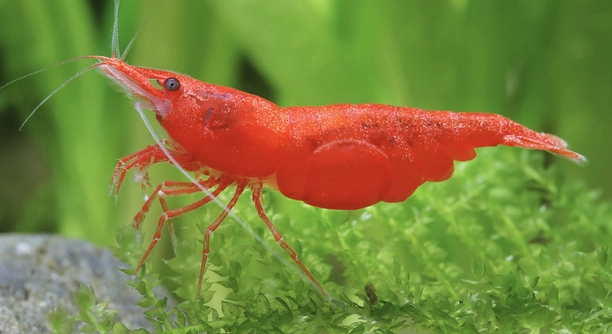
Have you ever watched your cherry shrimp move around the tank and wondered if they notice changes in their water before it actually happens? These tiny creatures may react in subtle ways that hint at their awareness.
Cherry shrimp can sense upcoming water changes through chemical and environmental cues. They respond to shifts in pH, temperature, and dissolved minerals, allowing them to adjust behavior and feeding patterns. Observations indicate these responses are consistent across healthy shrimp populations.
Observing these behaviors can help you better maintain a stable environment for your shrimp and improve their overall well-being.
How Cherry Shrimp Detect Water Changes
Cherry shrimp are very sensitive to their environment. They rely heavily on chemical signals in the water, which alert them to shifts in pH, hardness, or ammonia levels. Even small fluctuations can trigger visible changes in behavior, such as hiding more often, slowing their movement, or grazing differently on algae. Temperature changes are also noticeable to them, and sudden drops or rises can make them cluster in warmer or cooler areas of the tank. Observing these reactions over time helps you understand their comfort levels and detect potential problems before they become serious. Shrimp also use sensory hairs on their bodies to pick up vibrations and slight chemical shifts, giving them an early warning system that keeps them safer in their aquatic environment. Consistently monitoring water parameters allows you to see patterns in how your shrimp respond, making maintenance more predictable.
These responses are natural and instinctive, not learned behaviors.
Regular observation is key to maintaining a healthy shrimp tank. By noting subtle changes in swimming or feeding patterns, you can adjust water conditions promptly, ensuring your shrimp remain active and healthy.
Signs of Stress Before Water Changes
Shrimp often hide when sensing upcoming water changes.
Stress in cherry shrimp shows through several behaviors. They may cling to plants, spend long periods motionless, or avoid open areas. Some shrimp stop eating temporarily or molt less frequently. Changes in color intensity, such as duller or faded tones, can indicate stress from subtle chemical shifts. By recognizing these signs, you can take action before water changes create harmful conditions. Stress responses are usually short-term if water parameters are corrected quickly. Paying attention to their movement patterns and interactions within the tank helps you predict water changes and manage their environment more effectively. Consistent tank maintenance and monitoring prevent prolonged stress, which could otherwise affect their health, reproduction, and lifespan. Recording behaviors over time provides insight into how your shrimp react to specific changes, helping you refine feeding and cleaning schedules. Understanding these stress indicators allows you to respond proactively, keeping your shrimp comfortable and thriving in their tank environment.
Preparing Your Tank for Water Changes
Keeping water stable is important for shrimp health. Regular partial changes help remove toxins and maintain balanced parameters, reducing stress.
Before changing water, check pH, temperature, and hardness to match the tank. Sudden shifts can shock shrimp. Adding new water slowly and gently prevents abrupt changes that could trigger hiding or reduced activity. Using a dechlorinator and allowing water to settle for a few hours helps avoid chemical stress. Observing shrimp behavior during this process shows how sensitive they are to even minor adjustments, making careful preparation essential.
Filtration and aeration support stable conditions. A well-maintained filter keeps debris down, and gentle bubbles improve oxygenation without stressing shrimp. Combining careful preparation with proper equipment reduces behavioral stress, encourages feeding, and promotes regular molting, which is a sign of healthy shrimp. Consistency is key, as shrimp respond to predictable routines, and sudden variations in water chemistry are the main triggers for unusual behaviors.
Observing Shrimp Behavior During Changes
Shrimp may cluster or pause swimming before water changes.
During water changes, they often reduce movement or hide in plants and decorations. Monitoring these responses shows their sensitivity to chemical and temperature shifts. Some shrimp may graze less, while others explore cautiously. Observing molting patterns and color changes can also indicate stress levels. Tracking these behaviors over time helps identify safe water change routines that minimize disruption.
Slow, partial water changes are best. Abrupt alterations in water chemistry can lead to stress, reduced feeding, or increased hiding. By gradually introducing fresh water, you maintain stability, allowing shrimp to adjust naturally. Observation during this time gives insight into each shrimp’s reaction, helping fine-tune water change schedules and methods. Ensuring parameters match between new and tank water, using dechlorinated water, and controlling temperature differences are practical steps that protect delicate shrimp. Maintaining consistency reduces long-term stress, supports healthy activity, and encourages regular feeding and growth patterns across all shrimp in the tank.
Timing Water Changes
Shrimp respond better to predictable schedules. Regular partial water changes reduce sudden chemical shifts and keep their environment stable.
Changing water at the same time each week helps shrimp adjust naturally. Avoid skipping or overdoing changes, as inconsistency can trigger stress and hiding behaviors, affecting feeding and activity.
Gradual Water Replacement
Slowly replacing water prevents sudden shocks. Adding small amounts over time allows shrimp to acclimate and reduces stress. Consistent monitoring ensures temperature, pH, and hardness remain stable during the process. Using a gentle flow and avoiding strong currents helps maintain comfort, allowing shrimp to remain active and healthy.
Feeding During Changes
Shrimp may eat less before or during water changes.
Providing small, frequent meals helps reduce stress. Overfeeding should be avoided, as leftover food can alter water parameters and increase ammonia, which stresses shrimp further.
FAQ
Can cherry shrimp sense water parameter changes immediately?
Yes, cherry shrimp can detect changes in water parameters almost instantly. They rely on sensitive chemoreceptors to notice shifts in pH, hardness, ammonia, and other chemical levels. Even small fluctuations can alter their behavior, such as hiding, reduced movement, or grazing differently. Observing these reactions over time helps you understand their comfort levels.
How do cherry shrimp show stress before a water change?
Shrimp often hide in plants, stay motionless for long periods, or avoid open areas when stressed. Color changes, like dull or faded tones, may occur. Some shrimp may reduce feeding or molt less frequently. Monitoring these signs lets you act early to prevent prolonged stress, keeping shrimp healthier.
What is the safest way to change water for cherry shrimp?
The safest approach is slow, partial water changes. Matching temperature, pH, and hardness between new and tank water prevents shock. Gradually adding fresh water over several minutes allows shrimp to acclimate. Using a dechlorinator and ensuring gentle flow avoids stress, keeping shrimp active and healthy.
Can sudden water changes harm cherry shrimp?
Yes, sudden changes in temperature or chemical composition can stress shrimp, reduce feeding, and trigger hiding. Abrupt alterations may affect molting and overall health. Consistent, gradual water changes minimize these risks and help maintain stable tank conditions.
How often should water be changed in a shrimp tank?
Partial water changes once a week are usually sufficient. This helps remove waste and maintain balanced parameters. Avoid skipping changes or overdoing them, as inconsistency can cause stress and unhealthy water conditions, affecting shrimp behavior and activity levels.
Do shrimp react differently to temperature changes versus chemical changes?
Yes, temperature changes often trigger clustering in warmer or cooler areas, while chemical shifts usually lead to hiding, slower movement, or reduced feeding. Both types of changes are noticeable to shrimp, and observing their behavior provides insight into environmental comfort.
What should I feed my shrimp during water changes?
Small, frequent meals are best. Overfeeding should be avoided because leftover food can increase ammonia and stress shrimp. Feeding lightly during water changes keeps shrimp comfortable and active while reducing potential water quality issues.
Can observing shrimp behavior help prevent water problems?
Absolutely. Shrimp behavior acts as an early warning system. Noticing increased hiding, slowed movement, or reduced feeding can alert you to subtle changes in water chemistry before they become harmful. Consistent observation improves care and keeps the tank stable.
Do all cherry shrimp react the same way to water changes?
Individual shrimp may react slightly differently, but the general patterns—hiding, reduced feeding, and slower movement—are consistent across healthy populations. Observing multiple shrimp together provides a clearer picture of environmental comfort and water stability.
How long does it take shrimp to adjust after a water change?
Adjustment depends on the magnitude of the change. Gradual, partial water changes may take only a few hours for shrimp to resume normal activity. Sudden or large changes may require a day or more for shrimp to fully acclimate and return to regular feeding and movement patterns.
Are there signs to know if water changes are too stressful?
Yes. Continuous hiding, refusal to eat, frantic swimming, or prolonged inactivity indicate excessive stress. If these behaviors persist, it’s a signal to reassess water change methods, ensure proper parameter matching, and slow the process to prevent health issues.
Do shrimp sense water changes through smell or touch?
Primarily through chemical cues in the water, but sensory hairs on their bodies also detect slight vibrations and environmental shifts. This combination allows shrimp to sense and respond to subtle changes before they become harmful.
Can regular observation replace frequent testing of water parameters?
Observation helps detect stress early but does not replace testing. Regular testing of pH, ammonia, nitrites, and hardness ensures water remains safe, while behavioral observation provides additional context on shrimp comfort and overall tank health.
Is it normal for shrimp to hide after a partial water change?
Yes, temporary hiding is a natural response. Shrimp may pause movement or retreat to plants while acclimating. If hiding persists beyond a few hours or is accompanied by other stress signs, it may indicate larger water parameter issues that need addressing.
How does molting relate to water changes?
Shrimp molt more successfully in stable conditions. Stressful or sudden water changes can delay molting or cause incomplete molts. Observing molting frequency alongside behavior helps assess whether water change routines are suitable and safe for the shrimp.
What equipment helps minimize stress during water changes?
Using a gentle flow filter, dechlorinator, and accurate thermometer ensures smooth transitions. Slow water addition, matched parameters, and proper aeration reduce shocks, keeping shrimp healthy and active. These simple tools make routine maintenance easier and less stressful.
Do younger shrimp react differently than adults to water changes?
Juvenile shrimp are often more sensitive to changes, showing hiding or reduced feeding more quickly. Adults are slightly more tolerant but still respond to abrupt shifts. Gradual water changes are important for all life stages to ensure healthy growth and survival.
How long should water sit after treatment before adding to the tank?
Treated water should sit for at least a few hours to reach tank temperature and allow dechlorinator to neutralize chemicals. This step prevents stress and helps shrimp acclimate to the new water without sudden shocks.
Can light levels affect shrimp behavior during water changes?
Yes, bright lights can increase hiding during water changes. Dim lighting or covering the tank temporarily reduces stress and encourages shrimp to remain more active while the environment adjusts.
What’s the best way to monitor shrimp during water changes?
Watch their movement, feeding patterns, and interactions with plants. Note color changes and hiding frequency. Keeping a log over time helps identify trends, refine water change routines, and maintain a stable, comfortable environment for all shrimp in the tank.
Cherry shrimp are fascinating little creatures that are more sensitive to their environment than many people realize. Even tiny changes in water chemistry or temperature can influence their behavior. Observing them closely can reveal a lot about how comfortable they are in their tank. When shrimp start hiding, slow down, or stop eating, it is often a sign that something in their environment is different. By paying attention to these subtle signals, you can make adjustments to water conditions before problems become serious. Regular monitoring and gentle care help keep shrimp healthy, active, and less stressed. Over time, noticing patterns in their behavior makes it easier to predict how they will react to future water changes.
Maintaining stable water conditions is one of the most important parts of keeping cherry shrimp. Using gradual, partial water changes rather than full, sudden swaps reduces stress and helps shrimp acclimate more easily. Matching parameters such as temperature, pH, and hardness between new and existing water is essential. Even small mismatches can cause hiding, slower movement, or feeding reduction. Tools like thermometers, dechlorinators, and gentle filters help create a more predictable environment. Consistency is key. Shrimp respond well to routine, and following a careful schedule for water changes ensures that their tank stays balanced. Proper feeding and maintaining clean water work together to support growth, molting, and overall activity.
Watching cherry shrimp and learning from their reactions can make shrimp keeping more successful and rewarding. Each shrimp may react slightly differently, but the common behaviors—hiding, pausing, or subtle color changes—provide clues about the tank’s stability. Observing them over weeks or months helps you refine care practices and anticipate their needs. Stress is easier to prevent than reverse, so early attention to water quality and gradual adjustments are always better. By keeping a close eye on behavior and maintaining stable conditions, you can create an environment where your shrimp thrive. Healthy, well-adjusted shrimp are more active, feed regularly, and reproduce more successfully, making the aquarium more lively and enjoyable.

Hello,
If you enjoy the content that we create, please consider saying a "Thank You!" by leaving a tip.
Every little bit helps us continue crafting quality advice that supports the health, happiness, and well-being of pets around the world, for pets of all shapes, sizes, and species.
We really appreciate the kindness and support that you show us!