
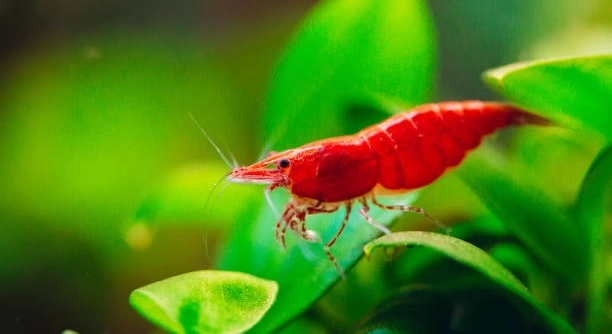
Cherry shrimp are small, vibrant creatures that can brighten any aquarium. They are fascinating to watch, yet sometimes their breeding habits can be puzzling. Many shrimp owners notice that these tiny animals avoid breeding huts unexpectedly.
Cherry shrimp often avoid breeding huts due to environmental stressors, improper water parameters, limited hiding spaces, inadequate food supply, aggressive tank mates, lack of molting areas, or unsuitable hut placement. Addressing these factors ensures a healthier, more productive breeding environment.
Understanding these behaviors can improve your aquarium setup and support your shrimp’s natural reproduction patterns effectively. Observing their preferences helps maintain a thriving aquatic community.
Water Parameters Are Not Ideal
Cherry shrimp are sensitive to changes in water conditions. If the temperature, pH, or hardness is off, they may avoid breeding huts entirely. Even small fluctuations can make them hesitant to settle in a specific area. Maintaining stable parameters helps shrimp feel secure. It’s important to monitor ammonia, nitrite, and nitrate levels as well. Excessive levels can stress the shrimp, making them less likely to use breeding huts. Regular water testing and partial water changes are key. Shrimp also prefer slightly acidic to neutral pH and temperatures around 72-78°F. When these conditions are met, their activity and breeding readiness improve. Overcrowded tanks or improper filtration can worsen stress. Providing a calm environment encourages natural behaviors. Observing shrimp behavior in response to water changes gives insight into their comfort level and helps prevent long-term health issues. Consistency in water quality is crucial for breeding success.
Proper water care ensures shrimp are comfortable, healthy, and more willing to explore breeding huts.
Monitoring parameters carefully reduces stress and encourages natural breeding behavior, creating a stable environment for shrimp growth and reproduction.
Limited Hiding Spaces
Shrimp need places to hide, especially during molting and breeding. Without sufficient cover, they may avoid huts completely. Plants, moss, and decorations provide shelter and reduce stress.
Providing more hiding areas helps shrimp feel safe and encourages them to use breeding huts.
When there are enough secure spots, female shrimp can retreat during vulnerable stages. Lack of cover leads to avoidance of exposed areas like breeding huts. Including dense moss, leaf litter, or small ceramic structures creates a sense of security. Hiding spaces also reduce conflicts with other tank mates, lowering stress and promoting natural behavior. Over time, this encourages more frequent use of breeding huts. Observing where shrimp spend most of their time can guide adjustments to the tank layout. Strategically placing huts near safe zones increases their usage. Shrimp respond positively to environments where they feel protected, making breeding huts more effective. Ensuring adequate shelter not only supports reproduction but also overall health and longevity. Simple adjustments to hiding spaces often lead to noticeable improvements in shrimp comfort and activity.
Inadequate Food Supply
Without a consistent and nutritious food source, cherry shrimp may ignore breeding huts. Limited feeding or low-quality food reduces energy and interest in reproductive activity.
Shrimp require a balanced diet rich in protein and plant matter to stay healthy. If food is scarce or lacks nutrients, females may not develop eggs properly, and males may show reduced mating behavior. Providing algae wafers, blanched vegetables, and specialized shrimp pellets ensures they receive essential vitamins and minerals. Regular, moderate feeding keeps shrimp active and encourages natural behaviors, including exploring breeding huts. Observing how they respond to feeding can indicate overall health and readiness to breed. Avoid overfeeding, as leftover food can harm water quality and reduce shrimp activity.
Ensuring shrimp have access to varied and sufficient food supports reproduction and encourages them to use breeding huts consistently.
Aggressive Tank Mates
Cherry shrimp often avoid breeding huts if other fish or invertebrates harass them. Aggression increases stress and reduces their willingness to settle in exposed areas.
Aggressive species like larger fish can intimidate shrimp, especially females carrying eggs. Constant chasing or nipping forces them to hide and avoid breeding huts entirely. Even small but persistent disturbances can prevent natural behaviors. To improve breeding success, consider tank mates carefully, choosing peaceful species that coexist well with shrimp. Providing more cover can mitigate stress, but removing aggressive individuals is often more effective. Observing interactions helps identify which tank mates may be causing avoidance.
Reducing stress from aggressive tank mates creates a safer environment, allowing shrimp to feel secure enough to explore and use breeding huts properly.
Lack of Molting Areas
Shrimp need safe spaces to molt, and without them, they may avoid breeding huts. Molting is a vulnerable time, and exposed huts can feel unsafe.
Providing soft surfaces and hidden spots helps shrimp feel secure during molting, encouraging them to explore and use breeding huts more confidently.
Unsuitable Hut Placement
Breeding huts placed in high-traffic or bright areas are often ignored. Shrimp prefer quiet, shaded corners of the tank where they feel protected.
Adjusting the location of huts to low-light, low-activity zones increases their usage. Observing shrimp movement and preferred resting spots helps determine ideal hut placement, improving breeding chances.
Stress from Environmental Changes
Frequent changes in water temperature, pH, or tank setup can make shrimp wary of huts. Stability is key to encouraging breeding behavior.
Minimizing sudden shifts and maintaining consistent conditions helps shrimp feel secure, allowing them to settle in breeding huts naturally.
FAQ
Why are my cherry shrimp avoiding breeding huts even though conditions seem fine?
Even if water parameters and feeding appear ideal, subtle stressors may be affecting your shrimp. High traffic areas, slight temperature fluctuations, or nearby aggressive tank mates can make breeding huts feel unsafe. Observing shrimp behavior carefully often reveals overlooked issues. Small changes like relocating huts, adding moss, or creating more hiding spots can encourage usage.
How do I know if my breeding huts are in the right spot?
Shrimp prefer quiet, low-light areas with limited disturbance. Place huts near plants or decorations that provide cover. Monitor where your shrimp naturally spend time, as these spots often indicate preferred hut locations. Adjusting placement gradually can increase adoption.
Can water quality alone prevent shrimp from using breeding huts?
Yes, water quality has a major impact. Fluctuations in pH, temperature, or hardness can stress shrimp, making them avoid huts. Even slightly elevated ammonia, nitrite, or nitrate levels reduce activity. Regular testing and maintenance is essential for a stable environment.
Does diet affect breeding hut usage?
Absolutely. Shrimp need a balanced diet with protein and plant matter. Poor nutrition lowers energy, reduces egg development, and decreases interest in mating. Regular feeding of algae, blanched vegetables, and shrimp-specific pellets keeps shrimp active and more likely to explore huts.
How important is hiding space for breeding behavior?
Hiding space is critical. Shrimp feel vulnerable while molting or carrying eggs. Without secure areas, they avoid exposed huts. Adding moss, plants, leaf litter, or ceramic shelters helps shrimp feel safe and encourages breeding activity.
Do tank mates influence breeding hut use?
Yes, aggressive or curious tank mates can deter shrimp. Even small fish that chase or nip at shrimp increase stress, making huts unattractive. Choosing peaceful species and ensuring adequate cover reduces conflicts and promotes natural behavior.
Can temperature and lighting affect breeding hut adoption?
Yes. Breeding huts in areas with strong lighting or near heaters can be avoided. Shrimp prefer moderate, stable temperatures and shaded spots. Adjusting lighting and ensuring gradual, consistent temperature changes makes huts more inviting.
Is molting behavior related to breeding hut avoidance?
Molting is a vulnerable time. Shrimp need safe surfaces and hidden areas to shed shells. If huts are exposed or near high activity zones, shrimp may skip them. Providing soft surfaces and more concealed huts supports molting and encourages future breeding.
How long does it take for shrimp to start using breeding huts?
This varies with species, tank setup, and individual shrimp. Some adopt huts within days, while others may take weeks. Consistent water quality, sufficient hiding spaces, proper feeding, and peaceful tank mates accelerate acceptance. Observing shrimp behavior helps gauge readiness.
Are there any common mistakes with breeding huts?
Common mistakes include poor placement, lack of cover, exposure to strong light or currents, and using overly large or small huts. Ignoring environmental stability or neglecting water quality also reduces usage. Adjusting these factors gradually increases breeding hut adoption and overall shrimp health.
How can I encourage shy shrimp to use huts?
Adding additional hiding spots nearby, gradually moving huts to preferred zones, and ensuring a stable environment helps. Avoid sudden changes and monitor interactions. Offering supplemental food near huts can also attract shrimp to explore and eventually settle inside.
Can overcrowding affect breeding hut use?
Yes. Too many shrimp or incompatible tank mates can increase competition and stress, discouraging hut usage. Maintaining appropriate stocking levels and separating aggressive species ensures shrimp feel secure enough to use breeding areas.
What maintenance helps sustain breeding hut use?
Regular water testing, gentle water changes, and removing uneaten food support a healthy environment. Checking for algae or debris inside huts and keeping them clean prevents avoidance. Maintaining consistent temperature, pH, and hiding spaces ensures shrimp continue to feel safe.
Do all shrimp prefer the same type of breeding hut?
Preferences vary. Some shrimp favor ceramic huts, others moss caves or small PVC tubes. Observing which types your shrimp explore most often guides effective choices. Offering multiple options can increase comfort and adoption.
How can I tell if a breeding hut is being used?
Look for eggs carried by females, shrimp resting inside, or molted shells near the hut. Increased activity around the hut or frequent hiding also indicates usage. Monitoring these signs helps track success and identify potential issues.
Are breeding huts necessary for successful reproduction?
Not always, but they provide security and encourage natural behaviors. Huts reduce stress, especially in tanks with moderate activity or less plant cover. While shrimp can reproduce without huts, proper placement improves egg survival and overall health.
Can changing the tank layout affect breeding hut use?
Yes. Rearranging decorations or plants can disturb shrimp and make huts less attractive. Gradual, minimal adjustments help maintain comfort and encourage continued hut usage. Observing shrimp responses guides layout decisions for optimal breeding conditions.
Is it normal for some shrimp to never use breeding huts?
Yes. Individual preferences vary. Some shrimp prefer open areas or dense plants over huts. Ensuring multiple safe options allows all shrimp to find suitable spaces, supporting overall tank harmony and reproduction.
Does water flow impact breeding hut adoption?
Strong currents near huts can deter shrimp. They prefer calm areas where they can rest safely. Placing huts away from filter outflows or creating gentle water movement encourages exploration and occupancy.
How often should breeding huts be cleaned?
Occasional gentle cleaning prevents algae buildup and debris accumulation. Avoid harsh scrubbing or chemicals, which can harm shrimp. Regular maintenance ensures huts remain inviting and safe for breeding.
Can breeding huts reduce stress in general?
Yes. Secure, well-placed huts provide a retreat for shrimp, lowering stress from tank activity or molting vulnerability. Reduced stress promotes natural behavior, healthier shrimp, and increased breeding success.
Are there signs that a breeding hut is unsuitable?
Shrimp avoiding the hut entirely, molted shells outside it, or frequent hiding elsewhere suggest issues. Adjust placement, cover, or type of hut to match shrimp preferences and tank conditions.
Can lighting cycles affect hut use?
Yes. Excessive bright lighting deters shrimp from exposed huts. Providing shaded areas or adjusting photoperiod to simulate natural day-night cycles encourages exploration and use of breeding huts.
What is the best way to introduce new breeding huts?
Introduce huts gradually, placing them in quiet, shaded corners. Avoid sudden changes in placement. Observe shrimp behavior and make small adjustments if needed, allowing gradual adoption.
How do I handle breeding huts in a community tank?
Ensure peaceful tank mates and sufficient cover. Place huts where shrimp can access them without competition or harassment. Multiple huts may be necessary to accommodate all shrimp and reduce stress.
Can temperature fluctuations at night affect usage?
Yes. Even minor drops can make shrimp cautious. Stable temperatures, especially in sensitive species, increase hut adoption and encourage consistent breeding behavior.
Is it helpful to use multiple breeding huts?
Yes. Offering several huts reduces competition, provides options for shy individuals, and increases overall usage. Placement in different areas can accommodate varying preferences and behaviors.
How long should I wait before adjusting a hut if shrimp are not using it?
Wait at least a week while monitoring shrimp behavior. Gradual adjustments to location, lighting, or cover often produce better results than frequent, drastic changes, which can increase stress and reduce hut use.
Can breeding huts improve egg survival rates?
Yes. Huts provide protection from disturbances and reduce stress during egg development. Safe, stable environments support females and increase the likelihood that eggs will hatch successfully.
Do juvenile shrimp use breeding huts?
Juveniles may use huts for shelter, but adults primarily occupy them for breeding or molting. Providing multiple safe spaces ensures all life stages have protection and encourages healthy growth and reproduction.
Are there seasonal patterns in breeding hut use?
Some shrimp show increased activity during stable seasonal conditions, often related to temperature and light cycles. Maintaining consistent, natural-like conditions year-round encourages regular use.
Can adding moss near huts improve adoption?
Yes. Moss provides additional cover and grazing areas. Shrimp feel safer and are more likely to explore and occupy nearby breeding huts. Combining moss with huts creates an attractive, secure environment.
How do I balance breeding hut placement with tank aesthetics?
Integrate huts among plants and decorations naturally. Choosing subtle colors or textures helps maintain the look of the tank while still offering safe, functional spaces for shrimp.
Is monitoring shrimp behavior essential for breeding success?
Absolutely. Observing movement, feeding, and interactions provides insight into stress, preferences, and hut adoption. Regular monitoring allows proactive adjustments to improve comfort and reproductive outcomes.
Can breeding huts prevent predation in mixed tanks?
Yes. Huts offer refuge from potential predators or aggressive species, reducing stress and increasing survival chances for eggs and juveniles. Adequate hiding spaces protect vulnerable shrimp.
Should I use different hut types for different shrimp species?
Yes. Preferences vary across species. Observing behavior and offering multiple types ensures that all shrimp feel secure and encourages consistent use.
Do female shrimp show a preference for specific huts during egg carrying?
Yes. Females often select huts that are secure, shaded, and close to feeding areas. Ensuring optimal conditions encourages females to occupy and use huts for egg development.
Can breeding huts influence overall shrimp activity?
Yes. Providing safe, accessible huts reduces stress and encourages exploration, feeding, and mating behaviors. Comfortable environments promote healthier, more active shrimp populations.
How do I prevent breeding huts from becoming territorial?
Offering multiple huts and sufficient hiding areas prevents dominance by one individual. Equal access reduces conflict and encourages more shrimp to use them freely.
Is it necessary to change the type of hut over time?
Not always, but introducing variation can accommodate growing colonies or changing shrimp preferences. Observing interactions helps determine when changes are beneficial.
Do shrimp respond differently to natural vs. artificial hut materials?
Yes. Many shrimp prefer ceramic, moss-covered, or natural materials. Smooth plastics may be less attractive. Providing options ensures higher adoption and comfort levels.
How can I tell if a hut is too exposed?
Shrimp avoiding it or consistently hiding elsewhere indicates exposure. Adding cover, relocating, or choosing a different hut type improves adoption.
Can seasonal lighting adjustments improve hut usage?
Moderate adjustments simulating natural cycles help shrimp feel secure. Gradual changes in light intensity or duration encourage exploration and adoption of breeding huts.
How do I maintain hygiene in breeding huts without stressing shrimp?
Remove debris gently using tank-safe tools or soft brushes. Avoid chemicals. Clean occasionally to keep huts inviting while minimizing disturbance to residents.
What are signs of successful breeding hut use?
Females carrying eggs inside, molted shells nearby, increased activity around huts, and juveniles using the area indicate effective adoption. Monitoring these signs guides maintenance and placement strategies.
Can breeding huts reduce aggression among shrimp?
Yes. Multiple secure spaces lower competition and allow shy individuals to avoid conflict, fostering a calmer tank environment and encouraging natural behaviors.
Do shrimp ever ignore breeding huts after initial use?
Yes. Changes in tank conditions, water quality, or presence of new tank mates can cause temporary avoidance. Maintaining stability and monitoring stress factors helps restore usage.
Can breeding huts support shrimp during disease recovery?
Providing safe, low-stress areas allows weakened or recovering shrimp to retreat, aiding healing and maintaining normal behavior without interference from others.
How do I choose the right number of huts for my tank?
Consider shrimp population, tank size, and available hiding spaces. Multiple huts ensure coverage for all individuals, reduce stress, and improve overall breeding success.
Can breeding huts influence molting frequency?
Indirectly. Safe, secure huts encourage relaxed behavior, reducing stress that can interfere with normal molting cycles. Protected environments support healthier growth and reproduction.
Is it normal for some shrimp to prefer plants over huts?
Yes. Individual shrimp may favor moss, leaves, or decorations. Providing both huts and plant cover ensures all shrimp feel safe and promotes balanced usage.
How long do breeding huts typically last in a tank?
Ceramic or durable materials can last years with minimal maintenance. Regular cleaning and careful handling prolong their usability while maintaining a safe environment.
Can breeding huts improve overall tank harmony?
Yes. Secure, well-placed huts reduce stress, provide retreat spaces, and support natural behavior. A calmer tank leads to healthier, more active shrimp and improved breeding success.
Are there signs that breeding huts are not effective for my shrimp?
Shrimp avoiding huts entirely, minimal activity, or frequent hiding elsewhere indicate problems. Adjusting placement, cover, or type can resolve issues and increase adoption.
Should I rotate hut locations periodically?
Occasional adjustments are fine, but avoid frequent moves. Gradual changes help shrimp adapt without increasing stress or discouraging usage.
Can breeding huts be used in small tanks?
Yes. Compact huts work well in smaller setups. Ensure enough hiding space and proper placement to accommodate all shrimp and encourage usage.
Do all shrimp species react the same way to breeding huts?
No. Preferences vary by species, size, and temperament. Observing behavior and providing multiple options ensures higher adoption rates.
How do I know if breeding huts are improving reproduction?
Indicators include females carrying eggs, juveniles appearing, and increased activity around huts. Consistent observation helps track success and make informed adjustments.
Can breeding huts reduce mortality in shrimp tanks?
Yes. Safe, secure spaces lower stress, protect vulnerable shrimp, and improve survival rates for eggs, juveniles, and adults, supporting a healthier colony.
Are there signs that breeding huts need replacement?
Visible cracks, algae overgrowth, or reduced shrimp usage suggest replacement. Maintaining functional, clean huts ensures continued adoption and breeding success.
Can breeding huts help during high-stress events like water changes?
Yes. Shrimp can retreat to secure huts, reducing exposure to sudden disturbances and minimizing stress during routine maintenance.
Do shrimp prefer single or multiple huts in a tank?
Multiple huts allow choice, reduce competition, and provide options for shy individuals. Offering several locations encourages widespread usage and comfort.
Is it beneficial to observe shrimp at different times of day for hut usage?
Yes. Activity levels vary with light cycles. Observing shrimp during peak and low activity periods provides insight into preferred hut locations and patterns.
Can breeding huts support egg development better than open areas?
Yes. Huts provide stability, safety, and reduced disturbance, which supports female shrimp during egg carrying and increases survival rates.
Do juvenile shrimp use the same huts as adults?
They may use huts for shelter, but adults primarily occupy them for molting or breeding. Providing multiple options ensures all life stages are accommodated.
Can moss-covered huts improve overall shrimp comfort?
Yes. Moss offers additional cover, grazing opportunities, and a natural feel, making huts more attractive and supporting shrimp health and breeding behavior.
How do I know if my huts are too exposed to light or currents?
Shrimp avoiding huts, frequent hiding elsewhere, or clustering in shaded corners indicate exposure. Adjust placement to calmer, low-light zones to encourage adoption.
Can adding decorations around huts increase usage?
Yes. Surrounding huts with plants, moss, or rocks creates cover and a sense of security, encouraging shrimp to explore and occupy them consistently.
Is it normal for some shrimp to never use breeding huts?
Yes. Individual behavior varies. Providing multiple secure spaces ensures all shrimp have options, supporting overall tank harmony and reproductive success.
Can breeding huts affect shrimp social behavior?
Yes. They provide retreat spaces that reduce stress and aggression, helping shy or vulnerable shrimp feel secure while maintaining natural interactions.
Should I monitor breeding huts during feeding times?
Observing during feeding can show which shrimp explore huts and how they interact with others, providing insight into comfort and adoption patterns.
Do breeding huts influence shrimp growth rates?
Indirectly. Reduced stress, safer molting areas, and better overall well-being promote healthy growth and development, benefiting the colony as a whole.
Can the type of substrate affect hut usage?
Yes. Soft substrates like sand or fine gravel near huts create a more comfortable environment, encouraging exploration and consistent use by shrimp.
How do I prevent algae buildup in breeding huts?
Occasional gentle cleaning, proper lighting, and maintaining water quality prevent excessive algae, keeping huts inviting without disturbing shrimp.
Are there signs that a hut is too small or too large?
Shrimp avoiding entry, overcrowding, or frequent hiding outside indicate size issues. Matching hut size to shrimp population ensures better adoption and comfort.
Can breeding huts be used in planted tanks?
Yes. They integrate well among plants, offering secure spots without disturbing natural growth. Placement should consider light, flow, and shrimp activity.
How often should I observe shrimp for hut usage?
Regular observation, several times a week, helps track behavior, identify stressors, and adjust hut placement or tank conditions as needed.
Do all shrimp react the same way to new huts?
No. Some explore immediately, while others may take days or weeks. Patience and gradual adjustments encourage adoption and reduce stress.
Can breeding huts improve overall tank stability?
Yes. By reducing stress and providing retreat spaces, huts help maintain calmer shrimp behavior, promoting a balanced, healthy tank environment.
Is it beneficial to provide multiple hut types in a single tank?
Yes. Different shrimp have different preferences. Offering variety increases overall adoption and allows individuals to choose the most comfortable option.
How do I know if my huts are effective long-term?
Consistent shrimp activity, egg carrying, and reduced stress indicators show huts remain functional. Regular observation ensures they continue meeting the colony’s needs.
Can breeding huts help during molting cycles?
Yes. Secure, concealed huts provide safety during vulnerable molting periods, supporting shrimp health and encouraging normal reproductive behavior.
Do shrimp prefer huts over dense plants for shelter?
Preferences vary. Some shrimp favor huts, others prefer plants. Providing both ensures all shrimp have access to safe, comfortable spaces.
How do I balance hut placement with water flow?
Avoid strong currents near huts. Placing them in calmer areas allows shrimp to rest, molt, and breed safely without being disturbed by water movement.
Can breeding huts reduce cannibalism in crowded tanks?
Yes. Additional retreat spaces lower competition and protect vulnerable shrimp, reducing aggressive interactions and improving survival rates.
Are there signs that a hut is too dark or poorly ventilated?
Shrimp avoiding entry or clustering outside may indicate poor conditions. Ensuring slight airflow and appropriate light improves comfort and usage.
How do I encourage timid shrimp to use huts?
Add cover nearby, offer multiple huts, and maintain stable, stress-free conditions. Gradual adjustments and consistent monitoring help shy shrimp explore safely.
Do breeding huts affect shrimp lifespan?
Indirectly. Reduced stress, safer molting areas, and stable conditions promote healthier, longer-living shrimp, contributing to a thriving colony.
Can breeding huts support shrimp during tank maintenance?
Yes
Final Thoughts
Cherry shrimp are small but sensitive creatures that thrive when their environment is stable and supportive. Breeding huts provide essential spaces for resting, molting, and egg carrying, but their effectiveness depends on several factors. Water quality, tank layout, and the presence of hiding spaces all influence whether shrimp will use these huts. Even minor fluctuations in temperature, pH, or ammonia levels can make shrimp hesitant to explore or occupy them. Observing shrimp behavior carefully allows you to notice subtle stress indicators and make necessary adjustments. Providing a calm, consistent environment encourages natural behavior, including breeding, and improves overall shrimp health.
Placement and type of breeding hut are equally important. Shrimp prefer quiet, shaded areas with adequate cover, and they may avoid huts in exposed or high-traffic locations. Adding moss, plants, or other decorations near the huts creates additional hiding spots that make shrimp feel secure. Different shrimp have different preferences, so offering a variety of hut styles and sizes can increase adoption rates. Gradual adjustments, rather than sudden changes, help shrimp acclimate without increasing stress. Tank mates also affect hut usage; peaceful companions and sufficient cover reduce conflicts, allowing shrimp to settle comfortably in breeding huts. Monitoring how shrimp interact with their environment over time ensures that the setup continues to meet their needs and encourages ongoing use of the huts.
Diet and nutrition play a significant role in shrimp activity and breeding readiness. A balanced diet with protein, algae, and plant matter keeps shrimp healthy and energetic, increasing their likelihood of exploring and using breeding huts. Overfeeding should be avoided, as leftover food can harm water quality and reduce activity levels. Attention to these details, combined with proper water parameters, hiding spaces, and careful hut placement, creates a stable and supportive environment. Maintaining these conditions consistently encourages natural shrimp behavior, including molting and reproduction, while minimizing stress. Overall, understanding your shrimp’s preferences and needs is key to improving breeding hut adoption and promoting a thriving, healthy shrimp population.

Hello,
If you enjoy the content that we create, please consider saying a "Thank You!" by leaving a tip.
Every little bit helps us continue crafting quality advice that supports the health, happiness, and well-being of pets around the world, for pets of all shapes, sizes, and species.
We really appreciate the kindness and support that you show us!