
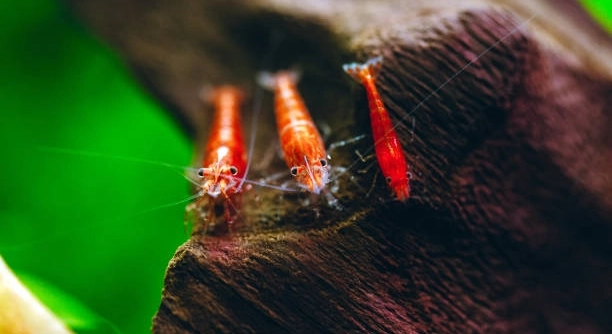
Are your cherry shrimp gathering around their food with tiny bursts of movement? Observing these small creatures can be surprisingly engaging, as they display unique behaviors that may seem unusual at first glance. Their patterns during feeding are subtle yet fascinating.
Cherry shrimp are not strongly territorial during feeding. While some individuals may display minor competition for food, they generally coexist peacefully. Aggressive interactions are rare, and most shrimp will allow others to feed alongside them without significant conflict.
Understanding these gentle interactions can help maintain harmony in your aquarium and ensure all shrimp get their share of food. Observing their behavior offers insight into their natural tendencies.
Understanding Cherry Shrimp Feeding Behavior
Cherry shrimp are small and social creatures that display predictable behaviors during feeding. Most shrimp gather around food sources without showing strong aggression toward each other. They tend to nibble quietly and move aside when others approach. Some minor competition can occur when food is limited, but this rarely escalates into full territorial behavior. Observing them, you can notice a hierarchy forming, usually among the slightly larger or more active shrimp. These shrimp communicate subtly through movements and positioning, which helps them maintain harmony. Over time, they adjust their behavior to the number of shrimp and the amount of food available, ensuring that most individuals get a share. Understanding these patterns is useful for providing the right amount of food and preventing unnecessary stress. Consistent feeding routines also reduce tension, as shrimp become accustomed to predictable meal times. This makes your tank calmer and your shrimp healthier overall.
Providing sufficient food in multiple areas minimizes competition and keeps feeding peaceful.
With proper feeding techniques, you can observe your shrimp’s natural behavior while ensuring all individuals remain healthy and active. Adjusting portion sizes and placement can prevent minor disputes and improve overall tank harmony. Overfeeding should be avoided to maintain water quality, while underfeeding may cause small skirmishes or food hoarding. Watching how they interact can be informative for creating a balanced environment, and it often reveals interesting quirks unique to your shrimp.
Factors Affecting Feeding Behavior
Tank size, population density, and food type influence feeding behavior.
Smaller tanks or overcrowded conditions can increase competition, making minor conflicts more noticeable. If food is too concentrated in one area, some shrimp may dominate the space temporarily, while others wait their turn. Using multiple feeding spots reduces this tension and encourages more even access. The type of food also matters; sinking pellets allow bottom-dwelling shrimp to feed quietly, while floating flakes may create more visible competition near the surface. Environmental factors, such as hiding spots and plants, can also impact how shrimp approach feeding, providing both security and space to eat. Understanding these dynamics allows you to manage your tank effectively, ensuring feeding remains calm and efficient. Careful observation over time helps you identify patterns, optimize feeding strategies, and maintain a peaceful environment for all shrimp. Proper management of these elements leads to healthier, happier shrimp that display natural behavior consistently.
Feeding Frequency and Quantity
Feeding cherry shrimp too often can lead to leftover food, which harms water quality. Small, measured portions work best, allowing them to eat everything in a few hours without causing stress or competition.
Feeding once or twice daily with small amounts is ideal for most tanks. Overfeeding can create aggressive nipping as shrimp compete for excess food, while underfeeding might make the more active shrimp dominate. Observing how quickly the food disappears helps determine the right portion size. Shrimp are opportunistic feeders, so they adjust to the routine and maintain steady growth when properly fed.
Adjusting food amounts based on tank population and shrimp size ensures minimal waste. Regular observation allows you to notice subtle signs of hunger or overfeeding. Using multiple feeding points can help distribute food evenly, preventing larger shrimp from monopolizing one area. By fine-tuning feeding routines, the tank environment remains stable, promoting healthy shrimp activity and reducing minor disputes during mealtime.
Tank Setup and Space
Shrimp need enough space to move freely during feeding. Crowded tanks can increase minor competition and stress among individuals.
A well-planted tank with hiding spots allows shrimp to retreat if they feel crowded while others feed. Open areas give them room to access food without bumping into tankmates. Plants, rocks, and decorations provide natural boundaries, subtly organizing feeding zones and reducing conflicts. Proper water flow ensures food spreads evenly, reaching all areas. Space management directly affects feeding behavior, as more room encourages peaceful interactions. By adjusting the layout, you can observe shrimp feeding without constant skirmishes and create a balanced environment where everyone has access to nourishment.
Observation During Feeding
Watching cherry shrimp eat can reveal their natural hierarchy. Some shrimp move confidently to food, while others wait patiently for their turn.
Subtle nudges or gentle pushes may occur, but these interactions rarely escalate. Most shrimp maintain calm and adapt to each other’s presence during mealtime.
Food Types and Preferences
Cherry shrimp respond differently to various food types. Algae wafers, blanched vegetables, and specialized shrimp pellets are commonly accepted. Soft foods are easier for smaller shrimp, while larger individuals may handle harder pellets. Feeding a mix ensures all shrimp access nutrients. Rotating food types also keeps their diet balanced, encouraging healthy growth. Observing which foods disappear first can indicate preferences and help adjust feeding routines. Some shrimp may focus on certain items, leaving others for later, which is normal behavior. Providing variety reduces minor competition and promotes overall tank harmony. Proper food selection enhances shrimp vitality and keeps them active and healthy.
Signs of Overfeeding
Excess food can quickly lead to water issues and minor conflicts. Monitoring portions helps maintain a calm tank environment.
FAQ
Do cherry shrimp fight over food?
Cherry shrimp are generally peaceful feeders. Minor nudges or brief pushes may happen when multiple shrimp reach the same food piece, but this rarely turns into real aggression. Most shrimp adjust their feeding behavior quickly, allowing others to eat nearby. Competition is minimal if there’s enough food and space.
How can I prevent food-related stress?
Providing small, measured portions in multiple areas reduces stress. Overfeeding encourages more active shrimp to dominate, while underfeeding can lead to minor skirmishes. Observing how quickly the food disappears helps you adjust portion sizes. Adding plants or hiding spots also gives timid shrimp space to access food without confrontation.
Are larger shrimp more aggressive during feeding?
Larger shrimp may reach food first due to size and mobility, but they typically do not chase or harm smaller shrimp. Their advantage is subtle, mostly related to access rather than true aggression. Ensuring multiple feeding points and distributing food evenly keeps feeding fair for all shrimp.
Does tank population affect feeding behavior?
Yes, population density influences how shrimp interact during meals. Overcrowded tanks can lead to minor competition for limited food, while well-populated but spacious tanks allow shrimp to eat without interference. Monitoring population size and providing ample food helps maintain calm interactions.
What is the best type of food to reduce competition?
Soft foods like blanched vegetables and algae wafers are easiest for all shrimp to consume. Specialized shrimp pellets are also suitable. Offering a variety ensures smaller or slower shrimp can access food while larger shrimp eat other items, reducing minor competition and maintaining a balanced diet.
How often should I feed cherry shrimp?
Feeding once or twice daily with small amounts is sufficient. Shrimp adapt to consistent routines and will eat all the food provided without waste. Overfeeding can create water quality issues, while underfeeding may prompt minor disputes as shrimp compete for limited portions.
Do hiding spots influence feeding behavior?
Yes, plants, rocks, and decorations provide security during feeding. Timid shrimp can retreat while others eat, reducing stress and competition. Properly arranged hiding spots create natural feeding zones, allowing more even distribution and minimizing minor interactions.
Can feeding habits indicate shrimp health?
Shrimp that consistently avoid food or fail to compete for it may be unhealthy. Active participation in feeding is a good sign of vitality. Observing how each shrimp eats helps detect early signs of illness or stress, allowing prompt intervention.
Will multiple feeding points prevent disputes?
Yes, spreading food across the tank prevents overcrowding in one area. Larger or more active shrimp are less likely to monopolize resources, while timid shrimp can access food safely. This strategy promotes peaceful interactions and ensures all shrimp get enough nutrition.
Does water quality affect feeding behavior?
Poor water conditions can stress shrimp and alter their normal feeding patterns. Maintaining proper temperature, pH, and cleanliness encourages calm behavior during meals. Healthy water supports appetite, reduces minor conflicts, and keeps the shrimp active and vibrant.
How do I know if shrimp are overeating?
Leftover food after several hours is a sign of overfeeding. Uneaten food can degrade water quality, encouraging algae growth and stressing shrimp. Adjusting portion sizes and removing excess food helps maintain tank health and reduces minor disputes during feeding.
Are cherry shrimp territorial in small tanks?
Small tanks with limited space can make minor interactions more noticeable, but even then, shrimp rarely exhibit true territorial aggression. Ensuring adequate hiding spots and distributing food helps maintain harmony, even in compact setups.
Do shrimp remember feeding routines?
Cherry shrimp quickly adapt to consistent feeding schedules. They learn when and where food is provided, which can reduce unnecessary competition. Predictable routines create calmer feeding periods and support their overall well-being.
Can aggressive behavior during feeding indicate illness?
Sudden changes in behavior, such as unexpected chasing or nipping, may signal stress or health issues. Observing shrimp closely and maintaining good water quality helps identify problems early. Healthy shrimp rarely show prolonged aggression.
Is there a difference between juveniles and adults during feeding?
Juvenile shrimp may eat more cautiously or wait for adults to finish. Adults are more confident but still rarely engage in true aggression. Feeding strategies should consider both sizes, providing food accessible to all shrimp without causing stress.
Does temperature influence feeding activity?
Yes, shrimp are more active at optimal temperatures. Cold or fluctuating water can slow feeding and make shrimp more cautious. Maintaining stable, suitable temperatures ensures consistent feeding behavior and reduces minor competition for food.
How can I introduce new shrimp without feeding conflicts?
Adding new shrimp gradually and providing multiple feeding points helps reduce initial competition. Allowing newcomers to acclimate and offering abundant food ensures they can eat safely alongside established shrimp without triggering aggression.
Are cherry shrimp more active at certain times?
They tend to feed actively during daylight or when the tank is calm. Observing peak feeding times helps in scheduling meals, reducing competition and ensuring all shrimp have access to food without disturbance.
Does breeding affect feeding behavior?
During breeding, females may become slightly more cautious while feeding. Males generally remain calm. Ensuring multiple feeding areas allows pregnant or berried females to eat safely without competition from more active tankmates.
Can adding supplements reduce competition?
Yes, providing supplemental foods like calcium-rich powders or protein sources ensures all shrimp receive nutrients without increasing minor competition. Balanced nutrition keeps shrimp healthy and reduces stress during feeding times.
This FAQ covers the most common concerns about cherry shrimp feeding behavior, offering practical guidance to maintain a peaceful, healthy tank environment while understanding their subtle social interactions.
Cherry shrimp are peaceful and fascinating creatures, especially when it comes to their feeding behavior. Observing them can be surprisingly engaging, as their interactions are subtle but telling. Most shrimp coexist without conflict, adjusting their positions and movements to share food naturally. Minor nudges or brief pushes may occur, but these rarely escalate into aggression. Understanding their behavior helps create a calm and harmonious tank environment, allowing all shrimp to thrive. Providing sufficient food and multiple feeding points ensures that no shrimp is left out, and it also prevents stress caused by competition. A well-planned tank layout, with hiding spots and open spaces, gives timid shrimp the confidence to access food safely while allowing more active shrimp to feed freely. By paying attention to these small details, you can create a tank where cherry shrimp feel secure, active, and healthy.
Feeding routines play an important role in maintaining balance within the tank. Consistent schedules and proper portion sizes allow shrimp to anticipate meals, reducing unnecessary competition. Overfeeding can cause water quality issues and minor disputes, while underfeeding may lead to some shrimp dominating the food supply. Monitoring how quickly the food is consumed helps determine the correct amount for your tank. The type of food also matters. Soft vegetables, algae wafers, and specialized pellets accommodate shrimp of different sizes, ensuring that both juveniles and adults can feed comfortably. Rotating food types keeps their diet balanced and encourages natural foraging behavior. By observing how individual shrimp interact during feeding, you can make adjustments that benefit the entire tank population, supporting growth and overall well-being.
Maintaining a peaceful environment goes beyond just food management. Tank size, water quality, temperature, and hiding spots all influence shrimp behavior during feeding. Crowded or poorly maintained tanks can increase stress and minor conflicts, while spacious, well-planted tanks encourage natural, calm interactions. Berried females and juveniles also benefit from multiple feeding points and secure spaces to reduce stress and allow proper nutrition. Consistent care and observation help detect early signs of stress or illness, ensuring shrimp remain healthy and active. Paying attention to these factors not only improves feeding experiences but also enhances the overall dynamics within the tank. By creating a supportive environment, cherry shrimp can display their natural behaviors safely, making your aquarium both vibrant and balanced.

Hello,
If you enjoy the content that we create, please consider saying a "Thank You!" by leaving a tip.
Every little bit helps us continue crafting quality advice that supports the health, happiness, and well-being of pets around the world, for pets of all shapes, sizes, and species.
We really appreciate the kindness and support that you show us!