
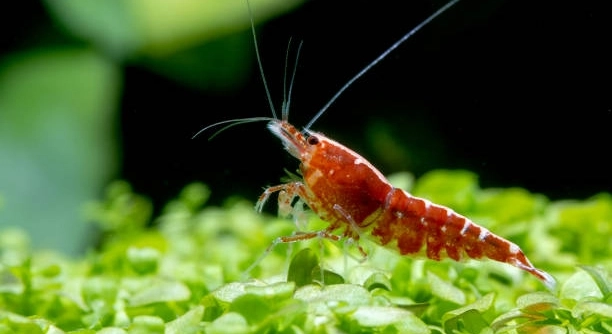
Cherry shrimp are small, colorful freshwater creatures that thrive in well-maintained aquariums. Lighting plays an important role in their environment, affecting both plant growth and the shrimp’s overall behavior and coloration patterns.
Cherry shrimp can tolerate uneven lighting, but consistent light distribution is preferable for optimal health. Areas with strong shadows or intense brightness may cause stress or alter their feeding and hiding behaviors over time. Balanced lighting supports steady plant growth and stable water conditions.
Understanding how lighting impacts shrimp and plants will help maintain a healthy tank and ensure your cherry shrimp remain active and vibrant.
How Uneven Lighting Affects Cherry Shrimp
Uneven lighting in a tank can create zones that are either too bright or too dark. Cherry shrimp tend to gather in shaded areas when lights are too strong, which may limit their movement and feeding habits. Over time, this behavior can affect growth and coloration. Plants in areas with limited light may struggle to grow, reducing hiding spaces for the shrimp. Strong light on one side can encourage algae growth, which may temporarily provide food but also impacts water quality. Managing lighting ensures both shrimp and plants remain healthy. Regularly observing their behavior can reveal if light levels need adjusting. Adjusting placement of lights or adding floating plants can help diffuse brightness, creating a more balanced environment. Tank decorations and background elements can also be used to reduce extreme light exposure while keeping the tank visually appealing. Balanced lighting promotes natural shrimp behavior, steady plant growth, and cleaner water.
Cherry shrimp adapt better when light is softened and distributed evenly across the tank.
Providing diffuse, even lighting helps prevent stress, encourages movement, and supports healthy plant growth in the aquarium.
Tips for Balancing Tank Lighting
Using a timer ensures that shrimp experience consistent light and dark periods, mimicking natural day and night cycles.
Adjusting light intensity and placement can reduce shadows and hotspots. Ensure that low-light areas are not too dark for shrimp to forage safely. Combining multiple light sources or using adjustable LED lights allows fine control over brightness. Floating plants can soften direct light while providing shelter. Avoid placing the tank near windows, as natural sunlight may create uneven lighting and rapid algae growth. Regular observation helps identify areas that receive too much or too little light. Correcting these zones ensures shrimp can move freely, feed properly, and maintain their vibrant coloration. Overly strong light may force shrimp to hide for most of the day, while weak light may hinder plant growth and reduce natural grazing areas. Maintaining balance improves overall tank health and creates a more visually appealing setup, keeping both plants and shrimp thriving under controlled conditions.
Adjusting Light Intensity
Cherry shrimp are sensitive to overly bright lighting, which can stress them and reduce activity. Moderate, diffused light allows shrimp to explore the tank without hiding constantly.
Adjusting light intensity involves testing different settings and observing shrimp behavior. LED lights with adjustable brightness are ideal for creating a comfortable environment. Too much light can encourage algae, while too little may slow plant growth. Positioning lights higher or adding floating plants can help diffuse intensity. Shrimp will move freely when the light feels natural, improving feeding patterns and coloration. Consistent adjustments over time help maintain a healthy balance in the tank.
Even small changes in intensity can affect shrimp behavior and plant health. Monitoring the tank daily and gradually changing light levels ensures shrimp remain active, plants continue to grow, and algae stays under control. This careful approach prevents sudden stress or imbalance, keeping the tank stable and enjoyable to maintain.
Using Timers for Consistent Lighting
Timers help maintain a regular light schedule, supporting shrimp’s natural rhythm and reducing stress caused by sudden changes.
Setting a timer allows for consistent day and night cycles, which is important for cherry shrimp. A stable schedule encourages regular feeding, activity, and molting, while also supporting plant growth. Without a timer, lights left on too long can harm shrimp and promote excessive algae. Automatic lighting control simplifies maintenance and ensures balance. Shrimp respond positively to predictable cycles, showing improved movement and color intensity. Combining timers with adjustable intensity creates an environment where both plants and shrimp thrive naturally. Consistency is key for a healthy, low-stress tank.
Positioning Lights Strategically
Placing lights in a way that covers the entire tank evenly prevents shadows and hotspots. Shrimp feel more comfortable when there are consistent light and dark areas.
Using multiple light sources or adjustable LEDs helps reduce uneven exposure. Floating plants can also soften direct lighting while providing hiding spots for shrimp.
Impact on Plant Growth
Uneven lighting affects aquatic plants differently. Plants in shaded areas may grow slowly or become weak, while those in bright spots may develop faster but encourage algae growth. Strong lighting on one side can create imbalances, impacting both plant health and shrimp activity. Even distribution is essential for a stable, thriving tank.
Observing Shrimp Behavior
Shrimp activity is a reliable indicator of light comfort. Active, visible shrimp suggest lighting is well-balanced, while hiding or clustering in shadows signals stress or discomfort.
FAQ
Can cherry shrimp survive in a tank with uneven lighting?
Yes, cherry shrimp can survive in uneven lighting, but it is not ideal. They adapt by moving to shaded areas when light is too strong or bright areas when needed. Long-term uneven lighting may stress the shrimp, affect feeding behavior, and impact growth or coloration. Adjusting lights to create a more balanced environment improves their overall well-being and encourages natural movement throughout the tank.
How do I know if the lighting is too strong for my shrimp?
Signs of strong lighting include shrimp hiding constantly, reduced activity, or clustering in shaded parts of the tank. Algae may grow quickly in the brightest areas, while plants may show signs of bleaching. Observing daily behavior helps identify spots where light intensity may be too high. Softening the light with floating plants or adjusting the distance of the light source can reduce stress and promote more normal activity.
Is uneven lighting harmful to plants in my aquarium?
Yes, uneven lighting can harm plants. Low-light areas may stunt growth, while overly bright areas can encourage algae blooms and lead to nutrient imbalances. Plants require steady light for photosynthesis, which supports oxygen production and water quality. Distributing light evenly ensures plants grow consistently and provides hiding spaces for shrimp. A mix of direct and diffused lighting, combined with appropriate intensity, supports both plant and shrimp health.
Can I use a timer to manage lighting for cherry shrimp?
Absolutely. A timer creates consistent light and dark periods, mimicking natural day and night cycles. Consistency helps shrimp maintain regular feeding, activity, and molting patterns. It also prevents sudden changes that can stress shrimp or trigger algae overgrowth. Using a timer alongside adjustable intensity lights allows for better control over tank conditions and ensures a balanced, stable environment for all inhabitants.
Do cherry shrimp prefer shaded areas or bright areas in a tank?
Cherry shrimp generally prefer shaded or moderate-light areas. Bright spots may be avoided if the lighting is intense, causing shrimp to hide or stay in cooler zones. Providing plants or decorations to create shaded areas allows shrimp to feel secure while still having access to lighted zones for feeding and exploration. Balanced lighting that avoids extreme bright or dark areas helps maintain natural shrimp behavior and comfort.
Will uneven lighting affect shrimp coloration?
Yes, lighting can impact coloration over time. Stress from excessive brightness or long periods in dark zones may dull colors. Shrimp in balanced lighting show more vibrant and consistent coloration. Providing moderate, even lighting and safe shaded areas supports healthy pigmentation while reducing stress that could cause fading or irregular patterns.
How can I reduce uneven lighting without changing the light fixture?
Using floating plants, background decorations, or tank ornaments can diffuse light and reduce harsh spots. Repositioning lights or angling adjustable LEDs can help spread brightness more evenly. Observing plant growth and shrimp behavior will indicate if changes are effective. These adjustments allow the tank to maintain balance without replacing equipment, creating a more comfortable environment.
Is there a recommended light intensity for cherry shrimp tanks?
Moderate intensity is best. High-intensity light can stress shrimp and promote algae, while low light may hinder plant growth. Adjustable LEDs or diffused lighting provide flexibility to find a comfortable balance. Observing shrimp activity and plant health regularly helps fine-tune intensity, ensuring both thrive naturally within the tank.
How often should I adjust lighting in my tank?
Adjustments should be gradual and based on observation. Daily monitoring of shrimp behavior and plant growth is important. Minor changes, such as moving lights or adding floating plants, can correct uneven exposure. Sudden shifts in lighting should be avoided, as they can stress shrimp and cause plant shock. Consistent observation ensures the tank remains balanced and supportive of shrimp health.
Can uneven lighting cause molting problems for cherry shrimp?
Yes, stress from inconsistent lighting may affect molting cycles. Shrimp under uneven or overly intense light may hide excessively, limiting access to food and proper conditions for molting. Ensuring balanced lighting, adequate hiding spaces, and stable water parameters helps maintain healthy molting patterns and supports growth and survival.
Cherry shrimp are small and delicate creatures that respond to their environment in noticeable ways. Lighting is a key factor in their daily life, affecting everything from feeding habits to coloration and overall activity. While they can survive under uneven lighting, it is not optimal for their health or comfort. Shrimp may adapt by seeking shaded areas or moving away from overly bright spots, but this constant adjustment can create stress over time. Plants in unevenly lit tanks also face challenges, with some areas thriving and others struggling, which in turn affects the overall ecosystem in the tank. A balanced environment benefits both the shrimp and the plants, creating a more stable and healthier habitat. By paying attention to lighting patterns, even simple adjustments can make a noticeable difference in shrimp behavior and tank aesthetics. Small changes, such as diffusing light or repositioning the fixture, can create a more even distribution and help shrimp move freely without constantly seeking shelter from harsh spots.
Maintaining consistent lighting is also important for creating a natural rhythm in the tank. Shrimp, like many aquatic species, respond to regular cycles of light and dark. Timers are an effective tool for achieving this, ensuring the shrimp experience predictable periods that support feeding, activity, and molting. Balanced lighting reduces stress, helping shrimp display their natural colors and remain active throughout the day. Even small imbalances in brightness can have noticeable effects on both plants and shrimp, such as encouraging algae growth in overly bright areas or slowing plant development in darker zones. Using adjustable lights or multiple sources allows for fine control over intensity and coverage. Floating plants and decorations also help diffuse light, creating comfortable shaded spots while maintaining overall brightness. Observing shrimp behavior regularly helps identify problem areas, allowing for adjustments before stress or plant decline becomes an issue. Consistency, moderation, and careful observation are the best approaches for supporting a healthy and visually appealing tank environment.
Finally, attention to lighting goes beyond aesthetics. A well-lit tank supports plant growth, improves water quality, and provides hiding spots that reduce stress for shrimp. Healthy plants produce oxygen and help absorb nutrients, which in turn benefits shrimp survival and growth. Overly bright or uneven light can disrupt this balance, causing stress that impacts shrimp behavior and health. By adjusting light placement, intensity, and duration, and providing natural shading through plants or decorations, the tank can maintain a stable and thriving ecosystem. Monitoring shrimp daily, observing their movement, feeding, and activity levels, provides valuable feedback on whether lighting is adequate. Creating a balanced environment takes effort, but the results are worth it. Cherry shrimp remain active, vibrant, and healthy, while plants continue to grow steadily, keeping the aquarium harmonious. This careful approach ensures the tank remains a supportive, low-stress habitat where both shrimp and plants can flourish together naturally.

Hello,
If you enjoy the content that we create, please consider saying a "Thank You!" by leaving a tip.
Every little bit helps us continue crafting quality advice that supports the health, happiness, and well-being of pets around the world, for pets of all shapes, sizes, and species.
We really appreciate the kindness and support that you show us!